São Tomé and Príncipe’s islands sit in the Gulf of Guinea and reflect a layered history of African, Portuguese and creole influences; the result is a compact but varied linguistic landscape used in homes, markets and public life. Small population size makes each language’s distribution and status easier to map than in larger countries, but also means some tongues are tightly localized.
There are 7 Languages Spoken in São Tomé and Príncipe, ranging from Angolar to Principense. For each language you’ll find a concise entry organized by Family/type,Speaker estimate (speakers),Regions spoken so you can quickly compare origins, speaker numbers and where each is used — you’ll find below.
Is Portuguese the official language, and how common are the creoles?
Portuguese is the official language for government, education and media, while creole varieties like Forro, Angolar and Principense function as everyday languages in many communities; some creoles have substantial speaker communities, others are smaller and more localized — check the speaker estimates below to see the differences.
Are any of these languages endangered and what does that imply?
Yes; a few smaller languages (notably some island creoles) have very few fluent speakers and face challenges in intergenerational transmission, which affects cultural continuity and visibility, though documentation and local interest can help stabilization — see the Regions spoken and Speaker estimate (speakers) columns below for specifics.
Languages Spoken in São Tomé and Príncipe
| Language | Family/type | Speaker estimate (speakers) | Regions spoken |
|---|---|---|---|
| Portuguese | Romance (Indo-European); official | 220,000 (≈100%) | São Tomé and Príncipe (nationwide) |
| Forro | Portuguese-based creole (São Tomense) | 88,000 (≈40%) | São Tomé island, widespread |
| Angolar | Portuguese-based creole (African substrate) | 11,000 (≈5%) | Southern São Tomé (São João dos Angolares) |
| Principense | Portuguese-based creole; critically endangered | 500 (≈0.2%) | Príncipe island (Santo António area) |
| Cape Verdean Creole | Portuguese-based creole (Cape Verdean variety) | 5,000 (≈2%) | Urban São Tomé communities, migrant neighborhoods |
| French | Romance (Indo-European); foreign/L2 | 5,000 (≈2%) | Urban centers, diplomatic and business contexts |
| English | Germanic (Indo-European); foreign/L2 | 11,000 (≈5%) | Tourism areas, higher education, business hubs |
Images and Descriptions
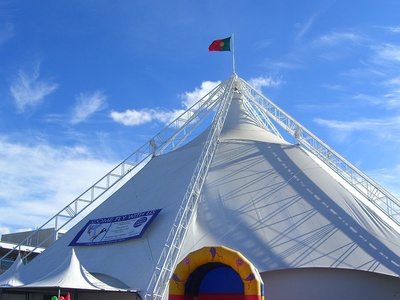
Portuguese
Portuguese is the official language and the primary medium of government, education and media in São Tomé and Príncipe. Nearly everyone uses it as a first or second language, while many communities remain bilingual with local Portuguese-based creoles.

Forro
Forro (São Tomense) is the largest Portuguese-based creole and traditionally served as the islanders’ lingua franca. It’s used in daily conversation, customary songs and local identity, with many speakers bilingual in Portuguese; usage is strongest in São Tomé communities.
Angolar
Angolar (Ngola) is a Portuguese-based creole with a strong African substrate, spoken mainly in southern São Tomé around São João dos Angolares. It has smaller speaker numbers but remains a key marker of community identity and oral traditions.
Principense
Principense (Lunguye) is a distinct Portuguese-based creole native to Príncipe island. Once widely spoken, it is now critically endangered with only a handful of mostly elderly speakers; most residents of Príncipe have shifted to Portuguese.
Cape Verdean Creole
Cape Verdean Creole is spoken within Cape Verdean-descended communities on São Tomé, mainly in urban areas. It’s used in family and community settings; presence reflects migration ties rather than indigenous origin and varies by generation.
French
French functions as a taught foreign language and is used by diplomats, regional partners and some business people. It is not a native tongue for most, but knowledge is present among urban professionals and in secondary-language education.
English
English is increasingly taught and used in tourism, higher education and international business. Spoken fluency remains limited to a minority, but English proficiency is growing among students and professionals involved in regional or international work.