Sunrise at Sani Top feels like stepping into a mountain story: a cold wind, a single track slipping down into clouds and a lone Basotho pony’s bell in the distance. Lesotho’s highlands have shaped both culture and adventure for centuries — from Basotho pony trails to the Sani Pass route once used by traders and missionaries.
The country packs surprising, high‑altitude adventure into a compact area (about 30,355 km²). Its highest point, Thabana Ntlenyana, rises to 3,482 m, and much of the nation sits above 1,000 m. That setting makes for alpine hikes, dramatic waterfalls, high passes and cultural treks that feel out of scale for such a small map.
Below are ten hands‑on experiences — grouped into mountain trekking, water and canyon adventures, off‑road and cycling, and cultural/seasonal expeditions — to help you pick where to start. These are active, practical ideas with safety notes and local options, ready for planning.
Mountain & Trekking Adventures
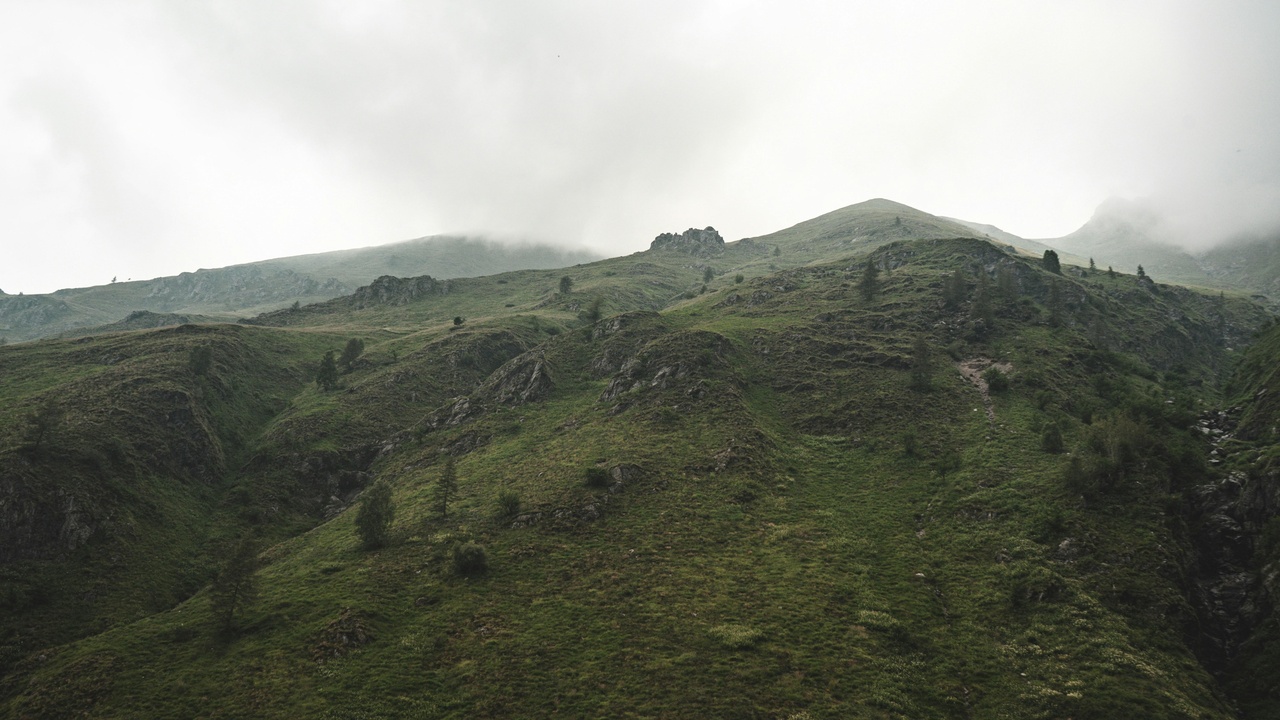
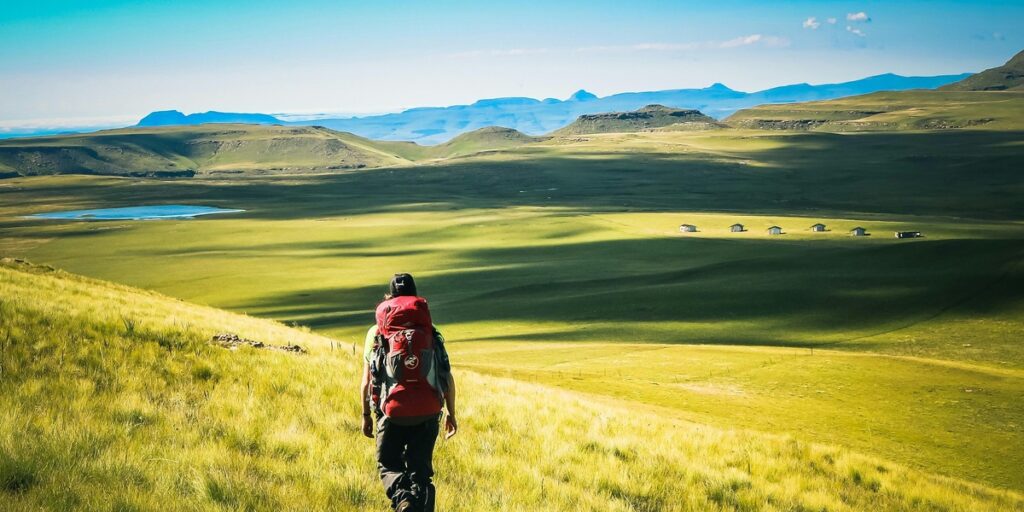
The Maloti range dominates Lesotho’s interior. High altitude, long ridgelines and rocky plateaus make day hikes and multi‑day treks feel alpine rather than typical African bush walks.
Altitude matters here. Expect thinner air above 2,000–3,000 m, cold nights and fast weather shifts. Hire local guides where possible; their route knowledge and village contacts are invaluable. Pony support lets you carry more comfort on longer routes and opens remote campsites.
Season windows are clear: dry months (late autumn to spring) provide stable trekking, while summer storms bring lush scenery but sudden downpours. Pack layers, let a guide file your plan, and respect grazing land and shepherding routes.
1. Summit Thabana Ntlenyana (Highest Peak)
Summiting Thabana Ntlenyana is a must for serious hikers. At 3,482 m the peak rewards effort with ridge views across Lesotho and, on clear days, into the Drakensberg.
Typical treks start around the Mokhotlong area and take a half day to a full day depending on route and fitness. Expect several hundred metres of ascent on rocky trails and scree sections.
Hire a Basotho guide from Mokhotlong for navigation, local knowledge and cultural contact. Summer offers wildflowers; winter brings cold winds and possible snow near the summit. Bring warm layers and plan for quick descents if weather turns.
2. Multi-day Ridge Trek on the Maloti-Drakensberg
Ridge routes between the Maloti and Drakensberg yield classic highland trekking: long views, shepherding tracks and stone shelters. Routes run from two to five days depending on entry and exit points.
A simple three‑day itinerary might link Bokong Nature Reserve with a high pass, camp beneath cliffs the first night, cross a saddle on day two and finish by a village on day three. Pony support can carry tents and food, so you hike light.
Some stretches cross protected land and require permits or park fees. Respect campsite rules, camp out of grazing areas and use fuel stoves rather than open fires where forbidden.
Water, Falls & Canyon Adventures
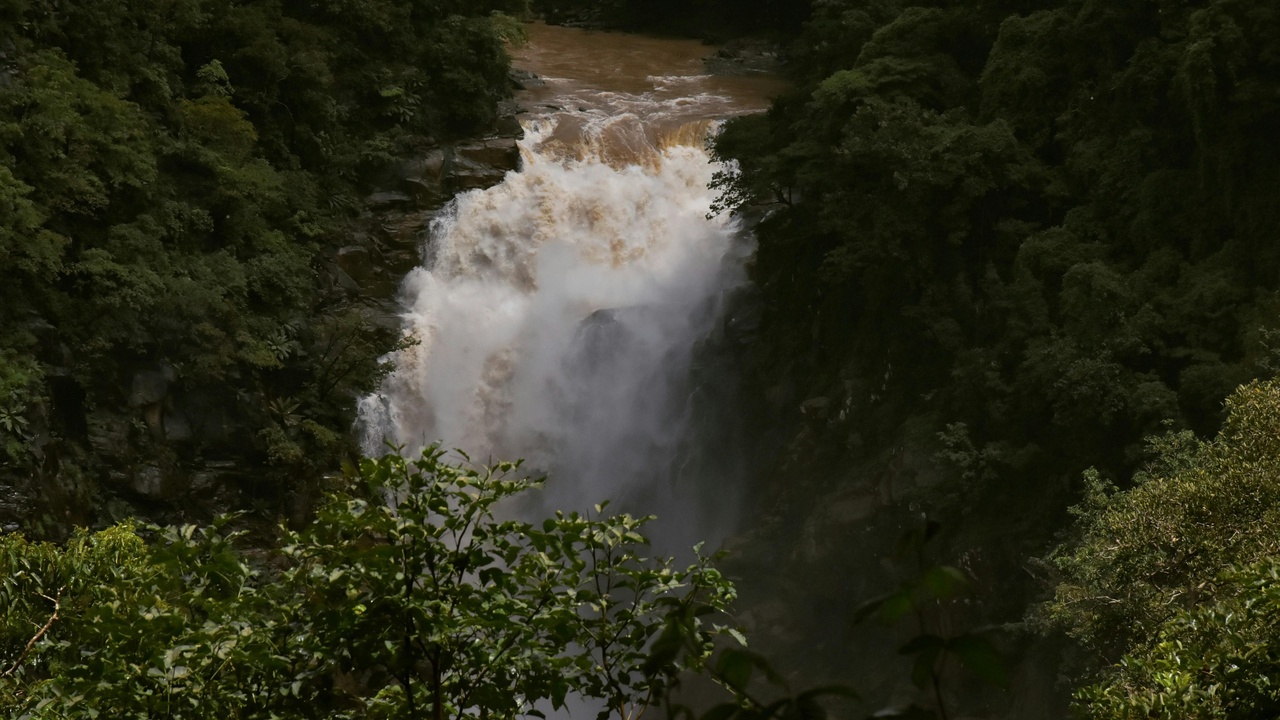
Lesotho’s water features punch above their weight. Maletsunyane Falls plunges nearly 192 m in a single drop, and the Senqu/Orange River rises in the highlands, carving narrow canyons ideal for ropes and rafts.
Abseils and canyoning follow fixed lines at some sites, while river character changes dramatically with season. Choose certified operators, check flows after rains, and wear proper wetsuits and helmets for cooler water.
Operators often base trips out of small lodges or village teams near Semonkong; local economies benefit when guides are hired directly or through reputable outfitters. Leave no trace and avoid disturbing nesting birds and local water use.
3. Abseil and Canyoning at Maletsunyane Falls
Maletsunyane is a prime spot for long abseils and canyoning. The single‑drop is roughly 192 m, offering one of the region’s most dramatic rope descents.
Expect an operator‑led safety briefing, harnesses, helmets and either single‑ or multi‑pitch rigging depending on flow and chosen line. Wetsuits help in cooler months and for wet sections of canyoning.
Trips launch from viewpoints around Semonkong and nearby lodges. Book a village‑based guide team when you can; they know seasonal lines and protect fragile cliff vegetation.
4. River Trips on the Senqu (Orange River) Headwaters
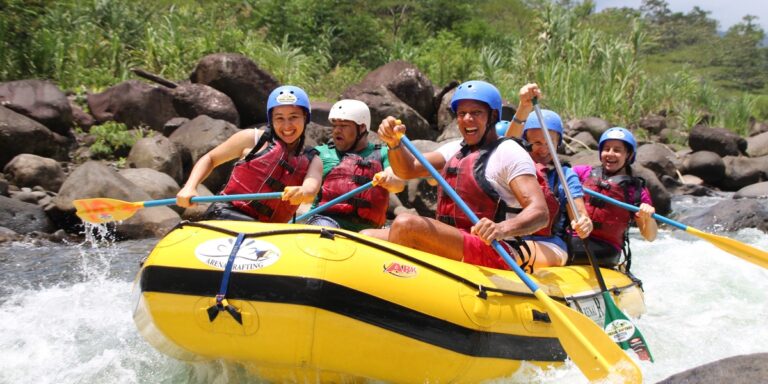
The Senqu starts in Lesotho and offers calm paddles near source streams and technical whitewater when summer rains swell flows. River character depends on recent rainfall.
Options range from guided half‑day paddles to multi‑day canoe itineraries. Logistics usually include shuttle pickups at roadheads and overnight camping on riverbanks.
Book through established rafting or paddling groups and choose technical sections only if you have whitewater experience. Combining a river trip with a nearby village stay gives a fuller highland experience.
Highland Passes, 4×4 & Mountain Biking

Lesotho’s pass network is a backbone of remote travel. Sani Pass is the best known, but dozens of graded tracks connect villages and high camps. These routes suit 4x4s, enduro bikes and mountain bikes alike.
Vehicle requirements are strict for some passes: high clearance, low‑range gears and experienced drivers. For bikes, expect mixed surfaces — gravel, packed dirt and rocky stretches — and plan endurance for altitude.
Border formalities at Sani Top add a travelable novelty: a short passport check and a pub with one of the finest mountain views. Seasonal closures happen after heavy rains or snow, so check local advice before you go.
5. Drive or 4×4 the Sani Pass
Sani Pass is one of southern Africa’s most famous mountain passes. The summit sits near 2,876 m and the route includes steep gradients and unpaved sections that test vehicles and drivers.
Most visitors hire a licensed 4×4 driver from nearby towns (Himeville on the South African side or local operators from Mokhotlong). A common day trip climbs to Sani Top, visits the border pub and returns via the same route.
Expect muddy conditions in the wet season and icy patches if cold. Confirm vehicle insurance covers cross‑border travel and that drivers carry recovery gear when tackling technical sections.
6. Mountain Biking and Enduro Routes
Lesotho’s trails suit riders looking for remote single‑track and long gravel loops. Single‑day circuits commonly range 20–60 km, while multi‑day village links can push farther.
Bike hire is available at regional hubs; guided tours offer route planning, luggage or pony support and mechanical back‑up. Self‑supported riders should plan for sparse services and variable trail surfaces.
Link village‑to‑village trails to combine cultural stops with riding. Keep in mind altitude affects effort — rides feel harder above 2,000 m — so pace climbs and hydrate regularly.
Cultural, Seasonal & Specialty Expeditions
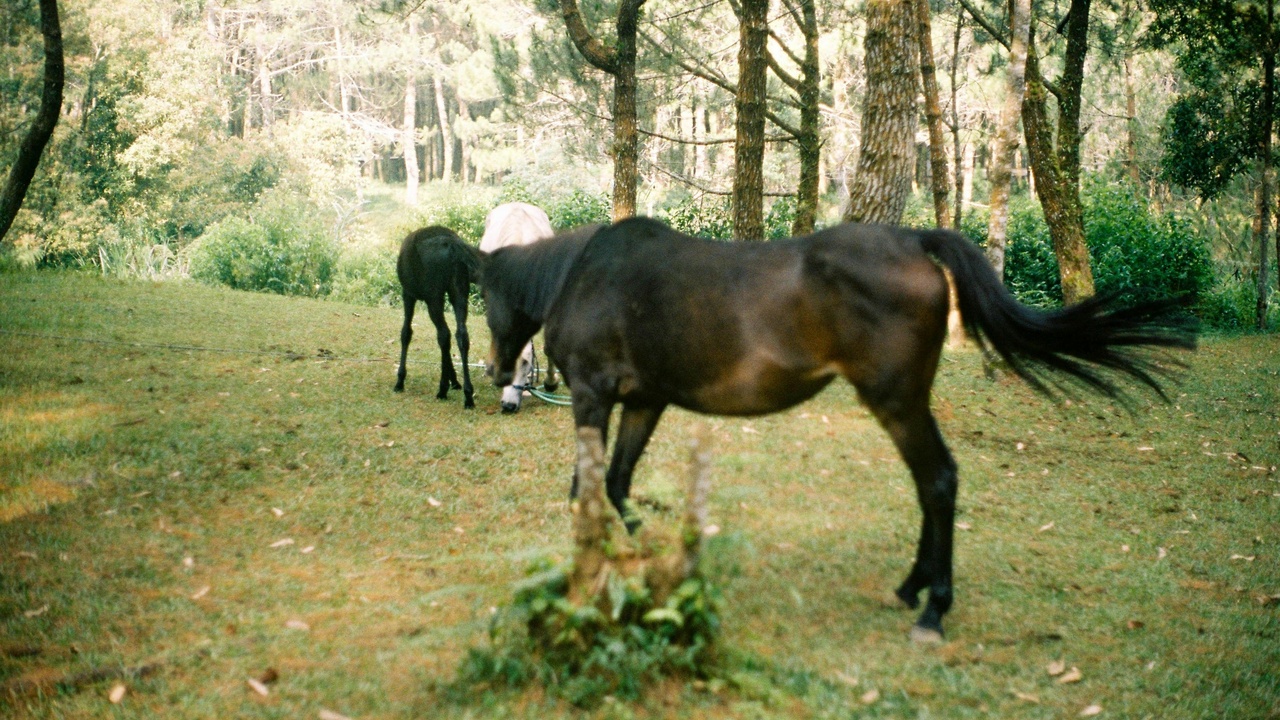
Lesotho became independent in 1966, and the Basotho people’s mountain culture remains central to travel here. Adventures woven with local life — pony treks, homestays, winter skiing at Afriski — give depth beyond adrenaline.
These trips support village economies and often use community guides. Expect simple facilities in many places, and plan to adapt to local rhythms and weather windows for seasonal activities.
Adventurous things to do in Lesotho mix active outdoor time with cultural exchange: ride with shepherds, sleep in a homestay, or spend a day on groomed slopes. Each option brings a different perspective on the mountains.
7. Trek on a Basotho Pony
Basotho ponies are small, sure‑footed mounts bred for steep, rocky terrain. They remain a main form of transport and a practical way to reach remote sites.
Pony programs range from short village rides to week‑long expeditions where ponies carry packs and riders swap days in the saddle. Riding style differs from English or Western saddles, so brief familiarization helps.
Look for community‑run pony treks or lodge partnerships that invest in pony welfare and local guide pay. Costs vary by length and inclusions; ask about feed, handlers and veterinary care when booking.
8. Village Homestays and Guided Cultural Treks
Staying in a village home offers a real, occasionally humbling, immersion. Homestays typically include shared sleeping spaces, home‑cooked meals and the chance to join daily tasks.
Guided treks that route through shepherding paths and villages create meaningful interactions. Combine a cultural leg with a hike or pony day to balance physical and social discovery.
Support community initiatives where fees are transparently shared. Learn a few Sesotho phrases, ask before photographing people and be prepared for basic facilities.
9. Winter Skiing and Snow Activities at Afriski
Afriski Mountain Resort is one of the few alpine ski options in southern Africa. Snow season typically runs June through August in the southern hemisphere.
The resort offers slopes, rentals and lessons, making it accessible for beginners and families. Combine morning ski sessions with afternoon walks in nearby highland trails for variety.
Book early for peak winter weekends and consider packaged transport from Maseru or other hubs. Snowshoeing and guided ski days are popular alternatives on lighter snow years.
10. Rock Climbing and Cave Exploration in Highland Areas
Climbing and caving are quieter, niche adventures here. Limestone and sandstone near Katse Dam and Thaba‑Tseka provide cliffs and caverns worth exploring with a guide.
Expect single‑pitch routes on local crags and multi‑pitch challenges where cliffs are taller. Cave visits require helmets, headlamps and local knowledge to avoid unstable passages.
Use community guide services and check access rules around dam infrastructure and conservation zones. Combine a climb with nearby cultural visits for a full day out.
Summary
- Lesotho’s high altitude and compact highland terrain create mountain, water, off‑road and cultural adventures you won’t find elsewhere.
- Standouts include Thabana Ntlenyana (3,482 m) for summit hikes and Maletsunyane Falls (≈192 m) for abseils; both are practical and memorable goals.
- Choose one starter activity — a day hike, a Maletsunyane abseil or a Sani Pass drive — and plan with local guides to gain safety and local insight.
- Support community‑run guides, respect village norms and time your trip to seasonal windows (dry trekking months, Afriski’s June–August snow season).
- Adventurous things to do in Lesotho are as much about people and place as about adrenaline. Pick one and get planning — safely and respectfully.