In the 19th century, Silk Road caravans threaded the mountain passes that now define Kyrgyzstan—trade routes that shaped a culture used to hospitality, resilience, and mobility.
But why should someone consider settling in a country many picture as remote and inhospitable? With a population of roughly 6.7 million (2023) and more than 90% of its land mountainous, Kyrgyzstan quietly offers easy access to dramatic nature, lively markets, low living costs, and growing resources for visitors and longer-stay residents.
This article lays out ten concrete benefits of living in Kyrgyzstan across four practical categories: Nature & Outdoors, Affordability, Culture & Community, and Practical Quality-of-Life. Expect short examples you can act on—yurt stays at Issyk-Kul, day hikes from Bishkek, weekend bazaars, and co-working in city cafes.
Natural landscapes and outdoor lifestyle
1. Ready access to mountains, trails, and skiing
Almost any week here can include a serious mountain outing—Ala-Archa National Park is roughly a 30–40 minute drive from central Bishkek, and the Tian Shan range dominates travel and leisure throughout the country.
That proximity makes weekend trekking, family picnics, and day-hikes a normal part of life rather than a special trip. In winter, Soviet-era lifts and smaller ski areas around Karakol and nearby valleys open up affordable slopes for locals and expats alike.
Local guides and inexpensive guesthouses (and the odd family-run homestay) mean you can plan a guided alpine day or a multi-day yak-karakol trek without shelling out luxury prices.
2. Lakes, camping and traditional yurt experiences
Big, high lakes are part of the national rhythm—Issyk-Kul sits at about 1,607 meters above sea level and acts as a summer playground for families and guests from across Central Asia.
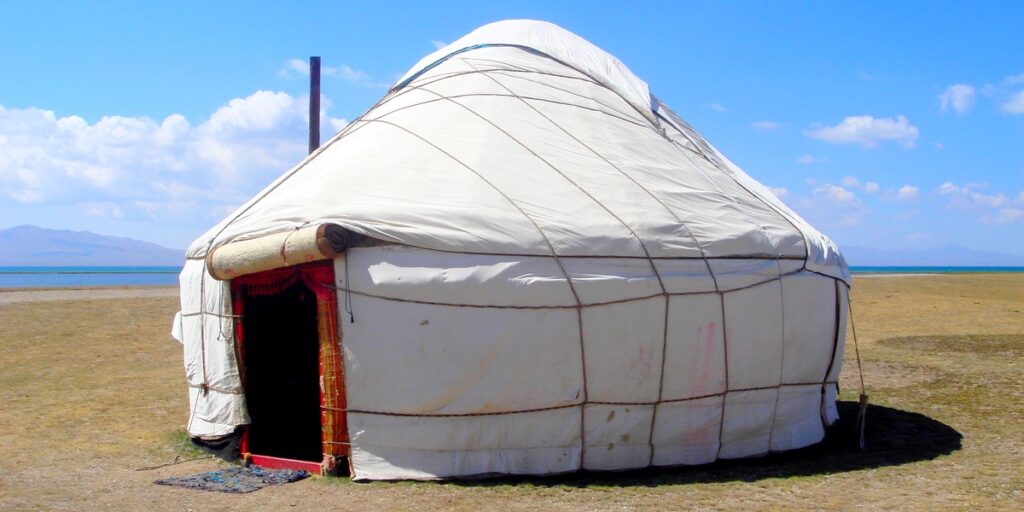
Affordable yurt camps and small guesthouses cluster along Issyk-Kul’s shores (Bokonbayevo and Cholpon-Ata among them), so weekend lake escapes are routine. You can rent a lakeside yurt, join a local family for dinner, or paddle in the warmer months without a huge budget.
Seasonal camping and boating trips are well supported by local entrepreneurs, and many visitors recommend booking through a small camp operator or guesthouse for the most authentic experience.
Affordability and low cost of living
3. Low housing costs and inexpensive daily expenses
Housing and everyday costs are a major reason people consider relocating. In Bishkek, modest one-bedroom apartments in central neighborhoods commonly rent for roughly $200–$400 per month, with cheaper options outside the center and in smaller towns.
Utilities, local services, and domestic help tend to cost far less than in Western European or North American cities, freeing up money for travel, lessons, or dining out a few times a week.
That price flexibility means a remote worker or retiree can live comfortably on a modest budget, or a family can stretch savings for education and experiences rather than simply covering rent.
4. Fresh, affordable food from bazaars and local producers
Daily life revolves around lively markets—Osh Bazaar in Bishkek is a great example—where seasonal vegetables, fruit, dairy, and meat are sold at prices that often seem astonishing to newcomers.
Seasonal abundance means heartier, fresher home cooking: people buy fresh herbs, grapes, apricots, and local cheeses, and traditional dairy products such as kumis (fermented mare’s milk) and ayran are easy to find.
Foraging and small-scale mountain-gathering remain part of rural life, too, so wild mushrooms, berries, and herbs appear in markets after spring and summer excursions.
Culture, community and hospitality
5. Generous hospitality and community networks
Hospitality is woven into daily life: tea is offered freely, neighbors share food and time, and it’s common for newcomers to receive invitations to family meals or local gatherings within weeks of arrival.
That friendliness speeds social integration. New residents often find language practice and local contacts come from casual invitations rather than formal meetups.
A small, specific scene: an expat staying in a village guesthouse will frequently be asked to join a family for a weekend meal or a shepherding trip—simple moments that build long-term connections.
6. Rich traditions, festivals, and artisanal crafts
Living here means regular, tangible exposure to cultural traditions—Nowruz celebrations in spring, local horse games like kok-boru at festivals, and felt-making workshops where artisans produce shyrdak carpets.
Weekend bazaars and seasonal fairs invite residents to learn crafts, buy locally made goods, or even host workshops as part of a small business offering for tourists and expats.
That cultural density gives daily life texture: you’ll hear traditional music on holidays, see artisans at work in small towns, and find ways to participate rather than merely observe.
7. Multilingual society and manageable language barriers
Kyrgyzstan’s bilingual environment—Kyrgyz and Russian—helps many foreigners adapt quickly. Russian remains widely used in business, higher education, and urban life, while Kyrgyz is central to rural life and cultural contexts.
Young people and service staff in Bishkek increasingly speak some English, and there are language schools and university exchange programs where newcomers can learn useful phrases and meet locals.
For Russian speakers, integration can be especially straightforward; for others, a few months of study (or a smartphone phrasebook) goes a long way.
Practical advantages and quality-of-life perks
8. Increasing remote-work infrastructure and co-working spaces
Bishkek and larger towns now host co-working spaces, reliable cafes, and steadily improving internet, so working remotely while exploring the country is realistic for many digital professions.
Well-known local co-working venues and a growing freelance community mean you can find short-term desks, networking events, and coffee shops with dependable Wi‑Fi when you need them.
That setup makes it easy to live in a smaller city or mountain town for a month at a time and return to Bishkek for client calls or administrative tasks.
9. Strategic location for Central Asia travel and cross-border opportunities
Among the benefits of living in Kyrgyzstan is its usefulness as a base for regional travel—Manas International Airport (Bishkek) links to hubs like Almaty and Tashkent, and overland routes connect to neighboring countries for adventurous weekend trips.
Short flights or bus rides can get you to Kazakhstan, Uzbekistan, Tajikistan, or parts of western China, making Kyrgyzstan a logistical springboard for both leisure and small-business cross-border opportunities.
Visa rules change periodically, so it pays to check current e-visa and entry arrangements before planning multi-country itineraries.
10. Slower pace of life, relative safety, and family-friendly communities
Compared with hectic global capitals, many Kyrgyz towns feel calmer: less rush-hour stress, visible family life in parks and markets, and community rhythms that prioritize neighborly help.
Crime rates vary by area, but many expats report a sense of basic safety in public spaces and ease of taking evening walks in residential neighborhoods. That atmosphere supports child-rearing and lower-stress daily routines.
Healthcare and international-school options are concentrated in Bishkek and a few regional centers—private clinics offer quality services, but specialist care may require travel to larger cities abroad.
Summary
- Access to nature and outdoor life makes active weekends easy to do.
- Affordability stretches budgets and enables travel, learning, and savings.
- Warm local hospitality, festivals, and craft traditions help newcomers plug into community life.
- Practical perks—co‑working, regional flights, and family-friendly neighborhoods—support longer stays and remote work.