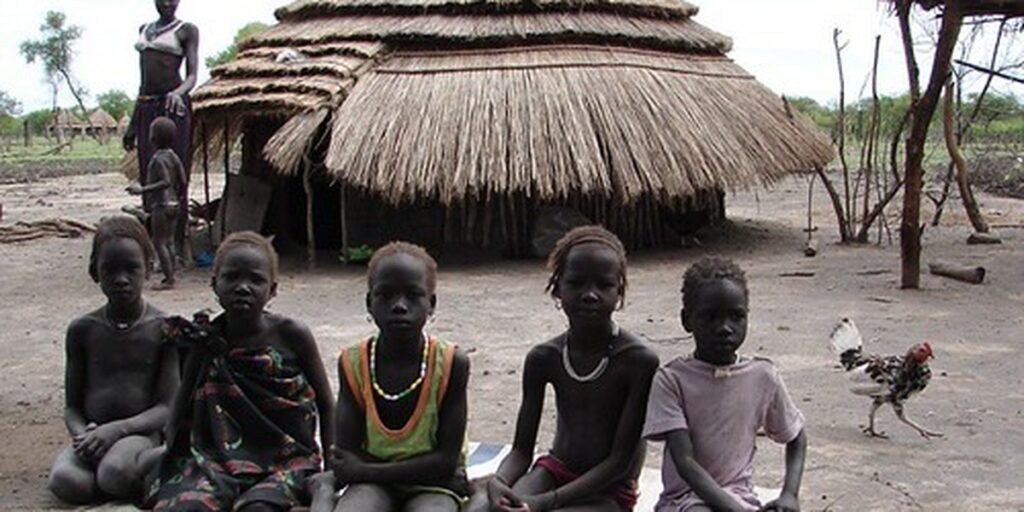
South Sudan sits where the Nile basin meets savannah and forest, and that geography is mirrored in a patchwork of local languages tied to communities and borders. Understanding these tongues helps explain identity, daily life and regional connections across the country’s states.
There are 12 Indigenous Languages in South Sudan, ranging from Anywaa (Anuak) to Zande. The list is presented with clear fields — Family,Estimated speakers (speakers),Primary regions (states) — and you’ll find these details below.
How reliable are the speaker estimates and where do they come from?
Speaker numbers for South Sudanese languages are often estimates drawn from censuses, linguistic surveys and regional studies; they can vary by source and become outdated after migration, conflict or population growth, so treat them as approximate guides rather than exact counts.
Are these languages used in schools, media, or government services?
Usage varies: a few languages appear in local radio, primary education or community programs, while national-level services lean toward Arabic and English; promotion and practical use depend on local policy, resources and NGO or community initiatives.
Indigenous Languages in South Sudan
| Language | Family | Estimated speakers (speakers) | Primary regions (states) |
|---|---|---|---|
| Dinka | Nilotic (Nilo-Saharan) | 3,200,000 | Jonglei, Lakes, Warrap, Unity |
| Nuer | Nilotic (Nilo-Saharan) | 1,600,000 | Jonglei, Upper Nile, Unity |
| Shilluk | Nilotic (Nilo-Saharan) | 300,000 | Upper Nile (Malakal area), Renk |
| Zande | Ubangian | 420,000 | Western Equatoria (Bondo, Maridi, Nzara areas) |
| Bari | Central Sudanic (Nilo-Saharan) | 300,000 | Central Equatoria (Juba area), Eastern Central regions |
| Lotuko (Otuho) | Eastern Nilotic (Nilo-Saharan) | 200,000 | Eastern Equatoria (Budi, Lafon, Ikotos) |
| Toposa | Eastern Nilotic (Nilo-Saharan) | 150,000 | Eastern Equatoria (Kapoeta), Namorunyang area |
| Murle | Surmic (Nilo-Saharan) | 180,000 | Pibor, Jonglei, Eastern counties |
| Ma’di (Madi) | Central Sudanic (Nilo-Saharan) | 200,000 | Western Equatoria (Magwi, Yei area), bordering Uganda |
| Anywaa (Anuak) | Western Nilotic (Nilo-Saharan) | 100,000 | Upper Nile border areas (near Gambela), Pochalla |
| Kakwa | Central Sudanic (Nilo-Saharan) | 90,000 | Western Equatoria (Tumbura area), Maridi border areas |
| Mundari | Nilotic (Nilo-Saharan) | 80,000 | Central Equatoria (Terekeka area), parts of Central states |
Images and Descriptions

Dinka
Dinka is the largest Nilotic language in South Sudan, spoken by millions across several states. It remains vital with strong intergenerational transmission; the language exists as a complex dialect cluster with rich oral poetry and localized varieties important to identity.
Nuer
Nuer is a major Nilotic language concentrated in Jonglei and Upper Nile. Widely used in daily life and cattle-culture communities, it is vigorous though dialect variation occurs; communal institutions and kinship systems maintain strong language use.
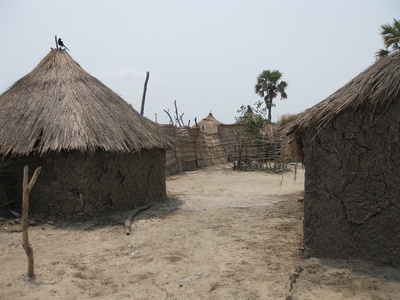
Shilluk
Shilluk (Chollo) is a Luo‑branch Nilotic language around the Upper Nile. Still actively spoken in riverine towns with strong oral traditions, it has several dialects and faces pressures from displacement but remains central to Shilluk cultural life.
Zande
Zande is an Ubangian language common in Western Equatoria and cross-border regions. It is relatively healthy locally, notable for tonal contrasts and proverbs; Zande literature and radio broadcasting support its continued use despite regional upheaval.
Bari
Bari is a Central Sudanic language spoken around Juba and central areas. It remains a primary language for urban and rural communities, with several dialects; vitality is moderate due to urban multilingualism but community media help maintain use.
Lotuko (Otuho)
Lotuko (Otuho) is an Eastern Nilotic language of eastern Equatoria. Widely used in local markets and homes, it shows dialectal variation and remains actively transmitted, though migration and schooling in other languages affect usage.
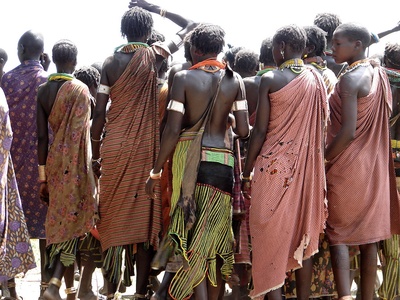
Toposa
Toposa is an Eastern Nilotic language spoken by pastoralist communities in Kapoeta and surrounding areas. It is actively used in everyday life and oral culture, though mobility and conflict sometimes disrupt traditional transmission patterns.
Murle
Murle is a Surmic language of Pibor and parts of Jonglei. Strongly tied to pastoralist society, it remains commonly spoken locally; however, localized conflicts and displacement have impacted continuity in some communities.
Ma’di (Madi)
Ma’di (Madi) is a Central Sudanic language on the western border with Uganda. It is used in towns and rural areas, sustained by cross‑border ties and local media; several dialects exist and literacy efforts support its resilience.
Anywaa (Anuak)
Anywaa (Anuak) is a Western Nilotic language spoken near the Ethiopian border in Upper Nile. It remains important in local communities with active oral culture; population movements have affected density but the language is still used daily.
Kakwa
Kakwa is a Central Sudanic language in western South Sudan and neighboring countries. It maintains vitality within local towns and villages, supported by cross‑border networks; several dialects and multilingualism with neighboring languages are common.
Mundari
Mundari is a Nilotic language spoken south of the White Nile in central regions. Locally vigorous and used in family and market life, it has distinct dialectal forms and faces gradual influence from dominant regional languages in urban areas.