On June 26, 1960, Madagascar declared independence from France.
Long before colonial borders, Malagasy identity was shaped by centuries-old customs that still guide daily life.
These customs matter because they organize social life, support local economies, and attract cultural tourism.
This article explains 10 important traditions in Madagascar, showing how rituals, family ties, arts, and seasonal festivals sustain community, transmit values, and influence modern Malagasy life.
Reader-friendly groupings follow: social and family customs; spiritual and ritual practices; and cultural arts and festivals.
We begin with the social networks that form the backbone of island life.
Social and Family Traditions
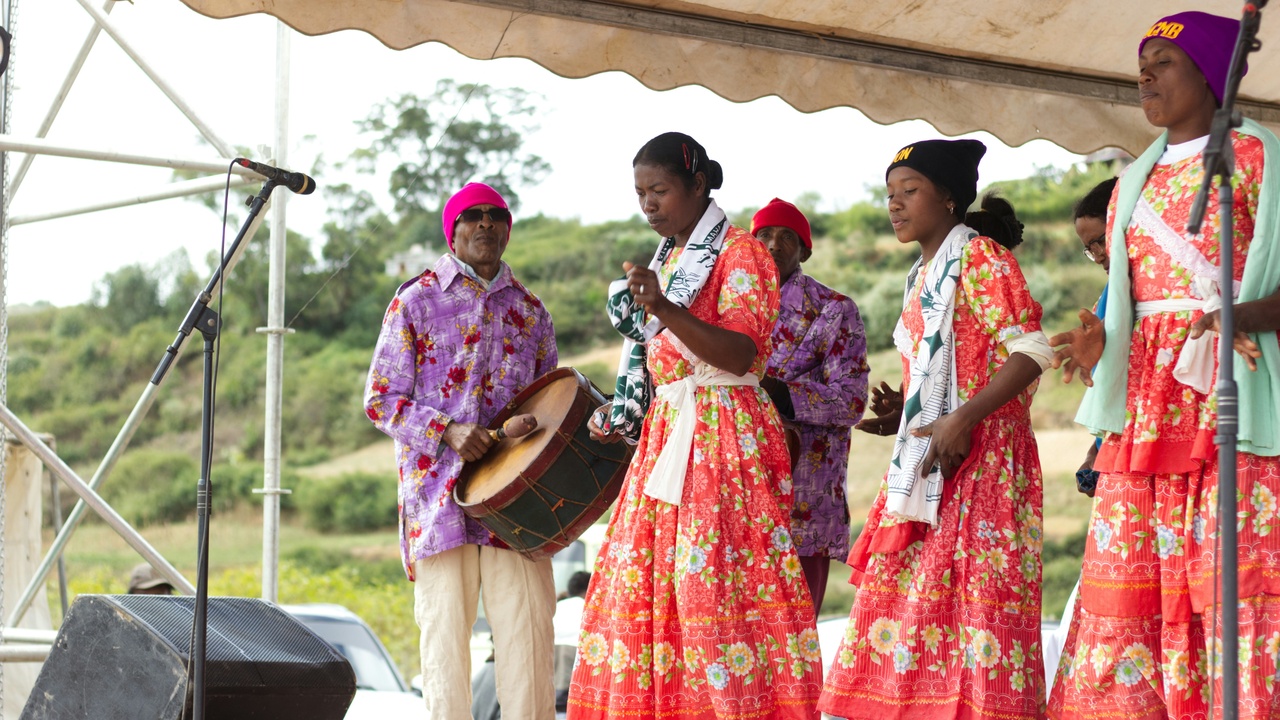
Family and community networks form the backbone of Malagasy society.
Madagascar counts about 18 main ethnic groups and roughly 29 million people (2023 estimate), so informal social ties matter for scale and survival.
The next four items describe customs that organize kinship, rites of passage, and social obligations.
1. Fihavanana — Community Solidarity and Kinship
Fihavanana names a core Malagasy ethic of kinship, solidarity, and reciprocal obligation.
Ethnographers describe it as a moral code that governs labor exchanges, hospitality, and dispute resolution.
On the ground this looks like neighbors forming rice-planting crews, the fokonolona village assemblies handling local decisions, and families sending informal remittances to relatives in town.
Fihavanana strengthens resilience after storms and guides migration choices as people move to Antananarivo or coastal towns.
2. Famadihana — The ‘Turning of the Bones’ Funeral Rite
Famadihana is a periodic reburial ceremony in which families exhume, rewrap, and celebrate deceased ancestors.
It typically recurs every 5–7 years, depending on family custom, and combines music, dancing, and feasting to reaffirm lineage ties.
Highland groups such as the Merina and Betsileo commonly hold famadihana near Antananarivo and Fianarantsoa.
The ritual also shapes local economies through demand for new shrouds, rice, and zebu, and it has attracted tourists and press coverage that spark debates about cost and public health.
3. Zebu and Cattle Rituals — Economic and Symbolic Value
Zebu are both currency and cultural symbol across Madagascar.
Major cattle markets such as Ambalavao and Ihosy can host thousands of head on market days, making zebu a visible measure of wealth.
Zebu are used as bridewealth, funerary payments, and public status displays, and control of herds affects household security and local politics.
That importance brings trade-offs: overgrazing, periodic cattle raids, and tensions over pasture access shape local policy discussions.
4. Marriage Customs — Dowry, Kinship, and Regional Variation
Marriage practices vary but often involve negotiated transfers of goods, extended-family bargaining, and public ceremonies.
Dowry or bridewealth can include zebu, rice, and cash; Merina and Betsileo weddings emphasize formal kin negotiation, while coastal groups may have different emphases.
In many rural areas a typical dowry package might combine several zebu with sacks of rice and household goods, while urban couples increasingly substitute cash for livestock.
Marriage therefore ties property, land access, and social obligations together across generations.
Rituals and Spiritual Traditions
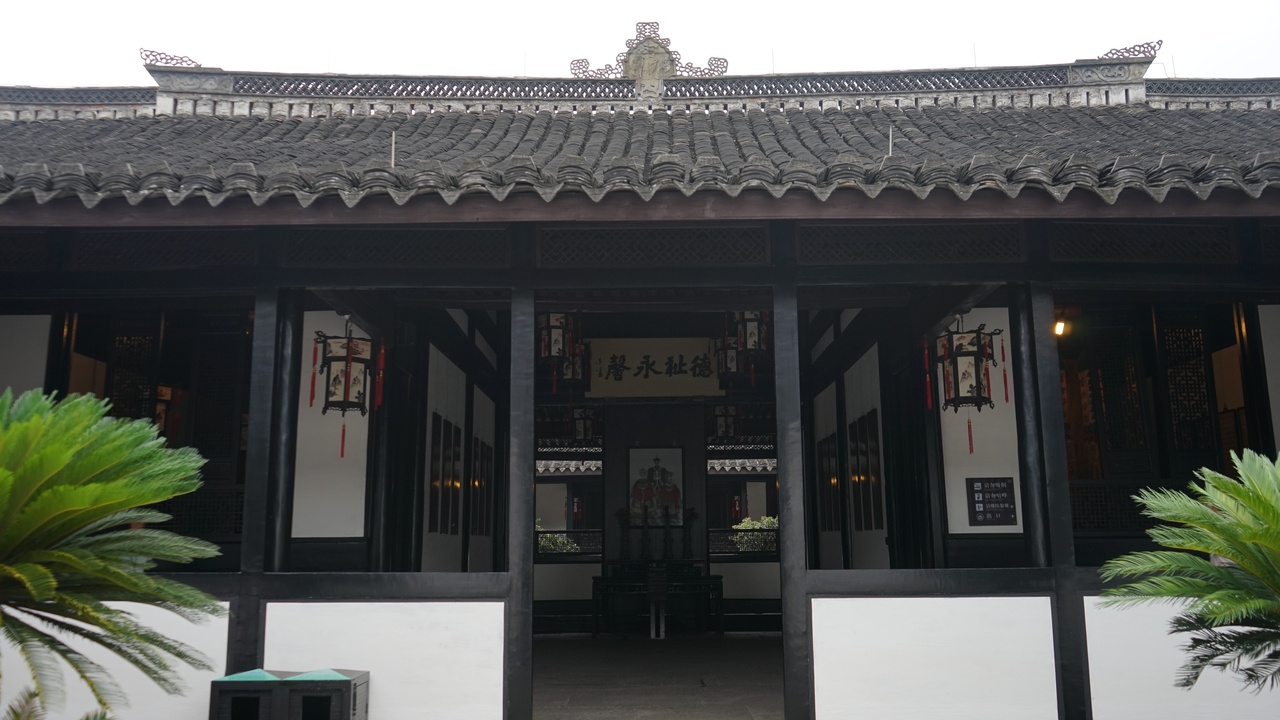
Spiritual life and ritual tie Malagasy people to ancestors and place.
Ambohimanga, a royal hill outside Antananarivo, illustrates the link between sacred sites and national identity (UNESCO World Heritage, 2001).
The next three traditions show different ways communities engage with the spirit world and fate.
5. Ancestor Veneration and Sacred Tombs
Respect for the razana (ancestors) guides household decisions, land claims, and moral expectations.
Tombs—trano fasan-drazana—are visible and often maintained as family responsibilities, linking living kin to past leaders.
Ambohimanga (UNESCO, 2001) is a prominent royal example, and many households mark tomb anniversaries with offerings and visits.
Tomb maintenance reinforces lineage authority and can support legal claims to family land in rural communities.
6. Tromba — Spirit Possession and Mediumship
Tromba is a coastal tradition in which mediums become vessels for ancestral or chieftain spirits.
During tromba ceremonies a medium may speak, dance, or perform acts attributed to a specific ancestor and offer healing or advice.
Communities use tromba to resolve disputes, guide decisions, and provide healing, and the practice has adapted alongside Christianity and Islam.
7. Sikidy — Traditional Divination and Decision-Making
Sikidy is a seed-based divination system used to answer questions about planting, marriage, travel, and health.
Practitioners arrange seeds or small objects into patterns whose meanings are well established and transmitted within families of specialists.
Farmers may consult sikidy before sowing, families before scheduling a famadihana, and leaders before important agreements, letting symbolic readings guide timing and choice.
Cultural Arts, Crafts, and Seasonal Celebrations
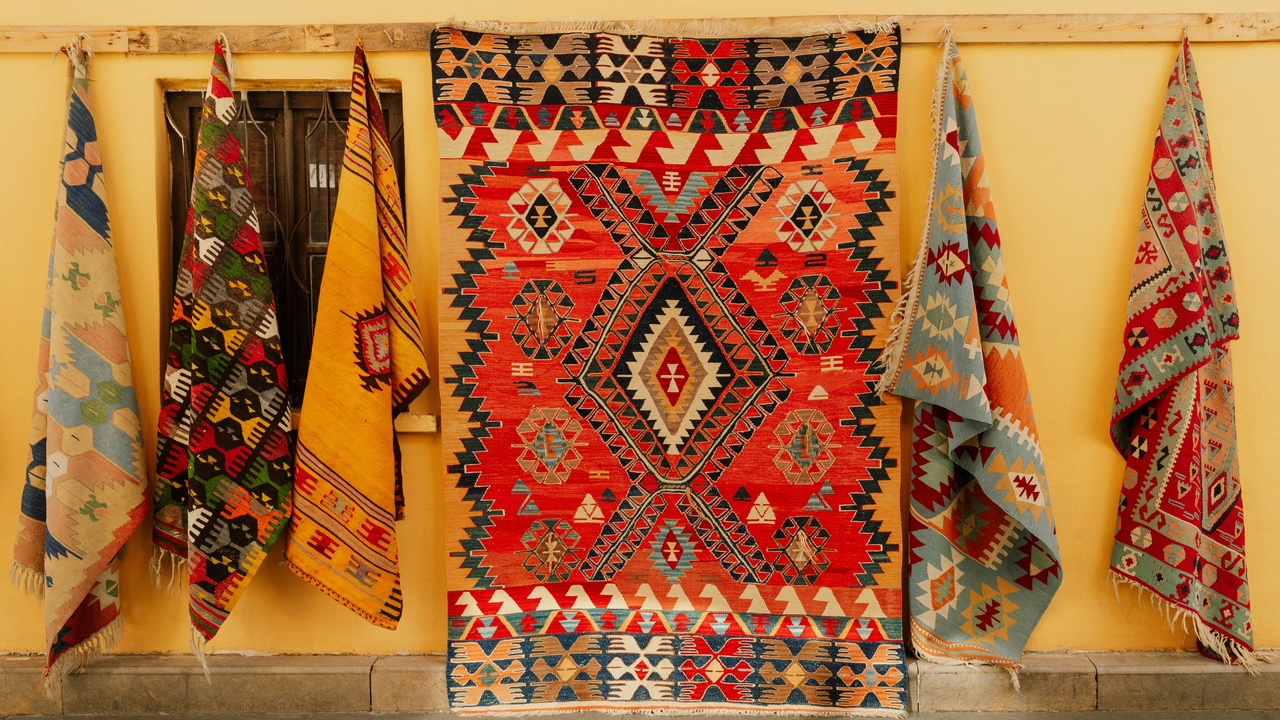
Artistic traditions keep history and values alive while supporting livelihoods and tourism.
These traditions in Madagascar draw global interest for textiles, music, and oral literature.
The next three items cover oral poetry, textile crafts, and public festivals.
8. Hainteny and Oral Poetry — Storytelling as Cultural Memory
Hainteny is a traditional Malagasy form of oral poetry that preserves history, moral lessons, and social codes.
Themes often include love, honor, and land, and performances occur at weddings, courtship rituals, and political gatherings.
Famous lines and poets circulate by memory, and contemporary musicians sample hainteny to connect modern audiences with older forms.
Hainteny therefore acts as both entertainment and a living archive transmitted across generations.
9. Lamba and Textile Traditions — Weaving, Dyeing, and Dress
The lamba, a traditional cloth, signals status, identity, and ritual meaning across Madagascar.
Techniques include hand-weaving, patterned motifs, and natural dyeing, with regional styles such as Merina and Sakalava variants.
Artisan cooperatives in Antananarivo and Fianarantsoa sell to local markets and visiting buyers, and some designers now bring lamba patterns into international fashion.
Lamba remain essential at famadihana, weddings, and official ceremonies and provide important income for weavers and dyers.
10. Festivals and National Celebrations — From Donia to Independence Day
Public festivals blend pre-colonial customs with modern civic identity and boost local economies.
Independence Day (June 26, 1960) is a national marker, while music and arts festivals like the Donia Festival (Nosy Be) attract regional audiences.
Hiragasy traveling theater and regional fairs showcase oral performance, crafts, and food, offering vendors and performers income and exposure.
Festivals therefore serve as sites where heritage is performed, sold, and reimagined for new generations and visitors.
Summary
- Traditions connect present communities to ancestors and land, shaping identity through practices such as famadihana and tomb upkeep.
- Social customs like fihavanana organize mutual aid, labor sharing, and local governance, helping communities respond to shocks.
- Material culture — lamba weaving, zebu ceremonies, and hainteny performance — supports livelihoods and draws cultural tourism while evolving with modern tastes.
- Rituals and festivals (Ambohimanga, Donia, national holidays) face pressures from urbanization, tourism, and climate, yet many customs adapt and persist; support artisans and visit respectfully.