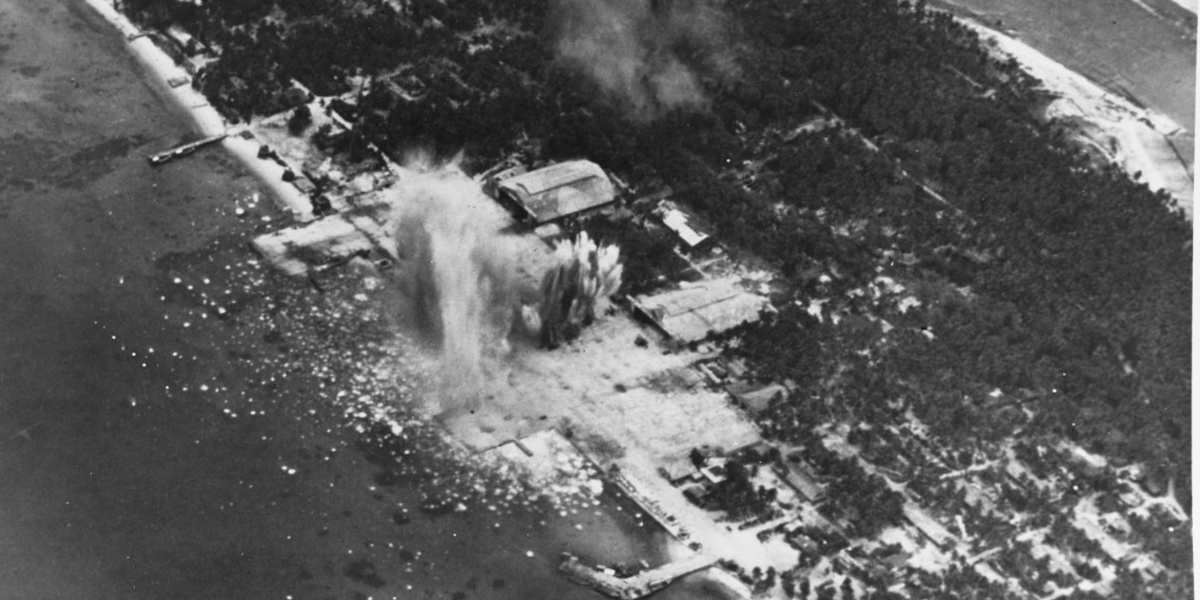
After World War II and a period of nuclear testing between 1946 and 1958, the Marshall Islands rebuilt itself into one of the Pacific’s most remote and compelling adventure destinations. The U.S. conducted 67 nuclear tests in the islands between 1946 and 1958, a fact that still shapes travel, access, and local memory—but it sits alongside an older story of skilled ocean voyaging and resilient island communities. That blend of deep history, sensational marine life, and extremely low-density tourism is why visitors come: clear lagoons and world-class wrecks meet living culture and quiet motu. Beyond their fraught past, these atolls offer hands-on adventures—from wreck diving and night mantas to homestays and motu camping—that reward travelers who plan carefully and travel responsibly. This guide lays out seven experience-driven options across lagoon, reef, and culture, grouped into three themes you can follow depending on your trip: sea and atoll adventures, historical and cultural exploration, and remote island wildlife and experiences.
Sea and Atoll Adventures
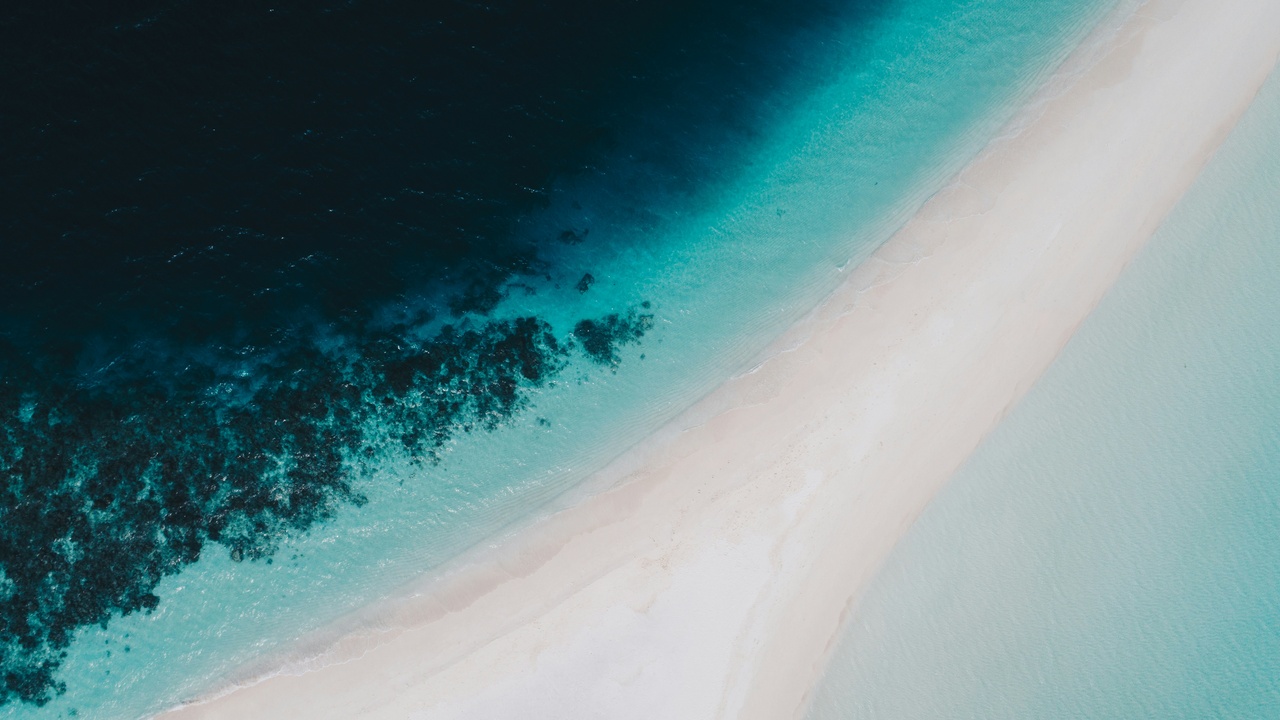
The lagoons and outer reef passes are the islands’ primary draw: warm, crystal-clear water, prolific fish life, and a handful of globally significant dive sites. Majuro and Kwajalein serve as the main transport hubs for most logistically complex trips, and liveaboards or charter operators run seasonal routes to outer atolls. If you’re assembling a shortlist of adventurous things to do in the marshall islands, start here—diving, night snorkeling, paddling, and short sailing hops are the most reliable ways to encounter big animals and dramatic seascapes. Permit rules vary: many outer atolls, especially those with historical wrecks, require local permission or guided access. For safety, book operators with a clean safety record, on-board oxygen, and clear emergency plans. Best seasons tend to be November–April for calmer seas and clearer visibility, though local microclimates matter; always check with operators before you go. Conserve what you visit: don’t touch coral or artifacts, follow guide directions, and respect restricted areas around sensitive sites.
1. Scuba dive the Bikini Atoll wrecks and nuclear-test relics
Scuba diving Bikini Atoll is a signature, bucket-list experience for experienced divers. Bikini was the site of Operation Crossroads in 1946 and later the massive Castle Bravo test in 1954; across the Marshall Islands a total of 67 U.S. nuclear tests between 1946 and 1958 shaped many of the atoll histories you’ll encounter. Today divers descend onto rusting ship hulks, twisted metal, and strangely sculpted coral growth where marine life has reclaimed wrecks. Visibility can be excellent and large reef fish and sharks patrol the wrecks, but many sites sit at depths that require advanced open-water or technical qualifications—expect depths ranging from 20m (65ft) to beyond recreational limits on some targets.
Practical tips: most Bikini trips run as 5–7 day liveaboard voyages out of Majuro, offering multiple dives a day with surface intervals onboard. Permits and clearance are mandatory; only licensed operators with prior arrangements can land on or dive many Bikini sites. Choose operators that provide emergency oxygen, have experienced divemasters familiar with the wreck layouts, and carry spare parts for surface support. As always, do not remove artifacts or disturb structural remains—these are historically significant sites and fragile marine habitats.
2. Night snorkels and manta encounters
Night snorkeling for plankton and manta rays delivers memorable, low-impact encounters. At night plankton concentrate in current lines and attract mantas that feed in the moonlit water; bioluminescent plankton can produce starlike glows around your hands and fins. Local guides report regular manta visits at certain outer atoll cleaning stations during specific months, so contact operators in Majuro or guesthouses on outer islands for up-to-date hotspot information.
Safety is paramount: stay with a guide, use high-quality lights, wear a flotation device if you’re in open water, and follow instructions about reef hooks or tethers where recommended. Photographers can capture dramatic silhouette shots of mantas against lit-up plankton, but always keep a respectful distance and never attempt to touch animals. These guided night swims are low-impact when done correctly and are often offered as single-night excursions from main hubs.
3. Kayak, SUP, or sail the inner lagoons
Calm, turquoise inner lagoons are perfect for stand-up paddleboarding, kayaking, and short sailing hops between islets. These trips are deceptively peaceful: paddlers glide past sea turtles, grazing surgeonfish, and shallow coral passages, and can land on tiny inhabited motu for a picnic or quick cultural visit. Tidal windows matter—shallow channels can be impassable at low tide—so use local guides who read currents and reef charts.
Try a half-day guided kayak from Majuro that visits two motu with a snorkeling stop and a picnic on the beach. Equipment is usually basic, but operators provide safety briefings, life vests, and optional guided snorkeling. Pack freshwater, sun protection, and reef-safe sunscreen, and leave no trace: avoid trampling reef flats and bring all trash back to the main island.
Historical and Cultural Exploration
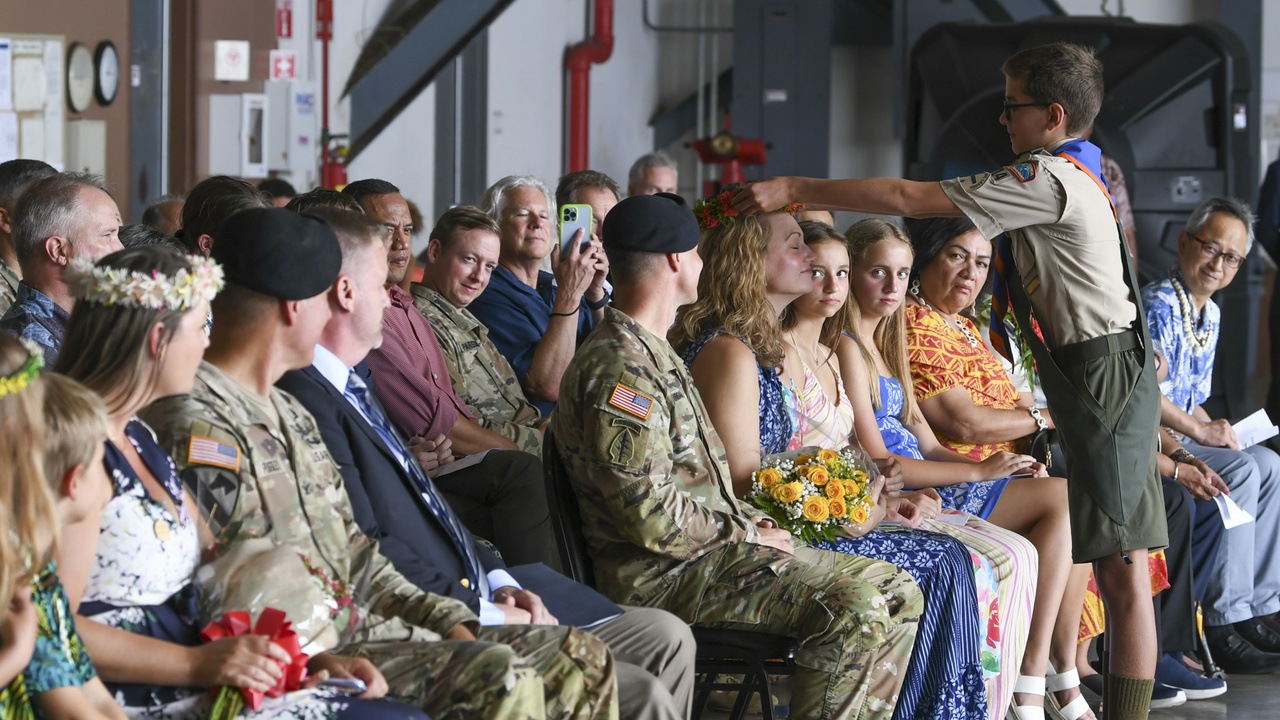
The Marshallese story combines ancient Pacific navigation, wartime battlegrounds, and the more recent nuclear testing era. The country consists of 29 coral atolls and 5 individual islands, with a population of roughly 59,000 people—small, dispersed communities where oral history and craftsmanship remain central. Cultural experiences here tend to be participatory: homestays, weaving workshops, and oral-history sessions let visitors support local economies while learning in a hands-on way. Always ask before photographing people, follow hosts’ directions, and approach historical sites with sensitivity—these are places of living memory as well as tourism.
4. Explore WWII sites and memorials (with access guidance)
The Marshalls were a major WWII theater; for example, U.S. forces fought the Battle of Kwajalein in February 1944 as they advanced across the central Pacific. Visitors can still see remnants: coastal gun emplacements, old airstrips, and wreckage on and around certain atolls. Access varies greatly—parts of Kwajalein Atoll are on U.S. military-controlled land and require specific base access or clearance, so those islands are not broadly available to independent travelers.
If you don’t have base access, alternatives include museum exhibits in Majuro (such as Alele Museum) and guided tours to permitted historic sites run by local operators. Local guides provide context, safety guidance, and the proper permissions for visiting fragile sites; they’re also the best route to hearing personal stories that bring wartime events to life without trespass or disrespect.
5. Cultural homestays, stick charts, and Marshallese navigation
Marshallese navigational heritage is a living tradition—the famous stick charts encoded ocean swell, island position, and wave behavior and were passed down through apprenticeship and oral teaching. Homestays or community-based tours often include demonstrations of stick charts, canoe handling, weaving classes, and shared meals featuring breadfruit, fresh fish, and coconut-based dishes.
A typical homestay might include a morning fishing trip with locals, an afternoon weaving lesson, and an evening conversation about navigation and history. Booking these experiences channels direct income to families and cultural groups and helps maintain these practices. Respect host rules, ask before you photograph, and consider visiting the Alele Museum in Majuro for broader historical context before going to outer atolls.
Remote Island Experiences and Wildlife
Outer atolls and tiny motu offer the kind of solitude that’s increasingly rare: expansive bird colonies, nesting sea turtles, and blue-water fishing grounds with very few other visitors. Logistically, these trips are heavier lifts—boat charters can require multiple travel days, and operators often schedule 2–4 day trips or longer to reach distant atolls. Costs and time increase with distance; some remote runs cover 80–200 nautical miles depending on the atoll you target, so plan accordingly and travel light but provision thoroughly.
Choose experienced captains and operators who follow local regulations and support conservation efforts. Bring water purification, sun protection, insect repellent, and emergency plans. Many remote motu are nesting beaches or sensitive bird colonies—follow posted rules, keep your distance, and consider donating time or funds to local conservation programs that monitor turtles and seabirds.
6. Go on a sportfishing charter for big-game species
The Marshalls are renowned among offshore anglers chasing marlin, yellowfin tuna, and wahoo. Charters vary from half-day excursions to multi-day offshore runs; a common option is a 1–3 day charter leaving Majuro that targets blue or stripe marlin and large yellowfin during peak season. Expect experienced crews, stand-up and trolling tackle, and trips that favor dawn-to-midday strikes when pelagic activity peaks.
Cost ranges depend on trip length and boat size—rough estimates fall in the $300–$1,000 per day band—so confirm rates with operators. Observe sustainable practices: follow local bag limits, use circle hooks where appropriate, and practice catch-and-release for protected or trophy species. Offshore weather can change quickly; pick a captain with solid local knowledge and well-maintained safety gear.
7. Camping and birdwatching on an outer motu
Camping on an uninhabited motu offers striking solitude and intimate wildlife encounters. Small atolls host seabird colonies—common species include noddies, terns, and frigatebirds—and many beaches are prime turtle-nesting sites. Nighttime lighting should be minimized during nesting season, and viewers should maintain respectful distances from birds and turtle tracks.
Practical tips: arrange transport with a trusted local boat operator, obtain permission from nearest island authorities, and bring at least 3–4 liters of water per person per day (plus food and mosquito protection). A common itinerary fragment is an overnight motu camp with dawn birdwatching and a guided beach walk to search for turtle tracks and nesting evidence. Pack out all waste, avoid disturbing nesting zones, and coordinate with local conservation groups when possible to ensure your visit supports, rather than stresses, fragile ecosystems.
Summary
- Sea and atoll adventures—wreck diving, night manta swims, and lagoon paddles—are the clearest draws, but many outer sites require permits and experienced operators.
- The islands’ layered past (Battle of Kwajalein, February 1944; 67 U.S. nuclear tests between 1946 and 1958) gives depth to visits and calls for respectful site practices and guided interpretation.
- Community-based cultural experiences—homestays, stick-chart demonstrations, and Alele Museum visits—support local economies and preserve traditions.
- Remote motu camping, seabird colonies, and sportfishing demand careful provisioning, multi-day charters, and conservation-minded behavior.
- Plan thoughtfully, book local guides, check permits and seasons, and prioritize responsible choices when picking adventurous things to do in the marshall islands.