Denmark’s speech varies more than many visitors expect: island, coastal and inland communities have kept distinctive sounds, words and rhythms shaped by history and geography. Towns and farms, ferries and border zones each add a local twist to how Danish is spoken today.
There are 15 Dialects in Denmark, ranging from Bornholm (Bornholmsk) to Ærø (Ærøsk). For each entry you’ll find below the basic classification and quick notes — Region(s),Notable features,Vitality/status — so you can see where a variety is spoken, what sets it apart and how actively it’s used, and you’ll find below.
How different are these dialects from standard Danish?
Differences are mainly in pronunciation and local vocabulary: some dialects sound only like strong accents to other Danes, while island or border varieties can have distinct vowels, consonant patterns or archaic words that slow mutual understanding. Standard Danish remains the common norm, but older speakers and rural communities often preserve the clearest dialectal features.
Are any of these dialects at risk, and what’s being done?
Yes—smaller island and rural dialects face decline as younger people adopt standard Danish, but documentation projects, local cultural groups, school programs and recorded archives aim to preserve pronunciation and vocabulary, and some communities promote dialect use at events and in media to keep traditions alive.
Dialects in Denmark
| Dialect | Region(s) | Notable features | Vitality/status |
|---|---|---|---|
| South Jutlandic (Sønderjysk) | Southern Jutland (Sønderjylland), along German border | Vowel shifts, consonant weakening, German loanwords | Declining, strongest among older rural speakers |
| West Jutlandic (Vestjysk) | Western Jutland coast and interior (Vestjylland) | Monophthongization, guttural R, consonant loss | Widespread in rural areas, declining in towns |
| East Jutlandic (Østjysk) | Central and eastern Jutland including Aarhus area | Pitch patterns, reduced stød, vowel raising | Widespread; strong regional presence in inland towns |
| North Jutlandic (Nordjysk) | Northern Jutland peninsula and islands | Diphthongs, palatalization, distinctive intonation | Widespread regionally; persists in rural communities |
| Vendsyssel (Vendsysselsk) | Vendsyssel (northern tip of Jutland) | Strong palatalization, unique vowel qualities | Relatively strong locally; declining among youth |
| Copenhagen (Københavnsk) | Capital city Copenhagen and suburbs | Stød patterns, glottal features, urban slang influence | Widespread urban variety; influential nationally |
| Zealandic (Sjællandsk) | Island of Zealand (Sjælland) excluding Copenhagen | Open vowels, melodic intonation, local lexicon | Widespread across rural Zealand; some decline in cities |
| North Zealandic (Nordsjællandsk) | Northern Zealand, coastal towns and resort areas | Conservative vowels, distinct intonation | Relatively stable in local communities |
| South Zealandic (Sydsjællandsk) | Southern Zealand and islands nearby | Vowel lowering, archipelagic lexical items | Declining; older rural speakers most fluent |
| Funen (Fynsk) | Island of Funen (Fyn) and nearby islets | Stød variation, softened consonants, unique words | Widespread regionally; traditions persist in villages |
| Lolland-Falster (Lolland-Falstersk) | Islands of Lolland and Falster, southern Zealand fringe | Distinct vowel quality, island lexicon | Declining; strongest among older islanders |
| Møn (Mønsk) | Island of Møn | Conservative rural features, distinct local vocabulary | Moribund to declining; few older fluent speakers |
| Ærø (Ærøsk) | Island of Ærø (South Funen archipelago) | Palatalization, vowel changes, unique idioms | Declining; strong community pride keeps it alive |
| Samsø (Samsødialekt) | Island of Samsø | Rural phonetic traits, local vocabulary | Moribund; few native speakers remain |
| Bornholm (Bornholmsk) | Bornholm island in the Baltic Sea | Strongly distinct vowels, archaic features, lexical archaisms | Moribund to declining; prized cultural heritage |
Images and Descriptions

South Jutlandic (Sønderjysk)
Spoken in Denmark’s southernmost mainland, South Jutlandic shows distinctive vowel changes, reduced stød and German-influenced vocabulary. Important historically and culturally, it is increasingly replaced by regional standard Danish among younger generations.
West Jutlandic (Vestjysk)
Found across much of western Jutland, this broad group features monophthongized vowels, a back/guttural r, and consonant reduction. It shapes local identity but is receding toward regional Danish, especially in urbanized zones.
East Jutlandic (Østjysk)
Spoken from Aarhus down toward southern Jutland, East Jutlandic shows different intonation, vowel raising and reduced stød. It blends rural traits with urban speech and is a major regional variety heard on radio and locally.
North Jutlandic (Nordjysk)
North Jutlandic covers the far north of Jutland with notable diphthongs, palatal sounds and lively intonation. It remains robust in small towns and countryside, though younger speakers often adopt more standard features.
Vendsyssel (Vendsysselsk)
A northerly North Jutland variety, Vendsyssel has pronounced palatal consonants and distinct vowel colors. It is highly recognizable locally and maintains vitality in rural areas, though urban influence is growing.
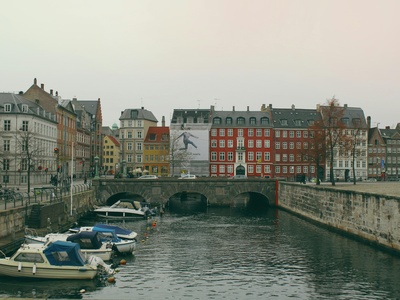
Copenhagen (Københavnsk)
Copenhagen Danish is the urban speech of the capital with characteristic stød realization, certain vowel qualities and rapid speech patterns. It’s influential in media and education while continuing to evolve with youth slang and multicultural contact.
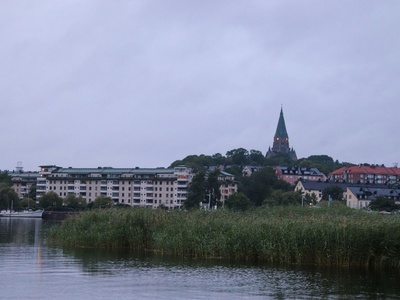
Zealandic (Sjællandsk)
Spoken across Zealand’s rural and small-town areas, Zealandic features more open vowels and a distinctive melodic intonation. It contributes to regional identity and contrasts with Copenhagen’s urban speech.
North Zealandic (Nordsjællandsk)
North Zealandic, heard in coastal towns and affluent suburbs, preserves older vowel patterns and particular intonation. It remains fairly stable locally, especially in smaller communities removed from central Copenhagen influence.
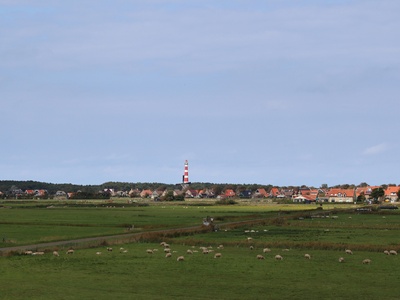
South Zealandic (Sydsjællandsk)
Spoken in southern parts of Zealand, this variety shows vowel lowering and island-influenced vocabulary. It is most common among older rural residents and is gradually diluted by standard Danish in towns.
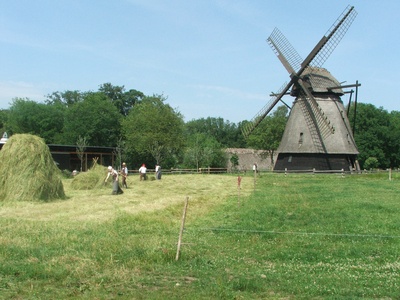
Funen (Fynsk)
Fynsk is the island dialect of Funen with variable stød, softened consonants and a rich local vocabulary. It remains audible in small towns and countryside and is important for regional cultural identity.
Lolland-Falster (Lolland-Falstersk)
Spoken on Lolland and Falster, this dialect features particular vowel colors and island-specific words. Its maritime and agricultural heritage surfaces in vocabulary, though younger speakers favor regional standard Danish.
Møn (Mønsk)
Mønsk is a small-island variety with conservative rural pronunciations and local lexical items tied to island life. It is now rare, surviving mainly among older residents and in folklore records.
Ærø (Ærøsk)
Ærøsk has distinctive palatal sounds and vowel shifts, with colorful island idioms. Though usage is declining, strong local identity supports its recognition in cultural events and oral memory.
Samsø (Samsødialekt)
The Samsø dialect preserves old rural phonetic traits and island vocabulary tied to farming and fishing. It survives in a limited number of older speakers and in community memory, recorded in local studies.
Bornholm (Bornholmsk)
Bornholmsk is markedly different from mainland Danish, with archaic phonology and unique words. It is culturally important and heavily documented, but everyday use has declined sharply among younger generations.