Ireland’s linguistic history in Ireland is layered: coastal trade, colonial courts, and rural dialects have left a patchwork of tongues that tell stories about movement, identity and daily life across the island. Old place-names, legal records and family memories still point to languages that once shaped communities.
There are 15 Indigenous Languages in Ireland, ranging from Anglo-Norman (Hiberno-Norman French) to Yola; for each entry the information is presented as Status,Speakers (est.),Region — you’ll find below.
Are all of these languages still spoken today?
No — the list includes living, endangered and extinct varieties. A few have small speaker communities or active revival efforts, many survive only in historical records, and others persist in regional features or loanwords rather than fluent speakers.
How accurate are the speaker estimates and where do they come from?
Estimates combine census data, academic studies and community surveys, so they vary in precision; where possible the list flags recent research and notes higher uncertainty for languages with few speakers or sparse documentation.
Indigenous Languages in Ireland
| Name | Status | Speakers (est.) | Region |
|---|---|---|---|
| Irish (Gaeilge) | Extant | 1,770,000 | All Ireland; Gaeltacht counties Cork, Kerry, Donegal, Galway |
| Munster Irish | Endangered | 28,000 | Counties Cork, Kerry, Waterford (Munster Gaeltacht) |
| Connacht Irish | Endangered | 40,000 | Counties Galway, Mayo, Roscommon (Connemara, Mayo Gaeltacht) |
| Ulster Irish | Endangered | 18,000 | County Donegal and parts of Ulster |
| Ulster Scots | Endangered | 50,000 | Ulster (Northern Ireland) and border counties |
| Irish Sign Language (ISL) | Extant | 5,000 | Nationwide; Deaf communities in Dublin, Cork, Belfast |
| Shelta | Endangered | 10,000 | Traveller communities across Ireland, urban centers Dublin and Cork |
| Old Irish | Extinct | 0 | All Ireland (6th–10th centuries) |
| Middle Irish | Extinct | 0 | All Ireland and Gaelic Scotland (10th–13th centuries) |
| Early Modern Irish (Classical Gaelic) | Extinct | 0 | Pan-Gaelic across Ireland and Scotland (14th–18th c.) |
| Old Norse (Norse-Gaelic/Dublin Norse) | Extinct | 0 | Viking towns: Dublin, Wexford, Waterford, Limerick |
| Anglo-Norman (Hiberno-Norman French) | Extinct | 0 | Norman settlements across Ireland from 12th century |
| Yola | Extinct | 0 | County Wexford (Forth and Bargy) |
| Fingallian | Extinct | 0 | Fingal (north County Dublin) |
| Leinster Irish (historical) | Extinct | 0 | Leinster province, including historical Dublin |
Images and Descriptions
Irish (Gaeilge)
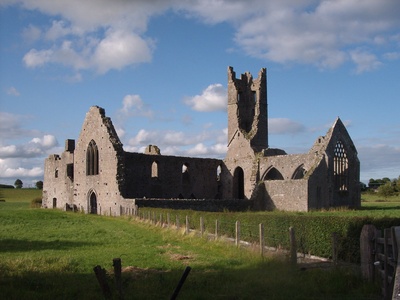
The native Celtic language of Ireland, descended from Old Irish. Spoken and taught nationwide, strongest in Gaeltacht areas. Official language with 1.77 million who report ability; daily native speakers form smaller community concentrated in regional strongholds.

Munster Irish
Southern Irish dialect with distinct pronunciation and vocabulary. Traditionally spoken in Kerry, Cork and Waterford Gaeltachts; retains conservative features. Today it’s endangered but still used by community speakers and in local schools and cultural life.
Connacht Irish
Connacht Irish centers on Connemara and Mayo; largest modern Gaeltacht dialect with strong literary and community presence. Endangered by English pressures but still vibrant in many rural communities and promoted in education and media.
Ulster Irish
The Ulster (Donegal) variety preserves older phonology and unique vocabulary. Concentrated in northwest Donegal, it’s endangered with fewer speakers but has high cultural visibility and influence in traditional music and literature.
Ulster Scots
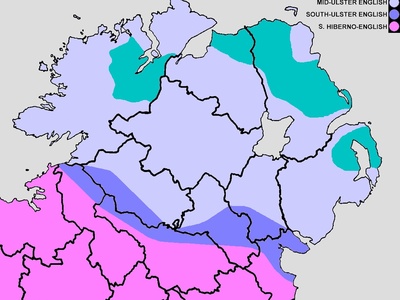
A Scots-origin Lowland dialect with centuries-long presence in Ulster, shaped by Scottish settlers. Recognized as a regional minority language, it survives in rural speech, folklore and some broadcasting but faces decline.
Irish Sign Language (ISL)
A natural sign language used by the Deaf community across Ireland with its own grammar distinct from spoken Irish or English. Recognized legally, ISL has a few thousand users and active advocacy, education, and cultural networks.
Shelta
A secretive mixed cant used by Irish Traveller communities, blending Gaelic, English and Romani elements. Traditionally transmitted within Traveller families, Shelta is endangered but continues as an important marker of Traveller identity and oral culture.
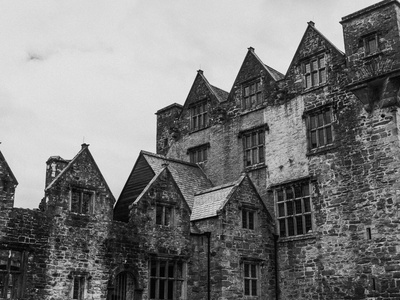
Old Irish
Earliest attested stage of the Gaelic language (6th–10th centuries), used in ogham inscriptions, manuscripts and poetry. Foundational to later Irish and Scottish Gaelic, Old Irish is extinct as a spoken mother tongue but crucial to linguistic history.
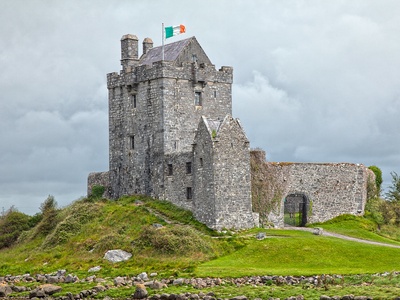
Middle Irish
Medieval stage (10th–13th centuries) that developed from Old Irish and served as a common literary and legal language across Ireland and parts of Scotland. Extinct as a native speech but central to medieval Irish literature studies.
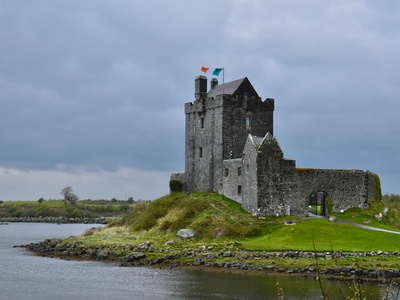
Early Modern Irish (Classical Gaelic)
A pan‑Gaelic literary standard of the late medieval and early modern periods used by poets and scholars across Ireland and Scotland. It shaped modern Irish but is no longer a native spoken variety.
Old Norse (Norse-Gaelic/Dublin Norse)
Norse of Viking settlers fused with Gaelic in coastal Irish towns like Dublin, Waterford and Wexford. Once spoken by Norse‑Gaels and urban communities, it died out as settlers assimilated into Gaelic culture.
Anglo-Norman (Hiberno-Norman French)
Norman French introduced by 12th‑century settlers, evolving into Hiberno‑Norman varieties used natively for centuries by ruling elites and townsfolk. Gradually replaced by English and Irish; extinct as a community language.
Yola
A distinct Anglic language once spoken in Wexford’s Forth and Bargy baronies, arising from Middle English and Norman influences. Yola survived into the 19th century before fading; it’s now extinct but well-documented by folklorists.
Fingallian
An Anglo-Norman/English-derived vernacular once used around Fingal north of Dublin, blending Old English, Norse and Gaelic features. It survived into the early modern era but became extinct as local speech shifted to English.
Leinster Irish (historical)
The historical Leinster dialect of Irish once common in eastern Ireland including parts of Dublin. Largely replaced by English during early modern times, its features survive in literature and some modern dialectal traces.