Ireland’s cultural map is shaped by centuries of movement, settlement and local traditions, so understanding ethnic groups helps explain language pockets, family names and regional customs across the island. From urban neighborhoods to rural parishes, those identities are part of everyday life and historical narratives.
There are 18 Ireland Ethnic Groups, ranging from Anglo-Irish (Protestant Ascendancy) to Ulster Scots (Scots-Irish). The list is organized with Population (est.),Recognition,Region concentration so you can quickly compare estimated size, status and where each group is most commonly found — for each group you’ll find below.
How current are the population estimates for these groups?
Population figures combine recent census data where available with academic and community estimates; some smaller or mixed-identity groups are harder to quantify, so dates and methodologies vary slightly by entry — check the notes under each group for the source and year.
What does “recognition” mean in this list?
“Recognition” refers to how the group is identified socially or legally—examples include formal minority status, cultural recognition, or common public acknowledgment—and is meant to capture official designation and common usage rather than a single legal definition.
Ireland Ethnic Groups
| Name | Population (est.) | Recognition | Region concentration |
|---|---|---|---|
| Gaelic Irish | 3,800,000 (2022 est.) | Majority ethnic group; census “White Irish” | Nationwide, Gaeltacht regions in west |
| Irish Traveller | 34,000 (2022 est.) | Recognised ethnic group by Irish Government (2017) | Nationwide; Dublin, Cork, Limerick, caravan sites |
| Ulster Scots (Scots-Irish) | 300,000 (est., descendants) | Cultural community; not a separate census ethnicity | Northern Ireland, Co. Antrim, Co. Down, Co. Derry |
| Hiberno-Norman (Norman Irish) | 100,000+ (descendants est.) | Historical community; not separate census | Originally east and south; Dublin, Wexford |
| Norse / Viking settlers | Historical (no modern census figure) | Historical group; not separate census | Coastal towns: Dublin, Waterford, Wexford, Limerick |
| Anglo-Irish (Protestant Ascendancy) | 20,000 (descendants est.) | Historical social-ethnic group; not separate census | Dublin, major estates across Leinster, Munster |
| Scottish settlers | 250,000 (descendants est.) | Significant descendant community; not separate census | Ulster, especially Antrim, North Down |
| English settlers | 200,000 (descendants est.) | Historically prominent; not separate census | Leinster, Dublin, plantation areas |
| Jewish | 2,500 (2022 est.) | Recognised minority; recorded in census | Dublin, Belfast, Cork |
| Roma | 4,000 (est., 2016–2022) | Recognised by equality bodies; census reporting varies | Dublin and urban areas |
| Chinese | 23,000 (2022 est.) | Recorded in census as nationality/ethnic background | Dublin, Cork, Limerick, university towns |
| Indian (South Asian) | 35,000 (2022 est.) | Recorded in census; growing community | Dublin, Cork, midlands, healthcare hubs |
| Pakistani | 20,000 (2022 est.) | Recorded in census; recognised cultural community | Dublin, Belfast, Louth, urban centers |
| Filipino | 15,000 (2022 est.) | Recorded in census; notable migrant community | Dublin, hospitals and care sectors nationwide |
| Polish | 90,000 (2022 est.) | Large immigrant community; recorded by nationality | Dublin, Kildare, Midlands, construction areas |
| Lithuanian | 30,000 (2022 est.) | Significant migrant community; recorded by nationality | Dublin, west and midlands towns |
| Black African (incl. Nigerian) | 70,000 (2022 est.) | Recorded in census as “Black or Black Irish” | Dublin, Cork, Limerick, immigrant hubs |
| Irish people of mixed or multiple backgrounds | Varied; growing (2022 est.) | Recorded in census as mixed ethnicity category | Mainly urban centres |
Images and Descriptions
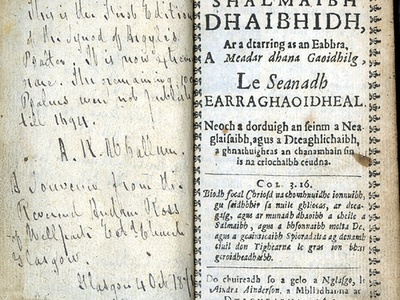
Gaelic Irish
Indigenous Gaelic people of Ireland with Celtic language and cultural roots; dominant ethnic group since medieval times, characterized by Irish language, traditional music, folklore and rural and urban community traditions.

Irish Traveller
Distinct itinerant ethnic group with their own language (Shelta), customs and kinship structures; long-standing presence in Ireland with unique crafts, social systems and advocacy for recognised minority rights.
Ulster Scots (Scots-Irish)
Descendants of 16th–17th century Scottish settlers in Ulster, Protestant cultural traditions, Scots language influence, and strong presence in Northern Ireland’s cultural and political life.
Hiberno-Norman (Norman Irish)
Descendants of 12th-century Norman settlers who blended with Gaelic society, founding towns and families; left lasting place names, architecture and feudal landholding traditions.
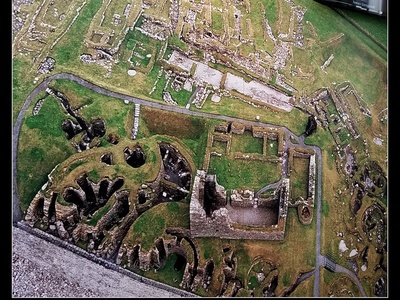
Norse / Viking settlers
Medieval Scandinavian settlers who founded major coastal towns and trading networks in the 9th–11th centuries; assimilated into Gaelic society but left archaeological and place-name legacies.
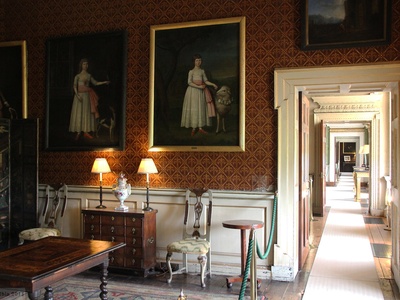
Anglo-Irish (Protestant Ascendancy)
Historically elite English-origin Protestant landowning class from 17th–19th centuries; developed distinct culture, political influence and Anglo-Irish literature, with many descendants assimilated today.
Scottish settlers
Settlers from Lowland Scotland across several centuries, notably during Plantation of Ulster; contributed to local dialects, Presbyterianism, farming and urban communities.
English settlers
Successive waves of English settlers since medieval times shaped administration, law and landholding; descendants integrated into Irish society but retain historical cultural imprint.
Jewish
Small Jewish community established in 17th–19th centuries with synagogues and businesses; concentrated in cities, contributing to commerce, arts and cultural life while maintaining religious and cultural traditions.
Roma
Roma communities trace origins to Central/Eastern Europe with distinct language and cultural traditions; present in Ireland as a small, marginalized minority with growing civil-society visibility.
Chinese
Primarily Han Chinese immigrants and descendants from mainland China and Hong Kong, active in small business, education and hospitality; visible urban communities and cultural organizations.
Indian (South Asian)
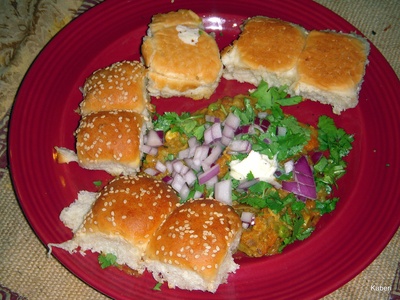
Ethnically diverse South Asian community including Indian nationals and diaspora; many work in IT, healthcare and academia, bringing languages, cuisine and festivals like Diwali to Ireland.
Pakistani
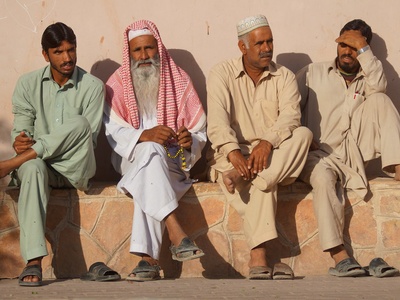
Pakistani-origin community with roots from several regions of Pakistan; notable presence in small business, trades and professional sectors, maintaining cultural and religious practices.
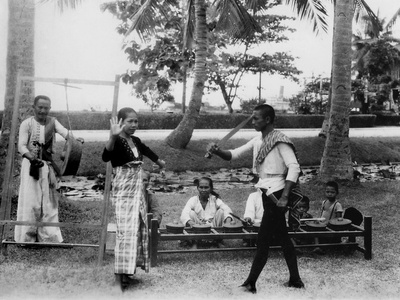
Filipino
Filipino migrant community grew through healthcare and domestic work migration; strong networks, Catholic faith links and cultural associations, visible in health and eldercare sectors.
Polish
Largest recent immigrant group since EU expansion, largely Polish-speaking Catholics with active businesses, cultural groups and schools; significant impact on labor market and multicultural life.
Lithuanian
Lithuanian immigrant community established after EU accession, active in construction, services and farming; maintains language, festivals and community organizations.
Black African (incl. Nigerian)
Diverse communities from West, East and Central Africa with growing second-generation populations; active in entrepreneurship, arts and faith communities, contributing to multicultural urban life.
Irish people of mixed or multiple backgrounds
People with mixed ethnic heritages (e.g., Irish–African, Irish–Asian) increasingly common; reflect recent immigration, intermarriage and evolving multicultural identities across Ireland.