Togo became an independent nation on April 27, 1960, a small West African country whose coastline and cultures belie a layered history and surprising international footprint. With a population of roughly 8.6 million people and just about 56 km of coastline, Togo packs beaches, hills, lakes, markets and a strategic port into a compact space. If you’ve ever asked what is togo known for, this guide walks through seven clear strengths across three categories: Natural & tourism, Culture & society, and Economy & history. Read on for traveler-ready details, concrete examples and dates—places to visit in Lomé and Kpalimé, sights like Mount Agou (986 m), and why the Port of Lomé matters beyond the capital.
Natural wonders and coastal tourism
Togo’s natural attractions are tight in distance but rich in variety: a short Atlantic coast, inland lagoons and a hilly interior. These features support fishing, small-scale tourism and day trips that are easy from Lomé or Kpalimé.
1. White-sand beaches and a short but scenic coastline
Togo’s coastline measures about 56 km, and it punches above its weight for sun-and-sea tourism. Lomé’s city beach is the main hub: vendors, weekend crowds and seafood stalls make it lively while nearby Aného offers a quieter coastal town atmosphere.
Beaches support local fishing and informal hospitality; many families earn income from selling grilled fish, renting chairs or offering simple guesthouse rooms. The dry season, roughly November through March, is typically the best time for beach visits and clearer waters.
2. Lake Togo and inland lagoons
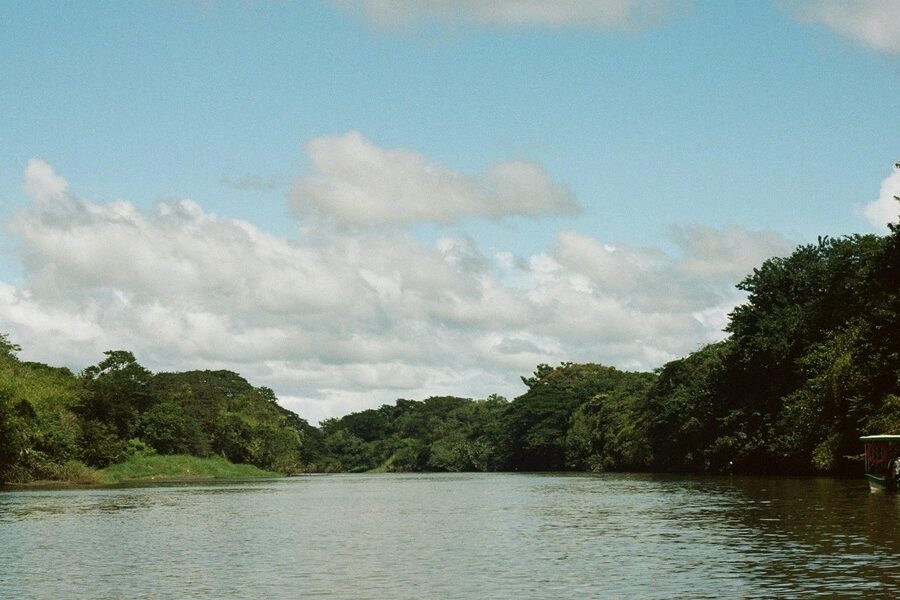
Lake Togo is a calm inland waterway and cultural crossroads used for fishing, pirogue transport and birdwatching. The lakes and connected lagoons form important freshwater and brackish ecosystems that locals depend on for food and movement.
Togoville, on the lake’s shore, is known for colonial-era architecture and traditional shrines; small operators run boat trips to stilt villages and sacred sites. Day trips from Lomé often include canoe rides, market stops and chances to see migrant and resident birds.
3. Hills, waterfalls and Mount Agou (986 m)
The inland highlands around Kpalimé and Mount Agou (986 m) offer a cooler climate, waterfalls and forested trails. Kpalimé acts as a gateway for short treks, craft markets and visits to coffee and cocoa plantations.
Hikers can do day-walks to nearby falls and stay in small guesthouses run by local families. Plantation visits show how smallholders grow coffee and cocoa, and they provide income through guided walks and farm sales.
Culture, religion and the arts
Questions like what is togo known for often point to its vibrant cultural life: strong Ewe musical traditions, visible Vodun beliefs and active artisan communities. Music, markets and ritual practices shape daily routines and visitor experiences.
4. Rich Ewe traditions, music and dance
The Ewe ethnic group shapes much of southern Togo’s cultural life, especially music and dance. Agbadza drumming and polyrhythmic dances are staples at ceremonies, funerals and festivals.
Music pervades radio and street life; you’ll hear drums and highlife rhythms in Lomé’s markets and on community stages. Artists like King Mensah have helped bring Togolese sounds to regional audiences, while local troupes perform at festivals and public events.
5. Voodoo (Vodun) and traditional religion in everyday life
Vodun and other traditional religions remain visible and socially significant across Togo. Rituals, shrines and healing traditions coexist with Christianity and Islam in daily life and community ceremonies.
The Akodessawa Fetish Market in Lomé is a public cultural space where herbalists, craftsmen and ritual specialists sell objects, dried herbs and symbolic items. Visitors can observe market stalls, meet local healers and attend festivals without sensationalizing the practices.
Economy, trade and historical roles
Togo’s economic identity blends mineral exports, a strategic port and a colonial-era trading legacy that still influences logistics and urban life. The country is divided into 5 administrative regions and has served as a regional gateway since the mid-20th century.
6. Phosphate mining and mineral exports
Phosphate mining has been a long-standing pillar of Togo’s mineral economy and remains an important export commodity. Mining provides jobs in extraction and in the logistics chain that moves ore to coastal export facilities.
Phosphate shipments feed global fertilizer markets, so mining revenues and rail/road links directly affect port activity and local mining towns. Visitors to mining regions will notice export infrastructure and communities shaped by decades of mineral work.
7. Port of Lomé and Togo as a regional trading gateway
The Port of Lomé is one of West Africa’s deeper seaports and a key commercial hub for container handling and transshipment. Free-zone activity and container terminals attract regional business and logistics firms.
Port operations drive jobs in shipping, warehousing and trucking and provide services for neighboring countries. Day-to-day effects include busy container yards, freight companies in the city and a steady flow of imports and exports through Lomé.
Summary
- Togo’s compact geography holds big variety: about 56 km of coastline, Lake Togo and highlands with Mount Agou (986 m) for diverse tourism options.
- Deep-rooted cultural life—Ewe music and dance, public Vodun practice and lively markets like Akodessawa—shapes daily life and visitor experiences.
- Economically, phosphate mining and the Port of Lomé connect Togo to global fertilizer markets and regional trade; the country is organized into 5 regions and has been independent since April 27, 1960.
- Consider Lomé’s beaches and market, a boat trip on Lake Togo or a short trek from Kpalimé when planning a visit — each reveals a different side of what is togo known for.