Sri Lanka’s towns, coasts and highlands host a surprising variety of speech: coastal Tamil ports, upcountry Sinhala villages and mixed urban neighborhoods each shape how people speak. That local flavor shows up in pronunciation, vocabulary and everyday expressions across the island.
There are 25 Dialects in Sri Lanka, ranging from Batticaloa Tamil to Vanni Tamil. For each entry you’ll find below clear columns showing Base language, Region, Speakers/status so you can compare origins, geographic spread and current vitality at a glance — you’ll find below.
How different are these dialects from the standard languages spoken in Sri Lanka?
Many dialects are mutually intelligible with their standard counterparts but feature distinct pronunciation, regional vocabulary and idioms that can confuse outsiders; some show strong substrate or contact influences (for example, coastal Tamil varieties influenced by seafaring trade), so familiarity improves comprehension quickly.
Where does the information about each dialect come from and how reliable is it?
The listings synthesize linguistic surveys, census notes and regional studies; “Speakers/status” tags reflect whether a variety is widely spoken, limited to communities, or endangered, but for precise speaker counts you should consult the latest field studies or national language surveys.
Dialects in Sri Lanka
| Name | Base language | Region | Speakers/status |
|---|---|---|---|
| Kandyan Sinhala | Sinhala | Central Province (Kandy, Matale) | Regionally dominant; millions of speakers |
| Ruhuna Sinhala | Sinhala | Southern Province (Galle, Matara, Hambantota) | Regionally dominant; millions of speakers |
| Negombo Sinhala | Sinhala | Negombo (Gampaha District, Western Province) | Tens of thousands; common locally |
| Dumbara Sinhala | Sinhala | Central hills (Kandy Dumbara region) | Hundreds of thousands; regional |
| Uva Sinhala | Sinhala | Uva Province (Badulla, Monaragala) | Regional; common |
| Jaffna Tamil | Tamil | Jaffna Peninsula (Northern Province) | Hundreds of thousands; robust regional |
| Batticaloa Tamil | Tamil | Batticaloa District (Eastern Province) | Hundreds of thousands; vigorous |
| Trincomalee Tamil | Tamil | Trincomalee District (Eastern Province) | Tens to hundreds of thousands; regional |
| Colombo Tamil | Tamil | Colombo and Western Province urban areas | Hundreds of thousands; urban variety |
| Upcountry Tamil | Tamil | Central highlands (Nuwara Eliya, Hatton) | ~800,000; sizable |
| Negombo Tamil | Tamil | Negombo and west-coast fishing communities | Tens of thousands; local |
| Muslim Tamil | Tamil | Muslim-majority areas (Puttalam, Ampara, Trincomalee) | ~1,000,000; widely used among Moors |
| Sri Lankan English (SLE) | English | Nationwide; urban concentrations (Colombo, Kandy) | Millions of L2 users; national variety |
| Colombo English | English | Colombo metropolitan area | Hundreds of thousands; urban L1/L2 speakers |
| Educated Sri Lankan English (Acrolect) | English | Nationwide (educated urban speakers) | Tens to hundreds of thousands; higher socioeconomic |
| Plantation English | English | Central highlands (tea estate areas) | Tens of thousands; estate community variety |
| Sri Lankan Malay | Malay | Colombo, Eastern Province, Kandy pockets | ~40,000; vulnerable |
| Colombo Malay | Malay | Colombo metropolitan area | Thousands; urban creole variety |
| Jaffna Malay | Malay | Historically in Jaffna Peninsula; now sparse speakers | Endangered; very small speaker numbers |
| Ceylon Portuguese Creole | Portuguese-based creole | Coastal communities (Negombo, Batticaloa, Trincomalee, south coast) | Critically endangered; ~1,000 speakers |
| Kaffir Creole | Creole (Portuguese/African substrate) | Coastal pockets (Puttalam, Trincomalee historically) | Critically endangered; <100 speakers |
| Dambana Vedda | Vedda | Dambana (Mahiyangana area, Uva Province) | Hundreds; endangered |
| Eastern Vedda | Vedda | Eastern Province (Trincomalee, Batticaloa pockets) | Very small; endangered |
| Vanni Tamil | Tamil | Vanni region (Mannar, Mullaitivu, Vavuniya) | Tens to hundreds of thousands; regional |
| Colombo Sinhala | Sinhala | Colombo metropolitan area | Hundreds of thousands; urban dialect |
Images and Descriptions
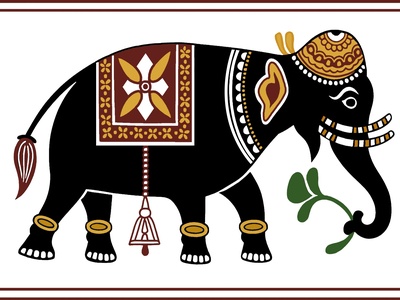
Kandyan Sinhala
Traditional upland Sinhala dialect spoken around Kandy and the central highlands. It preserves conservative phonology and vocabulary, shows distinctive intonation and honorific forms tied to Kandyan cultural practices, and contrasts with low-country speech in sociolinguistic studies

Ruhuna Sinhala
Coastal and southern dialect cluster common in the south and southwest. It features palatalization, vowel shifts, distinctive lexical items, faster speech tempo and local idioms. Ruhuna speech is central to regional folklore, songs and identity, differing noticeably from Kandyan varieties
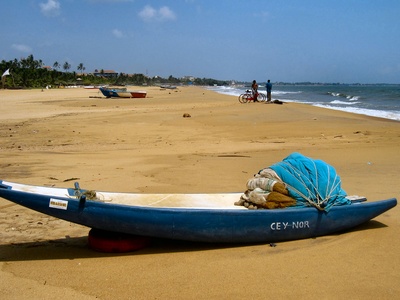
Negombo Sinhala
Local coastal Sinhala variety with heavy contact influence from Tamil and Portuguese-derived vocabulary among Catholic communities. It shows phonological and lexical differences from inland varieties, frequent code-switching with Tamil and English, and strong local identity in everyday speech
Dumbara Sinhala
Central highland dialect noted for its distinct prosody, conservative pronunciations and idiomatic vocabulary. Dumbara speech often retains archaic forms, shows localized morphological patterns and is culturally associated with hill communities and oral traditions around Kandy and nearby mountain valleys
Uva Sinhala
Uva variety spoken in the Uva province combines features of central and southern Sinhala dialects, with distinctive vowel quality, lexical items and intonation. It reflects local history and social networks, often serving as an intermediary between Kandyan and southern speech styles
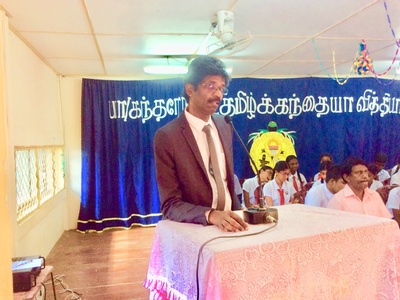
Jaffna Tamil
Conservative Sri Lankan Tamil variety spoken in Jaffna, retaining archaic phonology and vocabulary absent in other Tamil varieties. Known for clear vowel distinctions, unique pronouns and honorifics, Jaffna Tamil carries cultural prestige among Sri Lankan Tamils and is central to northern identity
Batticaloa Tamil
Eastern Tamil variety with conservative prosody and distinct intonation patterns. Batticaloa Tamil preserves older Dravidian phonetic features, shows lexical differences and is associated with local poetic and oral traditions. It differs markedly from Jaffna and Colombo Tamil varieties
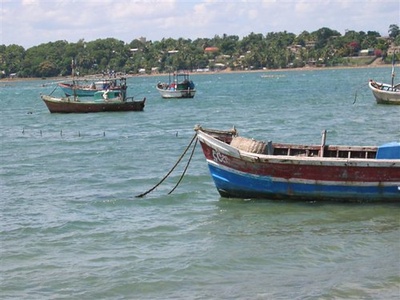
Trincomalee Tamil
Local eastern dialect related to Batticaloa Tamil but with its own phonetic and lexical traits. Trincomalee Tamil shows contact effects with Sinhala and Muslim speech, and varies between coastal and inland communities while retaining Eastern Tamil identity features
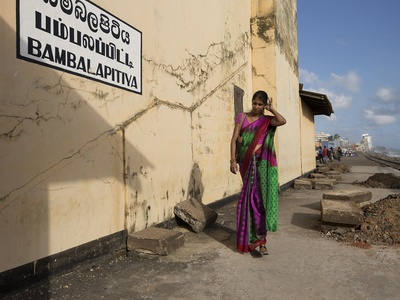
Colombo Tamil
Urban Tamil variety heavily influenced by Sinhala and English, characterized by frequent code-switching and lexical borrowing. Colombo Tamil reflects multilingual urban life, with reduced conservative features and creative mixing in youth speech, media, and interethnic neighborhoods
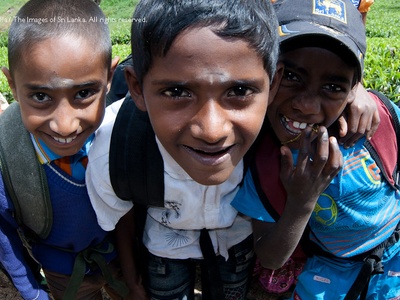
Upcountry Tamil
Tamil of Indian-origin plantation communities in the central highlands, often called upcountry or Indian Tamil. It preserves South Indian phonology and vocabulary, reflects plantation history, and remains a vital community language among estate workers and their descendants
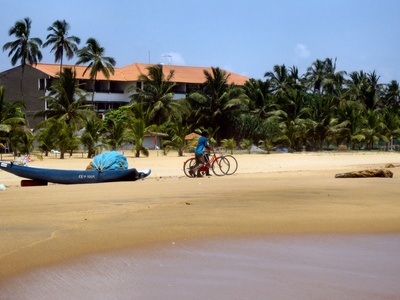
Negombo Tamil
Coastal Tamil variety used by fisherfolk and mixed communities around Negombo. It shows heavy Sinhala and Portuguese lexical influence, distinct pronunciation and social patterns tied to Catholic and fishing identities, and frequently alternates with Sinhala in daily use
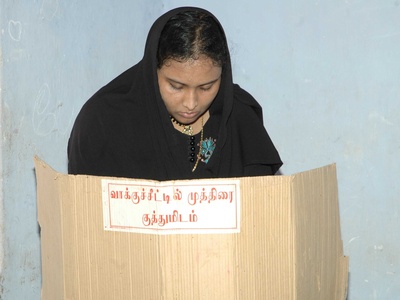
Muslim Tamil
Variety spoken by Sri Lankan Moors, often labeled Muslim Tamil. It blends features of regional Tamil dialects with Arabic-influenced vocabulary, distinct honorifics and some Sinhala contact forms; functions as community identity marker across pockets in west, north and east
Sri Lankan English (SLE)
National English variety showing a spectrum from acrolect to basilect. SLE features unique phonology, syntax and lexis influenced by Sinhala and Tamil, widespread in education and media, and important for formal communication, identity and cross-cultural contact in Sri Lanka
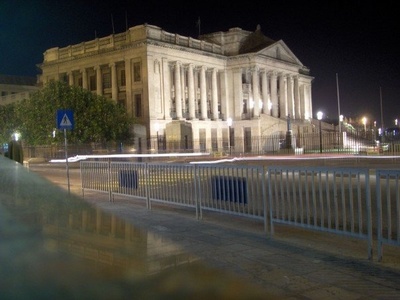
Colombo English
Colombo’s urban English variant marked by rapid code-switching and borrowing from Sinhala and Tamil. It includes distinctive intonation and colloquial vocabulary, thriving in business, media and youth culture; often considered the most cosmopolitan Sri Lankan English register
Educated Sri Lankan English (Acrolect)
Prestige social variety used by educated urban speakers in formal contexts. The acrolect aligns more closely with international English norms while retaining subtle local phonetic and lexical features influenced by Sinhala and Tamil education histories
Plantation English
Estate or plantation English spoken among tea plantation communities, often by speakers of Tamil or Sinhala as L1. It mixes substrate features with colloquial English grammar and pronunciation and serves as a local lingua franca for estate laborers
Sri Lankan Malay
Creole Malay spoken by Sri Lankan Malay communities mixing Malay lexicon with heavy Sinhala and Tamil influence. SLM has distinct phonology and syntax, Islamic cultural associations, and shows internal regional varieties differing between urban and rural speakers
Colombo Malay
Urban variant of Sri Lankan Malay with heavier Sinhala and Tamil contact, richer lexical borrowing from local languages and English influence. Colombo Malay functions as a communal register in markets, mosques and social gatherings among Malay communities in the capital region
Jaffna Malay
Historically attested Malay varieties in Jaffna and northern pockets, now highly reduced. Jaffna Malay shows older Malay features with strong Tamil contact; contemporary presence is minimal and often recorded only in ethnographic accounts and older speakers
Ceylon Portuguese Creole
Descendant of Portuguese colonial contact, Ceylon Portuguese Creole survives among some coastal Catholic and Burgher communities. It has influenced local vocabulary and music (baila), shows mixed Portuguese, Sinhala and Tamil features, and is critically endangered with few fluent speakers
Kaffir Creole
Language of Afro-Sri Lankan communities with African substrate and Portuguese-derived lexicon. The Kaffir creole is nearly extinct, preserved in a handful of elders, remembered in songs and dance traditions; heavily endangered and poorly documented in recent decades
Dambana Vedda
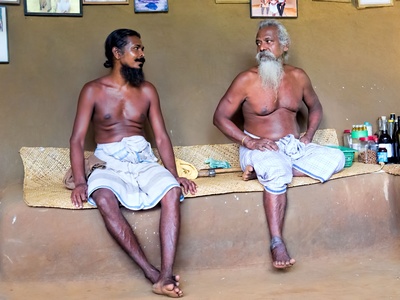
Indigenous Vedda speech of the Dambana community, heavily influenced by Sinhala but retaining unique lexical items, hunting-gathering vocabulary and some grammatical traits. Often used in ceremonial contexts, Dambana Vedda is endangered as younger generations shift to Sinhala
Eastern Vedda
Eastern Vedda variants in the Trincomalee and Batticaloa regions show heavy contact with Tamil while preserving pockets of traditional Vedda vocabulary and ritual speech. These small communities are highly endangered with extensive bilingualism and language shift to Tamil
Vanni Tamil
Vanni Tamil spoken across the northern mainland shows a blend of Jaffna and eastern Tamil traits, with some lexical borrowings from Sinhala in contact zones. It arose in rural and displaced populations and varies across districts in pronunciation and vocabulary
Colombo Sinhala
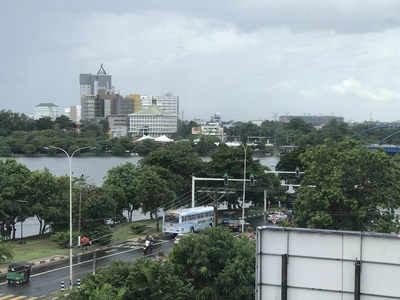
Urban Sinhala variant mixing English and Tamil borrowings, rapid speech, and youth slang. Colombo Sinhala displays innovative vocabulary, pragmatic code-switching and sociolinguistic markers of urban identity; widely used in media, commerce and interethnic neighborhoods