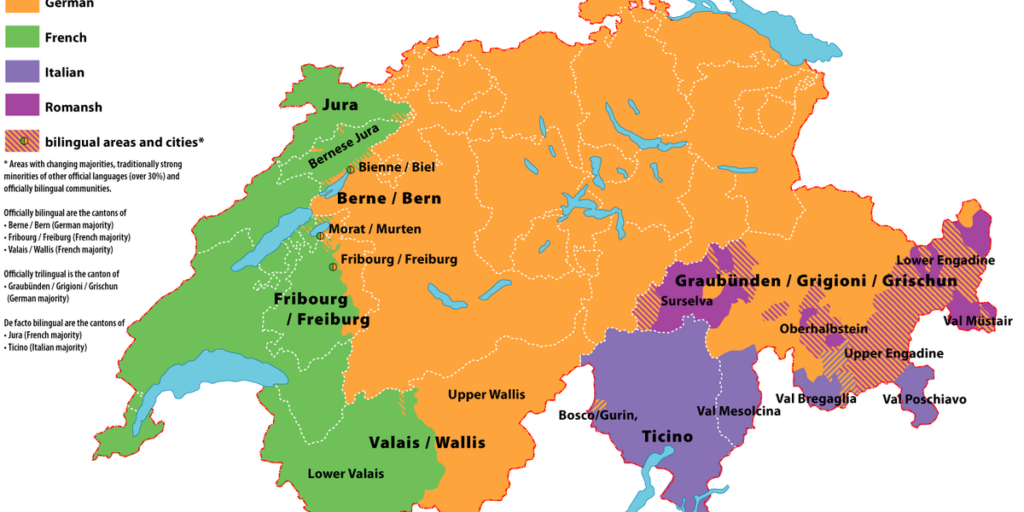
Switzerland’s compact landscape hides a surprising mosaic of local tongues tied to valleys, villages and canton histories. These languages shape place names, festivals and everyday conversation in ways that often go unnoticed by visitors.
There are 14 Indigenous Languages in Switzerland, ranging from Arpitan (Franco‑Provençal) to Walser German. Details are presented with practical columns—Region/Cantons,Approx speakers,Legal status—so you can quickly compare where each language is spoken, how many people use it, and what protections exist; you’ll find below.
Which of these languages have official or legal recognition in Switzerland?
Recognition varies: German, French and Italian are national languages with broad official use, Romansh has special national status, and several minority tongues receive cantonal recognition or protection depending on local policies. The table below shows legal status by canton so you can see which languages have schooling, signage or cultural funding.
How can I learn or help preserve a minority Swiss language?
Look for cantonal courses, local cultural associations, community radio, and school programs—many regions offer classes and materials. Supporting local media, attending events, and donating or volunteering with preservation groups are practical ways to help sustain these languages.
Indigenous Languages in Switzerland
| Language | Region/Cantons | Approx speakers | Legal status |
|---|---|---|---|
| German | Northern and eastern cantons (Zürich, Bern, Aargau, Lucerne, etc.) | 5,300,000 | National and official language (federal administration) |
| Swiss German (Alemannic) | German-speaking Switzerland (most German-language cantons) | 4,800,000 | De facto everyday spoken varieties; not separate official standard |
| French | Romandy (Geneva, Vaud, Neuchâtel, Jura, parts of Valais and Fribourg) | 1,900,000 | National and official language |
| Italian | Canton Ticino and parts of Graubünden (Mesolcina, Moesa) | 700,000 | National and official language |
| Romansh | Canton Graubünden (Engadine, Surselva and surrounding valleys) | 38,000 | National language; federal recognition and limited official use |
| Sursilvan | Surselva valley, central Graubünden | 12,000 | Recognised Romansh idiom; local official use |
| Vallader | Lower Engadine (Val Müstair, Lower Engadine), Graubünden | 7,000 | Recognised Romansh idiom; local official use |
| Puter | Upper Engadine (St. Moritz area), Graubünden | 4,500 | Recognised Romansh idiom; local official use |
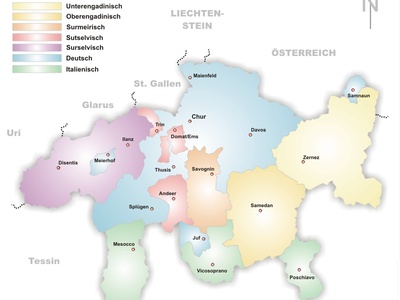
| Surmiran | Central Graubünden (Surselva–Alpine valleys) | 6,000 | Recognised Romansh idiom; local official use |
| Sutsilvan | Parts of Surselva and adjacent valleys, Graubünden | 2,500 | Recognised Romansh idiom; local official use |
| Rumantsch Grischun (standard) | Graubünden (used in inter-dialectal communication and institutions) | 2,000 | Standardised Romansh variety; institutional use |
| Arpitan (Franco‑Provençal) | Parts of Romandy (Fribourg, Valais, parts of Vaud and Jura) | 30,000 | Regional/cultural recognition in places; not national official |
| Lombard (Ticinese dialects) | Canton Ticino and southern Graubünden (Mesolcina) valleys | 150,000 | No national status; recognised culturally locally |
| Walser German | Scattered high‑Alpine valleys (Valais, parts of Graubünden, Uri, Nidwalden) | 15,000 | Regional minority varieties; no national status |
Images and Descriptions
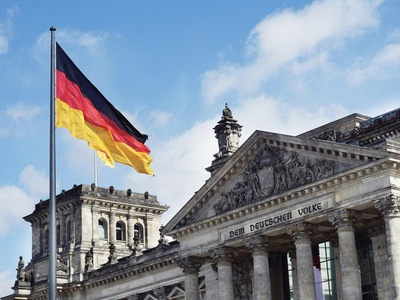
German
Standard German is Switzerland’s primary written and official language across German-speaking cantons; it coexists with regional Alemannic dialects and forms the basis for education, media and government communication.

Swiss German (Alemannic)
Alemannic “Swiss German” comprises local spoken dialects used daily across German-speaking Switzerland. It’s highly vital as a spoken mother tongue, with strong regional identity but little use in formal written contexts.
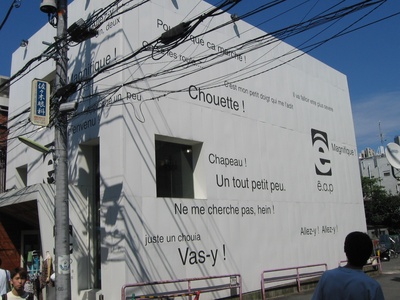
French
French is the main language of western Switzerland (Romandy). It’s used in education, administration and media in French-speaking cantons and closely linked to French cultural and institutional life in Switzerland.
Italian
Italian is the principal language of Ticino and some southern Grisons valleys. It’s used in schools, local government and regional media; Italian-speaking Switzerland has a distinct cultural identity within the Swiss multilingual landscape.
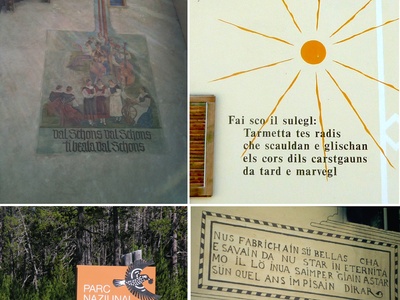
Romansh
Romansh is a Rhaeto‑Romance language native to Graubünden. Though a small speech community, it has national status and active local use, with efforts to preserve and standardise the language.
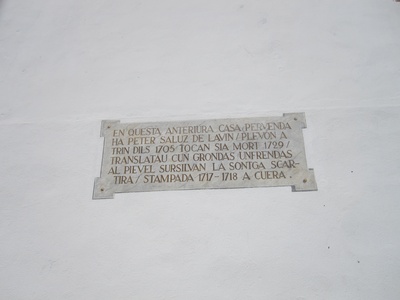
Sursilvan
Sursilvan is one of the larger Romansh idioms, traditionally spoken in the Surselva region. It appears in local administration, schooling, and media, and remains an important vehicle of regional identity.

Vallader
Vallader is the Engadine variety of Romansh spoken in the Lower Engadine. It has a rich oral and literary tradition and is used in local schools and cultural life.
Puter
Puter is the Upper Engadine Romansh idiom, used around St. Moritz. It’s notable for its distinct phonology and local literature, and remains important in community life and tourism contexts.
Surmiran
Surmiran links several central Graubünden valleys and serves as a regional variant of Romansh. It’s used in schools and local media and contributes to the linguistic diversity of the canton.
Sutsilvan
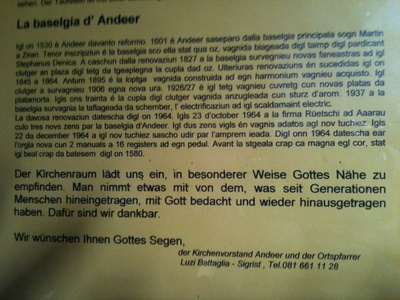
Sutsilvan is a smaller Romansh idiom spoken in parts of Surselva. Though limited in numbers, it remains alive in community use and local cultural activities.
Rumantsch Grischun (standard)
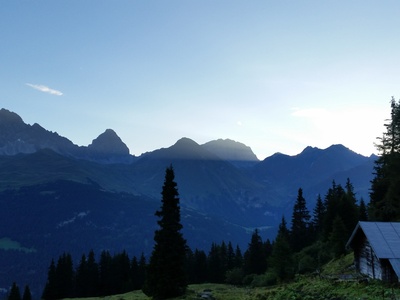
Rumantsch Grischun is the standardized written form created to bridge Romansh idioms. It’s used in official documents and inter-regional contexts, aiding education and administration across Romansh communities.
Arpitan (Franco‑Provençal)
Arpitan (Franco‑Provençal) is a historical Gallo‑Romance language once widespread in Romandy. Now mainly spoken by older generations, it survives in local expressions, toponyms and revival efforts but is endangered.
Lombard (Ticinese dialects)
Ticinese Lombard dialects are Gallo‑Italian varieties traditionally spoken in Ticino. They shape local speech and identity, coexist with standard Italian, and are increasingly influenced by Italian media and standardization.
Walser German
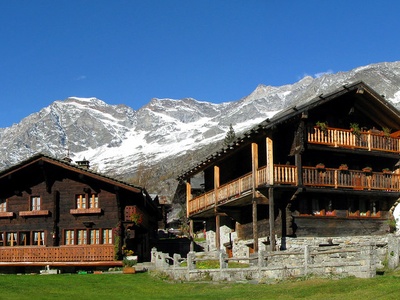
Walser dialects are a group of Highest Alemannic German varieties introduced by medieval Walser migrants. Spoken in isolated Alpine communities, many varieties are vulnerable but retain strong local cultural value.