Armenia adopted Christianity as a state religion in 301 AD, making it one of the world’s oldest Christian nations — a fact that still shapes daily life and ceremonies.
That early conversion set a framework in which older, pre-Christian customs were absorbed, reinterpreted, or kept alongside church observance. The result is a dense web of ritual practices that reinforce identity, bind generations, and organize public life.
The pieces that follow are grouped into four clear categories — religious and seasonal festivals, family and life-cycle rites, food and drink traditions, and artistic crafts and music — and they include concrete anchor facts (301 AD; lavash inscribed by UNESCO in 2014; Areni winemaking evidence dated to roughly 6,100 years ago) so readers get dates and examples, not just impressions.
Below are 10 traditions in Armenia that continue to shape ritual life, foodways, arts, and family celebrations.
Religious and Seasonal Traditions
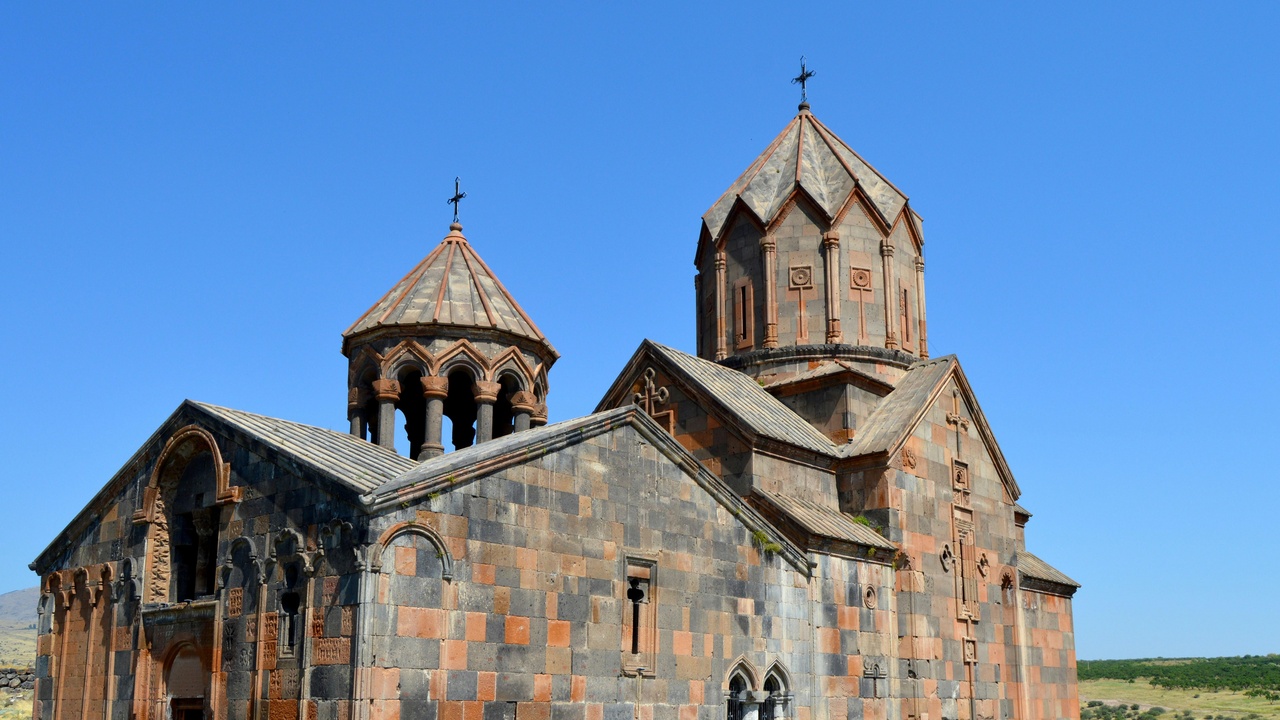
The Armenian Apostolic Church remains a public anchor: its liturgical year structures parish life, and many seasonal customs layer Christian meanings onto older fire, water, and fertility rites.
There is historical continuity tracing back to 301 AD, and most festivals are communal, attracting all ages. Some dates follow the movable liturgical calendar, so the following gives fixed dates where widely observed and notes when timing varies.
1. Armenian Christmas and Epiphany (January 6)
Most Armenian Christians observe Christmas and Epiphany together on January 6, honoring both the Nativity and Christ’s baptism in a single feast day.
The Mother See of Holy Etchmiadzin, with its cathedral near Vagharshapat, serves as the spiritual center for many parishes and draws pilgrims for the liturgy each January.
Families typically attend morning services and return for a festive meal featuring fish, dolma, and other seasonal specialties, followed by blessing rituals at the home. In many villages the local priest will give a short blessing to households after the service.
2. Trndez (Fire Blessing — mid-February)
Trndez, commonly celebrated in mid-February (around February 14 in many parishes), is a purification and fertility ritual that predates Christianity and was later given Christian meanings.
Communities light bonfires and encourage participants — often young couples — to leap across flames as a symbolic act of renewal and blessing. Churches mark the day with candlelit services that bless couples and families.
Both urban and rural communities take part: you’ll see village bonfires in the provinces and organized Trndez events at Etchmiadzin and major city parishes. For planning specifics, consult a diocesan calendar, since local parishes sometimes list exact numbers of services and events.
3. Vardavar (Water Festival — summer)
Vardavar is the exuberant water-throwing festival rooted in pagan fertility rites but integrated into the Christian calendar; its date varies with Easter and often falls in July.
On Vardavar, people of all ages soak one another with water in streets, markets, and public squares. In cities like Yerevan entire neighborhoods turn into playful battlegrounds of buckets and hoses.
Rural customs may include pouring water on elders as a sign of blessing, while lakeside and seaside towns stage communal gatherings. Photo captions and credits are useful when illustrating Vardavar because the spectacle is highly visual and public.
Family, Life-cycle, and Social Rituals
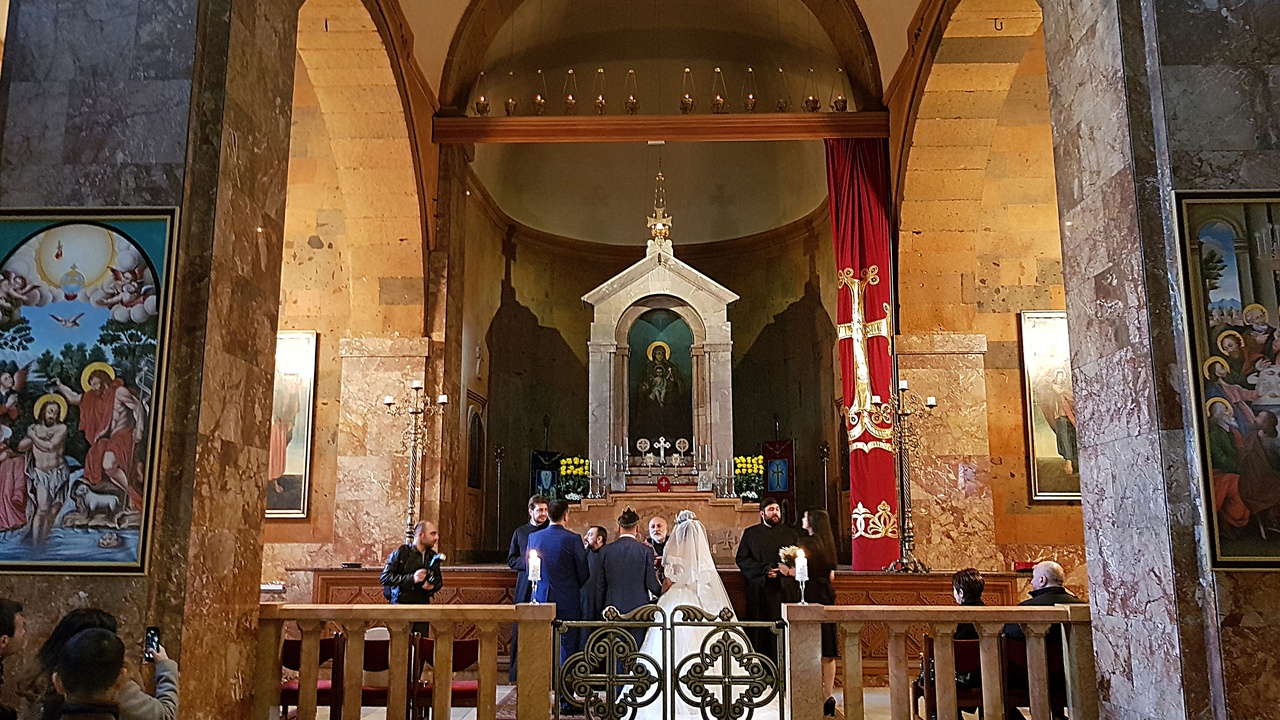
Family rituals transmit identity across generations by marking birth, naming, marriage, and mourning with public performances, feasts, and obligations.
Many traditions in Armenia are passed down through households, and while regional variations exist, common features include extended-family feasts, music, dance, and the ritualized role of a toastmaster or tamada.
The following three customs show how kinship, status, and mutual obligations are enacted at life’s key moments.
4. Armenian Wedding Rituals (feasts, ransom, and dance)
Armenian weddings combine theatrical rituals, church blessings, huge feasts, and lively folk dances such as Kochari.
Popular staged moments include the playful “bride ransom,” where relatives haggle in good humor over admitting the bride to the groom’s side, and a formal blessing if couples choose a church ceremony.
Weddings often draw dozens or hundreds of guests, reinforced by long toasts led by a tamada and a spread dominated by khorovats (barbecued meats) and other regional specialties. These gatherings cement kinship and local alliances and are where obligations and favors are publicly acknowledged.
5. Baptism and Naming Traditions
Infant baptism is a public welcome into the parish and community, typically held in the local church with godparents playing a central role.
Parents often choose a saint’s name to link the child to a spiritual ancestor and family memory, and families follow the service with a feast and small gifts for guests.
Namedays tied to a patron saint remain occasions for later celebration, and many families keep the ritual alive by recording saint names and associated dates in household calendars.
6. Hospitality, Toasting, and the Role of the Table
Hospitality is central to social life; guests are honored and the table is where obligations are voiced and relationships reaffirmed.
The tamada leads formal toasts that weave memory, blessing, and humor into the meal. At many formal feasts the tamada will make five to ten structured toasts that set the tone and bind guests through shared statements.
Staple dishes at these gatherings include dolma, lavash-wrapped plates, and khorovats. Offering bread and salt remains a traditional gesture of welcome in many households.
Food, Drink, and Communal Culinary Practices
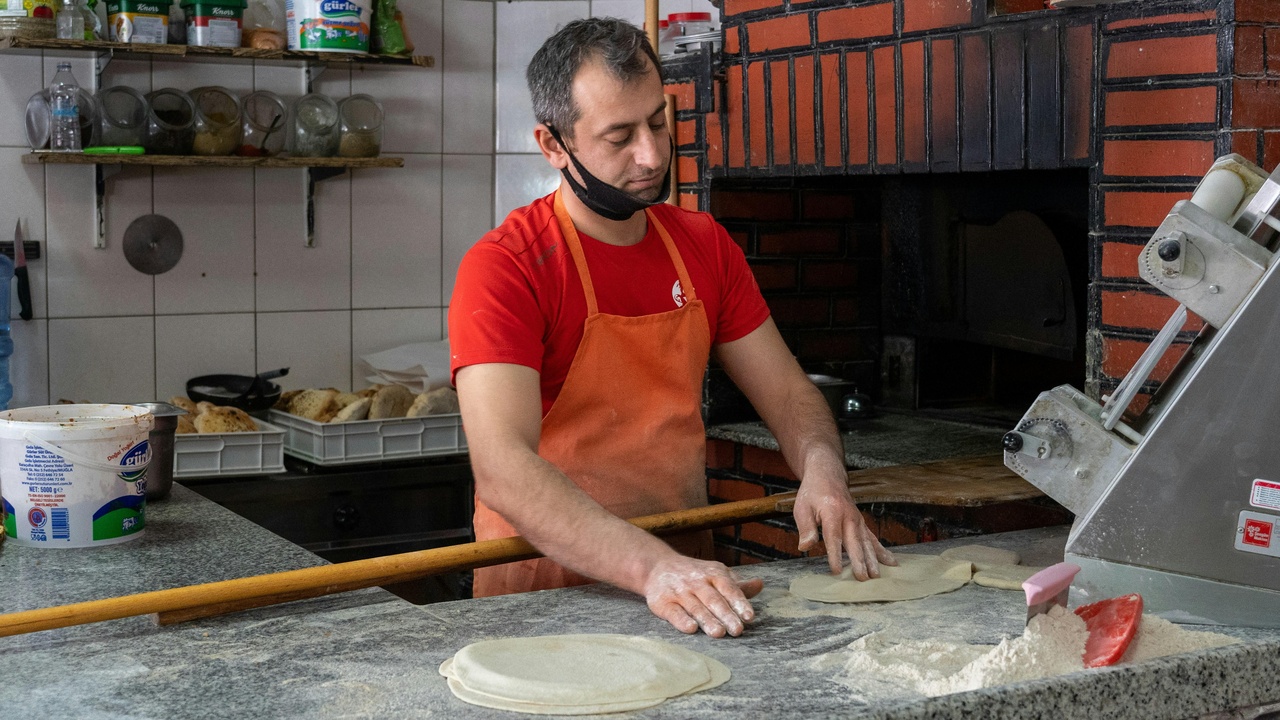
Foodways act as living records: communal bread baking, barbecue culture, and an extraordinarily long winemaking history preserve techniques and stories across generations.
Some culinary practices have international recognition, so writers should cite UNESCO entries and archaeological studies when possible to ground claims. The next two items highlight lavash and the Areni winemaking finds as concrete examples.
7. Lavash and Communal Bread-Baking (UNESCO 2014)
Lavash, the thin flatbread baked in a tonir (underground oven), is both staple food and a social practice; the craft was inscribed on UNESCO’s Representative List in 2014.
Communal baking often involves multiple generations: women and elders prepare dough, slap it onto the hot tonir walls, and pass bread around according to household rules about breaking and serving.
Lavash appears at daily meals and special events such as weddings and funerals. In many villages communal ovens remain a focal point of neighborhood life, while urban bakeries preserve traditional techniques for markets and restaurants.
8. Ancient Winemaking and Areni Traditions (~6,100 years ago)
Archaeological work at the Areni-1 cave complex documented a wine press, pottery, and residue consistent with winemaking dated to roughly 6,100 years ago, making Armenia one of the places with the earliest known evidence of viniculture.
Peer-reviewed analyses (for example, reports in PNAS and related archaeology journals) detail residue studies and vessel finds; modern wineries in Vayots Dzor and the Areni area often reference that deep past in branding and practice.
Traditional karas — large clay amphorae — are still used by some producers for fermentation and storage, and small family wineries continue to operate alongside larger commercial producers and regional festivals that celebrate the harvest.
Arts, Crafts, and Musical Heritage
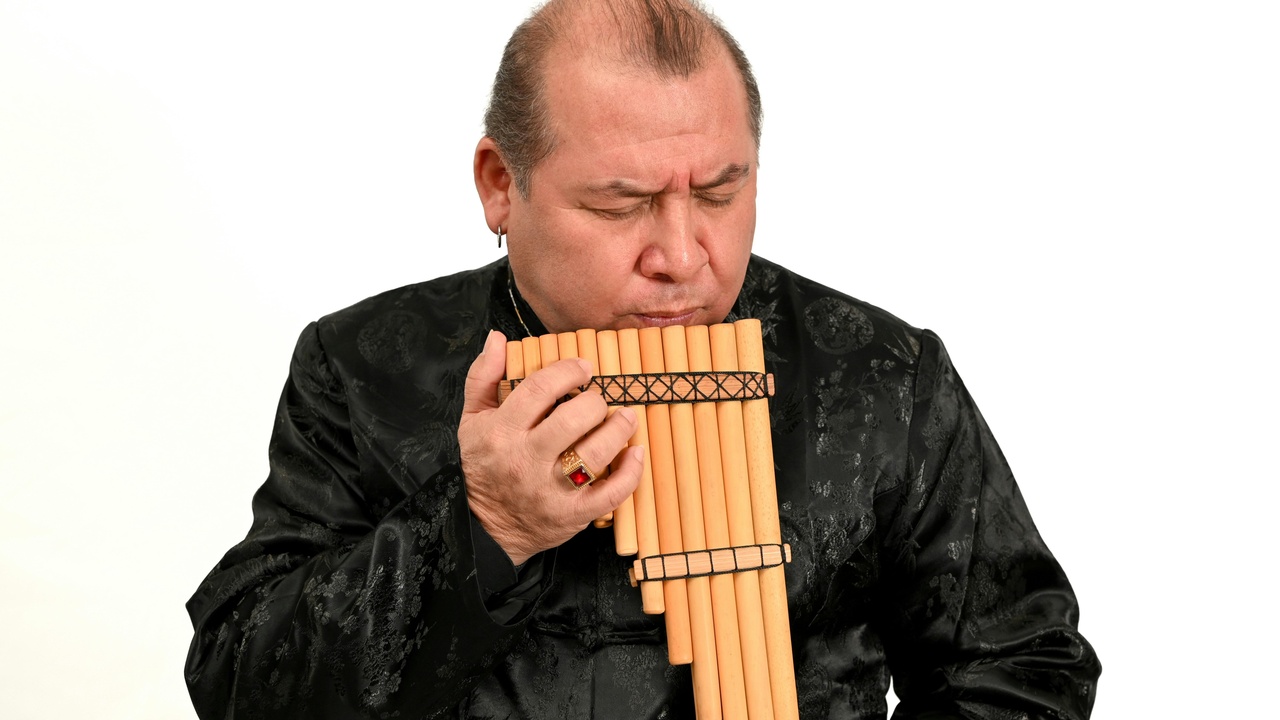
Art and craft work as cultural memory: music, textiles, and stone carving encode histories, regional identity, and economic livelihoods that tie communities to place.
UNESCO has recognized several Armenian forms, so confirm inscription years when mentioning them. The three subsections below outline how music, weaving, and khachkar carving function socially and economically.
9. Duduk Music and Oral Song Traditions
The duduk is Armenia’s signature double-reed woodwind, known for a warm, mournful timbre that suits both funerary and celebratory contexts.
Artists such as the late Djivan Gasparyan brought the instrument international attention through recordings and film soundtracks, and ensembles perform at memorials, weddings, and folk festivals.
Oral song traditions accompany the duduk, preserving regional lyrics and stories that are often transmitted informally at family gatherings, workshops, and diaspora events.
10. Carpet Weaving, Embroidery, and Khachkar Stone-Carving
Textiles and khachkars encode identity: carpet motifs and embroidered taraz garments signal regional origin and family ties, while khachkars (carved cross-stones) serve as memorial and sacred markers across churchyards.
Regional weaving centers, artisan cooperatives, and museums preserve patterns and provide income through tourism and exports. Museums such as the History Museum of Armenia and local craft workshops display and teach these techniques.
Khachkars remain visible in cemeteries and near churches, and contemporary carvers work both to restore old stones and to create new memorials that follow centuries-old iconographic rules.
Summary
- Adoption of Christianity in 301 AD set a durable religious framework that absorbed older fire and water rites into public festivals.
- Communal foodways — notably lavash baking (UNESCO, 2014) — and the Areni-1 winemaking evidence (dated to ~6,100 years ago) anchor culinary continuity.
- Family rituals (weddings, baptisms, hospitality) use music, dance, and the tamada-led table to maintain social bonds across generations.
- Artisanal traditions — duduk performance, carpet weaving, embroidery, and khachkar carving — carry stories, sustain livelihoods, and attract cultural tourism.
- Experience or support these living traditions: attend a festival, buy from artisan cooperatives, or read primary archaeological and UNESCO sources to deepen understanding.