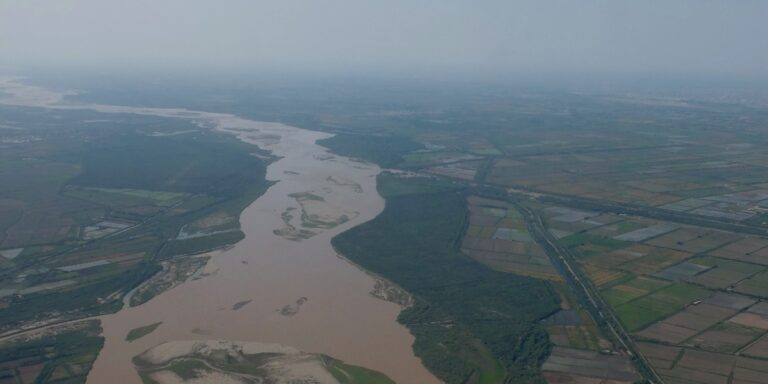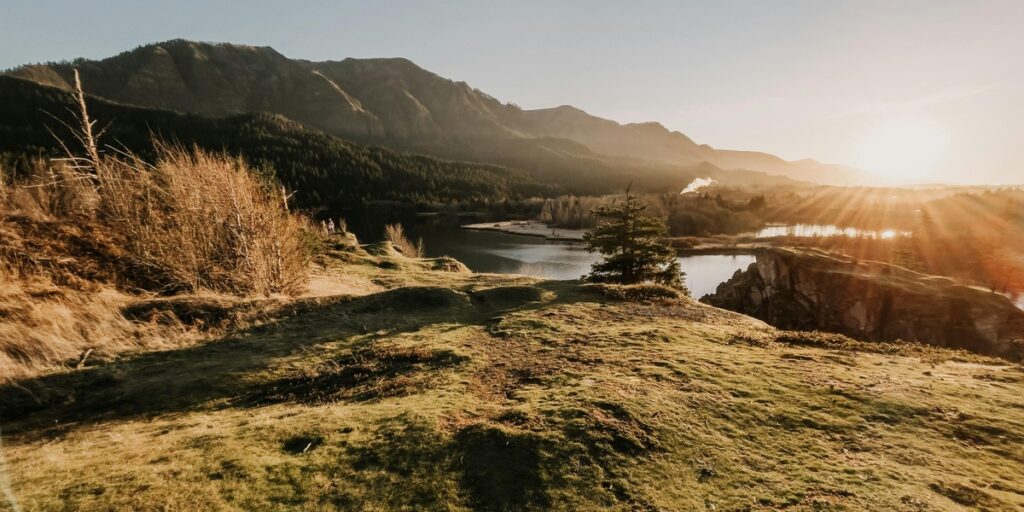
Palestine’s landscape is defined by its valleys and wadis, where seasonal rains and ancient springs have shaped settlement, agriculture, and local ecosystems for centuries. Rivers and streams, though fewer than in some neighboring regions, remain important for irrigation, habitat and cultural history.
There are 15 Rivers in Palestine, ranging from Jordan River to Wadi al-Qelt. Each entry lists Region,Status (perennial/seasonal),Length (km) so you can compare perennial rivers and seasonal wadis — you’ll find below.
Which of these rivers flow year-round in Palestine?
Only a small number are genuinely perennial; the Jordan River is the primary year-round watercourse, while many others are seasonal wadis that flow after rains or near springs. Check the Status (perennial/seasonal) column in the list below for exact information on each river.
Are these rivers accessible to visitors and safe to explore?
Access varies by location, land ownership and season: some valleys and springs are open to the public, others lie in protected or private areas. Flash floods can make wadis dangerous in rainy months, so check local guidance, access rules and current conditions before visiting.
Rivers in Palestine
| Name | Region | Status (perennial/seasonal) | Length (km) |
|---|---|---|---|
| Jordan River | Jordan Valley | Perennial | 251 |
| Wadi al-Qelt | West Bank | Seasonal (with perennial sections) | 30 |
| Wadi al-Far’a | West Bank | Seasonal (with perennial sections) | 40 |
| Wadi Auja | Jordan Valley | Seasonal (with perennial sections) | 20 |
| Wadi Nar / Kidron Valley | West Bank | Seasonal | 32 |
| Wadi Qana | West Bank | Seasonal (with perennial springs) | 15 |
| Wadi Malih | Jordan Valley | Seasonal | 20 |
| Wadi al-Hesi | Gaza Strip / West Bank | Seasonal | 45 |
| Wadi Murabba’at | West Bank | Seasonal | 15 |
| Wadi Gaza | Gaza Strip | Seasonal | 9 |
| Wadi Zomar | West Bank | Seasonal | 10 |
| Wadi Fukin | West Bank | Seasonal (with perennial springs) | 5 |
| Wadi Khureitun | West Bank | Seasonal | 10 |
| Wadi Beit Hanoun | Gaza Strip | Seasonal | 5 |
| Wadi Salqa | Gaza Strip | Seasonal | 7 |
Images and Descriptions
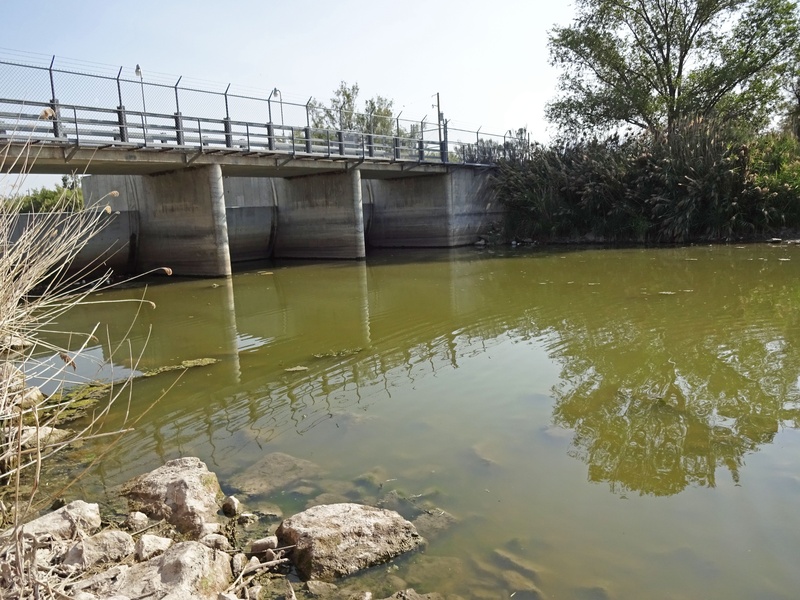
Jordan River
Serve as the main perennial river along the Jordan Valley and the eastern edge of historic Palestine. Rise from the Sea of Galilee and flow south into the Dead Sea. Hold deep historical, religious, and water-resource importance. Show greatly reduced flow today from heavy extraction and political water management issues.
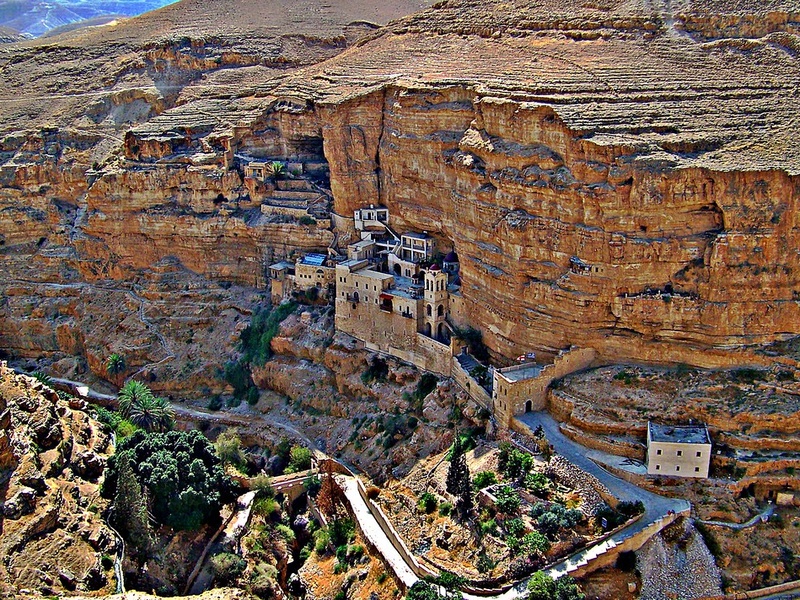
Wadi al-Qelt
Form a steep seasonal wadi in the Judean Desert just east of Jerusalem and Jericho. Carry winter floods and host springs and terraces in dry months. Contain the famous St. George monastery and deep canyon scenery. Fit this list as a key seasonal watercourse of the West Bank.
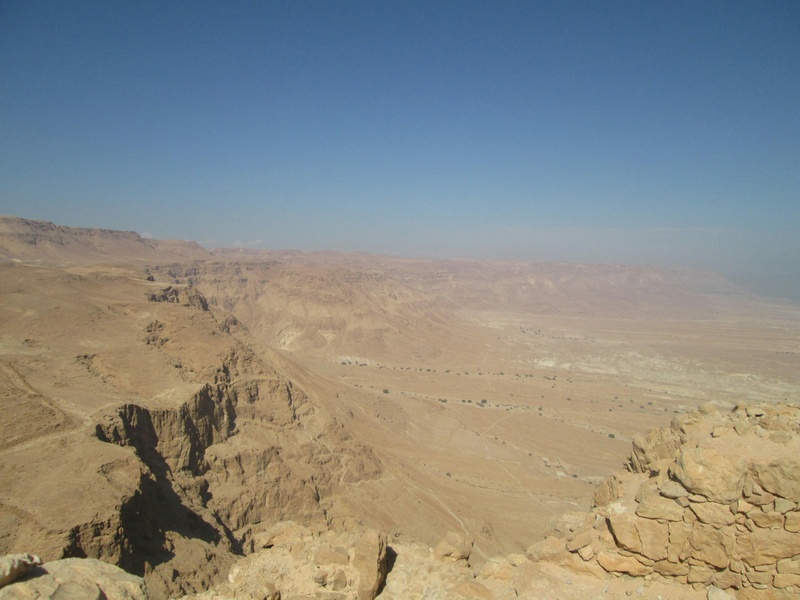
Wadi al-Far’a
Act as a major seasonal drainage in the northern West Bank. Channel winter runoff toward the Jordan Valley and support local agriculture in wet months. Contain springs, small tributaries, and nearby villages. Represent one of the larger West Bank wadi systems included for its hydrology and local use.
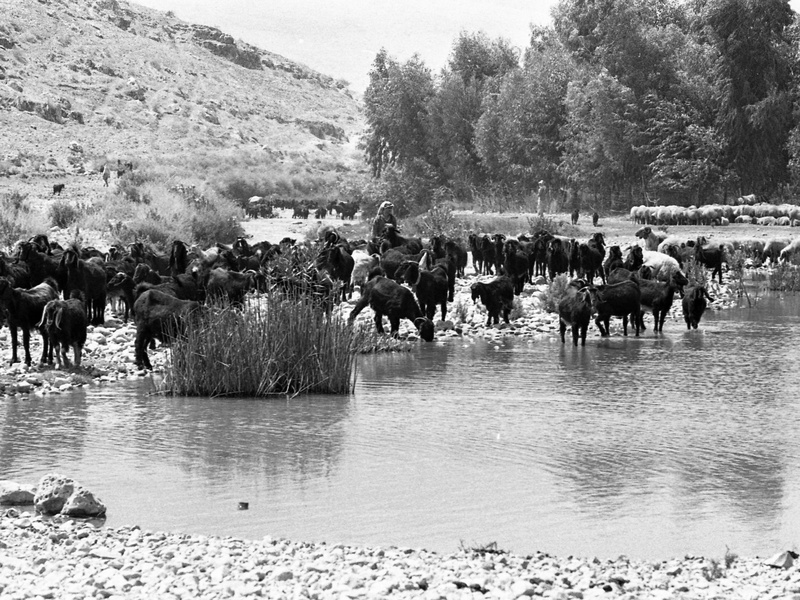
Wadi Auja
Run as a seasonal stream north of Jericho, draining the Judean heights toward the Jordan Valley. Include the Ein al-Auja spring group and steep valley walls. Support local irrigation when water flows. Serve as an important local water corridor in the Jordan Valley area.

Wadi Nar / Kidron Valley
Form the Kidron Valley that descends from Jerusalem toward the Dead Sea. Carry seasonal flows and episodic floods down steep slopes. Contain ancient burial sites and historical routes east of the Old City. Fit the post for its long cultural, historical, and geomorphological role.
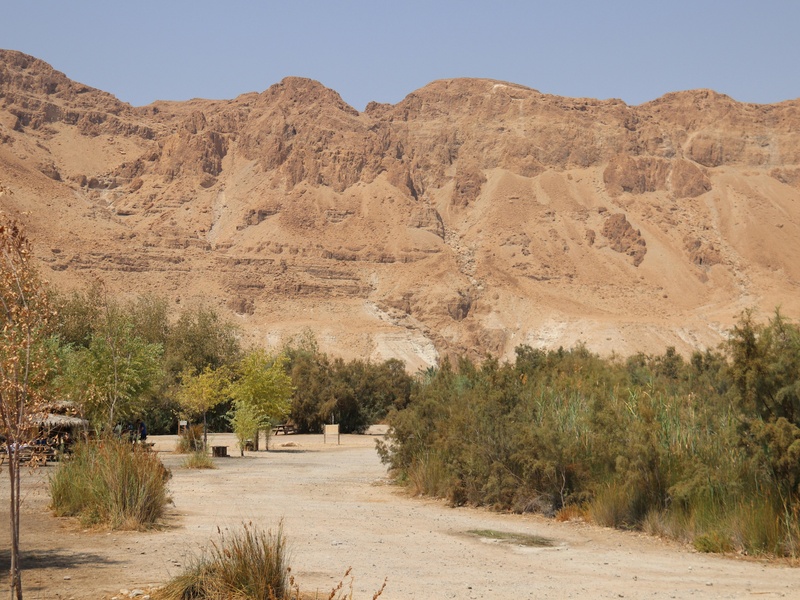
Wadi Qana
Serve as a large seasonal valley in the northwestern West Bank. Channel winter waters and support terraced farming and small springs. Feature a long valley corridor with ecological and agricultural value. Appear on this list as a prominent West Bank wadi with local importance.
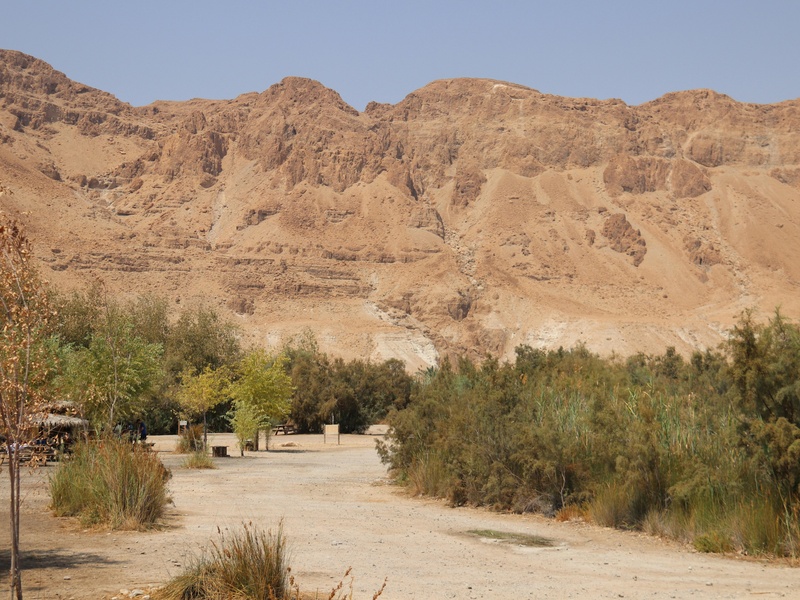
Wadi Malih
Act as a seasonal stream in the northern West Bank that drains toward the Jordan Valley. Carry flash floods in rainy months and dry to a stream bed in summer. Include springs and small agricultural uses along its course. Represent another West Bank drainage on this list.
Wadi al-Hesi
Form a seasonal wadi in the Gaza coastal area near Khan Yunis. Carry winter runoff across the coastal plain toward the sea. Mark historic and local transport routes and seasonal farming areas. Include in the post to cover Gaza’s intermittent watercourses.
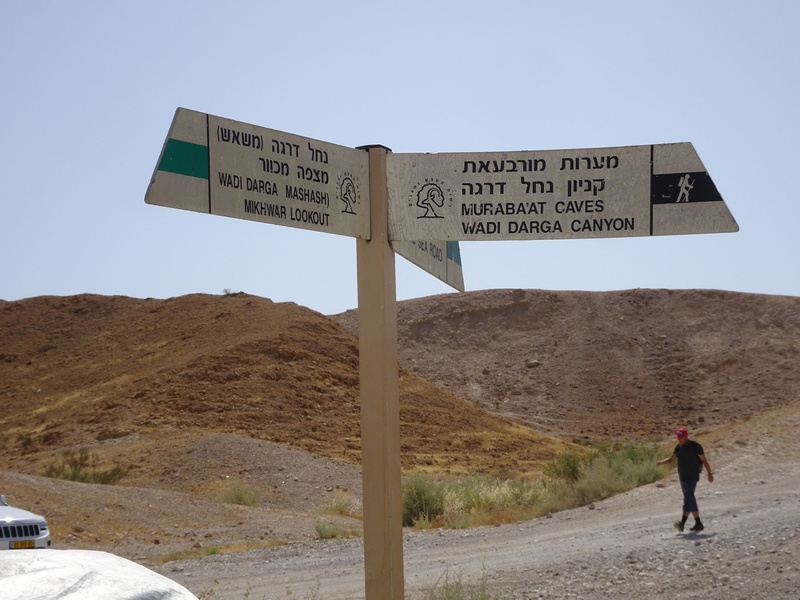
Wadi Murabba’at
Exist as a seasonal wadi and archaeological valley on the Judaean Desert escarpment near the Dead Sea. Contain caves with ancient finds and steep canyon walls. Flow episodically with winter rains. Feature here for both its geomorphic and archaeological significance.
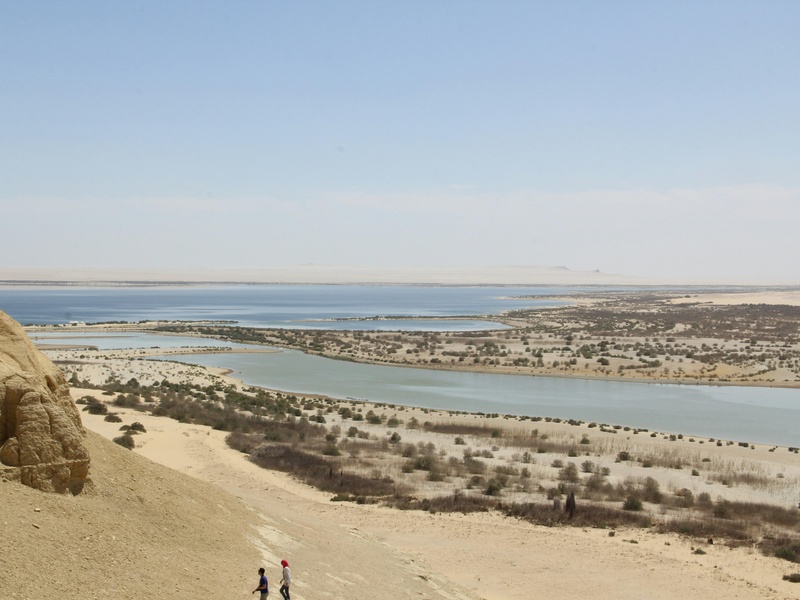
Wadi Gaza
Form Gaza Strip’s main seasonal valley and drainage toward the Mediterranean. Carry urban and agricultural runoff and show heavy pressure from pollution and reduced fresh flow. Contain a coastal wetland and a small nature reserve area. Include as Gaza’s primary wadi system with strong environmental relevance.
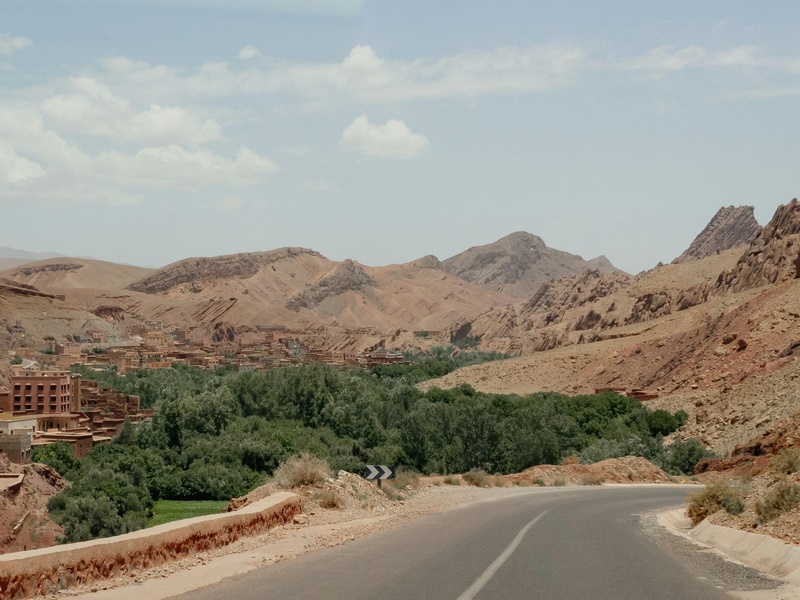
Wadi Zomar
Stand as a seasonal valley in the West Bank landscape with dry stream beds in summer and flows in winter. Support small-scale farming where water collects. Present here as part of the wider network of Palestinian wadis that shape local land use and seasons.
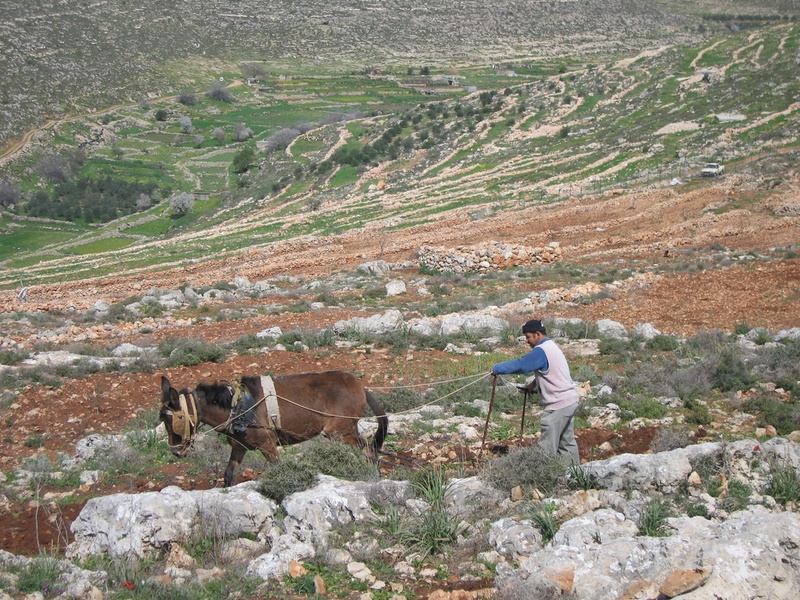
Wadi Fukin
Mark a small seasonal wadi near the Bethlehem area on the West Bank border. Drain local hills and support valley farming during wet months. Form part of cross-border agricultural landscapes. Include for its role in local irrigation and village geography.
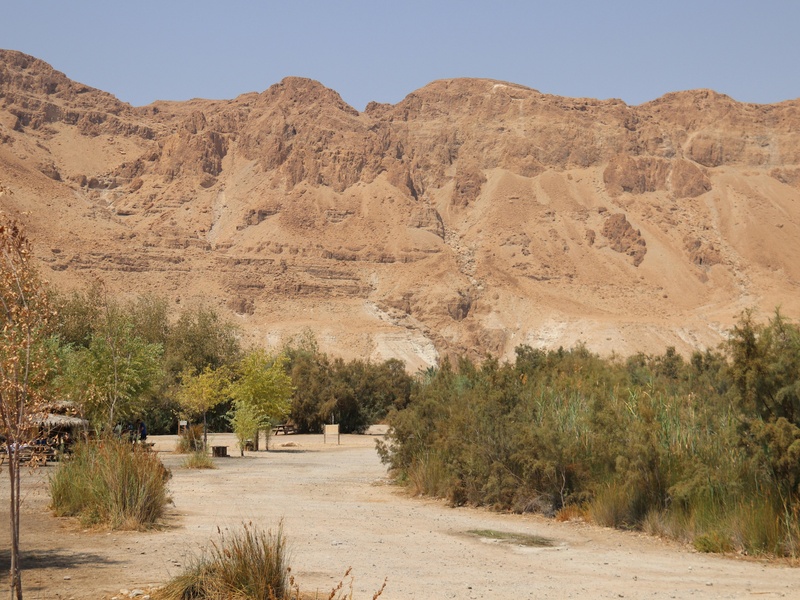
Wadi Khureitun
Appear as a seasonal valley in the Judean Desert region with steep slopes and occasional springs. Carry episodic flows toward lower basins. Contain natural caves and rugged desert scenery. Fit the list as one of several desert wadis that define the region’s hydrology.
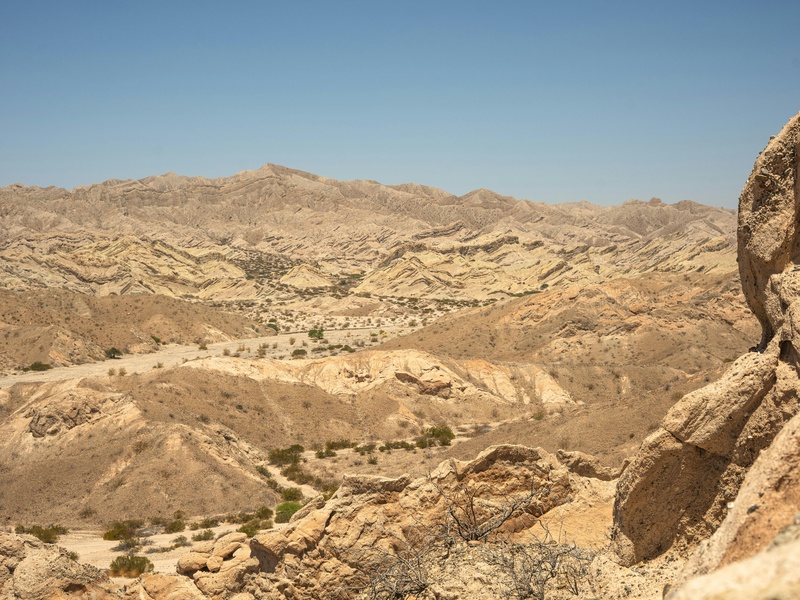
Wadi Beit Hanoun
Function as a seasonal drainage in northern Gaza near Beit Hanoun. Carry winter runoff across the coastal strip and support limited agriculture when water collects. Suffer from urban pressure and limited water quality. Include to represent northern Gaza watercourses.
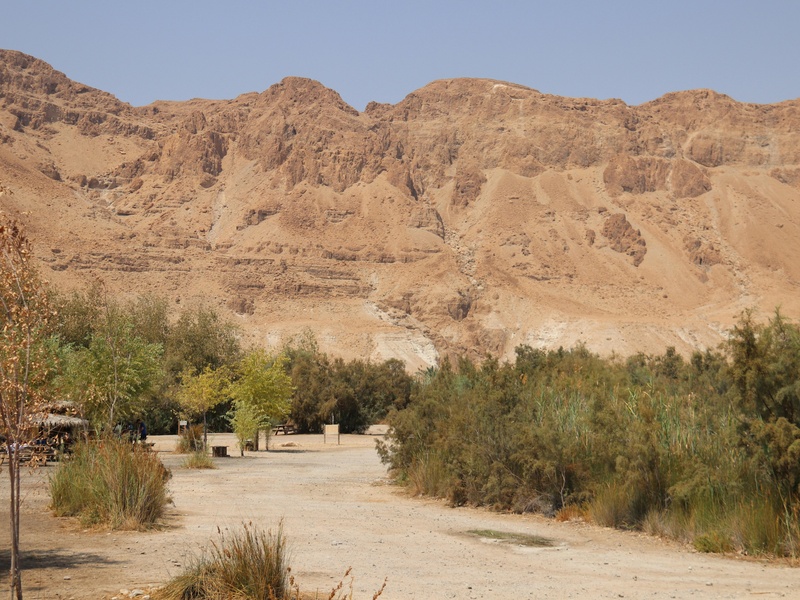
Wadi Salqa
Serve as a seasonal wadi in the southern Gaza area that channels winter flows across the coastal plain. Support local farming and episodic flooding. Show the typical coastal-wadi pattern of brief wet-season flow and long dry periods. Include as part of Gaza’s network of wadis.