Liechtenstein may be small on the map, but its language picture reflects a mix of history, borders and migration. Street signs, schools and community centers show how local dialects and immigrant tongues coexist in daily life.
There are exactly 14 Languages Spoken in Liechtenstein, ranging from Albanian to Turkish. The data is organized with Status,Speakers (est.),Origin / where spoken so you can quickly see whether a language is official or migrant, rough speaker numbers, and where it comes from — you’ll find the full list below.
Which language is officially used in Liechtenstein?
German is the official language and the primary medium in government, education and media; Alemannic Swiss-German dialects are commonly spoken in everyday life, while other languages appear mainly within particular communities.
How common are migrant languages like Albanian and Turkish?
Migrant languages such as Albanian and Turkish are present due to labor migration and family ties; they have measurable speaker communities but remain far smaller than the German-speaking majority, as reflected in the Speakers (est.) column you’ll see below.
Languages Spoken in Liechtenstein
| Language | Status | Speakers (est.) | Origin / where spoken |
|---|---|---|---|
| German (Standard) | Official | 39,000, 100% | Germany/Austria/Switzerland; taught locally |
| Alemannic (Liechtensteiner German) | regional/dialect | 30,000, 77% | Local High Alemannic variety in Liechtenstein and adjacent Swiss/Austrian regions |
| English | commonly taught / lingua franca | 20,000, 51% | Global language; native speakers among expats from UK/US and others |
| French | commonly taught | 6,000, 15% | France/Switzerland; taught in schools |
| Italian | immigrant / commonly taught | 2,500, 6.4% | Italy/Italian-speaking Switzerland |
| Portuguese | immigrant | 1,000, 2.6% | Portugal; Brazilian and Lusophone migrants |
| Albanian | immigrant | 1,200, 3.1% | Albania, Kosovo |
| Turkish | immigrant | 800, 2.1% | Turkey |
| Serbo-Croatian (Bosnian/Croatian/Serbian) | immigrant | 700, 1.8% | Bosnia-Herzegovina, Croatia, Serbia |
| Spanish | immigrant / commonly taught | 600, 1.5% | Spain, Latin America |
| Russian | immigrant | 300, 0.8% | Russia, post‑Soviet states |
| Polish | immigrant | 200, 0.5% | Poland |
| Arabic | immigrant / minority | 400, 1.0% | Middle East, North Africa |
| German Sign Language (DGS/ÖGS/Swiss-German variants) | minority | 100, 0.3% | Deaf communities in German-speaking Europe |
Images and Descriptions
German (Standard)
Official written and administrative language used in government, media and schools. Standard German is learned by virtually all residents and used formally, though everyday conversation often uses the local Alemannic dialect.

Alemannic (Liechtensteiner German)
Local High Alemannic dialect spoken in daily life; a distinct regional variety with unique vocabulary and pronunciation. Central to local identity and community interaction, used more informally than Standard German.
English
Widely taught and commonly used as a lingua franca in business, tourism, and higher education. Many residents have good English skills; useful for travelers and expats though not an official language.
French
Commonly taught as a second foreign language in schools and learned by many students. Useful regionally for cross-border ties with Switzerland and France, though less used in everyday public life.
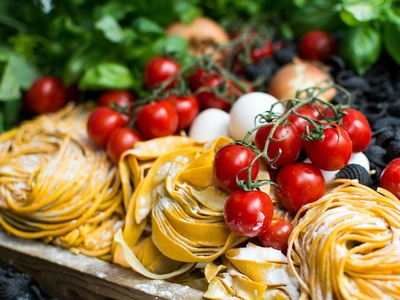
Italian
Spoken by some immigrants and descendants and taught in schools; Italian also appears due to proximity to Italian-speaking Swiss areas and cross-border connections.
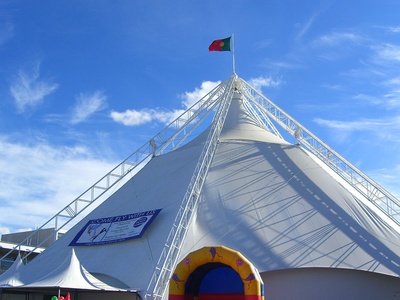
Portuguese
Language of a small immigrant community from Portugal and Portuguese-speaking countries; visible in family and community settings and some local businesses.
Albanian
Spoken by migrants from Albania and Kosovo; present in family networks and cultural associations. One of the more visible Balkan languages among Liechtenstein’s immigrant communities.
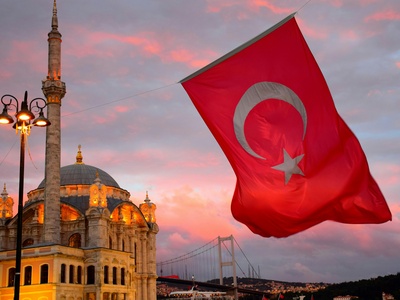
Turkish
Used by a Turkish-origin immigrant community; present in family life, religious centres, and some businesses. It represents part of the country’s diverse migrant population.
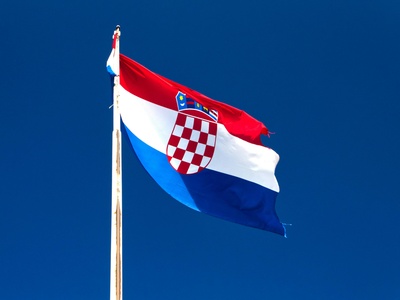
Serbo-Croatian (Bosnian/Croatian/Serbian)
Cluster term for languages spoken by migrants from the former Yugoslavia. Used in community life, family settings, and by older migrants; maintains cultural ties for those communities.
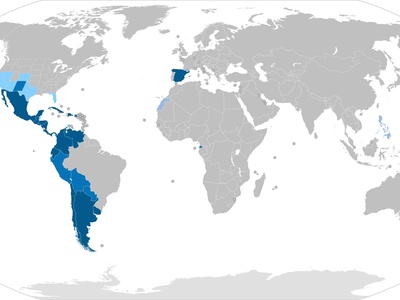
Spanish
Spoken by some immigrants and learned as a foreign language; present in social life, international workplaces, and among Spanish-speaking expats.
Russian
Used by a small community of migrants and expatriates from Russia and other post‑Soviet countries; present in private networks and some cultural groups.
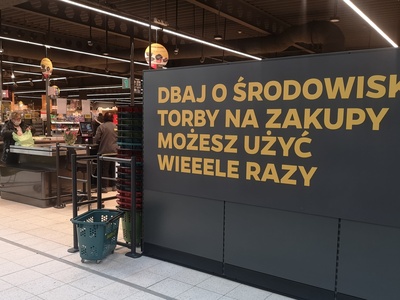
Polish
Spoken by a small number of migrants from Poland; present in home communities and some local workplaces, though numbers remain modest.
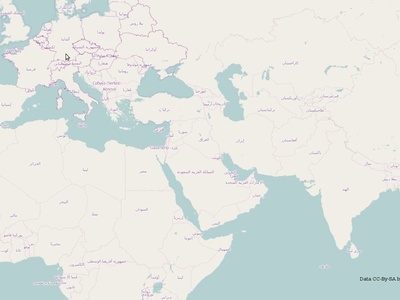
Arabic
Used by migrant communities and refugees from Arabic-speaking countries; present in family, religious, and community networks as one of several minority languages.
German Sign Language (DGS/ÖGS/Swiss-German variants)
Used by the local deaf community with influences from German, Swiss and Austrian sign languages. Important for accessibility, social services, and education for deaf residents.