Serbia sits at the crossroads of Central and Southeast Europe, where history, migration and neighboring borders shape a varied linguistic map. Urban centers, border regions and autonomous provinces each carry different language mixes that reflect centuries of movement and community life.
There are 15 Languages Spoken in Serbia, ranging from Albanian to Vlach (Romanian dialect). For each language this post lists Speakers (estimate), Regions, Official status & script, and you’ll find the full list below.
Which languages have official status in parts of Serbia?
Serbian is the state language nationwide (using both Cyrillic and Latin scripts), while several minority languages enjoy official or co-official status at provincial or municipal levels — notably in Vojvodina (e.g., Hungarian, Slovak, Romanian, Rusyn, Croatian) and in localities like the Preševo Valley where Albanian is recognized; exact rights depend on local laws and population thresholds.
How reliable are the speaker counts and where do they come from?
Speaker estimates are based on census data, linguistic surveys and academic studies, but they can vary due to self-reporting, migration, and differing survey methods; treat figures as approximate snapshots useful for comparison rather than precise headcounts.
Languages Spoken in Serbia
| Language | Speakers (estimate) | Regions | Official status & script |
|---|---|---|---|
| Serbian | 6,000,000 | Nationwide; Belgrade, Niš, Novi Sad, Kragujevac | Official state language; Cyrillic (official) and Latin scripts |
| Torlakian (Serbian dialect) | 700,000 | Southern and eastern Serbia; Niš, Pirot, Vranje, Leskovac | No official status (regional dialect); Cyrillic & Latin used for Serbian |
| Hungarian | 250,000 | Vojvodina: Subotica, Senta, Ada, Kanjiža | Official in several Vojvodina municipalities; Latin script |
| Bosnian | 150,000 | Sandžak: Novi Pazar, Tutin, Sjenica; some Belgrade | Official in some municipalities; Latin script |
| Croatian | 57,000 | Vojvodina: Subotica, Vukovar-area influence, Bačka Topola | Official in some municipalities; Latin script |
| Albanian | 61,000 | Preševo, Bujanovac, Medveđa (Preševo Valley) | Official in Preševo Valley municipalities; Latin script |
| Romani | 80,000 | Belgrade, Niš, Vojvodina, Sandžak | Recognized minority language; Latin script common |
| Slovak | 50,000 | Vojvodina: Bački Petrovac, Kovačica, Kisač | Official in some municipalities; Latin script |
| Romanian | 30,000 | Vojvodina (Banat), eastern border areas | Recognized minority language in some areas; Latin script |
| Vlach (Romanian dialect) | 30,000 | Eastern Serbia: Timok Valley, Zaječar, Negotin | Recognized minority (Vlach); Latin script |
| Rusyn | 15,000 | Vojvodina: Ruski Krstur, Kula, Novi Sad vicinity | Official in some Vojvodina municipalities; Cyrillic script |
| Bulgarian | 6,000 | Southeast Serbia: Dimitrovgrad area, Pirot region | Recognized local minority in border areas; Cyrillic script |
| Turkish | 3,000 | Sandžak, Belgrade, south Serbia | Recognized minority; Latin script used |
| Macedonian | 2,000 | Belgrade, border areas, immigrant communities | Minority language for small communities; Cyrillic script |
| German | 2,000 | Vojvodina towns, Belgrade (small older communities) | No special official status; Latin script |
Images and Descriptions

Serbian
Majority language of Serbia; Shtokavian-based with Ekavian/Ijekavian pronunciation differences. Used in government, media, education. Example: “Zdravo” (Hello).

Torlakian (Serbian dialect)
Transitional South Slavic dialect between Serbian, Bulgarian and Macedonian, notable for different phonology and vocabulary. Locals often call it “naš govor”. Example: “Ajde” (Come on).
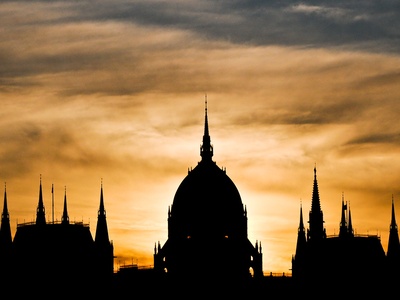
Hungarian
Largest minority language in Serbia, spoken mainly in northern Vojvodina with Hungarian-language schools and media. Example: “Szia” (Hello).
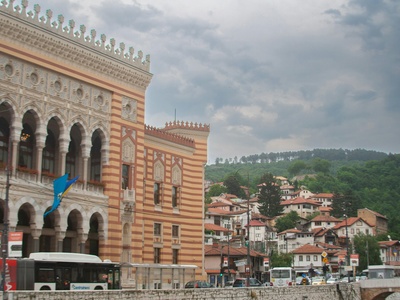
Bosnian
Spoken by Bosniak communities in Sandžak and towns; mutually intelligible with Serbian/Croatian but uses Islamic and Ottoman loanwords. Example: “Dobar dan” (Good day).
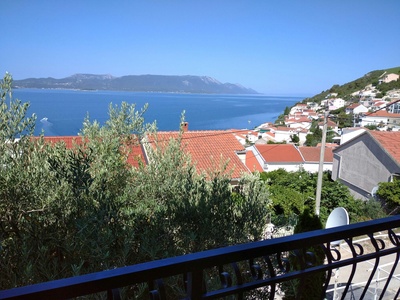
Croatian
Spoken by the Croat minority, closely related to Serbian but standardizes certain vocabulary and Latin script usage. Croatian-language media and schools exist locally. Example: “Bok” (Hi).
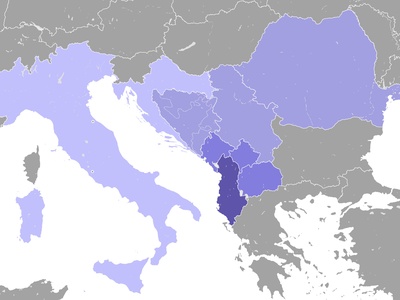
Albanian
Spoken by ethnic Albanians in southern Serbia; has local political and educational institutions. Example: “Mirëdita” (Good day).
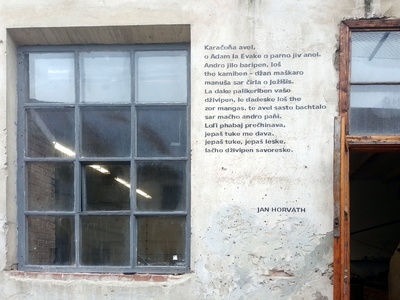
Romani
Spoken by Roma communities in multiple dialects (e.g., Balkan Romani). Oral tradition strong; some local schooling and cultural programs. Example: “Sastipe” (Hello/Be healthy).
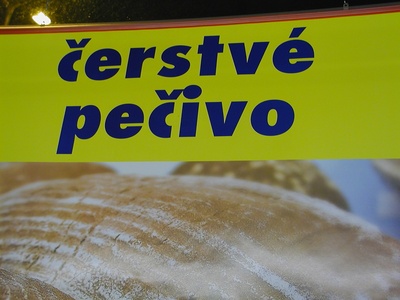
Slovak
Long-established community in Vojvodina with Slovak schools, churches, and cultural life; distinct dialects preserved. Example: “Dobrý deň” (Good day).
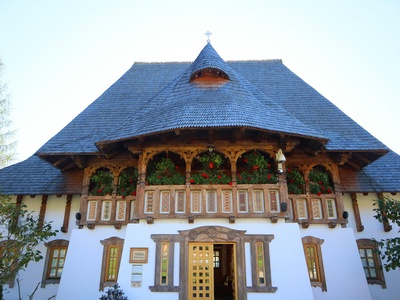
Romanian
Spoken by ethnic Romanians in Banat and border villages; ties to Romanian media and education. Example: “Bună ziua” (Good day).
Vlach (Romanian dialect)
Eastern Romance dialects spoken by Vlach communities; often considered Romanian dialects but with local vocabulary and identity. Example: “Bună” (Hello).
Rusyn
East Slavic minority with its own standard Rusyn language, churches, and schools in Vojvodina. Example: “Dobrý deň” (Hello; Rusyn form).
Bulgarian
Small Bulgarian-speaking community near the Bulgarian border; historical and cultural ties across the frontier. Example: “Zdraveĭte” (Hello).
Turkish
Small Turkish-speaking communities with Ottoman-era historical presence; cultural associations and some media. Example: “Merhaba” (Hello).
Macedonian
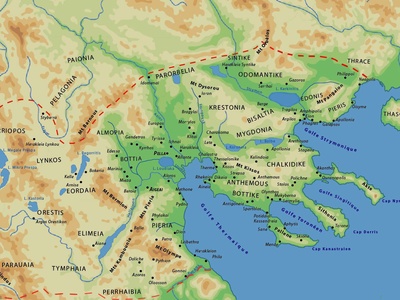
Spoken by a small resident community and near-border populations; mutually intelligible with Bulgarian and some Serbian dialects. Example: “Zdravo” (Hello).
German
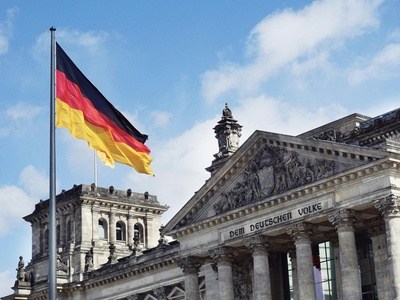
Limited older German-speaking communities (Danube Swabian heritage), now small and aging; cultural heritage remains in architecture and local history. Example: “Guten Tag” (Good day).