Cambodia’s language map extends beyond the national Khmer majority into upland and border communities where local tongues carry unique histories, social practices, and ecological knowledge. These languages often survive in small, tight-knit villages and reflect contact with neighboring countries and ethnic groups.
There are 15 Indigenous Languages in Cambodia, ranging from Brao to Tampuan. For each entry you’ll find below Family, Region, Estimated speakers so you can quickly see linguistic classification, where the language is spoken, and an approximate speaker count — you’ll find below.
How reliable are the speaker estimates and how often do they change?
Speaker numbers are usually best estimates from recent censuses, academic fieldwork, and NGO surveys; for small or mobile communities the figures can shift with migration, intermarriage, or language shift to Khmer. Treat the counts as snapshots that help indicate relative size rather than exact headcounts, and check source dates when comparing numbers.
What are practical ways to support and preserve these Indigenous languages?
Supporting local schools that include mother-tongue materials, funding community-led documentation, training native speakers in basic linguistics, and promoting intergenerational use at home all help. Practical efforts work best when led by the communities themselves and tied to culturally respectful development and education programs.
Indigenous Languages in Cambodia
| Language | Family | Region | Estimated speakers |
|---|---|---|---|
| Khmer | Austroasiatic; Khmeric | Nationwide (capital and all provinces) | 16,000,000 |
| Cham | Austronesian; Chamic | Kampong Cham, Tbong Khmum, Kampot, coastal areas | 150,000 |
| Jarai | Austronesian; Chamic | Ratanakiri, Mondulkiri | 30,000 |
| Kuy | Austroasiatic; Mon–Khmer (Kuy) | Preah Vihear, Stung Treng, Kampong Thom, northwest provinces | 100,000 |
| Bunong (Pnong) | Austroasiatic; Bahnaric | Mondulkiri, Ratanakiri | 50,000 |
| Tampuan | Austroasiatic; Bahnaric | Ratanakiri (Tampuan highlands) | 15,000 |
| Brao | Austroasiatic; Bahnaric | Southern Ratanakiri, near Vietnam border | 15,000 |
| Kreung | Austroasiatic; Bahnaric | Northern Ratanakiri Province | 10,000 |
| Kavet | Austroasiatic; Bahnaric | Scattered villages, Ratanakiri | 3,000 |
| Stieng | Austroasiatic; Bahnaric (Southern) | Mondulkiri, border areas with Vietnam | 20,000 |
| Mon | Austroasiatic; Monic | Banteay Meanchey, Kandal and scattered communities | 3,000 |
| Samre | Austroasiatic; Pearic | Historically Pursat, Kampong Thom; scattered now | 400 |
| Sa’och | Austroasiatic; Pearic | Koh Kong, Cardamom area (southwest) | 200 |
| Chong | Austroasiatic; Pearic | Southern Cardamom range and Thai border areas | 500 |
| Suoy | Austroasiatic; Pearic | Pursat, Kampong Chhnang (western Cambodia) | 600 |
Images and Descriptions
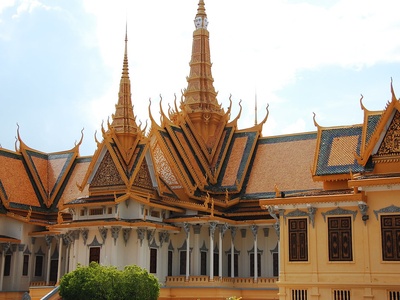
Khmer
Cambodia’s national language, spoken nationwide and used in government, education, and media. Extremely vital with around 16,000,000 speakers in Cambodia. Notable for its rich literary tradition and distinctive Austroasiatic phonology and complex register system.

Cham
An Austronesian Chamic language spoken by Cham Muslim and Hindu communities in Kampong Cham, Tbong Khmum, Kampot and coastal areas. Around 150,000 speakers in Cambodia, vigorous in community life though pressured by Khmer dominance; notable for Arabic-derived religious vocabulary.
Jarai
A Chamic Austronesian language of Ratanakiri and Mondulkiri provinces, spoken by highland Jarai people. Estimated 30,000 speakers in Cambodia. Still actively used in daily life and rituals, notable for complex verb morphology and resilient cultural traditions.
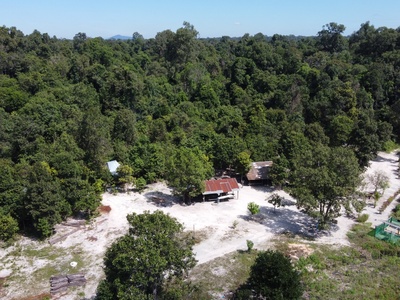
Kuy
Mon–Khmer language spoken in Preah Vihear, Stung Treng, Kampong Thom and northwest provinces. Roughly 100,000 speakers in Cambodia. Vital in many rural communities though under pressure from Khmer; notable for strong cross-border cultural links with Thailand and Laos.
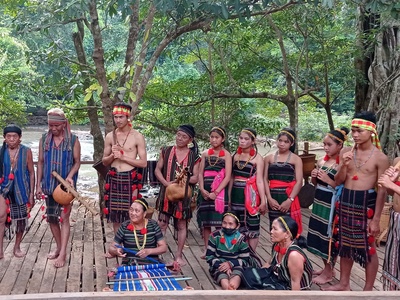
Bunong (Pnong)
Bahnaric language of Mondulkiri and Ratanakiri provinces, spoken by the Bunong (Pnong) people. About 50,000 speakers. Vigorous in local contexts but lacking institutional support; notable for rich oral traditions and a distinctive plant-based lexicon tied to indigenous knowledge.
Tampuan
Bahnaric language centered in Ratanakiri Province (Tampuan highlands). Around 15,000 speakers in Cambodia. Considered relatively vital locally but threatened by Khmer assimilation; notable for traditional sung epics and a dense system of verbal affixes.
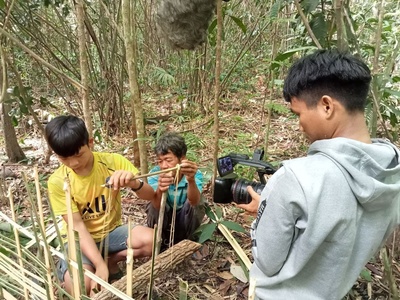
Brao
Bahnaric language in southern Ratanakiri and adjacent Vietnam/Laos communities. Estimated 15,000 speakers in Cambodia. Used in homes and villages but vulnerable to shift; notable for dialect diversity and preserved ritual speech forms.
Kreung
Bahnaric language in northern Ratanakiri Province. Around 10,000 speakers. Retains strong intergenerational use within communities though younger speakers adopt Khmer; notable for complex vowel systems and rich ceremonial vocabulary.
Kavet
Bahnaric language spoken in scattered villages of Ratanakiri. About 3,000 speakers. Highly endangered with community multilingualism common; notable for close linguistic ties to neighboring Kreung and Brao varieties and rapid language shift.
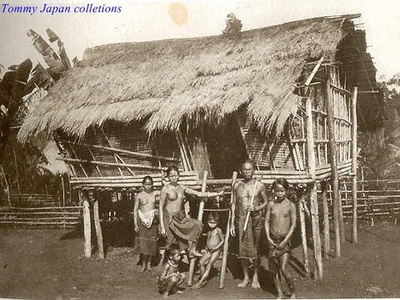
Stieng
Southern Bahnaric language found in Mondulkiri and along the Vietnam border. Approximately 20,000 speakers in Cambodia. Maintains everyday use in many villages but faces pressure from dominant languages; notable for complex consonant clusters and lexical borrowing from Khmer.
Mon
Monic Austroasiatic language historically influential in Cambodia, with small communities in Banteay Meanchey and Kandal. Roughly 3,000 speakers. Severely endangered in Cambodia though preserved through cultural practices; notable for historical inscriptions and influence on Khmer vocabulary.
Samre
Pearic language historically in northwest and central Cambodia (Pursat, Kampong Thom). Estimated 400 speakers. Critically endangered with few fluent elders remaining; notable as part of the rare Pearic branch, one of Cambodia’s most endangered indigenous language groups.
Sa’och
Pearic language of coastal southwestern Cambodia, traditionally in Koh Kong and the Cardamom area. Around 200 speakers. Critically endangered and dispersed; notable for being among the smallest remaining Pearic languages under strong pressure from Khmer.

Chong
Pearic language historically present near the Thai border and southern Cardamom range. About 500 speakers in Cambodia. Highly endangered and often bilingual in Khmer; notable for conservative features that provide insight into early Austroasiatic history.
Suoy
Pearic language (also Suoi) recorded in western Cambodia (Pursat and Kampong Chhnang). Estimated 600 speakers. Severely endangered, many speakers shifting to Khmer; notable for unique vocabulary and survival as a small relict branch.