A traveler standing beneath the 12th-century Minaret of Jam can still feel centuries of trade, poetry and craft pressing into the present. That layered past helps explain why, despite widely reported difficulties, many Afghans find meaning and livelihood at home.
With a population of about 40 million (2023 est.), Afghanistan offers deep cultural traditions, distinctive agricultural niches, dramatic landscapes and practical daily advantages that merit a balanced look. This piece outlines ten concrete benefits people cite—grouped into economic and livelihood advantages, cultural and community strengths, natural and agricultural assets, and practical/strategic benefits.
The benefits of living in Afghanistan are neither universal nor simple; they coexist with complex realities. Still, for entrepreneurs, artisans, farmers and families, the country’s strengths create real opportunities and reasons to stay or engage responsibly.
Economic and Livelihood Advantages
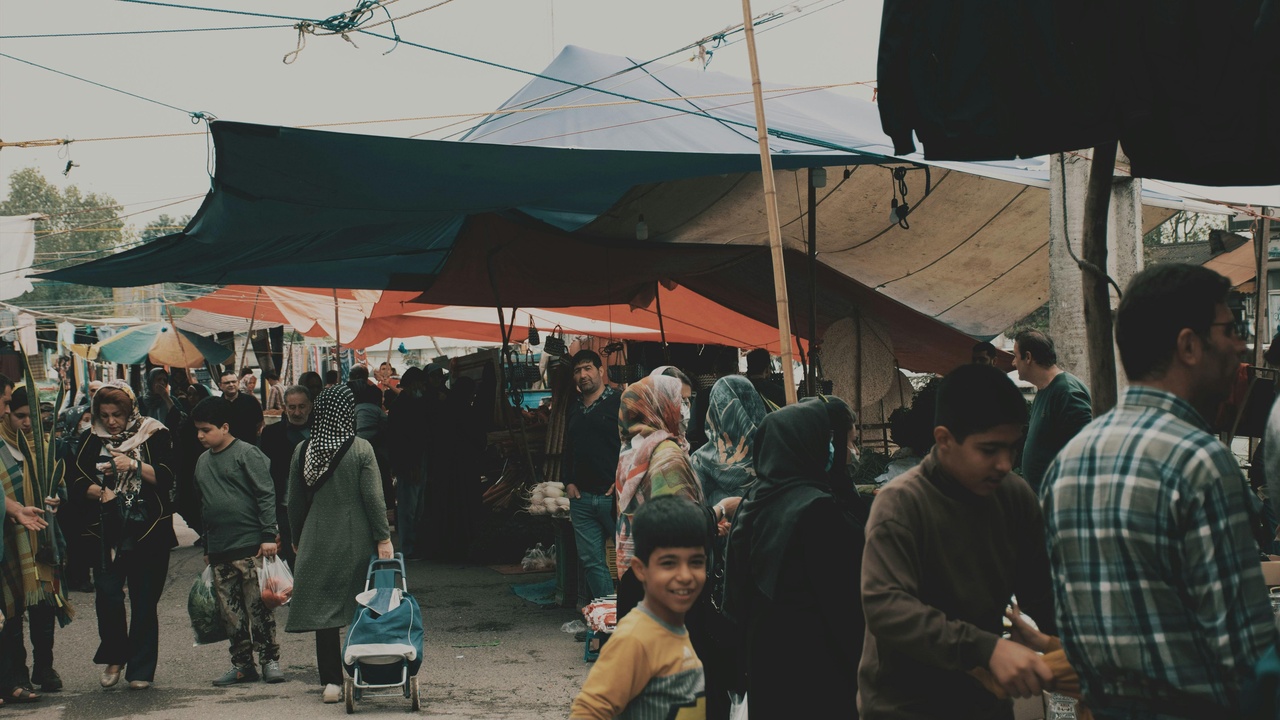
Even amid macroeconomic strain, Afghanistan’s local economies exhibit notable resilience: lower baseline costs, artisanal export niches and a persistent NGO and UN presence that have historically provided jobs.
1. Affordable cost of living
Everyday expenses—rent, fresh food, household services—are often a fraction of what they are in major Western capitals. Typical one-bedroom rents in safe Kabul neighborhoods can run far below prices in European cities, and local bazaars supply staples at low cost.
That affordability translates into more disposable income for many families and a lower entry cost for entrepreneurs starting small shops or workshops. Skilled services—tailoring, carpentry, repairs and domestic help—are widely available at prices that make bespoke goods and regular maintenance feasible for many households.
Conditions vary by city, neighborhood and the security situation, so up-to-date local rental and CPI data are essential when planning to move or invest.
2. Entrepreneurial opportunities in artisanal and agricultural niches
Afghanistan’s artisanal industries and specialty agriculture have long supplied export markets and local livelihoods. Saffron and pomegranates are examples of high-value crops that smallholders can grow on limited land.
Handwoven carpets from Herat and Ghazni fetch prices abroad, while lapis lazuli (a historic Afghan export) remains a prized gemstone for jewelers. Cooperatives in Herat have helped scale saffron cultivation, and carpet workshops in several provinces supply buyers in the EU and the US.
For smallholders and artisan entrepreneurs, these niches offer pathways to higher margins than staple crop farming alone, especially when supported by export-focused partners and quality-control programs.
3. Jobs with NGOs, international agencies and reconstruction projects
Development, health and education professionals have long found career roles in Afghanistan when international organizations operate there. Agencies such as UNAMA, the ICRC and Médecins Sans Frontières (MSF) have historically hired both international and national staff for project management, logistics, medical outreach and teaching.
Local hires often fill program administration, monitoring and community liaison posts, providing steady employment in provincial centers. Staffing levels ebb and flow with funding and security conditions, so opportunities can be intermittent but remain significant in urban areas.
Cultural, Social and Community Strengths
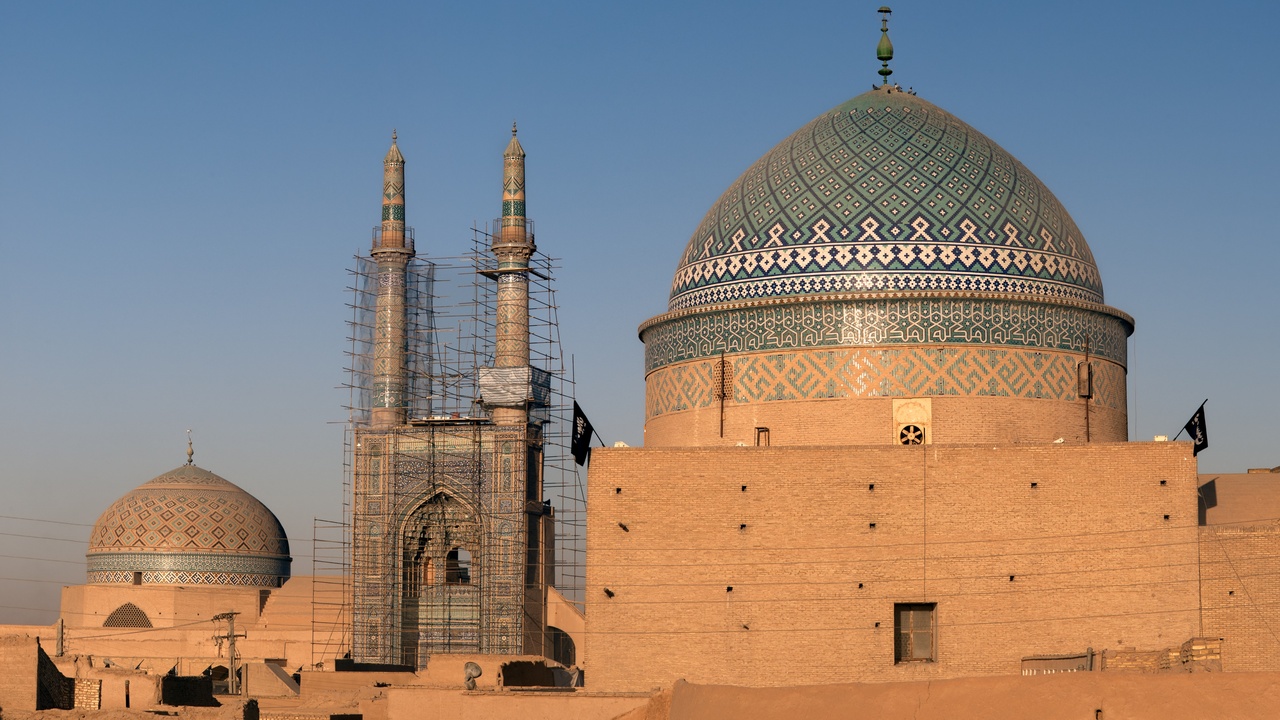
Daily life in Afghanistan is shaped by centuries-old customs, strong communal ties and food traditions that vary by region. These social patterns provide emotional and practical support for many people.
4. Rich cultural heritage and living traditions
Afghanistan sits at historic crossroads: Silk Road trade, Persian literature and Central Asian crafts converge in its towns and villages. The Minaret of Jam (late 12th century) is one UNESCO-listed symbol of that deep past.
Poetry, music and oral storytelling remain part of everyday gatherings in places like Balkh, and traditional crafts are often family trades passed down generations. Festivals and seasonal rituals—Nowruz, harvest feasts and regional celebrations—structure community life.
5. Strong family and community networks
Extended-family structures and tight neighborhood ties provide informal social safety nets. Hospitality customs and mutual aid—sharing food at weddings or pooling labor during harvests—reduce reliance on formal services for many households.
These networks help with childcare, elder care and local problem-solving, and they often form the first line of economic and social resilience after shocks such as crop failures or displacement.
6. Distinctive cuisine and lively local markets
Afghan cuisine is notable for aromatic rice dishes, breads and seasonal fruits: kabuli pulao at celebrations, mantu and bolani in daily markets. Provincial specialties—Kandahar pomegranates and Herat melons—are celebrated locally and prized in export markets.
Weekly bazaars act as social hubs where people buy produce, spices and handcrafted goods while exchanging news. For residents, access to fresh ingredients from nearby farms makes flavorful, seasonal cooking affordable and commonplace.
Natural Environment and Agricultural Strengths
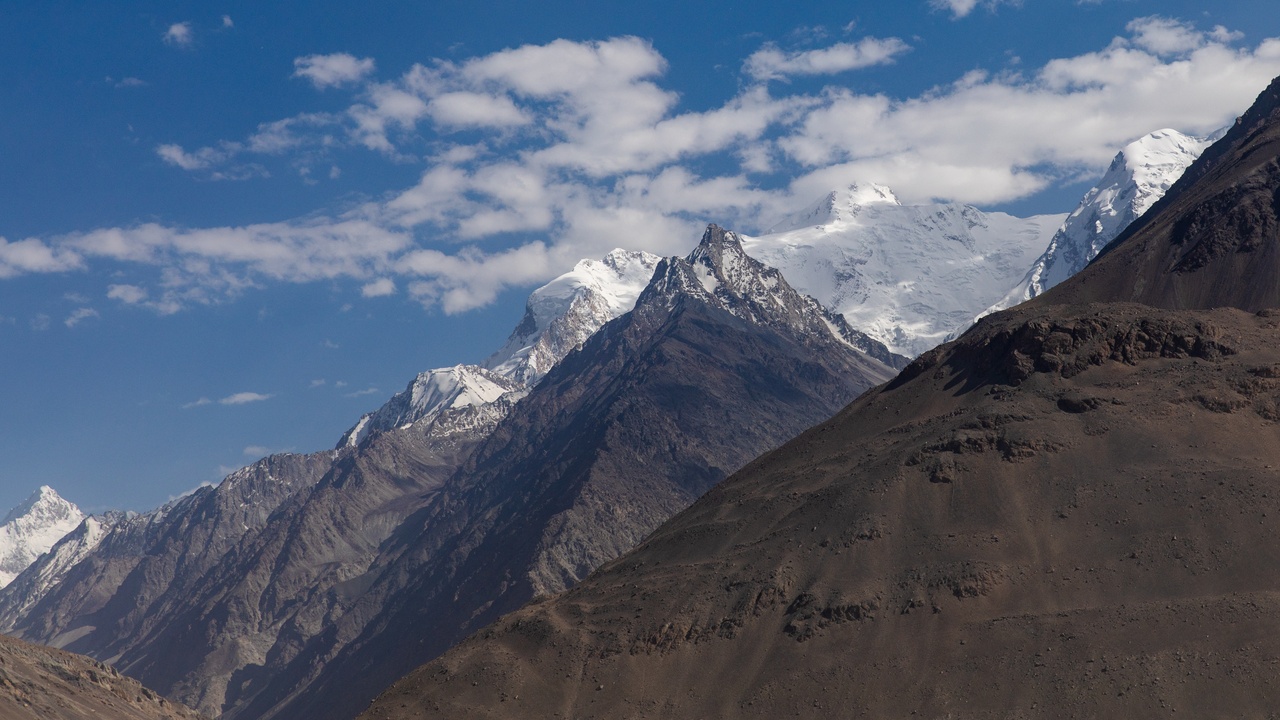
The country’s geography—from the Hindu Kush to high plateaus and river valleys—supports outdoor livelihoods and specialty agriculture tied to microclimates.
7. Dramatic landscapes and outdoor opportunities
Afghanistan’s peaks and lakes offer real opportunities for trekking, pastoralism and nature-based livelihoods. Noshaq, the country’s highest summit, reaches 7,492 m and draws experienced climbers and local guides.
Band-e Amir, designated a national park in 2009, provides striking alpine lakes and modest eco-tourism potential. The Wakhan Corridor’s remote valleys are known for trekking and seasonal grazing, supporting local guides and hospitality services.
These landscapes also sustain pastoral practices and seasonal mobility that remain central to livelihoods in many provinces.
8. Agricultural niches: saffron, pomegranates and high-value crops
Microclimates in Herat and Kandahar favor high-value, low-acreage crops. Saffron—cultivated mainly in Herat—fetches premium prices on international markets and allows farmers to increase income on small plots.
Kandahar pomegranates and regional apricots are processed and exported fresh or dried. Cooperative models and development programs have helped some communities scale production and improve market access.
For many smallholders, switching part of their land to saffron or export-quality fruit can raise household income substantially without large additional acreage.
Practical Advantages and Strategic Positioning
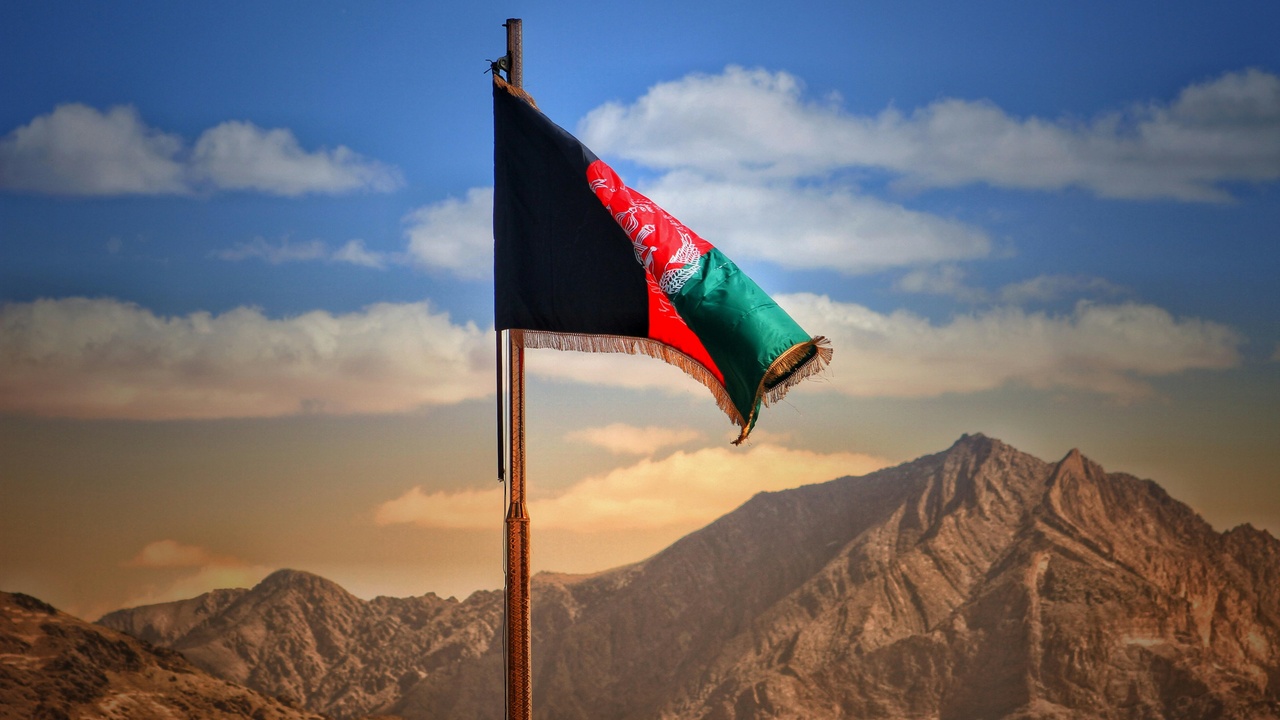
Afghanistan’s location and human resources create practical advantages for trade, craftsmanship and labor-intensive enterprises.
9. Strategic location for regional trade and transit
Sitting between Central and South Asia, Afghanistan borders Pakistan, Iran, Turkmenistan, Uzbekistan, Tajikistan and—via the Wakhan Corridor—China. That adjacency gives it transit and cross-border commerce potential.
Market towns such as Mazar-e-Sharif and Kandahar function as regional commercial centers linked to overland trade. Proposed infrastructure and corridor projects (including interest from regional partners) point to opportunities in logistics and warehousing where security and governance allow.
Residents near border hubs often derive income from cross-border trade, transport services and market intermediation.
10. Affordability and access to skilled services and traditional crafts
Access to skilled artisans and tradespeople is comparatively affordable. Tailors, carpenters and rug-weavers provide bespoke goods at prices that make custom items attainable for many households.
Commissioning a handwoven carpet, having clothing tailored, or hiring local craftsmen for carpentry or repairs often costs less than equivalent services in many Western cities. These exchanges sustain local craft economies that also supply export markets.
For entrepreneurs, that combination of low service costs and export-quality craftsmanship can lower startup costs and support small-scale manufacturing for external markets.
Summary
Afghanistan’s advantages are tangible: affordable living in many areas, artisanal and agricultural export niches, deep communal culture and dramatic natural landscapes. These strengths coexist with complex political and security challenges, so careful, ethical engagement matters.
- Economic: lower baseline costs, artisan exports (carpets, lapis) and NGO employment create livelihood options.
- Cultural: centuries-old heritage (Minaret of Jam, late 12th century), poetry and festivals sustain community life.
- Environmental: high peaks (Noshaq 7,492 m), Band-e Amir (national park, designated 2009) and microclimates for saffron and pomegranates.
- Practical: strategic crossroads location, affordable skilled services and a youthful workforce (median age around 18.4, UN estimate) that support trade and local enterprises.
To learn more, consult UNESCO, UN agency reports and recent agricultural or market analyses, and consider respectful travel or support for ethical trade initiatives that benefit local communities.