
On July 10, 1973 the Bahamas took its place as an independent nation, and the islands have since balanced that proud history with an irresistible modern lifestyle: turquoise waters lapping white sand, morning fishermen unloading their catch, and Nassau streets that move at an easy, sunlit pace. With a population of roughly 393,000 (2022), where you choose to live here affects finances, health and daily happiness in very immediate ways. For many people the benefits of living in the bahamas are about more than tourist photos—they’re about daily routines that include beachside breakfasts, short boat hops between cays, and neighbors who know your name. This piece outlines ten clear advantages grouped into natural and lifestyle benefits, economic and financial perks, health and wellbeing, and practical connectivity—so you can weigh how island life might fit your retirement plans, remote-work setup, or small-business ideas.
Natural and Lifestyle Advantages
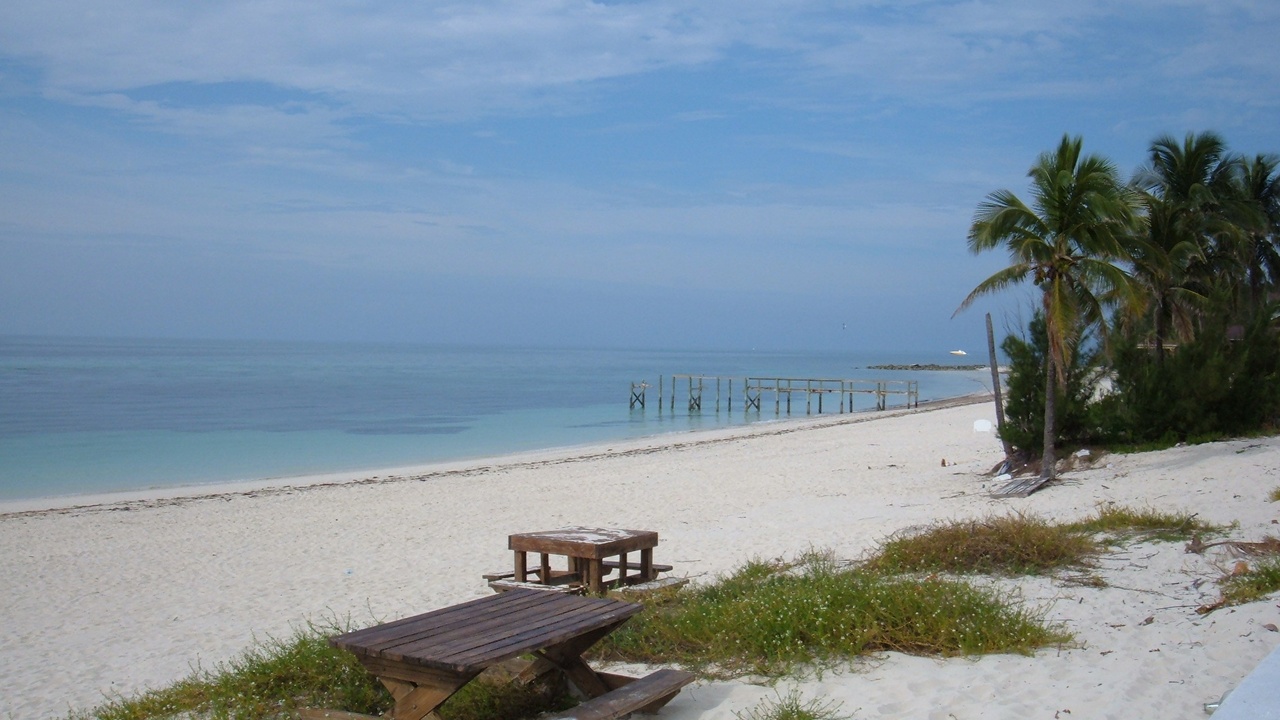
The islands’ geography and climate shape daily life in a way few places do: warm temperatures, clear water, and easy access to outdoor recreation. Average annual temperatures sit around 24–27°C, which keeps patios, marinas and market stalls active most of the year. You’ll see Cable Beach and the Exuma Cays as regular backdrops to social life, and natural attractions like Andros’ blue holes invite weekend exploration. There is a seasonal reality to consider—hurricane season runs June 1–November 30 and events such as Hurricane Dorian in 2019 remind residents to plan for storms. Still, the islands’ natural assets influence everything from how people commute to work (sometimes by boat) to how communities gather for festivals and markets.
1. Year-round warm climate and world-class beaches
Living in the Bahamas means regular access to beaches and mild weather that encourage outdoor living. With temperatures roughly 24–27°C most of the year and famously clear, turquoise water and white sand, swimming, snorkeling and beachside dining are everyday options. That climate reshapes routines: morning swims, gardening in coastal soils and frequent boat trips become ordinary. Cable Beach in Nassau and the beaches of the Exumas offer different rhythms—urban convenience versus quiet cays—but both let residents fit more outdoor time into each week. Remember hurricane season (June 1–November 30) and plan accordingly for insurance and emergency supplies.
2. Outdoor recreation and excellent water sports opportunities
The Bahamas is a playground for anglers, divers, sailors and paddleboarders, with hundreds of recognized dive sites and protected areas like the Exuma Cays Land and Sea Park. Scuba diving around Andros and the park’s coral gardens, bonefishing on shallow flats, or booking a deep-sea fishing charter in Abaco and Grand Bahama are lifestyles as much as hobbies. These activities support local guides and tour operators, so recreation and the local economy are closely linked. For many residents the ability to kayak to a nearby cay or join an evening reef snorkel raises both fitness and social time without long drives.
3. Island culture, community and relaxed pace of life
A slower pace, tight-knit communities and a lively festival calendar are core advantages for people who value social connection. Junkanoo parades (traditional music and costumes), local fish fry gatherings and community markets are common social anchors. That rhythm often reduces daily stress and builds stronger neighbor ties. Expect variation: Nassau has a busier nightlife and more services, while Out Islands such as Exuma offer quieter, small‑settlement living. For many newcomers that blend of celebration and calm is a major draw.
Economic and Financial Perks

The Bahamas’ economy gives residents tangible advantages: a tourism-driven job base, a favorable tax environment for many individuals, and visa options that attract remote workers and retirees. Tourism accounts for roughly half of GDP, which creates demand for hospitality, transport and marine services. Policy moves such as the 2020 Welcome Stamp remote‑work visa have made extended stays easier for digital workers, while international resorts and boutique operators—from Atlantis Paradise Island to small charter firms—drive entrepreneurial opportunities. Cost caveats are real: imported goods can be expensive and real estate prices vary widely by island. Still, the combination of tourism income, selective tax benefits and growing remote-work infrastructure appeals to people balancing lifestyle with financial planning. These are among the benefits of living in the bahamas that draw retirees, entrepreneurs and mobile professionals.
4. Favorable tax environment for many residents
Residents enjoy a tax structure that lacks personal income tax, capital gains tax and inheritance tax, which can boost net income for retirees and business owners. That absence often means pensions, investment income and small-business profits stretch further than in higher‑tax jurisdictions. There are tradeoffs: the government uses VAT and import duties to raise revenue, so everyday goods and imported vehicles can cost more. A common scenario is a retiree drawing a foreign pension who keeps more of their income on-island, while still budgeting for higher grocery and appliance costs due to import duties and VAT.
5. Business and tourism-driven job opportunities
Tourism’s weight in the economy creates steady demand for hospitality staff, guides, marine services and small-business offerings. With tourism representing roughly half of GDP, seasonal peaks—especially the winter high season from November through April—bring hiring spikes and revenue surges for local operators. That environment makes it realistic to start a tour company, open a restaurant near resort areas, or offer niche services for visiting yachts. Practical tips for entrepreneurs include building relationships with resorts (such as Atlantis Paradise Island), planning for off‑season cash flow and hiring locally to tap island expertise.
6. Attractive options for remote workers and retirees
Programs like the Bahamas Welcome Stamp have made year-long remote work possible without immediate residency complications, and urban islands provide increasingly reliable internet and coworking options. Nassau and Freeport host coworking spaces and multiple broadband and 4G providers, making remote work practical for many professionals. Retirees get a similar draw: quality of life, tax advantages and access to expat communities. A simple example is someone who used the Welcome Stamp for a year to combine freelance work with regular boat trips and local volunteer activities, finding productivity and wellbeing improved by the island rhythm—while budgeting for higher housing or import costs.
Health, Safety and Wellbeing
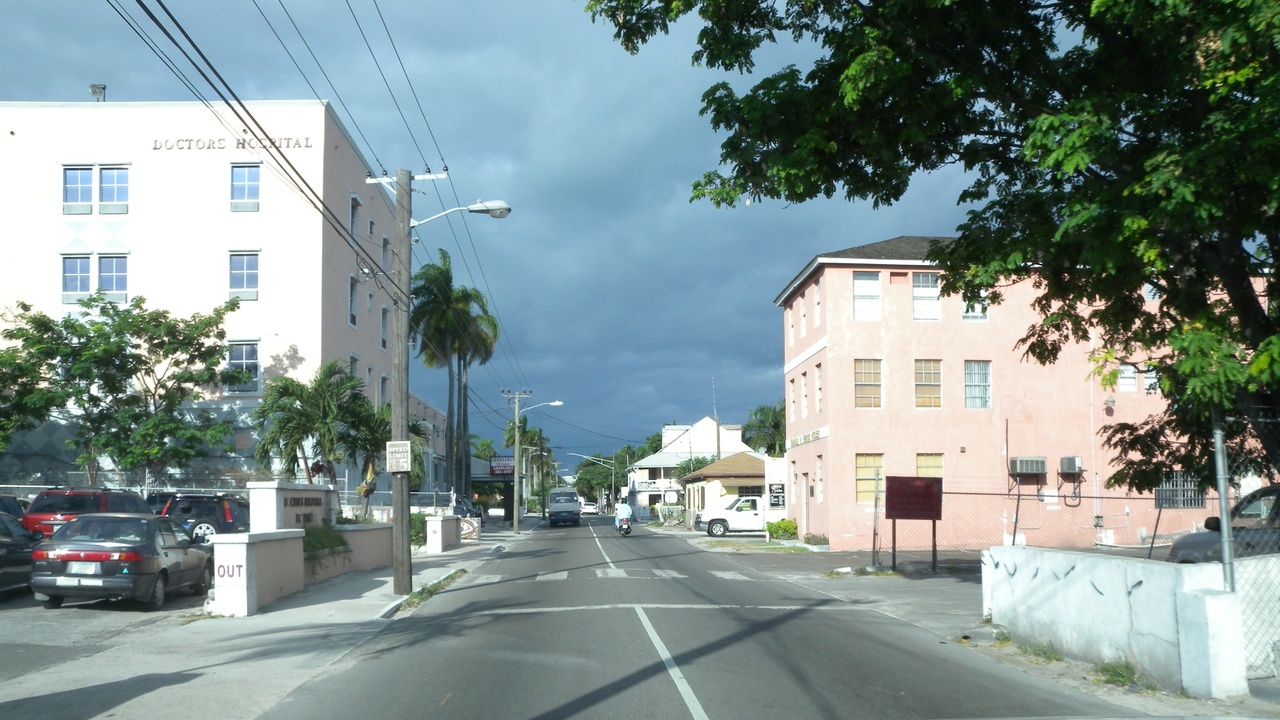
Island living often improves physical and mental wellbeing through increased outdoor time and lower urban pollution, while healthcare is available in most larger islands with some limits. General hospitals and private clinics serve routine and emergency needs on islands such as New Providence and Grand Bahama. For complex or specialized care people typically use medical evacuation pathways to nearby U.S. centers. Community policing and small‑town familiarity can add a sense of safety, though conditions vary by island and neighborhood. Practical planning—insurance, medevac membership, and knowing where regional hospitals are—helps residents manage health risks while enjoying the benefits of island life.
7. Better mental health and active outdoor living
Daily access to beaches, boating and community events supports mental health and an active lifestyle. Regular outdoor activity—WHO guidance suggests at least 150 minutes of moderate activity per week—can be achieved here by morning walks on the sand, snorkeling sessions and weekend boating. Social rituals like Junkanoo rehearsals and fish fry nights create practical social ties that reduce isolation. For many residents these small, frequent activities translate into lower perceived stress and improved mood without extensive commuting or structured gym time.
8. Access to hospitals and regional medical transport
Larger islands host reputable hospitals—Doctors Hospital in Nassau and Rand Memorial Hospital in Grand Bahama—for routine and emergency care, and there are established evacuation routes to Florida for specialist treatment. Nassau to Miami flights take about 1 hour 15 minutes, which makes transfers to tertiary care practical when needed. Practical steps for residents include carrying comprehensive insurance, considering medevac membership plans and living within reasonable distance of major centers if ongoing specialized care is anticipated. Smaller cays may require boat or short flight transfers to reach these facilities.
Practical, Legal and Connectivity Benefits

Practical advantages include clear residency pathways for many newcomers, frequent travel links to the U.S., and established expat networks that ease relocation. The government offers work permits, permanent‑residency processes and programs like the Welcome Stamp for long stays. Proximity to the U.S. makes banking, shopping and medical trips straightforward for those who need them, while local real estate markets and import costs demand careful budgeting. Expat groups, real estate agents and relocation specialists in Nassau and Freeport can shorten the learning curve for paperwork and local norms, so newcomers often find a supportive first network on arrival.
9. Clear residency and long-stay options for many newcomers
Common pathways include short-term work permits, permanent-residency applications and year-long remote-work visas. Newcomers typically follow a checklist: decide on the visa type, gather identity and financial documents, secure housing, and register with local authorities once on-island. Investment or property ownership can influence some applications, so consult official government resources or an immigration specialist for current requirements. Application fees and processing timelines apply, and working with a local advisor can speed navigation of local regulations.
10. Close U.S. connections and reliable travel/communications
Short flights to U.S. hubs, strong banking links and improving broadband make the Bahamas practical for people who need regular stateside access. Nassau to Miami is about a 1 hour 15 minute flight and the islands lie roughly 185 miles from Florida, so medical visits, shopping runs and business travel are manageable. Air routes between major islands and U.S. cities run frequently during peak season, and urban centers have growing fiber and 4G coverage. Many expats use Miami for banking and specialized services while keeping daily life on‑island.
Summary
Here are the essential takeaways to remember when weighing a move to the islands.
- Warm climate and world‑class beaches support an outdoor, low‑stress lifestyle.
- No personal income, capital gains or inheritance tax for residents—offset by VAT and import duties.
- Tourism drives jobs and entrepreneurship, while programs like the Welcome Stamp welcome remote workers and retirees.
- Close U.S. connections (short flights to Miami), improving broadband and established expat networks ease relocation.
Consider a short exploratory trip or consult a relocation specialist and official immigration resources to test the island lifestyle and confirm visa or residency steps before making a longer-term commitment.