September 15, 1821 — the day Central American provinces declared independence — still shapes public life in El Salvador. Annual civic rituals and town festivals trace their roots to that past, and many communities mark the calendar around shared memories and patronal feasts. With roughly 6.5 million people spread across cities and rural valleys, these practices do more than mark dates: they bind families, support small businesses, and guide tourist itineraries.
The customs described below highlight why readers should care about local traditions: they influence identity, provide livelihoods, and offer hands-on ways to experience Salvadoran culture. This piece groups ten important practices into three broad categories—religious and festive observances, food and life‑cycle rituals, and rural crafts and work rhythms—so you can see how celebrations, kitchens, and fields all keep cultural memory alive.
Across towns and neighborhoods you’ll find a mix of Catholic rites, folk elements, and practical economies. These are not static relics but living, evolving customs that draw both locals and visitors into the same streets and markets.
Religious and Festive Traditions
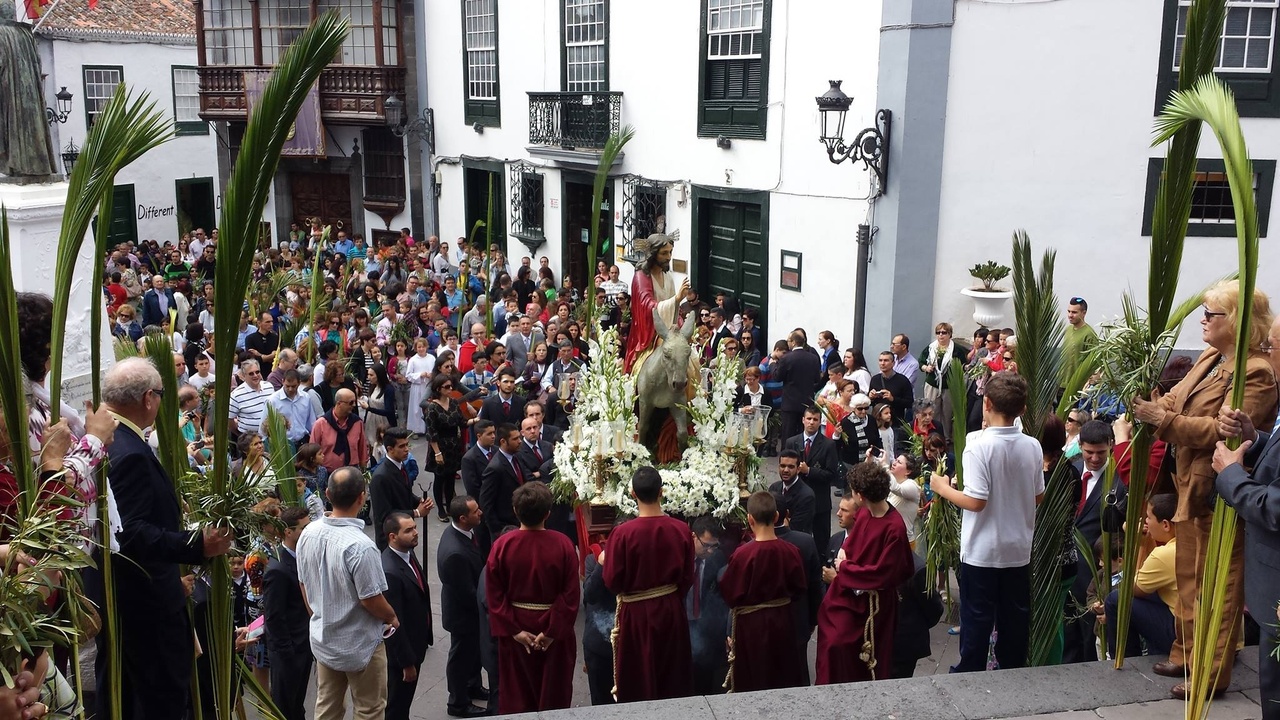
Public festivals structure much of the Salvadoran year. Catholic observance blends with folk practices, town patron saint days fill municipal calendars, and national holidays like Independence Day and Fiestas Agostinas draw large crowds. These events create predictable peaks for vendors, musicians, and artisans who plan months ahead to serve visitors and locals alike.
Religious processions, civic parades, and neighborhood spectacles are economic engines as much as cultural ones: street food sales spike, craft stalls pop up, and hotels see higher occupancy during major celebrations. The mix of ritual and commerce keeps traditions visible and financially sustainable.
1. Semana Santa processions and Holy Week rituals
Semana Santa — the week before Easter — produces some of the most elaborate public religious displays. Brotherhoods (cofradías) and parish groups carry richly decorated floats through city streets, often following routes that attract both local worshippers and international visitors.
Communities prepare for months: artisans build and repaint pasos, volunteers lay colored sawdust or flower carpets overnight, and churches coordinate schedules and music. Vendors selling snacks and candles benefit from the steady foot traffic, making Holy Week a notable boost for small businesses.
2. Fiestas Agostinas and the Feast of the Divine Savior
Fiestas Agostinas in early August center on the Divine Savior of the World and are among the country’s largest civic-religious gatherings. In San Salvador, celebrations peak around August 5–6 with masses at the Metropolitan Cathedral, parades, concerts, and nightly fireworks.
Municipalities organize fairs and amusement rides, while street vendors and artisans set up booths selling food, crafts, and religious souvenirs. The weeklong activity generates a short-term economic surge for performers, food sellers, and producers of devotional items.
3. Las Bolas de Fuego — the fireball celebrations in Nejapa
Las Bolas de Fuego in Nejapa is a dramatic late‑August festival where participants toss flaming cloth balls through the streets. The ritual commemorates a historical local event, and the spectacle has become a strong visual draw for photographers and curious travelers.
Residents form teams, prepare the fireballs, and rehearse safety measures. Municipal authorities and volunteer firefighters typically coordinate crowd control and cleanup, since the activity carries obvious risks. For many locals, the festival is a bold expression of neighborhood identity and memory.
4. Día de los Difuntos (Day of the Dead) customs
Observed on November 1–2, Día de los Difuntos is when families honor deceased relatives with grave cleaning, offerings, and shared meals. Cemeteries become lively gathering places as relatives decorate plots with marigolds, candles, and photographs.
Small vendors target the holiday, selling flowers, food, and candles, and families often turn the visit into a communal picnic. Regional variations exist, but the core practices—remembrance, cleaning graves, and preparing special dishes—are common across towns and cities.
Food, Family and Life-Cycle Traditions
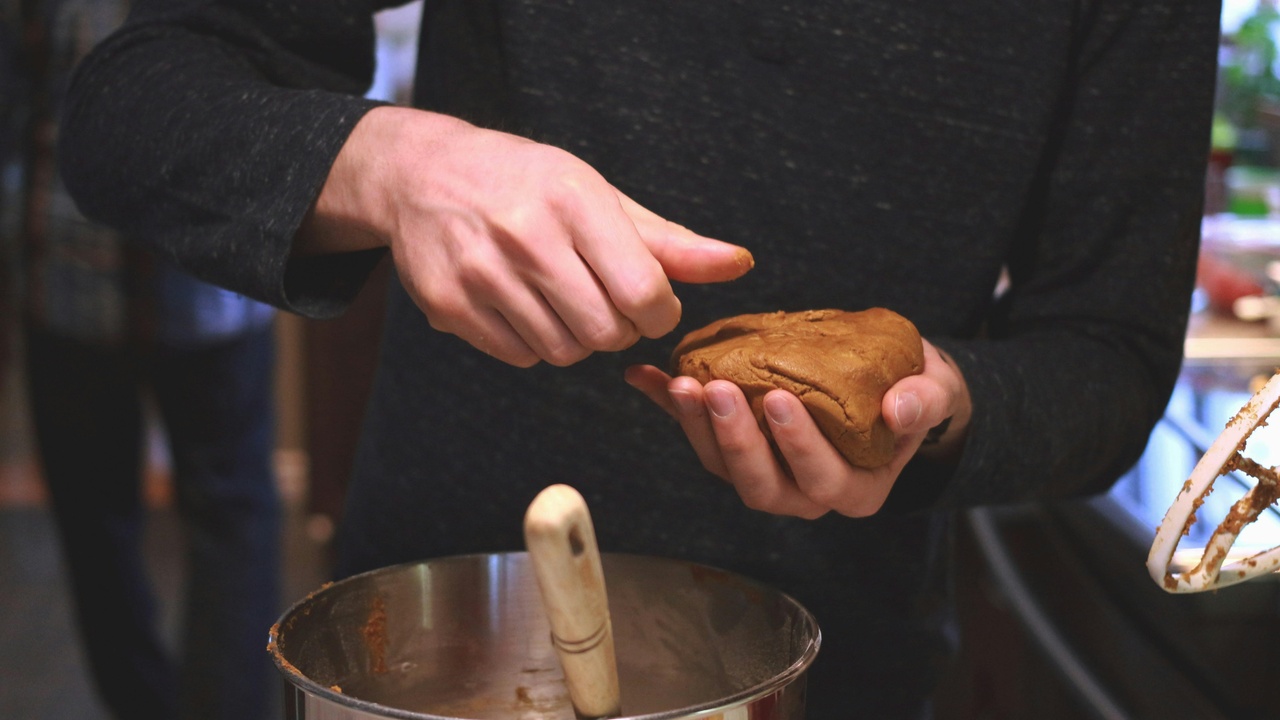
Cuisine, rites of passage, and holiday cooking connect daily routines with special occasions. Shared meals reinforce family bonds, while ceremonies such as quinceañeras follow ritualized patterns that mobilize a range of service providers. Food traditions act both as markers of identity and as steady sources of income for cooks and vendors.
Many Salvadoran customs center on the kitchen: recipes travel across generations, and neighborhood eateries become social hubs. The national dish and life‑cycle rites are prime examples of how food and family rituals sustain cultural continuity.
5. Pupusas and communal food traditions
Pupusas — thick corn tortillas stuffed with cheese, beans, or meat — are the national dish and a daily shared ritual. Towns like Olocuilta are famed for their pupuserías, where locals line up for breakfast and families gather to assemble batches on weekends.
Street vendors and small restaurants rely on steady pupusa sales, and the social ritual of sharing curtido (pickled cabbage) and salsa keeps meals communal. Pupusa-making supports cooks, masa suppliers, and informal market economies across the country.
6. Quinceañeras, weddings, and rites of passage
Quinceañeras and weddings combine religious ceremony with large receptions, live music, and formal dress. Families frequently invest significant resources, and godparents (padrinos) play public sponsorship roles—paying for dresses, flowers, or other ceremonial elements.
Those events sustain an ecosystem of florists, dressmakers, DJs, photographers, and caterers. A typical quinceañera begins with a church mass followed by a banquet and dance, and the planning can occupy months of preparation.
7. Holiday cooking: tamales, atole, and Christmas tables
Christmas prompts family kitchens into high gear: tamales are made in batches, and atole keeps crowds warm during evening gatherings. Preparations often start days ahead, with extended family members taking shifts to assemble and wrap food.
Neighborhood markets and temporary street kitchens gear up for the demand, selling masa, fillings, and spices. These seasonal surges provide important income for small vendors while preserving regional recipe variations.
Rural, Craft and Work Traditions
Many customs grow out of livelihoods and seasonal work. Agricultural cycles, artisan trades, and musical traditions set the tempo of village life. These practices preserve pre‑industrial skills while adapting to modern markets through cooperatives, fair‑trade initiatives, and tourism.
Handicrafts and music keep regional identities visible, and harvest seasons create predictable labor patterns that affect schooling, travel, and household budgets. The following examples show how work and culture intertwine.
8. Coffee harvest rituals and the seasonal economy
Coffee shaped El Salvador’s economy for more than a century, and harvest rhythms still govern rural calendars. The harvest generally runs from roughly November through March, with local families and hired pickers mobilized to gather ripe cherries.
Harvest demands affect school schedules, household labor, and village markets. Smallholder farms often form picking teams, and cooperatives now market specialty beans abroad, helping farmers capture more value from their harvests.
9. Weaving, pottery, and artisan craft traditions
Traditional crafts such as weaving, pottery, and basketry preserve regional patterns and techniques passed down through families. Artisan markets in towns and capital neighborhoods sell woven hammocks, hand‑painted ceramics, and decorative textiles to locals and tourists.
NGOs and fair‑trade groups sometimes help artisans access broader markets, while weekend fairs and hotel gift shops provide direct sales opportunities. Craft skills remain a vital supplement to farm incomes in many communities.
10. Traditional music and dance: marimba, cumbia, and folk forms
Music and dance animate civic festivals, religious processions, and private celebrations. Marimba ensembles, guitar bands, and folk dance troupes perform at town squares and patron saint days, keeping choreography and repertoire alive through community schools and rehearsals.
Youth groups often learn traditional steps and music at community centers, then perform at local fairs and weddings. These performances anchor social calendars and offer younger generations a sense of belonging.
Summary
- Traditions in el salvador structure social, religious, and economic life across the calendar year.
- Food, festivals, and crafts support small businesses—from pupuserías and holiday tamale kitchens to artisan markets and harvest labor.
- Seasonal rhythms like the November–March coffee harvest and August patronal weeks create recurring community patterns and regional variation.
- Many customs link to historical moments (for example, Independence Day) yet continue to adapt, offering visitors authentic, living cultural experiences.
- See traditions in action: attend a Semana Santa procession or Fiestas Agostinas, and try pupusas in Olocuilta or visit an artisan market to support local makers.