
Founded in 1847, Liberia is one of Africa’s oldest modern republics — a nation born from freed African‑American settlers with a complex history that still shapes daily life. Today a country of roughly 5.2 million people, its history feeds into present-day networks, institutions, and opportunities that matter to policy-makers, expatriates, investors, and members of the diaspora considering a return.
Despite notable challenges, this piece lays out ten concrete benefits of living in liberia across four themes — economic opportunity, natural resources and lifestyle, community and culture, and improving services and infrastructure — so readers can see where prospects are real and where to dig deeper.
Economic and Employment Opportunities
1. Established agribusiness and plantation jobs
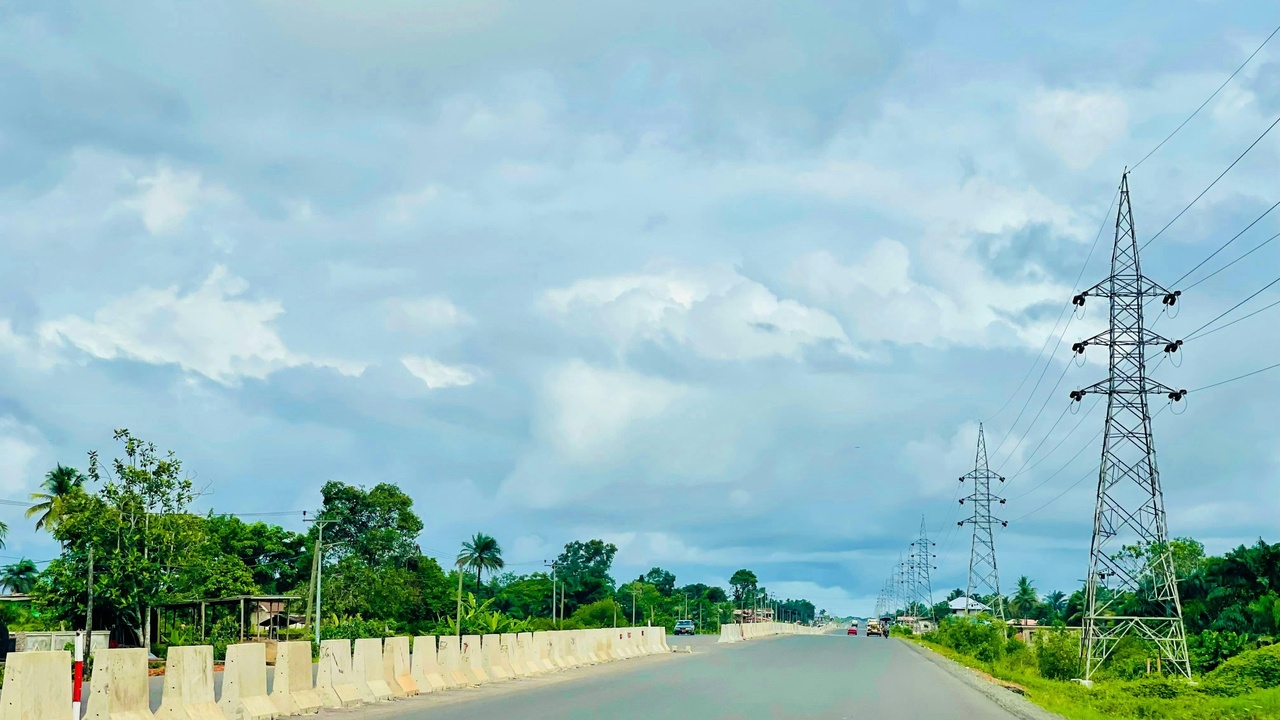
Steady employment still exists in rubber, palm oil, and other agricultural concessions, with long-term firms providing a backbone in some rural districts. Firestone Tire & Rubber Company, for example, has had operations in Liberia since 1926 and continues to employ local workers and run outgrower schemes.
Plantation work supports not just field labor but ancillary services — mechanics, supply shops, transport — and seasonal patterns of hiring that many communities rely on for income and infrastructure. Smallholder rubber and palm producers also supply local markets and benefit from training programs tied to larger concessions.
2. Shipping, registries, and maritime services
Liberia hosts one of the world’s largest ship registries, and that stature translates into jobs in maritime administration, crewing, legal services, and logistics. The Liberian International Ship & Corporate Registry registers thousands of vessels under the Liberian flag, generating fee income and professional roles at home and abroad.
Onshore impacts are visible in port towns such as Monrovia and Buchanan — crewing agencies, freight forwarders, marine insurance brokers, and port operators all find business tied to the registry. For skilled Liberians and expatriates with maritime experience, those niches offer relatively high-paying work compared with many local alternatives.
3. Entrepreneurial space and informal sector opportunities
The informal economy is where many Liberians and newcomers earn a living: market vending, motorcycle taxis, small food stalls, and mobile-money kiosks are common and require little start-up capital. Markets like Monrovia’s Waterside support daily trade and supply chains for city households.
Low barriers to entry make entrepreneurship accessible, and remittances from the diaspora often provide the seed capital for small enterprises. Women-led microbusinesses and community savings groups frequently form the backbone of local economies and can scale with modest support.
Natural Resources, Cost of Living, and Lifestyle

4. Relatively low cost of living in many regions
Outside Monrovia, everyday costs for housing, food, and transport can be substantially lower, allowing salaries or retirement savings to go farther. Local markets sell farm-fresh produce — cassava, local rice, and coastal fish — at prices that undercut imported goods.
Smaller coastal towns and provincial centers typically offer cheaper rent and lower service costs than the capital, which appeals to expatriates on limited budgets and returnees aiming to stretch remittance income into property or a business.
5. Natural beauty and eco-tourism opportunities
Liberia’s roughly 580 km of Atlantic coastline, extensive rainforests, and parks like Sapo National Park provide strong lifestyle and tourism assets. Surf spots around Robertsport and quiet beaches near Buchanan draw both local and visiting travelers.
Eco-tourism supports guides, guesthouses, and conservation jobs and creates opportunities for partnerships with international NGOs and tour operators. Small eco-lodges and community-based tourism projects can provide sustainable income while protecting biodiversity.
Community, Culture, and Quality of Life

6. Strong community ties and welcoming culture
Extended-family networks, church groups, and neighborhood associations remain central to daily life and provide practical support like childcare, informal lending, and local problem-solving. Community savings clubs and church-led projects are common informal safety nets.
Neighborhood celebrations and national events — such as Independence Day on July 26 — bring people together and make social integration easier for newcomers who participate in local civic life.
7. Diaspora connections and returnee opportunities
Liberia’s diaspora remains active, sending remittances and funding schools, clinics, and small businesses back home. That flow of capital and expertise helps seed enterprises and raises demand for better services.
Returnees often bring skills and networks that create jobs and improve standards in education and healthcare, and diaspora-led projects — from scholarship funds to private clinics — show how outside connections translate into on-the-ground benefits.
Improving Services, Education, and Infrastructure
8. Expanded healthcare access through NGOs and partners
A significant NGO and UN presence has expanded primary healthcare access in many districts, with immunization campaigns, maternal-health programs, and community health‑worker training improving outcomes over the past two decades. Organizations such as WHO and UNICEF support vaccination and nutrition programs across the country.
These programs reduce preventable disease outbreaks, strengthen maternal and child health, and train cadres of community health workers who keep clinics running in remote areas. That network matters to families and to workers in public and NGO clinics.
9. Growing education and youth development programs
Since the end of the civil conflicts (post-2003), school rebuilding and vocational training have been priorities. UNESCO, USAID, and private donors have supported school reconstruction, teacher training, and scholarship programs that boost literacy and create pathways into trades.
Vocational centers that teach carpentry, mechanics, and hospitality link youth to local industries, while diaspora-funded scholarships and private initiatives are increasing options for motivated students and entrepreneurs.
10. Targeted infrastructure and connectivity improvements
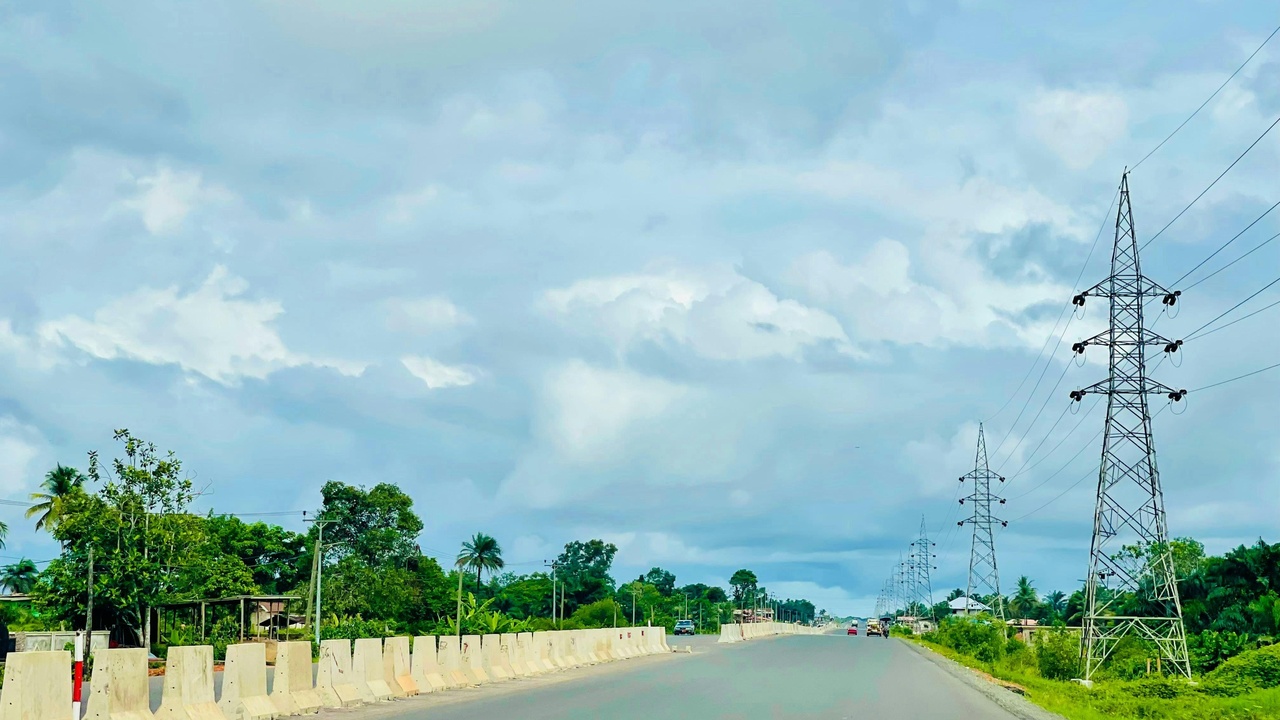
Select infrastructure upgrades — port rehabilitations, targeted road projects, and expanding mobile networks — are improving connectivity between resource areas and export points. Port work in Monrovia and Buchanan, combined with road repairs on key corridors, helps firms move goods more cheaply and reliably.
Mobile network growth has also expanded mobile-money services, lowering transaction costs and enabling small businesses to accept digital payments. Those incremental improvements make markets more accessible and can attract focused foreign investment.
Summary
- Long-standing sectors — from Firestone plantations (since 1926) to the Liberian International Ship & Corporate Registry — create tangible jobs and revenue streams.
- Living costs outside Monrovia are often lower, while Liberia’s coastline (~580 km), rainforests and parks like Sapo National Park offer lifestyle and eco-tourism options.
- Community networks, active diaspora ties, and returnee investments supply social support and capital that help small businesses and public services grow.
- NGO-backed health and education programs and targeted infrastructure projects (ports, roads, telecom) are steadily improving access to services and markets.
- For policymakers, investors, expatriates, or members of the diaspora, these combined advantages — from shipping-sector opportunities to affordable coastal living and community strength — make a persuasive case to research, visit, or invest in Liberia.