Uzbekistan sits at the crossroads of Central Asia, where Silk Road trade, imperial borders and modern migration have shaped a diverse cultural and linguistic map. From city streets to mountain villages, languages reflect the country’s layered history and regional connections.
There are 18 Languages Spoken in Uzbekistan, ranging from Armenian to Uzbek; for each entry you’ll find below Speakers (est.),Status in Uzbekistan,Main regions to show estimated numbers, official or social status, and where the language is mainly used — you’ll find below.
Which language is most widely used for daily life and government in Uzbekistan?
Uzbek is the state language and the most commonly used in government, education and everyday life, while Russian remains an important lingua franca in business and urban areas; other languages like Tajik, Kazakh and Karakalpak are strongly used in their regional communities.
Are minority languages taught or officially recognized?
Some minority languages have local recognition and are used in community schooling or media, but support varies by region and language; teaching and official use tend to be stronger for larger communities (Tajik, Kazakh, Karakalpak) than for smaller groups.
Languages Spoken in Uzbekistan
| Language | Speakers (est.) | Status in Uzbekistan | Main regions |
|---|---|---|---|
| Uzbek | 29,000,000 | Official state language | Nationwide; Tashkent, Samarkand, Fergana Valley |
| Russian | 7,000,000 | Widespread lingua franca and interethnic communication | Tashkent, large cities, industry centers |
| Tajik | 1,800,000 | Minority language with regional concentration | Samarkand, Bukhara, Surxondaryo regions |
| Karakalpak | 600,000 | Regional official language (autonomous republic) | Karakalpakstan (Nukus region) |
| Kazakh | 500,000 | Minority regional language, cross-border ties | Northern provinces and border areas |
| Kyrgyz | 150,000 | Minority language, local communities in east | Fergana Valley and eastern districts |
| Turkmen | 120,000 | Minority language in southern border areas | Southern and southwestern border regions |
| Tatar | 100,000 | Minority language, urban and community use | Tashkent and other cities |
| Uyghur | 120,000 | Minority language, communities in eastern regions | Eastern provinces and some cities |
| Korean (Koryo-saram) | 50,000 | Heritage/immigrant community language | Tashkent and urban centers |
| Bukharian (Bukhori) | 20,000 | Heritage minority language (Bukharan Jews) | Bukhara, Samarkand, Tashkent communities |
| Armenian | 40,000 | Minority community language, urban use | Tashkent and other cities |
| Ukrainian | 20,000 | Diaspora community language | Cities and industrial towns |
| Azerbaijani | 35,000 | Minority/heritage language | Urban areas and trade hubs |
| Romani | 25,000 | Minority community language | Urban and rural locales across Uzbekistan |
| German | 5,000 | Heritage language of small communities | Selected urban centers and older populations |
| Turkish (Meskhetian/Ahıska) | 50,000 | Heritage language of Meskhetian (Ahıska) communities | Various regions with Meskhetian populations |
| Mandarin Chinese | 10,000 | Immigrant/business community language | Tashkent and trade centers |
Images and Descriptions

Uzbek
A Turkic language (Karluk branch) written in Latin script officially (Cyrillic still used); major state language used in education, media, government, and daily life; dominant across cities and rural areas, with many dialects and strong national status
Russian
An East Slavic language using Cyrillic script; widely used as a lingua franca in administration, business, education, and media; historically dominant under the USSR; spoken natively and as a second language by sizable urban and professional populations
Tajik
A variety of Persian (Iranian branch) written in Cyrillic in Uzbekistan; spoken mainly by ethnic Tajiks in Samarkand and Bukhara regions; used in home life, local media, and cultural life though limited in official domains
Karakalpak
A Kipchak Turkic language closely related to Kazakh, using Latin and Cyrillic scripts; regional and official language of Karakalpakstan; used in local government, education, traditional culture, and daily life across the autonomous republic
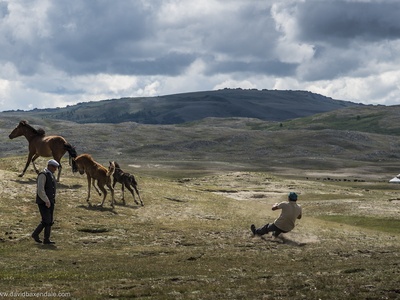
Kazakh
A Kipchak Turkic language using Cyrillic and increasingly Latin script; spoken by ethnic Kazakhs in northern regions and border areas; used in community life, cross-border trade, and cultural activities, with ties to Kazakhstan
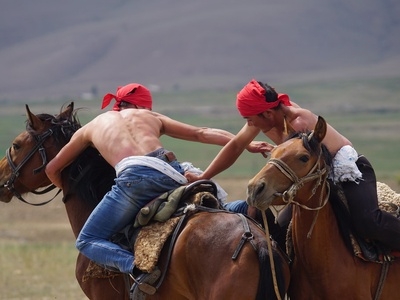
Kyrgyz
A Kipchak Turkic language written in Cyrillic (and Latin in discourse); spoken by Kyrgyz minorities in eastern Uzbekistan, especially Fergana Valley; used in family life, local markets, and cultural exchange with Kyrgyzstan
Turkmen
An Oghuz Turkic language using Latin and Cyrillic scripts; spoken by Turkmen communities near the southern and southwestern borders; used in home and community contexts and cultural ties with Turkmenistan
Tatar
A Volga–Kama (Kipchak) Turkic language using Cyrillic and Latin scripts; spoken by Tatar communities primarily in cities like Tashkent; used in family, cultural associations, and religious life, often maintained through community organizations
Uyghur
A Turkic language (Karluk branch) using Arabic-derived Uyghur or Cyrillic scripts historically; spoken by Uyghur communities in eastern Uzbekistan; used in home life, religious practice, and cultural networks with Xinjiang
Korean (Koryo-saram)
A Korean dialect (descendants of early 20th-century migrants) using Hangul; spoken by Koryo-saram communities in urban centers; used in home, community institutions, and cultural clubs, reflecting Soviet-era migration and some bilingual media presence
Bukharian (Bukhori)
A Judeo‑Tajik dialect of Persian (Iranian branch) historically written in Hebrew script and Cyrillic modern variants; spoken by Bukharan Jewish communities in cities like Bukhara and Samarkand; used orally, in cultural life, and religious tradition
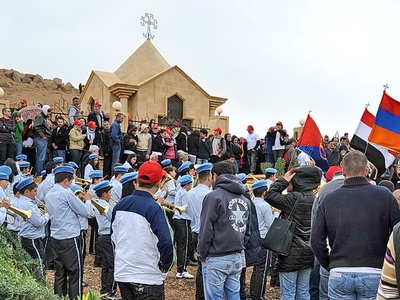
Armenian
An Indo‑European (Armenian branch) language using the Armenian script; spoken by Armenian communities in urban centers, notably Tashkent; used in family, church, cultural associations, and community media
Ukrainian
An East Slavic language using Cyrillic script; spoken by Ukrainian diaspora communities in cities and industrial towns; used in family, community events, cultural clubs, and some bilingual schools and heritage organizations
Azerbaijani
An Oghuz Turkic language using Latin script; spoken by Azerbaijani families in cities and trade hubs; used at home, in cultural associations, and during cross-border ties with Azerbaijan and local businesses
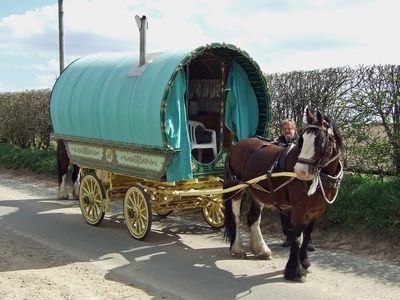
Romani
An Indo‑European language family (Romani) using various scripts; spoken by Roma communities across Uzbekistan in urban and rural locales; used in family networks, traditional occupations, intra-community oral culture, and music
German
A West Germanic language using Latin script; spoken by small ethnic German communities and older generations; used in family settings, cultural clubs, and occasional German-language media or heritage education programs
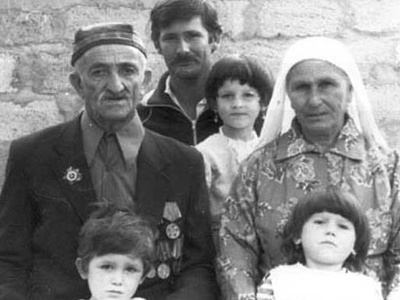
Turkish (Meskhetian/Ahıska)
A Turkic language (Oghuz branch) similar to Azerbaijani/Turkish, using Latin script; spoken by Meskhetian Turkish communities (Ahıska) in various regions; used in home life, cultural associations, and intercommunity commerce networks
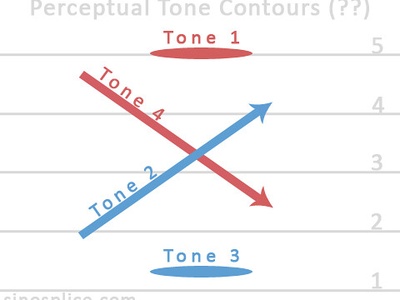
Mandarin Chinese
A Sinitic (Chinese) language using simplified or traditional Chinese characters and pinyin; spoken by small Chinese business and expatriate communities in Tashkent and trade centers; used in commerce, community, and cultural events