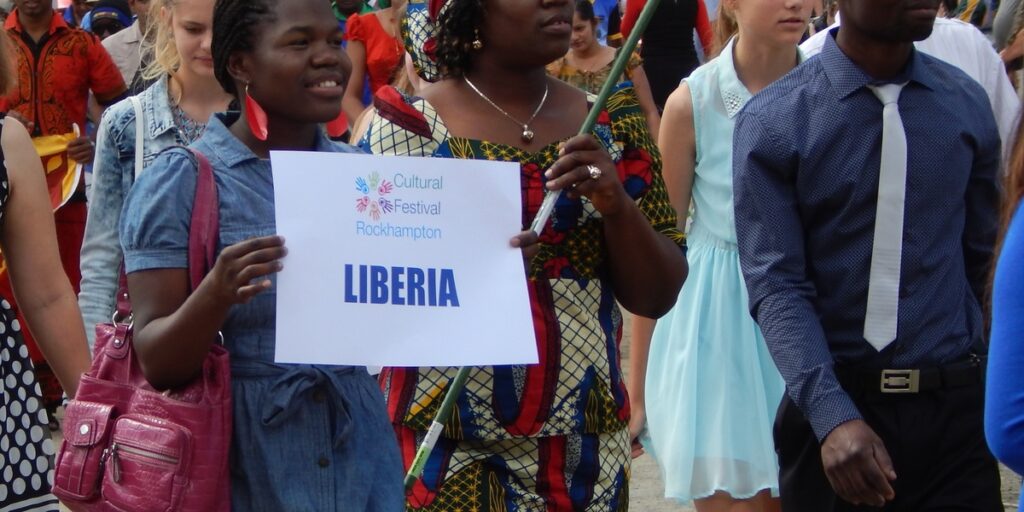
On July 26, 1847, Liberia declared independence, becoming Africa’s first modern republic. Its national story has always mixed settler institutions with deep indigenous customs.
That mix matters because local customs shape politics, conflict resolution, food, health, and family life across the country. With a population of around 5 million and roughly 16 major ethnic groups, everyday practices still steer how communities organize and respond to change.
Below are ten traditions that structure social order and daily routine—from secret societies and masking to palava-hut dispute resolution and culinary rituals. Each entry explains what the practice does, who keeps it alive, and how it affects identity and survival.
The tone is conversational but rooted in history and field observation. Read on for concrete examples of how culture holds communities together in both rural regions and fast-changing urban neighborhoods.
Cultural and Social Traditions
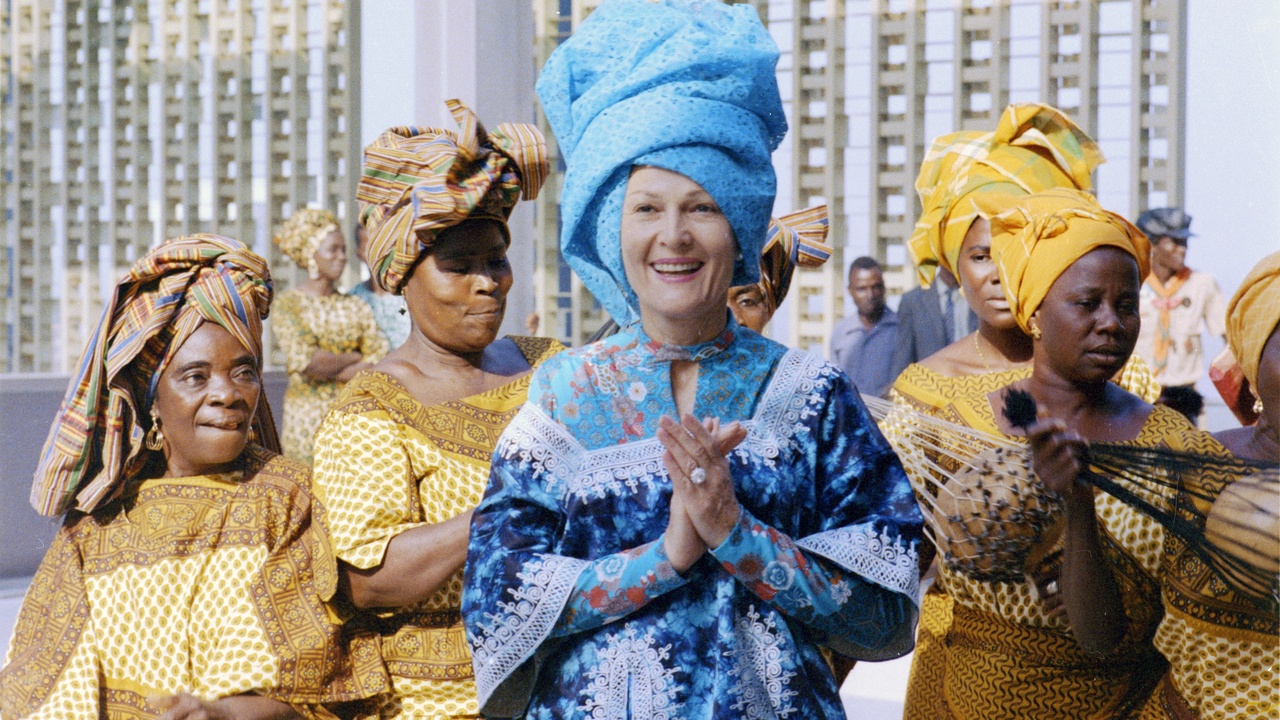
Communal institutions—secret societies, music ensembles, and storytelling—form the backbone of social life across Liberia’s roughly 16 indigenous groups. They transmit values, settle disputes, and keep collective memory alive in ways formal schools and courts rarely do.
Some of these practices predate the 1847 state and survived major disruptions, including the 1989–2003 civil wars, when displacement and violence tested but did not erase local customs. After the wars, many communities deliberately revived masked dances, initiation rites, and oral histories as part of rebuilding.
Music and dance coordinate labor and ritual. Secret societies guide moral education. Storytellers serve as living archives. Together they sustain social cohesion, enforce norms, and offer a shared language across Kpelle, Bassa, Vai, Grebo, and other groups.
Below are four core social traditions that illustrate how cultural practice shapes public life, local leadership, and how people mark transitions.
1. Poro and Sande Societies (Initiation and Social Order)
Poro (men) and Sande (women) are long-standing secret societies that guide initiation, social training, and local leadership in many Liberian communities. They exist not only in Liberia but across neighboring West African cultures, and they remain active among groups such as the Kpelle, Bassa, Vai, and Grebo.
Initiation functions as social education: elders teach hunting, farming, marriage rules, and communal responsibilities. Masked performances often mark the close of initiation, and elders use ceremonies to pass moral instruction and local law from one generation to the next.
In practice, those societies influence dispute resolution and local governance because community leaders typically trace authority to roles defined by Poro or Sande membership. That authority preserves rites-of-passage continuity and keeps elders central to decision-making.
2. Masking and Masquerade Dances
Masking traditions—carved wooden masks, colorful costumes, and set choreography—are central to ceremonial life. Villages stage masquerades for harvest festivals, initiations, funerals, and other occasions tied to agricultural cycles.
Different groups favor distinctive styles: Bassa carving traditions produce bold wooden faces, while Vai masks emphasize stylized human and animal forms. Many villages host annual masked events that signal the end of planting or the first harvest.
Beyond ritual meaning, masks encode social roles and moral lessons. They also support tourism and heritage programs, and elders use masquerades to teach youth about proper behavior through performance and spectacle.
3. Traditional Music and Drumming
Drumming, call-and-response singing, and dance rhythms appear at almost every ceremony. Instrumentation often includes djembe-style drums, bells, rattles, and hand-clapping patterns that set the pace for communal life.
Music coordinates work, preserves language, and marks key life events—funerals, weddings, and market days. Drum circles in villages keep time for planting or harvest tasks, and song lyrics carry proverbs and clan histories.
Contemporary Liberian artists frequently weave traditional rhythms into popular music, keeping ancestral sounds audible in Monrovia clubs and on radio stations alongside the old drum-led gatherings.
4. Storytelling and Oral History
Oral storytelling transmits history, ethics, and practical knowledge when written records are scarce. Griots and village elders narrate migration tales, clan origin stories, and legal precedents at market squares or evening gatherings.
Some clans trace lineage stories back several generations, and public storytelling—often held at the palava spot or under a large tree—remains a popular way to reinforce identity. Teachers and musicians draw on these tales in festivals and schools.
These oral practices keep languages alive and provide a communal memory that helps communities settle disputes and remember local treaties and agreements.
Rituals, Ceremonies, and Life-Cycle Events
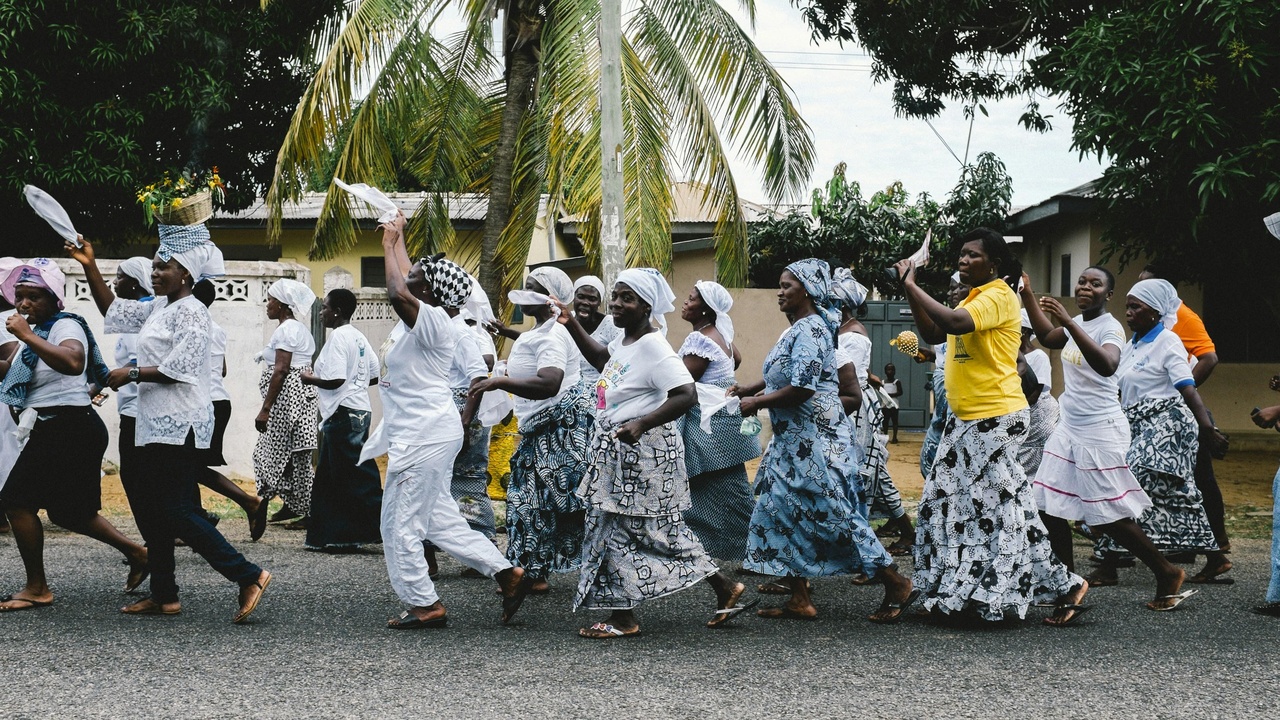
Life-cycle events—births, marriages, funerals, and initiations—structure social obligations and redistribute resources. These rites often blend indigenous practices with Christian and Muslim elements introduced over two centuries.
Practically speaking, ceremonies create expectations: bride-price negotiations shape household economies, while funerals can be major social expenditures that bring distant kin home. Those obligations cement ties and confirm social standing.
Rites also regulate responsibility. When a young person is publicly acknowledged as an adult, the community assigns labor tasks and social duties. Even with urban migration and schooling pressure, these ceremonies remain touchstones for many families.
5. Marriage Customs and Bride-Price
Marriage often involves formal negotiations and exchanges that affirm family ties. Bride-price or bride-gifts are customary in many groups and symbolize alliance-building and acknowledgment of the bride’s family contribution.
Typical items exchanged include cash, livestock, or agricultural goods; elders usually mediate the process to avoid conflict. In a rural negotiation, for example, village elders will hear both families and set terms that reflect local norms and the couple’s circumstances.
Urban couples commonly adapt or simplify these practices, but the social function remains: marriage confirms inheritance expectations and links households in reciprocal obligations.
6. Funerals and Commemorative Rituals
Funerals are among the largest social events in Liberia and can last several days. They draw kin from across regions and often require families to save for months to cover costs and hospitality.
Communal obligations to attend create both financial strain and social prestige. Multi-day ceremonies typically include drumming, singing, masked performances, and public eulogies that acknowledge a person’s role in the community.
Because funerals publicly recognize a life, they also reaffirm kinship ties and redistribute resources—food, labor, and sometimes land-use agreements—at a critical social moment.
7. Initiation and Coming-of-Age Ceremonies (Non‑secret contexts)
Outside of secret society rites, many communities hold public coming-of-age events that mark the transition to adulthood. These gatherings include feasts, skill-teaching sessions, and public acknowledgements of responsibility.
Practical skills—farming techniques, fishing methods, or craft trades—are often passed down during these ceremonies. A village feast might follow a week of training where elders demonstrate tool care or crop rotation.
Modern pressures like schooling and migration change the timing and frequency of such rites, but communities still use them to prepare youth for economic and social roles.
Everyday Traditions: Food, Healing, and Community Governance

Culinary habits, traditional medicine, and local governance practices like the palava hut shape daily life. Staples such as rice and cassava structure menus and seasonal labor, while herbal medicine and elders’ councils remain first-line resources for many communities.
Food rituals tie into planting and harvest cycles, healers handle many common ailments, and the palava hut offers quick, culturally legible dispute resolution—often more accessible than formal courts in rural districts.
These everyday traditions reinforce identity and community norms, and they persist even as urbanization and NGOs introduce alternative services and markets.
8. Culinary Traditions: Rice, Cassava, and Palm Oil
Food traditions center on rice (plain or jollof), cassava (fufu, gari), and palm oil–based stews. Rice is the staple for the majority of households, and cassava production follows seasonal planting and harvest rhythms.
Dishes like jollof rice appear at weddings and funerals, while communal preparation of cassava products is common for market days and large gatherings. Street vendors in Monrovia sell quick versions, keeping rural flavors alive in the city.
Beyond sustenance, food signals hospitality and social rank: who gets served first, which dishes are reserved for elders, and what is offered to visiting kin all communicate relationship rules.
9. Traditional Healing and Herbal Medicine
Herbalists and traditional healers remain primary health resources in many parts of Liberia. They treat wounds, fevers, and culturally framed spiritual ailments using local plants and topical preparations.
Common practices include poultices for skin wounds and herbal teas for digestive complaints—remedies rooted in long-standing botanical knowledge. Some rural clinics refer patients to herbalists, and NGOs have documented cooperative programs in certain districts.
The practical implication is clear: trusted local knowledge fills gaps in formal healthcare, but there’s also growing interest in integrating safe traditional practices with modern medicine.
10. Palava Hut and Community Dispute Resolution
The palava hut—an elders’ council or meeting spot—is a traditional forum for discussing disputes, land claims, and communal decisions. Elders, chiefs, or compound heads convene, hear testimony, and negotiate settlements.
Such mechanisms reduce the burden on formal courts and remain active, especially in rural districts. For example, a land boundary dispute is often settled by elders who call witnesses, draw customary boundaries, and rely on community enforcement.
The palava process yields quicker, culturally legible resolutions, though it can lack the formal protections of state courts. Still, social enforcement—shame, reciprocity, and public commitment—keeps many settlements durable.
Summary
These ten practices show how Liberia’s cultural life binds families and communities. From Poro and Sande institutions to palava-hut adjudication, traditions supply social order, economic norms, and spiritual meaning even after political shocks like the 1989–2003 civil war.
They’ve persisted since before July 26, 1847 and continue to adapt in urban settings where schooling, migration, and market economies reshape timing and scale. Funerals still serve as major social investments, while music and storytelling keep languages and histories alive.
Community-led cultural revival efforts and collaborations between healers and clinics show how tradition and modernity can coexist. For travelers and readers alike, there’s value in supporting cultural centers, learning a dish, or listening to an elder’s story.
- Secret societies and masquerades preserve moral education and leadership across many ethnic groups.
- Funerals function as major social and financial events that reinforce kinship and status.
- Everyday systems—foodways, herbal medicine, and the palava hut—deliver practical governance and care.
- Traditions showed resilience through the 1989–2003 civil wars and are now adapting in cities and cultural revival programs.