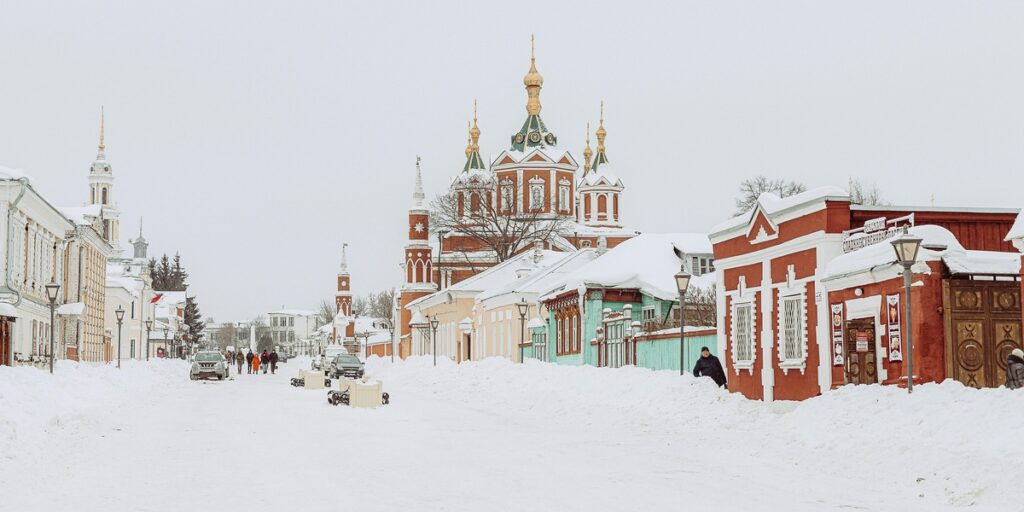
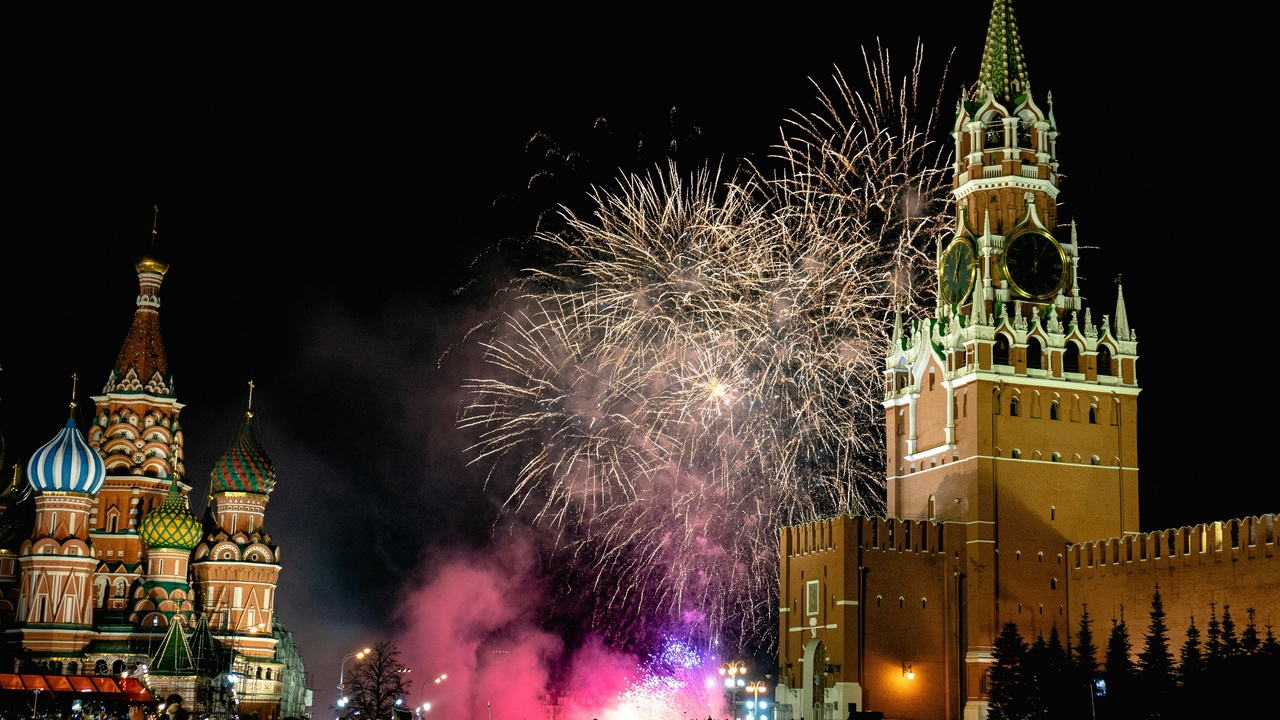
On New Year’s Eve a Moscow family sits around a table heavy with salads, herring, and blini while fireworks bloom over Red Square — the winter evening is noisy with toasts, laughter and the crackle of sparklers as the clock nears midnight. New Year remains the single most widely celebrated holiday across the country, and scenes like this play out in apartments, dachas and town squares for millions.
With roughly 145 million people spread across eleven time zones, communal rituals shape how Russians mark births, marriages, faith and national memory. These practices give rhythm to everyday life and help people locate themselves within families, churches and the state.
Russia’s cultural life is held together by rituals and customs that shape family life, faith, seasonal celebrations, and everyday social habits; understanding these traditions reveals how Russians mark identity, memory, and community. This article surveys ten important traditions across four categories—family and life-cycle, religious and spiritual, seasonal and public holidays, and food, drink and social rituals—to show how history and habit intertwine.
Family and Life-cycle Traditions
Family milestones are the scaffolding of social life in Russia. From the use of patronymics in formal address to the enduring role of godparents, kinship expectations shape behavior from schoolrooms to workplaces. Extended families often remain involved in childrearing, and godparents (krestnye) typically accept lifelong obligations that extend beyond the baptismal font. Weddings blend Orthodox sacrament with playful folk rites, and in smaller towns imieniny (name-day) gatherings still rival birthdays for older generations. These patterns mean that personal events are rarely private: rites of passage are public markers of belonging, reinforced by food, gift-giving and shared responsibilities.
1. Name Days and Patronymics as a Form of Identity
Patronymics—middle names formed from a father’s first name—are central to how Russians address one another formally: Ivan Petrovich, Anna Sergeevna, Maria Ivanovna. Rooted in Orthodox and Slavic naming practices, patronymics appear on school rosters, official documents and in workplace speech, signaling respect and social position. Parallel to this is the older custom of imieniny or name-day celebrations tied to saints’ feast days; in small towns elders may still mark their name day with family gatherings that sometimes outshine birthdays.
2. Wedding Rituals: From Ransom to Russian Tea
Russian weddings commonly combine Orthodox rites with surviving folk customs. A church blessing and the exchange of rings before icons coexist with the playful pre-wedding ransom (vykuplenie nevesty), where the groom negotiates for the bride at her door. The korovai, a decorated wedding bread, symbolizes communal blessing, and feasts following the ceremony feature many toasts and zakuski. Urban couples often add a civil registration, and rural weddings may keep longer, multi-day festivities; many couples still choose summer months for outdoor photos and village receptions.
3. Baptism and Godparenthood (Krestiny)
Baptism (krestiny) remains a key rite of passage in Orthodox families, usually performed in infancy in an Orthodox church using a baptismal font and anointing (chrismation). Godparents—krestnye—take on religious and social responsibilities, from presenting the child at family gatherings to helping guide spiritual education and standing as witnesses at later life events. The ceremony often includes white garments, prayers and a post-service meal, and godparents frequently retain obligations that extend into weddings and memorials.
Religious and Spiritual Traditions
The Russian Orthodox Church and folk spirituality shape much of the calendar and moral rhythm of communities. Church seasons—fasts, feast days and liturgical vigils—sit alongside older folk practices, producing layered observances that survived through Soviet secularization and have re-emerged in public life. Religious dates often inform public holidays and private rituals alike: Lent alters family menus, Easter gatherings reorder household routines, and parish processions or blessings bring faith into civic space. This blending of ecclesiastical and folk elements gives annual life a predictable structure.
4. Orthodox Easter: Food, Midnight Services, and Pascha
For many Russians, Orthodox Easter (Pascha) is the most important religious observance. The celebration centers on the midnight vigil and procession, the Paschal greeting—“Khristos voskrese!” (Christ is risen!) and the response “Voistinu voskrese!”—and the breaking of the Lenten fast with kulich (tall sweet bread), paskha cheese desserts and brightly painted eggs. The date shifts year to year because the Orthodox Church uses the Julian calendar for Pascha, so it often follows Western Easter. Families typically prepare by observing the Fast, attending services and planning the feast that reunites extended kin.
5. Orthodox Christmas (January 7) and Carols (Kolyadki)
Orthodox Christmas is observed on January 7 (Julian calendar) with church services, family meals and, in rural areas, caroling known as kolyadki. The period around Christmas—Sviatki—historically included folk practices such as fortune-telling and household rites carried out between Christmas and Epiphany. Modern Russian winters layer New Year festivities, which dominate popular celebration, over these older observances, so Christmas often reads as a quieter, church-centered time for many households.
6. Epiphany and the Blessing of Water (January 19)
Epiphany, celebrated on January 19 in the Orthodox calendar, features the blessing of water and, in many places, the custom of bathing through an ice hole as a form of purification. Priests bless rivers or wells and municipal authorities often maintain ice holes in cities such as Moscow and St. Petersburg for supervised dips and mass baptisms. Believers say the cold plunge cleanses the soul and body; cities post safety instructions and lifeguards to reduce risk during large communal observances.
Seasonal and Public Holiday Traditions
Seasonal festivals and public holidays in Russia sit at the crossroad of history, civic memory and folk culture. Maslenitsa carries pagan and pre-Lenten roots into a week of communal eating and entertainment, while state commemorations like May 9 (Victory Day) anchor national narratives about the Great Patriotic War. These occasions combine music, food, parades and rituals that draw communities into shared timekeeping: they are moments when private memory and public identity meet in squares, parks and living rooms.
7. Maslenitsa: Pancakes, Bonfires, and Farewell to Winter
Maslenitsa, the week before Great Lent, is one of the liveliest folk festivals in Russia. Its central symbol is the blin—thin pancakes served with fillings and toppings such as caviar, sour cream, smoked salmon, jam or condensed milk. Festivities include puppet shows, sleigh rides and the burning of a straw effigy to mark winter’s end. Cities stage programs in town squares (large Moscow events draw crowds) while regional variants in Siberia and the north emphasize particular foods or games, but everywhere blini remain the heart of the celebration.
8. Victory Day (May 9): Memory, Parades, and the Immortal Regiment
Victory Day on May 9 commemorates the 1945 defeat of Nazi Germany and is a central state holiday. Official rituals include wreath-laying at memorials, military parades—most prominently in Moscow’s Red Square—and the grassroots Immortal Regiment marches, where participants carry portraits of relatives who served in the war. The St. George ribbon functions as a visible symbol of remembrance. The day reinforces national memory, supports veteran ceremonies and shapes civic identity through shared ritual and public testimony about 1945 and its legacy.
Food, Drink, and Social Rituals
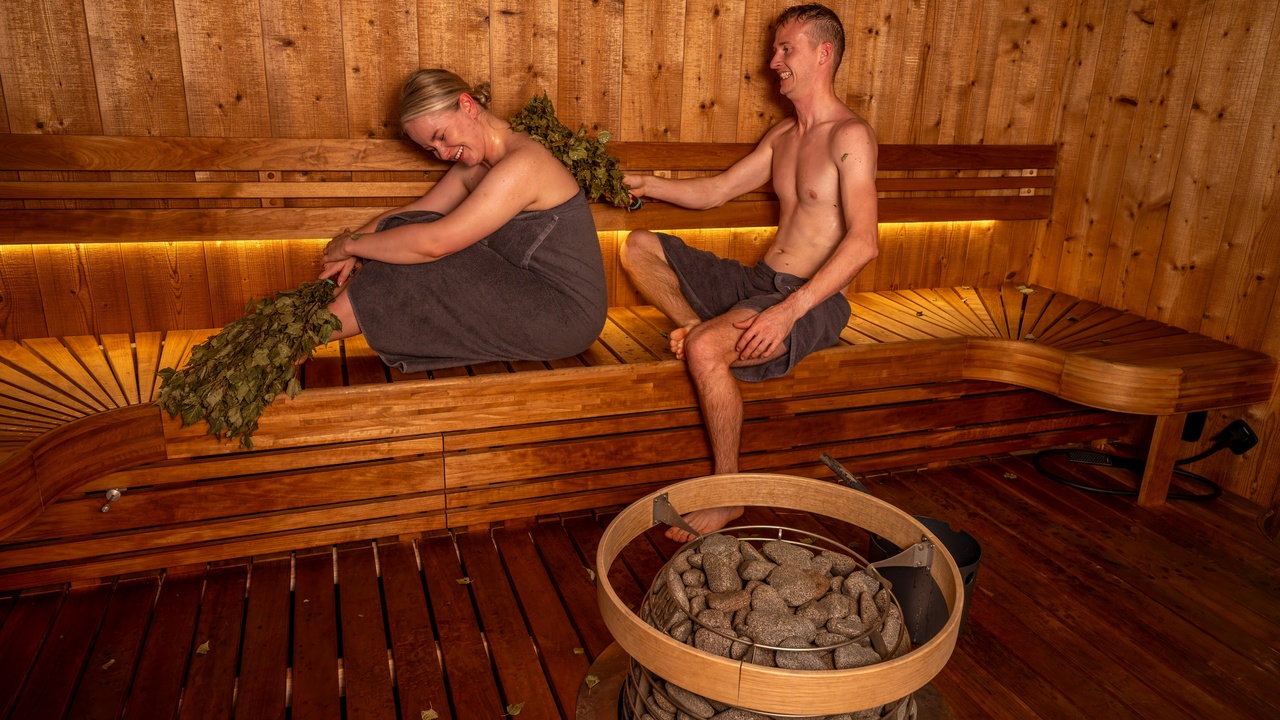
Shared food and drink rituals are central to Russian hospitality and social bonding. Afternoon tea, zakuski plates at gatherings, collective toasting and the banya steam-bath all serve as ways to build trust, settle business and mark friendship. Culinary customs carry meanings—who pours the tea, who offers the venik in the banya, the order of toasts—and these small protocols reproduce social ties across generations and settings.
9. Banya: The Russian Sauna as Ritual and Remedy
The banya functions as both health practice and social ritual. A proper visit includes time in a steam room, use of a venik (birch or oak whisk) to stimulate circulation, and alternating cold plunges or showers. Sessions often last one to two hours and include conversation, relaxation and communal dressing-room chat. Public banyas in cities and village steam-houses each have distinct atmospheres; historic bathhouses like Sanduny in Moscow are cultural landmarks that showcase how the banya blends cleansing, leisure and sociability.
10. Tea, Samovar, Zakuski, and the Culture of Toasting
Tea culture and the samovar have long underpinned Russian hospitality. A samovar historically heated water for extended tea service; today tea is served with lemon, jam or honey and accompanied by zakuski—small plates such as pickled vegetables, herring, cured fish and black bread. Toasting is ritualized: hosts and guests make eye contact, raise glasses and use set phrases like “Za zdorovye” to honor health. Vodka plays a similar role in many formal toasts, but the tea table remains the everyday glue of social interaction.
Summary
These ten traditions show how continuity between past and present structures Russian life: religious and civic calendars overlap, and everyday rituals—tea, banya, blini—sustain social cohesion across generations. Two striking insights are the persistent role of communal observance in private milestones and the way state memory (May 9) sits beside church feast days.
- Observe a public Maslenitsa event or try making blini at home to taste a living folk tradition.
- Consider visiting a public banya (or a local sauna) to understand its social and restorative role.
- Learn one ritual phrase—“Khristos voskrese” for Pascha or a simple toast like “Za zdorovye”—to connect with hosts respectfully.
- Pay attention to how patronymics and godparents structure introductions and long-term ties in family settings.