Armenia sits at a crossroads of cultures, with mountains, cities and long trade routes shaping who lives and speaks what. That history shows up in everyday life: street signs, schoolrooms and family conversations all reflect a mix of local and regional tongues.
There are 12 Languages Spoken in Armenia, ranging from Arabic to Russian. For each language, you’ll find below the columns Estimated speakers, Main regions and Legal/status so you can compare reach and recognition across the country — you’ll find below.
Which languages have official status in Armenia?
The primary official language is Armenian (Western and Eastern dialects historically noted), and some minority languages have protected or recognized uses in local education and government; the table below notes Legal/status per language so you can see which have formal recognition.
How widespread is Russian compared with other languages?
Russian remains widely understood, especially among older generations and in urban centers; Estimated speakers in the table show it often ranks highest after Armenian in terms of usage and regional presence.
Languages Spoken in Armenia
| Language | Estimated speakers | Main regions | Legal/status |
|---|---|---|---|
| Armenian | 2,900,000 | Nationwide; Yerevan, Gyumri, Vanadzor | Official national language |
| Kurmanji (Yazidi) | 35,000 | Aragatsotn, Armavir, Shirak, Kotayk | Recognized minority; informal use |
| Russian | 1,000,000 | Nationwide; Yerevan, Gyumri | Widely used L2; no official status |
| Assyrian Neo-Aramaic | 3,000 | Yerevan; Ararat province villages | Recognized minority; community language |
| Azerbaijani | 0 | Historically in Lori, Shirak, Ararat regions | Historically common; now largely absent |
| Greek | 1,000 | Yerevan; historic villages in Lori and Shirak | Small historical minority |
| Persian (Farsi) | 10,000 | Yerevan; some border communities | Immigrant/heritage language |
| English | 300,000 | Yerevan; universities; tourist areas | Widely taught L2; no official status |
| Armenian Sign Language | 6,000 | Nationwide; schools in Yerevan and regional centers | Used by deaf community; limited recognition |
| Classical Armenian (Grabar) | 1,000 | Nationwide; churches, seminaries, academia | Liturgical/historical; taught in seminaries |
| Arabic | 10,000 | Yerevan; Syrian-Armenian refugee communities | Immigrant/refugee language |
| Georgian | 2,000 | Border areas; cross-border families; Yerevan | Minority/neighbor language |
Images and Descriptions
Armenian
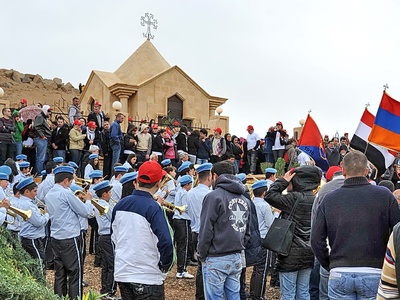
Eastern Armenian is the national language spoken by nearly all residents; used in government, media, education, and daily life. It’s the modern standard descended from Classical Armenian and is not considered endangered.

Kurmanji (Yazidi)
Kurmanji Kurdish is spoken mainly by Armenia’s Yazidi community. Concentrated in western and northern provinces, it’s used at home, in cultural life, and local media. Vital among Yazidis but has limited official support; community works to preserve it.
Russian
Russian remains a widespread second language in Armenia from the Soviet era. Used in business, higher education, media, and older generations. High bilingualism in cities; its use is declining among younger, English‑learning cohorts but remains influential.
Assyrian Neo-Aramaic
Assyrian Neo‑Aramaic is spoken by Armenia’s small Assyrian community, centered near Yerevan and in Ararat province. Used at home and in church; endangered due to migration and assimilation but active community effort keeps traditions and language alive.
Azerbaijani
Azerbaijani was widely spoken in parts of Soviet Armenia until the late 1980s; most speakers left during conflict. Today virtually no Azerbaijani‑speaking resident communities remain, though its historical presence shaped local toponymy and culture.
Greek
Greek in Armenia is spoken by a tiny community descended from Pontic and other Greeks. Mostly urban in Yerevan with historic villages in Lori and Shirak. Numbers have dramatically declined; language is endangered locally and preserved by elders and associations.
Persian (Farsi)
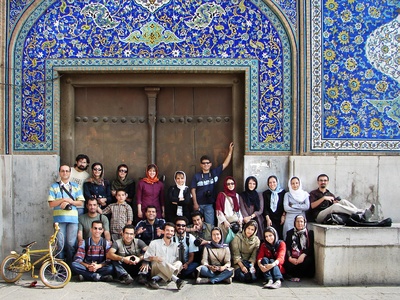
Persian (Farsi) is used by Iranian Armenians and recent immigrants. Found mainly in Yerevan and some border communities; used at home, in business ties with Iran, and among older generations. It’s not widely institutionalized but present in commerce and family life.
English
English is increasingly studied and used by students, professionals, and in tourism. Prominent in universities, international business, and younger urban populations. Proficiency varies, growing quickly but still behind Russian as the common second language for older generations.
Armenian Sign Language
Armenian Sign Language serves the deaf community across Armenia, with users in schools and urban centers. It has a recognized user base but limited legal protection and resources; community groups and NGOs work to expand education and accessibility services.
Classical Armenian (Grabar)
Classical Armenian (Grabar) is the historic liturgical and literary language, still taught in seminaries and used in church services. Not a community’s everyday speech; knowledge is specialist, important for culture, liturgy and historical studies.
Arabic
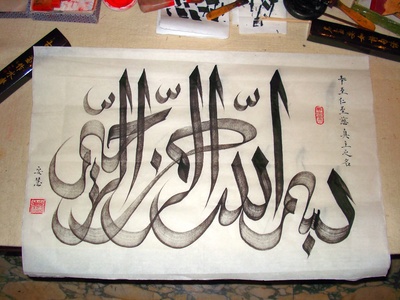
Arabic (mainly Syrian dialects) is spoken by Syrian‑Armenian refugees and some migrant workers. Concentrated in Yerevan and reception communities, it functions in homes and community networks. Numbers have fluctuated with migration trends and return movements.
Georgian
Georgian is spoken by a small number of ethnic Georgians and cross‑border families, mainly near the Armenian–Georgian border and in Yerevan. It’s used in family networks and some trade; the community is small and the language is not widely institutionalized.