Argentina’s cultural map is layered with Indigenous tongues that have influenced place names, stories and local knowledge across provinces from the north down to Tierra del Fuego. While some languages survive in community use, others persist only in records, songs or revival projects.
There are 29 Indigenous Languages in Argentina, ranging from Abipón to Yámana (Yaghan / Yámana). For each entry the table lists Family,Speakers (estimate, year),Provinces/regions — you’ll find below.
How many of these languages are still actively spoken?
A minority maintain regular speaker communities today, several have only a few elderly speakers or partial revival efforts, and a number are considered extinct; check the “Speakers (estimate, year)” column for the most recent snapshot and any notes on vitality for each language.
Which sources are best for verifying speaker numbers and regional distribution?
Reliable sources include Argentina’s national census (INDEC) where available, academic fieldwork, the UNESCO Atlas, Ethnologue and provincial studies; the table below gives the Family,Speakers (estimate, year),Provinces/regions so you can follow each entry to its original reference.
Indigenous Languages in Argentina
| Language | Family | Speakers (estimate, year) | Provinces/regions |
|---|---|---|---|
| Santiago del Estero Quichua (Quechua / Quichua santiagueño) | Quechuan | 60,000 (2010) | Santiago del Estero,Tucumán,Salta,Jujuy |
| Aymara | Aymaran | 2,000 (2010) | Jujuy,Salta,Catamarca |
| Mapudungun (Mapuche) | Araucanian | 80,000 (2015) | Neuquén,Río Negro,Chubut,Buenos Aires |
| Paraguayan Guaraní (Ñandéva) | Tupi–Guarani | 150,000 (2010) | Corrientes,Misiones,Entre Ríos |
| Mbyá Guaraní (Mbya) | Tupi–Guarani | 9,000 (2010) | Misiones,Corrientes |
| Qom (Toba) | Guaicuruan | 40,000 (2010) | Chaco,Santa Fe,Formosa |
| Pilagá | Guaicuruan | 12,000 (2010) | Formosa |
| Mocoví (Moqoit) | Guaicuruan | 6,500 (2010) | Santa Fe,Chaco |
| Wichí (Wichí Lhamtés) | Matacoan (Mataguayo) | 40,000 (2010) | Salta,Formosa,Chaco |
| Nivaclé (Chulupí) | Matacoan | 2,000 (2010) | Formosa,Chaco |
| Chorote (Iyojwa’ja/Chorote) | Matacoan | 1,200 (2010) | Formosa,Salta |
| Weenhayek (Mataco) | Matacoan | 1,000 (2010) | Salta,Formosa (border) |
| Lule | Lule–Vilela | 0 (2000) | Santiago del Estero,Salta (historical) |
| Vilela | Lule–Vilela | 0 (2000) | Santiago del Estero,Chaco (historical) |
| Abipón | Guaicuruan | 0 (1900) | Santa Fe,Santiago del Estero (historical) |
| Huarpe Allentiac | Huarpean (Isolate) | 0 (1900) | San Juan,Mendoza,San Luis (historical) |
| Huarpe Millcayac | Huarpean (Isolate) | 0 (1900) | San Juan,Mendoza (historical) |
| Cacán (Diaguita / Diaguita–Calchaquí) | Unclassified (extinct) | 0 (1900) | Catamarca,Salta,Tucumán,La Rioja (historical) |
| Tehuelche (Aonekko’aien) | Chonan | 0 (2010) | Chubut,Santa Cruz (historical mainland Patagonia) |
| Selk’nam (Ona) | Chonan | 0 (1974) | Tierra del Fuego (island) |
| Haush (Manek’enk) | Chonan | 0 (20th century) | Tierra del Fuego (island eastern) |
| Yámana (Yaghan / Yámana) | Yaghan (Isolate) | 0 (2020) | Tierra del Fuego (southern islands),Beagle Channel (historical) |
| Chaná | Charruan (possibly) | 1 (2012) | Entre Ríos (río Paraná region) |
| Chamacoco (Ishir) | Zamucoan | 1,200 (2010) | Formosa (Pilcomayo region) |
| Ayoreo (Zamucoan) | Zamucoan | 1,000 (2010) | Formosa,Salta (border areas) |
| Puelche (Gününa Küne) | Chonan / Isolate (debated) | 0 (1950) | Neuquén, Río Negro (historical eastern Andes) |
| Comechingón (Henia–Camiare / Sanavirón group) | Isolate / Unclassified | 0 (19th century) | Córdoba (Sierras region, historical) |
| Tonocoté (Toconoté) | Unclassified / Possibly Matacoan | 0 (19th century) | Santiago del Estero,Salta (historical) |
| Mbya Guaraní (alternate entry emphasis) | Tupi–Guarani | 4,000 (2010) | Misiones (forest communities) |
Images and Descriptions

Santiago del Estero Quichua (Quechua / Quichua santiagueño)
An Andean-origin Quechua variety long spoken in northwest Argentina and Santiago del Estero. Still used in rural communities with bilingualism common; important for regional identity though many speakers are shifting to Spanish.
Aymara
Aymara is an Andean language spoken by migrants and long-established communities in Jujuy and Salta. Small but active speaker communities maintain cultural practices; intergenerational transmission is limited outside traditional villages.
Mapudungun (Mapuche)
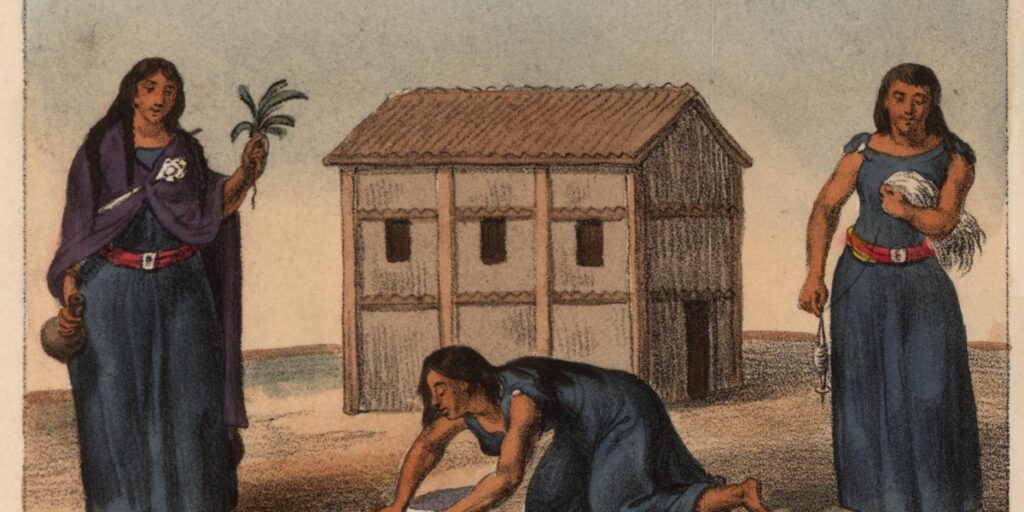
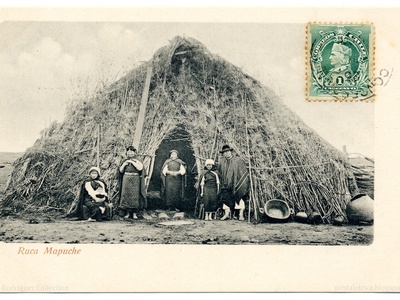
Language of the Mapuche people present across Patagonia and the Pampas. Vigorous movements for language and cultural revitalization exist, though many speakers are bilingual. Varieties cross into Chile and Argentina.
Paraguayan Guaraní (Ñandéva)
A major indigenous language in northeast Argentina with strong community use in rural and urban areas, often bilingual with Spanish. Holds everyday and cultural roles and is related to Paraguayan national Guaraní.
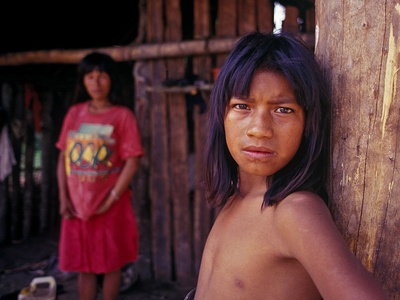
Mbyá Guaraní (Mbya)
Mbyá Guaraní speakers in Misiones maintain traditional lifestyles and multilingualism. More vitality in forest communities; cultural transmission persists though pressures from land loss and Spanish are significant.
Qom (Toba)
Qom is one of the largest indigenous languages in Argentina, spoken in Gran Chaco communities. Active cultural revitalization and schooling efforts exist, but poverty and displacement threaten long-term transmission.
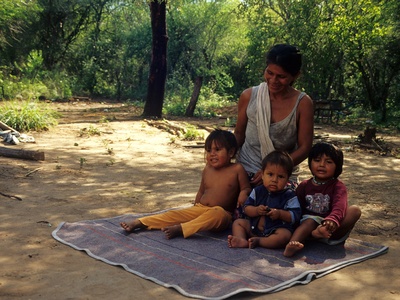
Pilagá
Pilagá communities in Formosa maintain their language in local villages. While still actively spoken, younger generations face bilingual pressures and socioeconomic challenges that risk future decline.
Mocoví (Moqoit)
Mocoví is spoken in Chaco and Santa Fe; community schools and cultural programs support usage. The language remains vulnerable but retains community functions in some rural towns.
Wichí (Wichí Lhamtés)
A Matacoan language family with several varieties across the Gran Chaco. Wichí is relatively vigorous in many communities, though some dialects face decline from Spanish influence and migration.
Nivaclé (Chulupí)
Nivaclé is spoken by communities along the Paraguay border and in Formosa. Small speaker base but active cultural life; pressures include land loss and integration into Spanish-speaking society.
Chorote (Iyojwa’ja/Chorote)
Chorote comprises two closely related varieties in the Chaco region. Speaker numbers are modest; communities work on documentation and schooling, but the language is vulnerable.
Weenhayek (Mataco)
Also called Mataco or Weenhayek, this language has cross-border communities in Argentina and Bolivia. Small speaker populations persist, with schooling and activism varying by locality.
Lule
A historically attested language of the Gran Chaco and Santiago del Estero. Considered effectively extinct for decades though important in regional history and linguistic reconstruction.
Vilela
Vilela was spoken in northern Córdoba and Santiago del Estero. Largely dormant or extinct as a native language; documentation exists and some cultural revival interest remains.
Abipón
An extinct Guaicuruan language once spoken in the Argentine Chaco and Pampas. Abipón communities assimilated during the 19th century; the language survives only in historical records and vocabularies.
Huarpe Allentiac
One of two Huarpean varieties native to Cuyo. Extinct as a living language since the 19th century but central to the prehispanic cultural identity of the region; some revival research exists.
Huarpe Millcayac
The Millcayac variety was spoken in central-west Argentina. Extinct for generations; linguists use colonial records to reconstruct vocabulary and grammar for cultural and academic work.
Cacán (Diaguita / Diaguita–Calchaquí)
The poorly documented language of the Diaguita and Calchaquí peoples in NW Argentina. Extinct since colonial times; classification remains uncertain and reconstruction is based on scant historical notes.
Tehuelche (Aonekko’aien)
A mainland Patagonian language once widely spoken by Tehuelche peoples. Effectively extinct or dormant, with a few semi-speakers and revitalization interest among descendant communities.
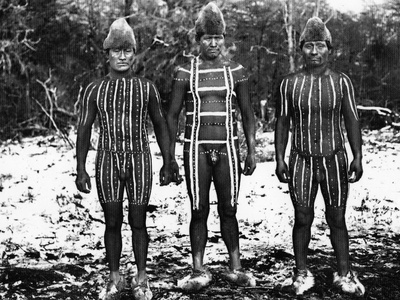
Selk’nam (Ona)
Selk’nam was spoken in eastern Tierra del Fuego; the last fluent speakers died in the 20th century. Extinction followed colonization and violence; recent projects document and commemorate the language.
Haush (Manek’enk)
Haush was a small-language community on eastern Tierra del Fuego. Extinct for over a century; records are limited but valuable for reconstructing Fuegian linguistic diversity.
Yámana (Yaghan / Yámana)
Yámana speakers historically occupied coastal islands of Tierra del Fuego, including Argentine territories. The language has nearly or fully lost native speakers; documentation and cultural remembrance continue.
Chaná
A little-known language of the Paraná delta, Chaná was thought extinct until recent documentation identified a last fluent speaker and led to preservation work. Its classification links to Charruan languages.
Chamacoco (Ishir)
Chamacoco (Ishir) communities live in Formosa and across the Pilcomayo basin. The language maintains intergenerational speakers in some villages and active cultural expression despite pressures.
Ayoreo (Zamucoan)
Ayoreo groups inhabit borderlands between Paraguay, Bolivia and Argentina. Small speaker communities persist, often semi-nomadic or in mission settlements, with varying vitality and documentation.
Puelche (Gününa Küne)
Puelche was spoken by groups east of the Andes. Classification is debated, but it is considered extinct; it contributes to regional ethnohistorical identity and linguistic debate.
Comechingón (Henia–Camiare / Sanavirón group)
The Comechingón label covers prehispanic languages of the Córdoba sierras. Poorly documented and extinct, they are known from scant colonial notes and place names; often treated as distinct local languages.
Tonocoté (Toconoté)
Tonocoté was reported in colonial sources around Santiago del Estero. Considered extinct with limited documentation; its classification remains unclear but it is part of Argentina’s indigenous linguistic history.
Mbya Guaraní (alternate entry emphasis)
Mbya Guaraní is spoken in the Atlantic forest of Misiones. Strong cultural use in rituals and education exists in some communities; environmental threats and land pressure affect vitality.