Lithuania sits where the Baltic meets inland Europe, and its speech reflects centuries of trade, migration and shifting borders. In towns and rural areas alike you’ll hear a mix of Baltic, Slavic, Germanic and other tongues that tell that history.
There are 24 Languages Spoken in Lithuania, ranging from Aukštaitian to Yiddish. Each entry lists Status,Speakers (estimate),Where spoken so you can see legal recognition, rough speaker numbers and geographic distribution — you’ll find those details below.
What is the official language of Lithuania?
Lithuanian is the sole state language, used in government, education and public media; it has distinct dialects (for example Aukštaitian) and strong institutional support, which is why most official records and services are in Lithuanian.
How common are minority languages and where are they found?
Minority tongues like Polish, Russian, Belarusian and Yiddish tend to be regionally concentrated (border areas, cities, old communities); the list below gives Status,Speakers (estimate),Where spoken for each language so you can see which are actively used and which are more historical or endangered.
Languages Spoken in Lithuania
| Language | Status | Speakers (estimate) | Where spoken |
|---|---|---|---|
| Lithuanian | official | 2,400,000 | Nationwide, Vilnius, Kaunas, Klaipėda |
| Samogitian (Žemaitian) | dialect | 700,000 | Northwest regions: Samogitia, Šiauliai area |
| Aukštaitian | dialect | 1,100,000 | Northeast and central Lithuania, Vilnius region |
| Polish | recognized minority | 180,000 | Vilnius region (Šalčininkai, Švenčionys), Seimas districts |
| Russian | recognized minority | 120,000 | Vilnius, Klaipėda, Visaginas, urban neighborhoods |
| Belarusian | recognized minority | 25,000 | Vilnius region, northeastern Lithuania |
| Ukrainian | recognized minority/immigrant | 60,000 | Vilnius, Kaunas, across Lithuania (post‑2022 arrivals) |
| Latvian | minority | 6,000 | Northeastern border areas, Daugavpils proximity |
| Romani | recognized minority | 3,000 | Scattered communities, towns in central Lithuania |
| Karaim | historical/recognized minority | 50 | Trakai and surrounding areas |
| Lipka Tatar (Tatar) | recognized minority/historical | 500 | Vilnius, Trakai, scattered rural communities |
| Yiddish | historical | 100 | Vilnius (historically), heritage communities |
| Hebrew | historical/immigrant | 2,000 | Vilnius, Kaunas, Jewish community centers |
| Old Prussian | historical (extinct) | 0 | Former coastal and Samogitian areas (historical) |
| German | historical/immigrant | 4,000 | Klaipėda region, Vilnius, historical towns |
| Plautdietsch (Mennonite Low German) | historical/immigrant | 100 | Klaipėda region, rural pockets (historic) |
| Vietnamese | immigrant | 8,000 | Vilnius, Kaunas, business districts, markets |
| Mandarin Chinese | immigrant | 3,000 | Vilnius, business clusters, universities |
| English | immigrant/L2 widely used | 1,100,000 | Nationwide, younger urban populations, universities |
| Polish Sign Language (users) | sign | 200 | Vilnius region, Polish communities |
| Lithuanian Sign Language | sign | 3,000 | Nationwide, schools for the deaf, Vilnius |
| Romani Baltic variety (Kalo) | dialect | 1,500 | Roma communities, scattered towns |
| Spanish | immigrant/L2 | 8,000 | Vilnius, expat circles, universities |
| French | immigrant/L2 | 6,000 | Vilnius, cultural institutes, universities |
Images and Descriptions
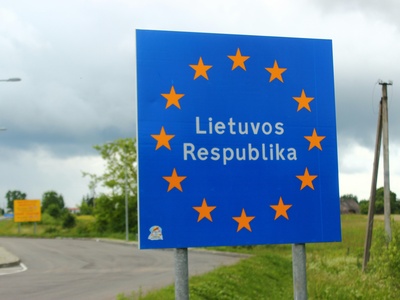
Lithuanian
Lithuanian is the national language and mother tongue of the vast majority. It’s used in government, media and education, preserving archaic Indo‑European features and strong regional dialect variation across the country.
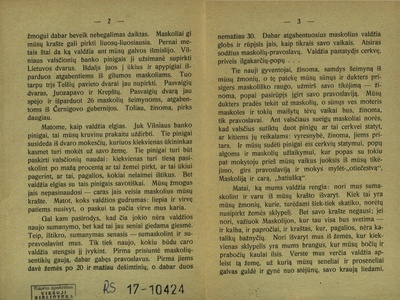
Samogitian (Žemaitian)
A major Lithuanian dialect with distinct phonology and vocabulary, Samogitian remains widely spoken in northwestern Lithuania and features local literature and identity, though it overlaps with standard Lithuanian speakers.
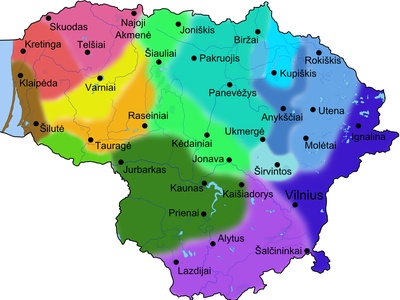
Aukštaitian
Aukštaitian dialect group underpins the standard Lithuanian literary language; spoken across much of central and eastern Lithuania and noted for several subdialects and conservative features in rural areas.
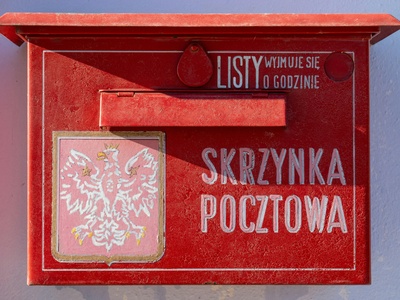
Polish
Polish is the largest minority language, concentrated around Vilnius. It’s used in schools, community life and local media, reflecting historic ties and an active cultural presence.
Russian
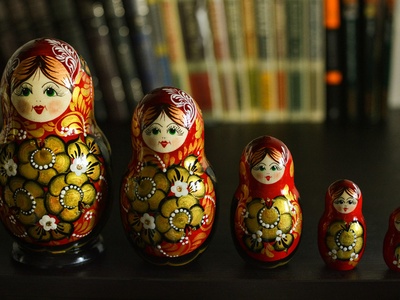
Russian remains common among older generations and in cities, used socially and commercially. Visaginas has a strong Russian-speaking community from Soviet-era migration tied to industry.
Belarusian
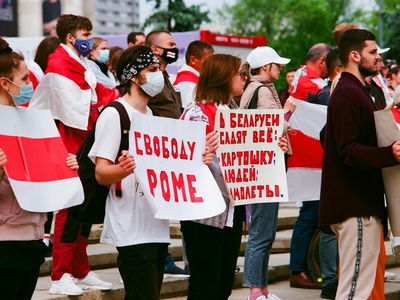
Belarusian is spoken by a small minority near the border and in some villages; usage has declined but cultural organizations and bilingual families maintain it.
Ukrainian
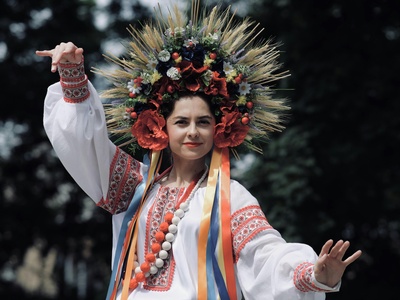
Ukrainian presence has grown, especially after 2022; used by long‑term communities and recent arrivals, with cultural associations, media and growing school support.
Latvian
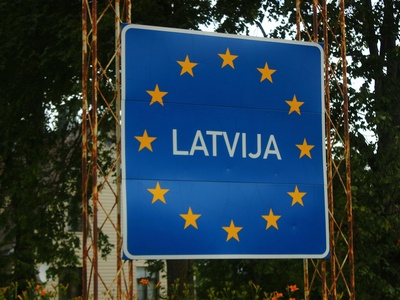
Latvian is spoken by a small cross‑border community and by families near the Latvian border; mutual intelligibility and historic contacts keep it locally relevant.
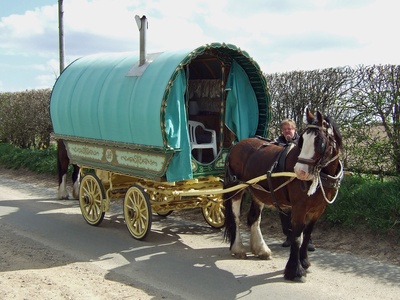
Romani
Romani is spoken by Roma communities across Lithuania. Numbers are small; the language is maintained in families and cultural networks, though many speak Lithuanian as well.

Karaim
Karaim is a Turkic language of the tiny Karaim community in Trakai. Severely endangered, only a handful of elderly speakers remain, though the culture and liturgy are actively commemorated.
Lipka Tatar (Tatar)
Lipka Tatars have lived in Lithuania for centuries. The traditional Tatar language (Lipka variety) is endangered but preserved in family words, religious life and cultural events.
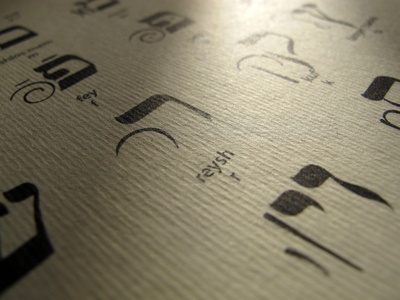
Yiddish
Yiddish was once central to Jewish life in Lithuania (Litvaks). After WWII the speaker community collapsed; today Yiddish survives in heritage projects, some older speakers and cultural revivalists.
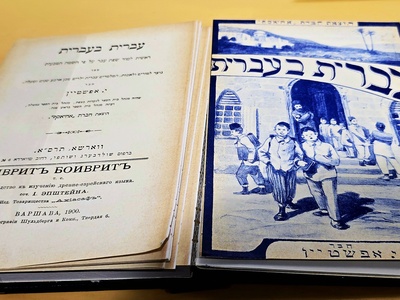
Hebrew
Hebrew is used liturgically and by a small modern Jewish community and Israeli expatriates. Revived for cultural and religious life, it appears in synagogues, schools and community events.
Old Prussian
Old Prussian was a Baltic language once spoken in parts of present‑day Lithuania; it became extinct in the 17th–18th centuries but is important for historical linguistics and regional history.
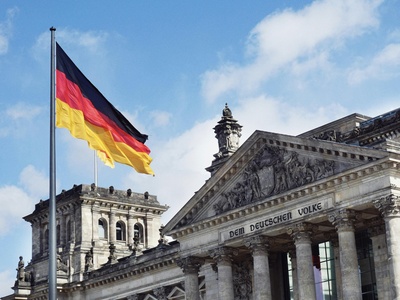
German
German was historically important (Prussian and Baltic German communities) and persists today among expats and descendants; traces remain in place names and architecture, especially in Klaipėda.
Plautdietsch (Mennonite Low German)
Plautdietsch was spoken by Mennonite communities in western Lithuania; today only a few speakers remain or returnees and descendants, with most having shifted to Lithuanian or German.
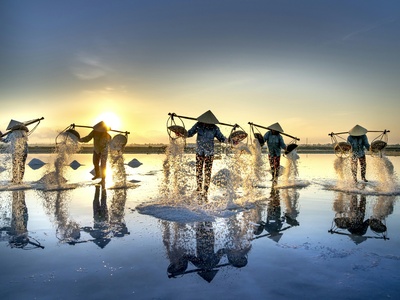
Vietnamese
Vietnamese migrants arrived in recent decades and formed visible communities, running businesses and cultural associations, concentrated in cities with active social networks and schools.

Mandarin Chinese
Mandarin is spoken by students, businesspeople and recent immigrants; usage is growing with trade, education and small entrepreneurial communities in major cities.

English
English is the dominant foreign language taught in schools and widely used by younger generations, professionals and expatriates; fluency is common in cities and among educated populations.
Polish Sign Language (users)
Used within Poland‑ethnic communities and some institutions, Polish Sign Language appears among those with Polish background; Lithuanian Sign Language is the main sign language nationally.
Lithuanian Sign Language
Lithuanian Sign Language is used by deaf communities across the country, supported by schools and associations; it has its own grammar and growing recognition in services.
Romani Baltic variety (Kalo)
Kalo is the local Romani variety used in family and community life. It varies regionally, faces pressure from Lithuanian, but remains an identity marker for many Roma.
Spanish
Spanish is spoken by a mix of expatriates, students and second‑language learners. While not a traditional immigrant language, small native and heritage communities exist in urban areas.
French
French appears among expatriates, diplomats and learners; a modest francophone community and cultural institutions keep the language visible in urban cultural life.