Afghanistan’s landscape and history are shaped by a tapestry of peoples, languages and regional identities. From high mountain valleys to desert plains and the capital’s streets, ethnic diversity influences local customs, politics and everyday life across the country.
There are 19 Afghanistan Ethnic Groups, ranging from Aimaq to Wakhi. For each group you’ll see Population share (%),Primary language(s),Main regions — you’ll find those details below.
How are Afghanistan’s ethnic groups distributed across the country?
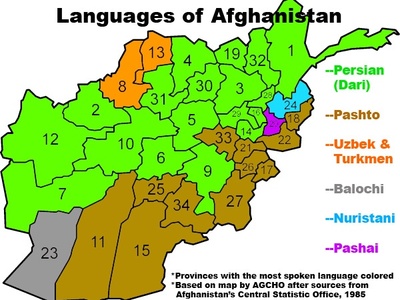
Distribution follows geographic and historical patterns: Pashtuns are concentrated in the south and east, Tajiks in the northeast and major cities, Hazaras in the central highlands, and Uzbeks/Turkmen in the north. Smaller groups like Aimaq and various Pamiri communities occupy western and northeastern pockets, while Wakhi live in the remote Wakhan Corridor. Many groups are primarily rural, with urban centers being more mixed.
How reliable are the population share figures for these groups?
Population percentages are best estimates rather than exact counts because Afghanistan lacks a recent comprehensive census and data sources vary. Figures typically combine past surveys, UN or academic estimates, and local studies, so treat percentage ranges as approximate and check source notes for methodology when you need precise references.
Afghanistan Ethnic Groups
| Group | Population share (%) | Primary language(s) | Main regions |
|---|---|---|---|
| Pashtun | 40-50% | Pashto | Kandahar, Helmand, Nangarhar, Khost, Paktia, Kabul |
| Tajik | 20-30% | Dari (Persian) | Kabul, Herat, Balkh, Badakhshan, Nangarhar |
| Hazara | 9-15% | Dari (Hazaragi dialect) | Bamyan, Daykundi, Ghazni, Kabul |
| Uzbek | 7-10% | Uzbek | Faryab, Jowzjan, Balkh, Kunduz |
| Aimaq | 3-6% | Dari (Aimaq dialect) | Ghor, Herat, Badghis, Farah |
| Turkmen | 2-4% | Turkmen | Jowzjan, Faryab, Balkh |
| Baloch | 1-3% | Balochi | Nimroz, Helmand, Kandahar |
| Pashai | 1-3% | Pashayi | Laghman, Nangarhar, Kunar, Nuristan |
| Nuristani | 1-2% | Nuristani languages | Nuristan, parts of Kunar and Laghman |
| Kyrgyz | 0.01-0.1% | Kyrgyz, Dari | Wakhan corridor (Badakhshan) |
| Wakhi | 0.1-0.5% | Wakhi, Dari | Wakhan Corridor (Badakhshan) |
| Qizilbash | 0.5-1.5% | Dari (Persian) | Kabul, Herat, Mazar-i-Sharif |
| Kurd | 0.5-1% | Kurdish, Dari | Herat, Kabul, Nimroz |
| Gujjar | 0.5-2% | Gojri (Gujari), Pashto, Dari | Kandahar, Nangarhar, Kabul, Paktia |
| Brahui | 0.1-0.5% | Brahui, Balochi | Nimroz, Helmand |
| Pamiri (Shughni/Ishkashimi) | 0.1-0.5% | Shughni, Ishkashimi, Dari | Badakhshan (northeast) |
| Arab | 0.1-0.5% | Dari, Arabic (religious use) | Kunduz, Balkh, Herat |
| Romani/Koli | 0.2-0.6% | Dari, Pashto | Kabul, Kandahar, Herat |
| Sistani | 0.2-0.7% | Dari (Sistani dialect) | Zaranj (Nimroz), Helmand, Farah |
Images and Descriptions
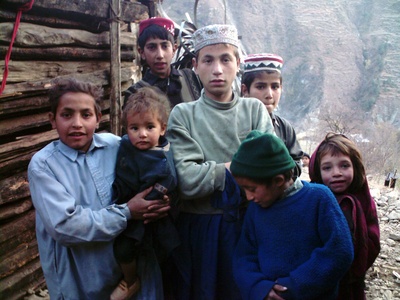
Pashtun
Largest ethnic group, tribal and Pashto-speaking with a strong code of Pashtunwali. Predominantly Sunni Muslim, concentrated in south and east; major political and cultural influence historically and today.
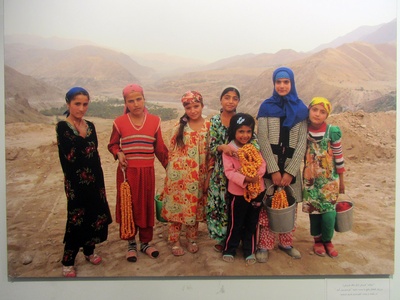
Tajik
Persian-speaking urban and rural group across the north and west. Sunni Muslim, culturally tied to Persian literature and administration; often prominent in commerce, education, and civil service.
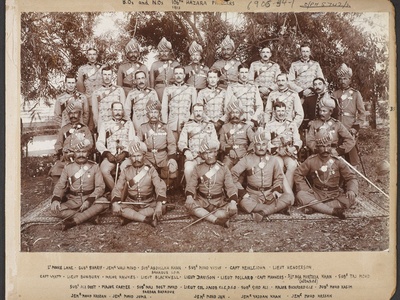
Hazara
Central highlands inhabitants with Mongol-Turkic ancestry and the Hazaragi dialect. Predominantly Shi’a (Twelver), historically marginalized but culturally distinct with rich oral traditions and crafts.
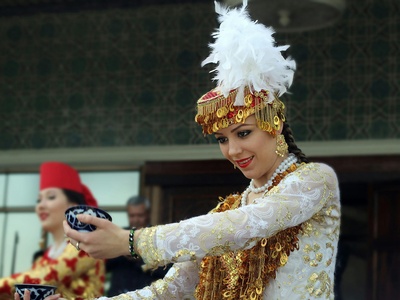
Uzbek
Turkic-speaking northern communities, mainly Sunni Muslim. Strong agricultural, trading, and artisan traditions; maintain close cultural ties with Uzbeks across Central Asia.

Aimaq
Persian-speaking semi-nomadic and sedentary groups in western/central Afghanistan. Sunni Muslim, composed of several tribes (e.g., Timuri), known for pastoralism, carpets, and tribal culture.

Turkmen
Turkic-speaking Sunni communities in the north, famed for carpet-weaving and tribal organization. Cultural ties extend to Turkmenistan; concentrated in northern riverine plains.
Baloch
Iranic-speaking group of the southwest, often tribal and Sunni Muslim. Historically pastoralists with cross-border ties in Balochistan, distinctive dress, music, and oral poetry.
Pashai
Cluster of Dardic-speaking communities in eastern valleys. Sunni Muslim, traditionally mountainous agriculturists with several local dialects and unique folk customs.
Nuristani
Distinct Indo-Iranian peoples of the eastern highlands, converted to Islam in the 19th century. Speak several Nuristani languages; retain unique folklore, rites, and mountain cultural patterns.
Kyrgyz
Tiny high-altitude nomadic community in the far northeast (Wakhan). Traditionally pastoral, Muslim, with strong ties to Kyrgyz groups across Central Asia and distinctive yurt culture.
Wakhi
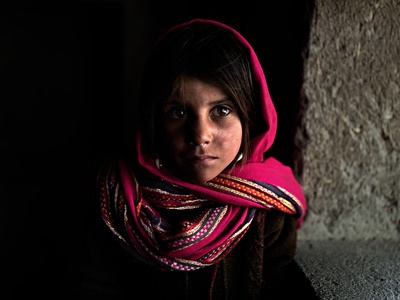
Mountain people of the Wakhan, many Ismaili Muslims speaking Wakhi. Known for highland pastoralism, unique clothing and music, and cultural links across the Pamirs.
Qizilbash
Historically Turco-Persian Shi’a military-administrative community from Safavid times. Urban, Persian-speaking, often engaged in trade and crafts; maintain distinct Shi’a identity and heritage.
Kurd
Small Kurdish communities, mainly in western provinces, bilingual in Kurdish and Dari. Largely Sunni Muslim with a long history in the region and distinct cultural traditions.
Gujjar
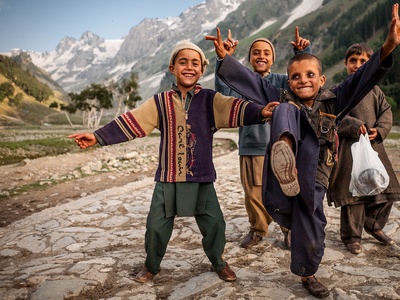
Traditionally pastoral and semi-nomadic, Gujjars in Afghanistan speak Gojri and often Pashto or Dari. Involved in herding and seasonal migration, with strong clan-based identities.
Brahui
Dravidian-speaking community in the southwest with close ties to Baloch society. Mostly Sunni, bilingual in Balochi or Pashto, with tribal structures and pastoral livelihoods.
Pamiri (Shughni/Ishkashimi)
Speakers of Pamiri Eastern Iranian languages in remote Badakhshan valleys. Many are Ismaili Muslims with distinct music, dress, languages, and strong cross-border ties to Tajikistan.
Arab
Small communities claiming Arab ancestry, historically traders and farmers. Today largely Dari-speaking; Arabic retained for religious practice. Culturally integrated yet maintain ancestral identity.
Romani/Koli
Peripatetic groups often called Koli or Romani, working in trades, entertainment, and crafts. Speak local languages, socially marginalized, with distinct itinerant traditions and communal identity.
Sistani
Persian-speaking population from the Sistan region on the Iran-Afghan border. Dialectally distinct, with mixed Sunni/Shi’a communities and strong cross-border cultural and familial links.