On August 13, 1960, the Central African Republic declared independence — a moment that set the stage for a complex history and a landscape full of unexpected opportunities.
That date is often the starting point for headlines about politics and security, but it also marks a country with vast land and untapped everyday advantages. With roughly 4.7 million people spread across about 622,984 km², many residents live with direct access to forests, rivers and small-scale livelihoods that don’t exist in crowded capitals.
Put bluntly: despite frequent negative coverage, there are concrete reasons people choose life in the Central African Republic — affordability, resource-based incomes, rich local culture and niche opportunities in conservation and trade. Below I outline ten tangible benefits organized into three categories: Economic & Livelihood, Natural & Environmental, and Cultural & Social.
Economic and Livelihood Advantages
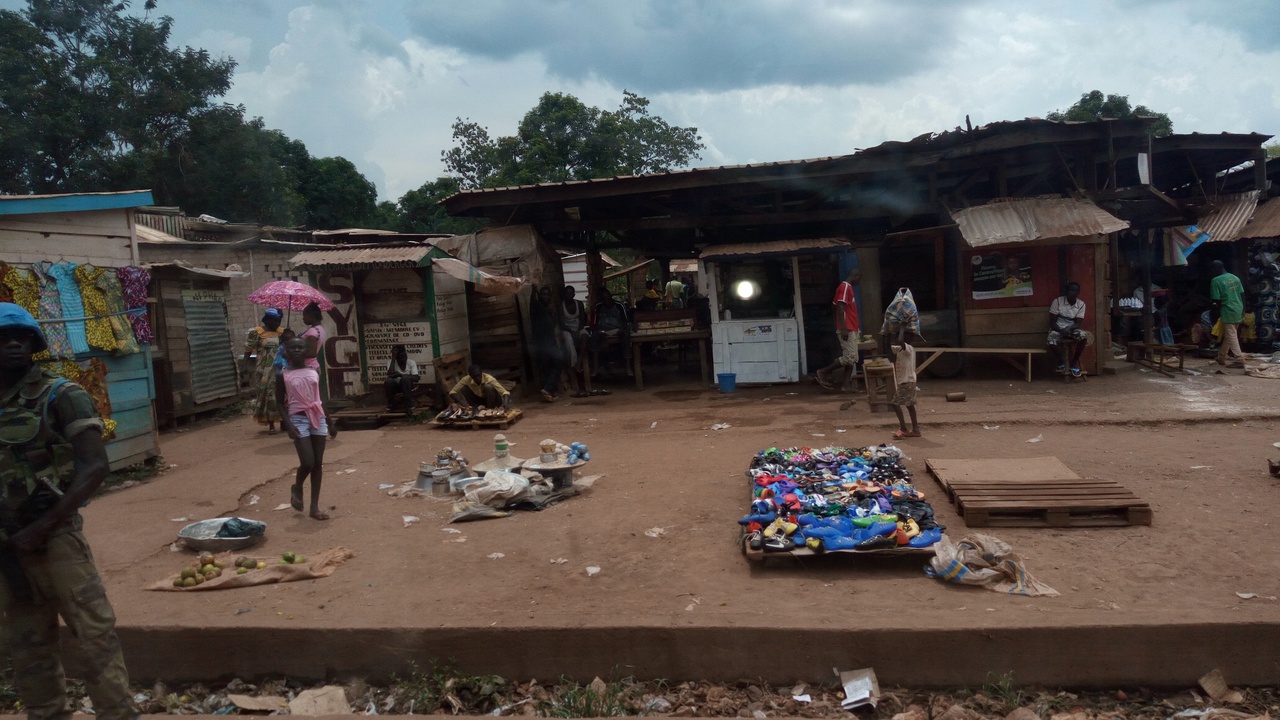
Formal GDP per capita is low by international measures, but everyday economics look different on the ground. Lower prices, informal markets and natural-resource activities give many households flexible income paths and low-cost living options that support entrepreneurship and family livelihoods.
1. Low cost of living and affordable housing
Food, basic goods and transport are often substantially cheaper than in Western or regional capitals. Local market prices for staples—cassava, plantains, groundnuts—and seasonal produce keep household food bills low compared with imported-food-dependent cities.
Rent in many Bangui neighborhoods and in suburban towns can be modest; a simple family home outside the most central areas costs far less than similar accommodations in Yaoundé or Kinshasa. That affordability lets families save more or run small businesses with lower overhead.
The trade-off is limited public services and uneven infrastructure, but many residents offset that by living where they work, relying on local markets and community support to keep household costs manageable.
2. Informal markets and entrepreneurial opportunity
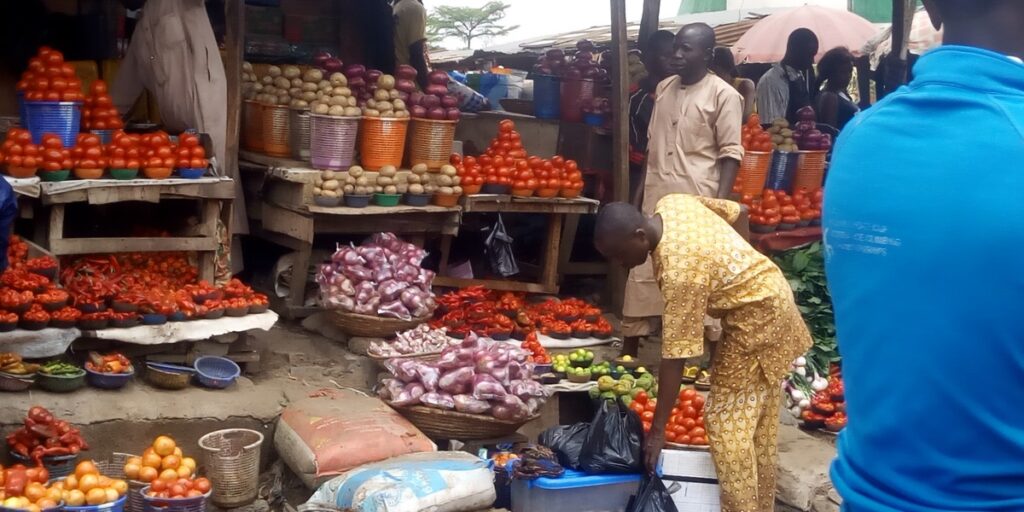
Informal markets are the backbone of daily commerce. Low startup costs for a stall, a pushcart or a motorcycle taxi make micro-businesses accessible to people with limited capital.
Common livelihoods include market vending, motorcycle taxis, food stalls and tailoring. Markets also serve as social hubs where credit, information and seasonal work circulate—especially important for women entrepreneurs who run produce stalls and small crafts businesses.
Because barriers to entry are low, households commonly combine several income streams to stay resilient during lean seasons.
3. Natural resources and artisanal incomes
The Central African Republic is resource-rich: diamonds, artisanal gold and extensive timber supplies have long supported local economies. Small-scale mining and forest-product collection are significant sources of cash for many rural communities.
Artisanal mining hubs and community-level diamond trading provide seasonal employment and direct earnings that flow into local markets. Timber and non-timber forest products also generate income through sales and barter.
Those activities offer entry for individuals without formal credentials, though governance and market risks—price volatility and weak regulation—mean earnings can be unpredictable.
4. Strategic regional position for cross-border trade
Bordering six countries (Chad, Sudan, South Sudan, the DRC, the Republic of the Congo and Cameroon), CAR sits at a crossroads of Central Africa. That geographic position creates corridors for traders and transport businesses.
Overland routes feed goods toward regional ports and markets—for example, routes connecting to Douala in Cameroon and onward transit through Bangui. Local entrepreneurs often cater to cross-border drivers, traders and seasonal commerce.
Infrastructure gaps complicate logistics, but the country’s centrality matters for traders willing to navigate border customs and regional demand patterns.
Natural and Environmental Benefits

With roughly 622,984 km² of territory and a sparse population near 4.7 million, residents enjoy rare access to expansive wild landscapes. That openness supports biodiversity, subsistence resources and growing opportunities in research and niche ecotourism.
5. Vast wilderness and biodiversity access
Large tracts of rainforest, savanna and rivers are within reach of many communities, offering direct access to fish, game and forest products (subject to local regulations). For residents this means more direct subsistence options and a lifestyle tied to the land.
The country is known for species such as forest elephants and western lowland gorillas, particularly around conservation areas like Dzanga-Sangha (see WWF or IUCN for species reports). Those ecosystems also support research and seasonal harvesting activities.
Access to wild spaces fosters recreational options and livelihoods that are rare in densely populated countries.
6. Ecotourism and scientific research potential
Although nascent, ecotourism and field research are growing niches. Small eco-lodges and guided wildlife visits around places like Dzanga Bai attract researchers and specialized tourists interested in intact forest ecosystems.
Universities and NGOs often run field expeditions and conservation camps that hire local guides, cooks and logistics staff—creating jobs and skills transfers in communities near protected areas.
For entrepreneurs, community-driven tourism enterprises can capture revenue while supporting conservation partnerships with international organizations.
7. Renewable-energy opportunities (solar and hydro)
High sunshine and abundant rivers make off-grid solar and small hydropower attractive options for households and clinics. Donor-funded pilots and NGO projects have demonstrated how microgrids and solar pumps improve living standards in rural areas.
Off-grid systems reduce long-term energy costs and provide greater independence from limited national grids. Small hydropower on local rivers can support village-level electrification where sites are suitable.
These technologies are practical for communities that prioritize local resilience and are often funded through international development partnerships.
Cultural, Social, and Lifestyle Advantages
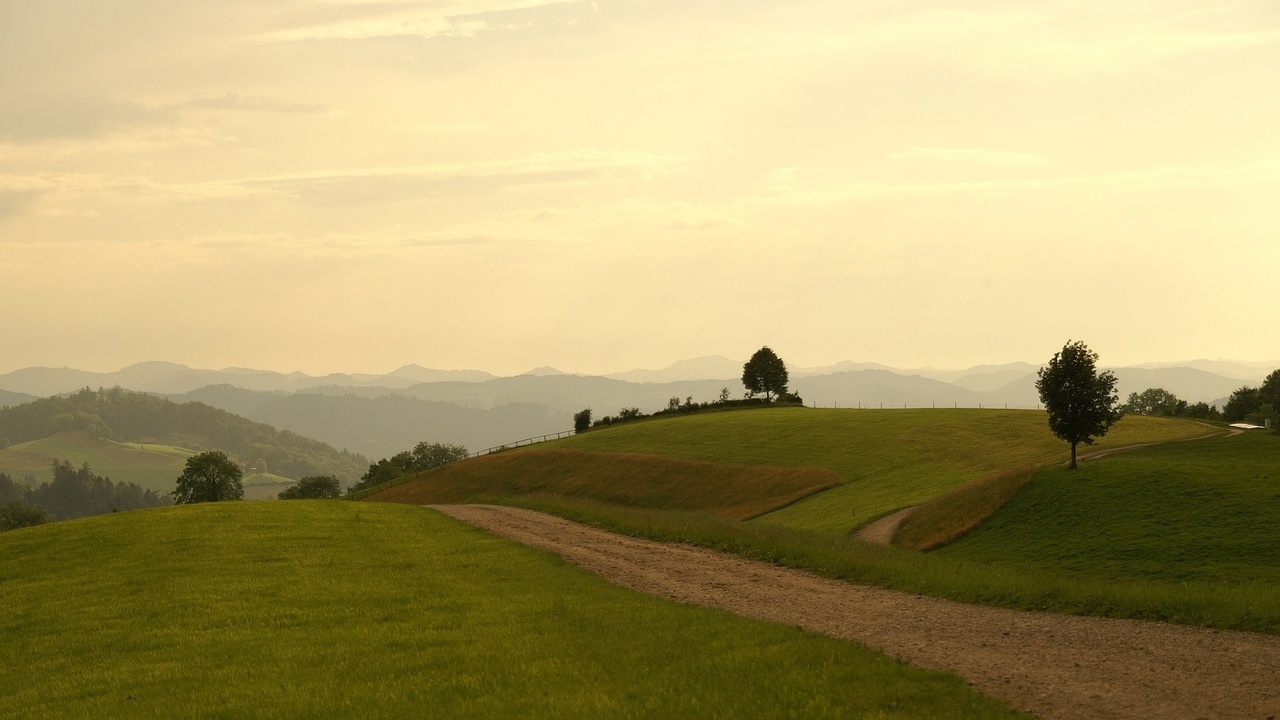
Daily life in CAR is shaped by community ties, multilingual exchange and a slower rhythm that centers markets, music and shared labor. The country’s roughly 80 ethnic groups are often bridged by Sango, a widely used lingua franca that smooths everyday interactions.
8. Close-knit communities and hospitality
Kinship networks, neighborhood markets and communal labor provide practical social safety nets. Neighbors share credit, lend tools, and help during harvests or ceremonies, creating informal support that matters for daily survival.
Market greetings, shared meals and invitation-based hospitality are common; newcomers often find that social capital helps with job leads, housing and navigating local services.
Those bonds make local life feel cooperative and can lower risk for individuals facing short-term shocks.
9. Cultural richness: language, music, and crafts
Sango functions as a practical bridge language across groups and is widely used in markets, radio and daily conversation. That linguistic common ground simplifies trade and social interaction for residents and visitors.
Local music, woven crafts and carved goods are both cultural expressions and income sources. Artisans sell woven baskets, carved figures and textiles in markets and to niche visitors, keeping traditions alive while supporting families.
Community festivals and music gatherings also provide regular social occasions that enrich life beyond purely economic terms.
10. Slower pace of life and direct connection to nature
Many residents enjoy a less hurried daily rhythm than found in megacities. Time outdoors, market-centered days and river-based recreation create lower stress and stronger family rhythms.
Riverside towns and villages often center routines around fishing, market days and communal tasks, offering a lifestyle more directly tied to natural cycles than to rigid office hours.
That slower pace supports close family ties and gives people room for subsistence activities alongside income-generating work.
Summary
From the independence moment on 13 Aug 1960 to the present, the Central African Republic combines affordability, natural assets and cultural depth in ways that surprise many outsiders.
- Economics: affordable daily life, informal markets and resource-based income paths.
- Nature: immense wilderness (622,984 km²) and biodiversity access that support subsistence, research and niche tourism.
- Culture & lifestyle: strong community networks, Sango as a unifying language, and vibrant local arts and music.
- Opportunities exist but call for cautious engagement—volunteer with conservation groups, visit thoughtfully, or follow reports from the World Bank, UN and conservation NGOs to learn more about risks and realistic openings.