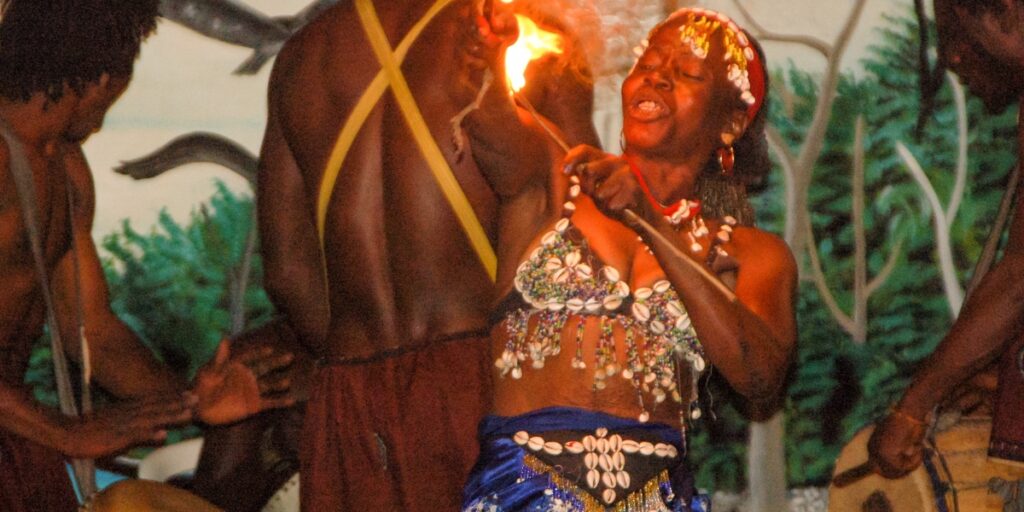
On 18 February 1965, The Gambia became an independent nation. National parades in Banjul blended marching bands, kora music, masked dancers and long communal tables piled with rice and stews—a vivid reminder that public ceremony keeps local customs alive.
Picture a riverside village after the parade: elders under a neem tree, a griot tuning a kora, children watching a masked dancer. Traditions organize social life here—they settle disputes, link families across towns, and sustain small livelihoods.
The country’s population is roughly 2.4 million, and those everyday practices — from naming rites to market crafts — shape identity, social bonds, and economic choices. Below I outline ten important practices across cultural identity, life-cycle rituals, food and craft, and music and oral history.
Cultural Identity and Social Cohesion
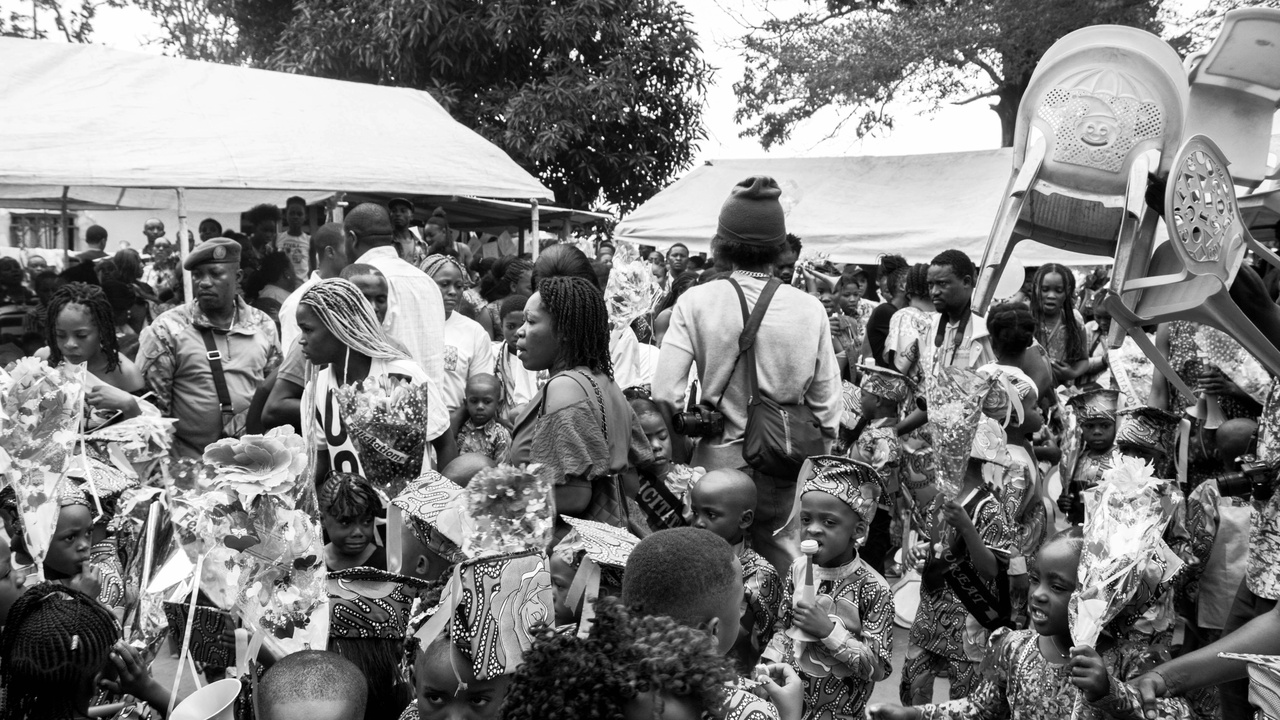
Across roughly eight major ethnic groups, local institutions—Alkalo, elders’ councils and initiation societies—anchor daily life. These practices complement formal governance and create social safety nets, especially in rural districts where customary authority remains central.
1. Kankurang and initiation societies: preserving community bonds
Initiation societies and the Kankurang masquerade teach social rules and collective identity in Mandinka and Jola areas. The Kankurang appears at rites of passage to warn, entertain and instruct young people about adult responsibilities.
Performances are moral storytelling: masked figures enact cautionary tales, elders comment, and youth learn accepted behavior. In places like Janjanbureh and on river islands, Kankurang nights often coincide with seasonal festivals and community decision-making.
Beyond symbolism, these rituals have practical effects. By creating public expectations and mentorship, initiation ceremonies reduce delinquency and pass on farming, fishing and kinship knowledge where schools and courts are distant.
2. Naming ceremonies and the influence of Islam
Naming ceremonies blend Islamic Aqiqah practices with local customs to welcome newborns. Gambian society is overwhelmingly Muslim (roughly 95%), so many families include a naming prayer, a small animal sacrifice in some households, and a communal meal.
After the formal naming, families often serve Benachin to guests, and elders recite lineage names. The event establishes obligations: kin commit to support the child, and names often reflect ancestry or religious values (Arabic or family names).
These gatherings knit extended families together. They clarify who bears responsibility in times of illness or schooling and make visible the network that will help raise the child across town or between village and city.
3. Age-grade systems and the Alkalo: elders as community anchors
Elders and the Alkalo (village head) mediate disputes, allocate land and coordinate communal labor. Customary courts and town meetings give elders practical authority alongside state institutions in a country of about 11,295 km².
An Alkalo might convene a council to resolve a land dispute or organize rainy-season labor parties for rice paddies. In many rural communities, elders’ verdicts carry moral force and spare families costly formal litigation.
These institutions also arrange collective tasks—repairing wells, setting festival dates, or managing shared grazing—so that local governance and social cohesion remain interwoven with everyday survival.
Life-cycle and Family Traditions
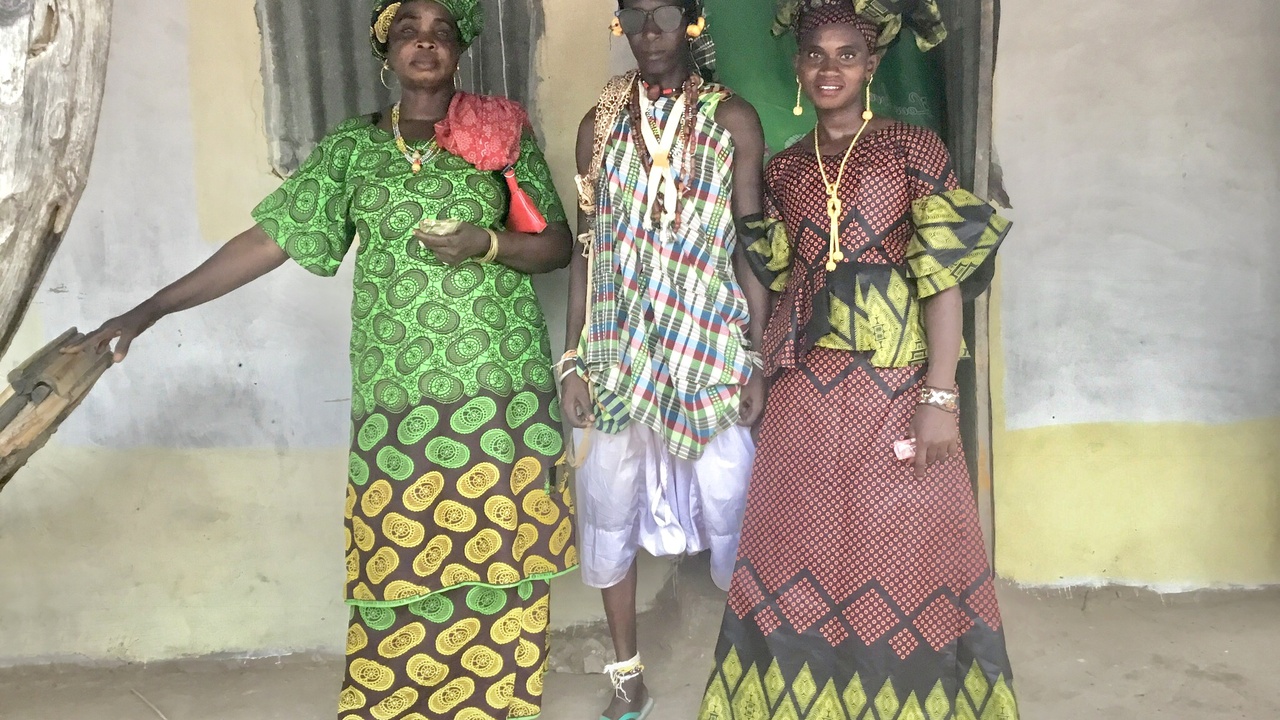
Marriage, death and household composition are organized by customs that manage resources and status. These practices determine inheritance, labor sharing and who provides care during illness or old age.
4. Wedding rituals and communal support
Gambian weddings mix Islamic rites, ethnic customs, music and reciprocal gift-giving. Celebrations can last several days and include formal exchanges between families that publicly establish new obligations.
Music—kora, drums and modern bands—fills processions through neighborhoods in places like Serekunda and Banjul. Vendors, tailors and caterers see predictable demand: weddings are important for local artisans and musicians.
Communal fundraising and shared labor for a bride’s trousseau or a community meal create long-term ties. A wedding is both a festive event and a social contract that binds in-laws into mutual aid networks.
5. Funeral rites and ancestor remembrance
Funerals follow Islamic urgency—burial typically within 24 hours—combined with extended local mourning practices. Relatives gather for washing the body, communal prayers and a quick interment.
After burial, families host visiting kin, provide meals and maintain gravesites on anniversaries. These rites mobilize social capital: neighbors contribute money, food and labor to support bereaved households.
Funerals also reinforce migration ties: city relatives often travel back to the home village, renewing obligations and clarifying inheritance expectations for land and livestock.
6. Polygamy and household structures: practical arrangements
Polygamy, permitted under customary and Islamic law, shapes how many households organize work and care. In rural areas, co-wives commonly coordinate farming tasks, child-rearing and domestic duties.
Shared housing or compounds let families pool labor for rice fields or fishing. Inheritance and land use are planned around these household patterns, and social status can be linked to the size and productivity of a household.
Urban households show more variation: polygamy exists but may be less common, and economic pressures often push families toward nuclear arrangements while maintaining customary ties.
Food, Craft and Rituals
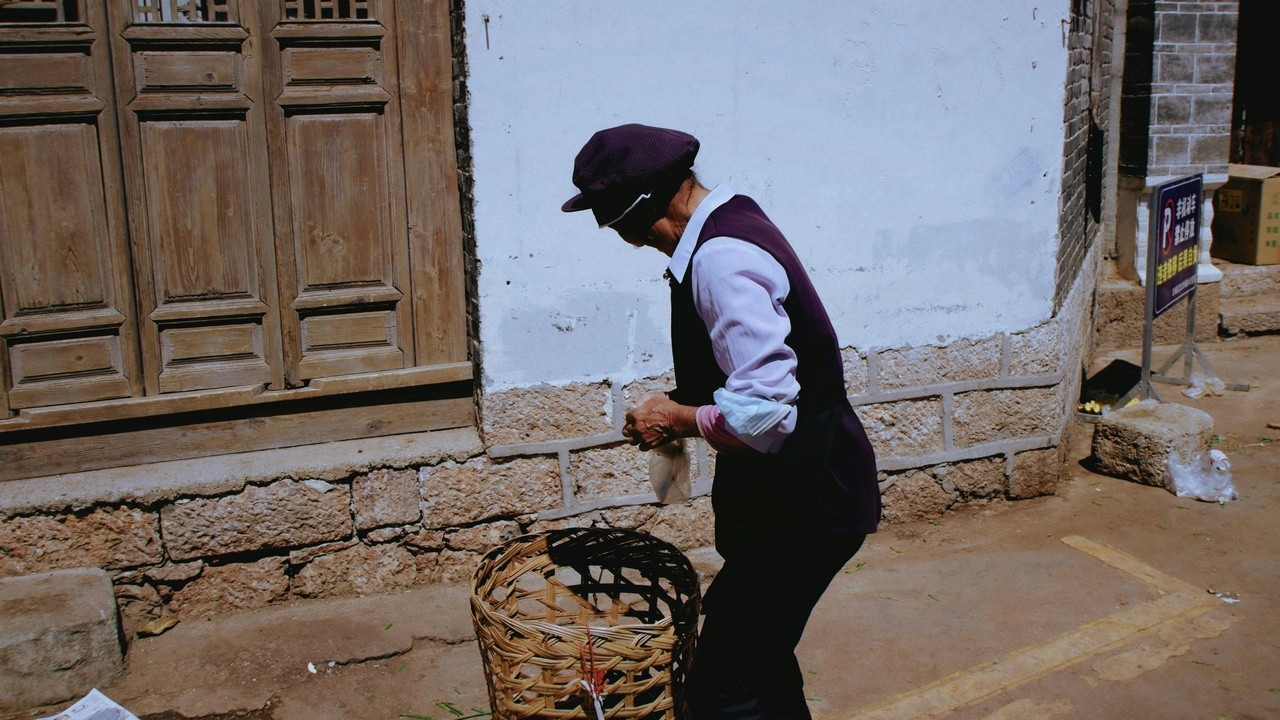
Cuisine and craft are everyday traditions that carry meaning and support livelihoods. From market stalls to family kitchens, shared recipes and artisanal techniques express identity and provide income.
7. Food traditions: Benachin and communal feasting
Benachin—often called jollof or one-pot rice—is ubiquitous at daily meals and ceremonies. It appears at naming rites, weddings and street stalls, bringing people together around a shared plate.
Typical ingredients include rice, tomato, vegetables, stock, fish or meat and a blend of spices. Vendors outside Albert Market and busy corners of Banjul and Serekunda serve Benachin to hurried workers and visiting relatives alike.
Communal feasts build reciprocity: hosting a large meal creates an obligation to return hospitality, and cooks and helpers earn regular work during festival seasons.
8. Craftsmanship: basket weaving, batik and instrument making
Textiles, baskets and instruments are artistic traditions and steady income sources. Albert Market in Banjul and nearby craft clusters host batik workshops, basket weavers and kora-string makers who sell to locals and visitors.
Family cooperatives often pass weaving and dyeing skills from mother to daughter, while luthiers teach kora construction to apprentices. These crafts sustain motifs tied to lineage and place, and supply musicians and tourists.
Notable cultural figures (for example, Foday Musa Suso) have helped link Gambian musical craftsmanship to international audiences, raising interest in both instruments and the artisans who make them.
Music, Dance and Oral Traditions
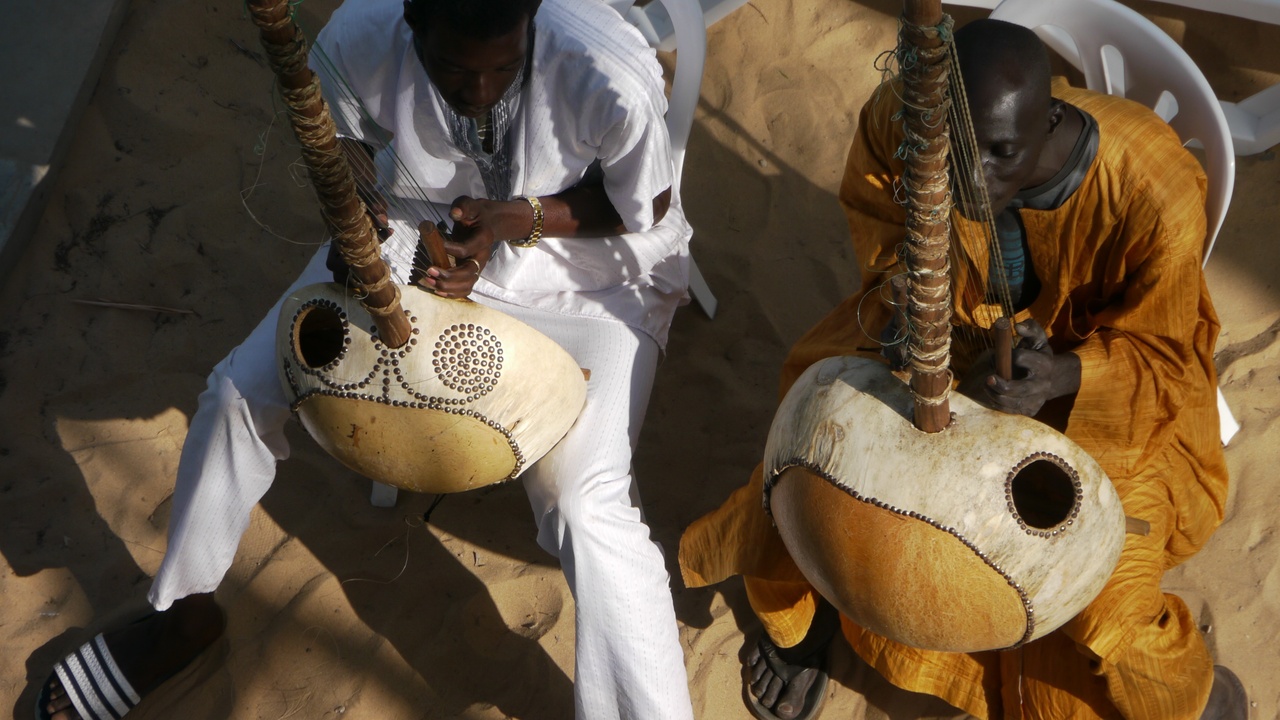
Music, dance and oral storytelling are living archives: they pass memory, settle disputes, and animate both national events like Independence Day (18 Feb) and religious festivals such as Eid.
9. Griot (jali) tradition: oral history and social memory
Griots, often called jali, are hereditary storytellers who preserve genealogies, lineage histories and local news. Their role includes praise-singing, conflict mediation and public teaching at ceremonies.
A griot might recount a clan’s origins during a naming ceremony or perform a kora-accompanied praise song for a community leader. These performances fix memory in song, making social claims and obligations audible to the whole village.
Many Gambian griots have toured internationally, carrying stories and styles abroad while keeping transmission lines active at home through apprenticeships and family workshops.
10. Festival music and dance: public celebration and continuity
Public festivals—religious (Eid al-Fitr, Eid al-Adha), national (Independence Day on 18 February) and seasonal harvest events—depend on music and dance to strengthen belonging. Parades and dance troupes create visible unity.
Independence Day in Banjul brings marching bands, traditional drumming and choreographed dances; vendors and performers rely on these occasions for income. Rural harvest dances connect agricultural cycles to communal celebration.
Festivals also renew intergenerational transmission: young dancers learn steps from elders, and musicians rehearse pieces that carry local histories and praise names into public life.
Summary
- Customary institutions—Alkalo, elders and initiation societies—do real governance work, mediating disputes and organizing communal labor.
- Life-cycle rituals (weddings, funerals, naming) structure social obligations and create predictable income for local artisans, cooks and musicians.
- Food and crafts (Benachin, batik, baskets, kora making) link culture to livelihoods and keep practical skills alive in markets like Albert Market.
- Griots, kora players (for example, Foday Musa Suso) and festival performances preserve memory and reinforce national belonging, especially around events like Independence Day.
- Understanding these traditions in the gambia reveals how culture supports governance, social safety nets and local economies—worth supporting as the country changes.