10 Important Traditions in Hungary
On a late February day in Mohács, villagers don carved wooden masks, blow long horns, and parade through a fog of smoke and music — a scene that looks older than time. That procession, Busójárás, was added to UNESCO’s Representative List of the Intangible Cultural Heritage of Humanity in 2009, a reminder that Hungary keeps many rituals alive.
Traditions in Hungary hold together community life for roughly 9.6–9.8 million people, shaping how holidays are spent, how families celebrate milestones, and what visitors come to see. They matter for identity, for small-business income (think seasonal bakers and mask-makers), and for social cohesion across cities and villages.
Below are ten influential customs — grouped by festivals, family life, food, and folk arts — that show how history, religion, and local creativity still color daily life in Hungary. Read on to find vivid examples, concrete dates like August 20, and practical ways to experience these living traditions.
Seasonal & Religious Festivals
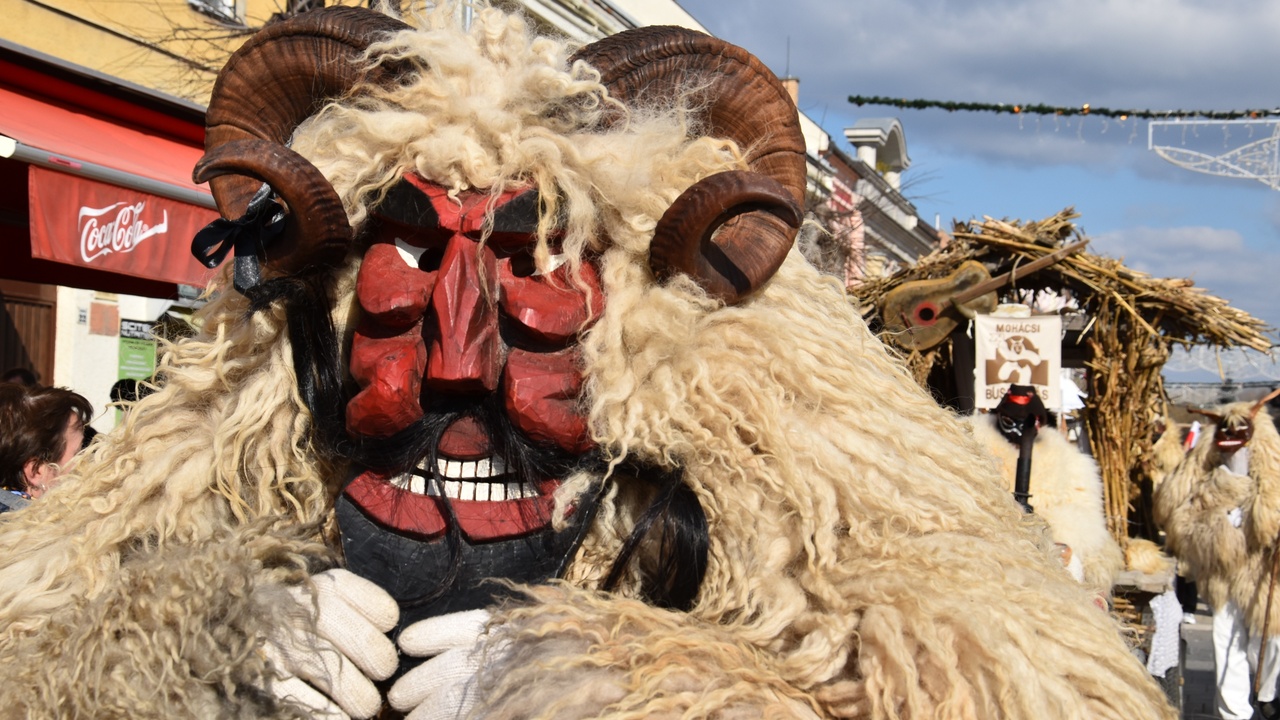
Festivals form the backbone of communal life across the calendar, blending pagan customs, Christian rites, and civic pageantry. From winter masks to high-summer fireworks, these events mark agricultural and liturgical rhythms, attract thousands of visitors, and sustain local craftspeople and food vendors.
Here are three of the most visible festival traditions — each at a different scale, from local carnival to national holiday.
1. Busójárás (Mohács Carnival) — Masked Winter Rituals
Busójárás is Mohács’s lively pre-Lenten carnival, famous for grotesque wooden masks, sheepskin cloaks, and the loud, reedy horns called “búgócsiga.” The tradition was inscribed by UNESCO in 2009 and typically takes place at the end of February or on movable dates before Lent.
The town draws several thousand visitors during peak events, which helps sustain local workshops where artisans carve masks and teach mask-making. Processions, folk music, and daytime markets keep the streets busy and the winter tourism season alive.
2. Christmas Eve (Szenteste) — Family Meals and Customs
Szenteste, celebrated on December 24, is the emotional center of Hungarian Christmas. Families gather for an evening meal, put a small tree in the home, light candles, sing a few carols, and exchange gifts — usually that same night.
Typical dishes include fish soup (halászlé), stuffed cabbage, and bejgli — a rolled pastry filled with poppy seed or walnut. Bakers, markets, and restaurants ramp up weeks in advance as seasonal sales spike and city Christmas markets fill with shoppers tasting these specialties.
3. St. Stephen’s Day (August 20) — National Holiday and Fireworks
August 20 is Hungary’s national day, commemorating King Stephen I and the founding of the Christian state (Stephen was crowned around 1000–1001 AD). It blends solemn state ceremonies with popular celebrations.
In Budapest people watch the blessing of the new bread at basilicas, stroll riverside events, and gather for spectacular fireworks over the Danube. The day affects transport and tourism — many services run on holiday schedules and hotels see a summer uptick from domestic and international visitors.
Family and Life‑Cycle Traditions
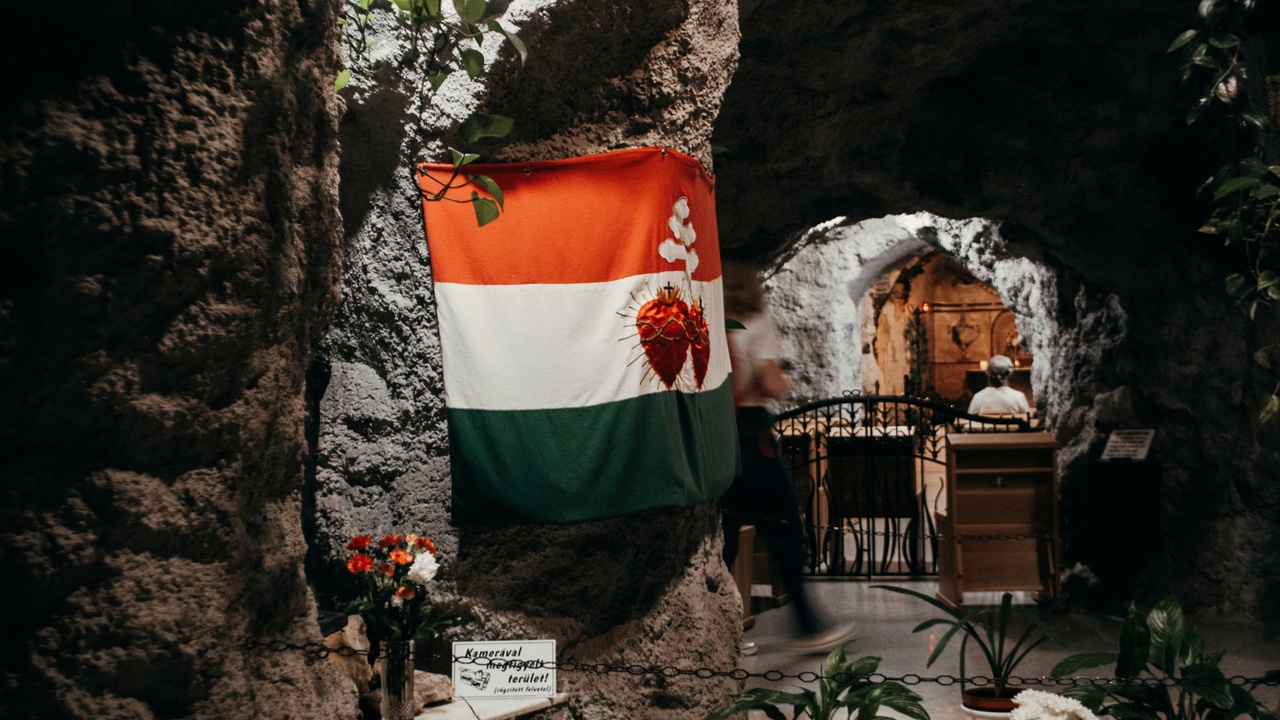
Personal milestones are public in Hungary: name days, weddings, baptisms, and funerals bring relatives and neighbors together. These rituals reinforce obligations and make the extended family a practical social network.
Below are three life‑cycle customs that show how private events become community affairs.
4. Name Days — Calendar-Based Celebrations
Many Hungarians mark their névnap, or name day, according to a printed calendar; some people celebrate it as much as their birthday. Employers and friends call or drop by with flowers, and workplaces often announce who’s observing a name day that week.
Florists and bakeries notice predictable spikes for popular names, and families sometimes gather for a special meal or a small cake. The practice smooths social scheduling — it’s common to check the name-day calendar when planning visits.
5. Wedding Traditions — From Civil Rites to Folk Festivities
A Hungarian wedding typically combines legal paperwork, a church or registry service, and a lively reception that borrows folk elements. In many regions the vőfély — a master of ceremonies — leads toasts, jokes, and traditional announcements.
Regional customs vary: Transdanubian celebrations may feature specific dances and dress, while Székely (Transylvania) weddings keep distinct rituals and songs. Local musicians, caterers, and traditional dressmakers rely on wedding seasons for income.
6. Baptism and Godparent Roles (Keresztszülők)
Godparents play a lasting role in Hungarian family life. At baptism they promise spiritual guidance and often present keepsakes such as religious icons or silver spoons. Choosing a godparent links families across generations.
That relationship usually continues: godparents attend confirmations, weddings, and might help financially or with advice. The role blends religious obligation with practical support in the extended family network.
Food and Culinary Traditions
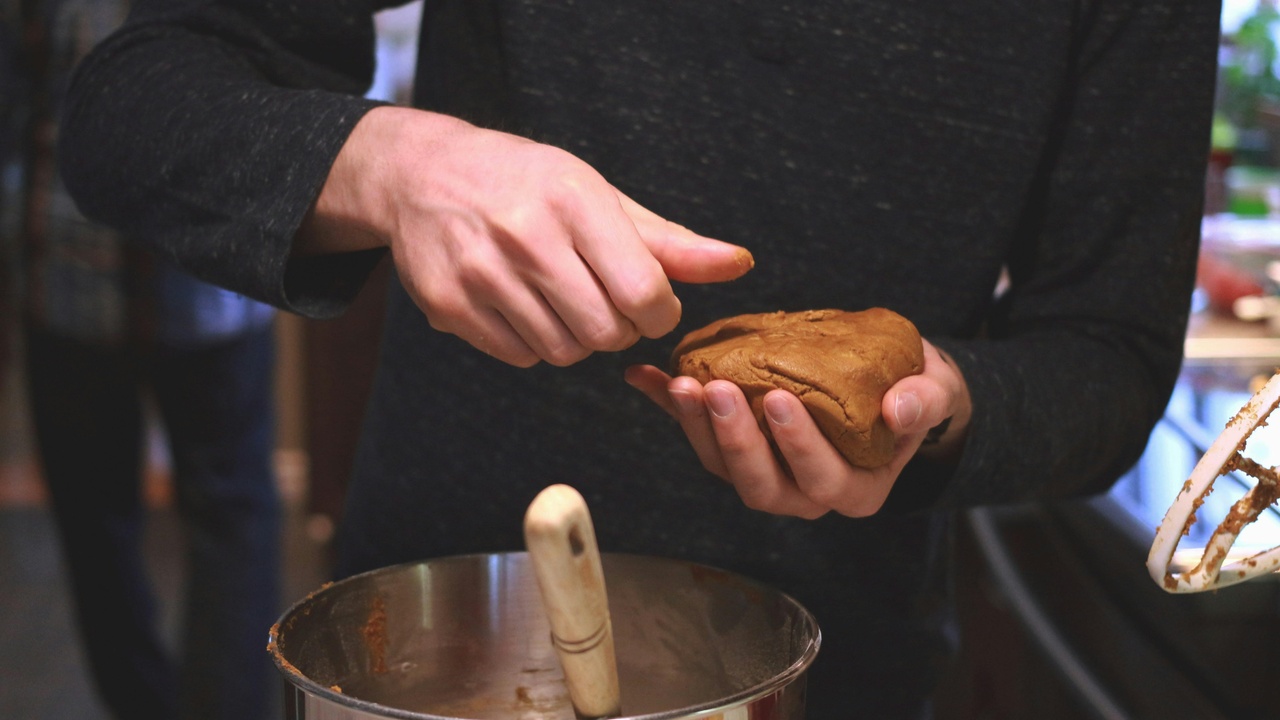
Food is public culture in Hungary: communal cooking, strong regional recipes, and street pastries all carry meaning. Classic dishes are passed down at home while chefs tinker with presentation at restaurants and festivals.
Two culinary practices stand out for how they organize social life and attract visitors.
7. Goulash and Outdoor Cooking (Bogrács) — Community Stews
Goulash (gulyás) is Hungary’s best-known stew, usually made with beef, onions, potatoes or other vegetables, and generous paprika. The outdoor bogrács tradition puts the pot over an open flame so friends and neighbors cook together in a large cauldron.
Paprika rose to culinary prominence in the 18th century and producers around Szeged and Kalocsa remain important suppliers. Village fairs often include bogrács competitions where teams cook for crowds, and the dish is a staple on menus for visitors worldwide.
8. Holiday Pastries and Street Sweets — Bejgli and Kürtőskalács
Bejgli, the rolled pastry filled with poppy seed or walnut, is a Christmas staple in many homes. Families guard recipes and take care to roll the dough just so for an even filling and flaky crust.
Kürtőskalács, the chimney cake, is the go‑to street sweet at markets and fairs. Spun dough is baked on a spit and coated with sugar, cinnamon, or nuts. Both items drive seasonal sales at Budapest markets and figure prominently in tourist food trails.
Folk Arts, Music and Traditional Dress
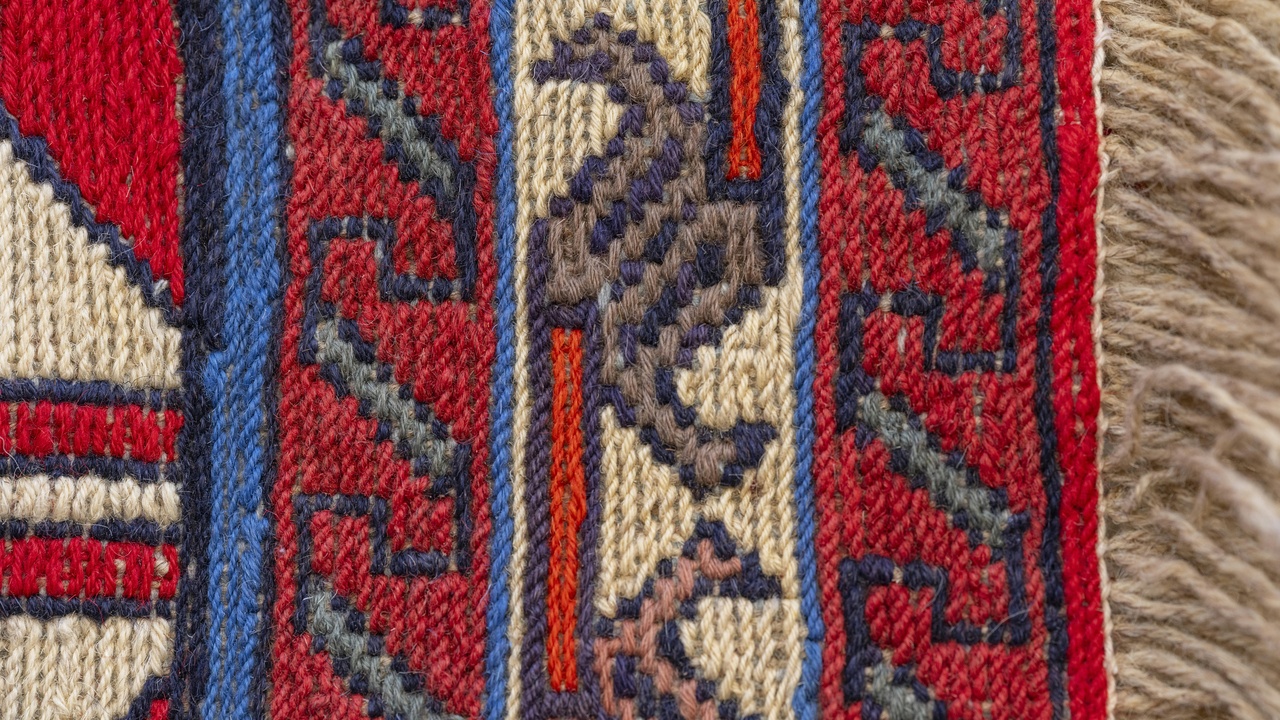
The visual and performative traditions are the most visible signs of regional identity: dance, song, embroidery, and costume. A grassroots revival in the late 20th century helped keep these practices current rather than museum pieces.
Here are two living traditions that tourists and locals experience alike.
9. Folk Music & Dance (Csárdás and Táncház Movement)
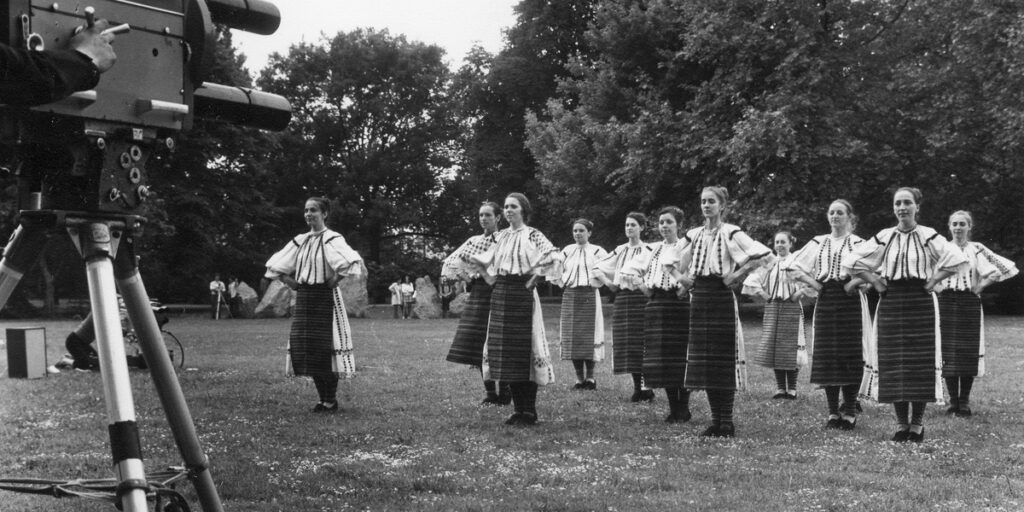
Csárdás is a spirited couple dance, alternating slow and fast tempos, and it’s central to Hungarian folk repertoire. In the 1970s the Táncház (dance-house) movement brought village musicians into cities, where dances and tunes were taught and performed.
That revival shaped music education and helped launch successful folk ensembles. Dance houses in Budapest and other towns host weekly evenings, giving dancers and musicians paid gigs and keeping repertoire fresh for new generations.
10. Folk Embroidery and Costume (Matyó, Kalocsa)
Matyó and Kalocsa embroidery styles are instantly recognizable for their bright floral motifs and dense stitching. Museums, workshops, and cooperatives preserve patterns while training new artisans.
Today embroidery appears on contemporary clothing, homewares, and souvenirs, so regional styles travel from village festivals into boutique shops and international exhibitions.
Summary
- Busójárás’s 2009 UNESCO listing shows how a small town’s ritual can gain global recognition.
- Name days remain socially important — as much a reason to visit or send flowers as a birthday.
- Food and festivals drive tourism and local economies, from bogrács stews to Christmas bejgli.
- The Táncház revival and regional embroidery prove that folk arts can be living practices, not museum pieces.
- Want to experience these traditions? Attend Busójárás or a táncház, visit a Budapest Christmas market, or try making bejgli at home.