8 adventurous things to do in south sudan
South Sudan became the world’s newest country on July 9, 2011, a young nation with vast wild landscapes, huge wetlands and traditions that reward patient travelers.
The country has a population of roughly 11 million and the Sudd wetlands can spread to about 57,000 km² at high water, making for dramatic, near-untouched waterways and savanna systems few travelers ever see.
Adventurous travelers should care because this is one of Africa’s remaining places for large-scale wildlife events, riverside culture and mountain treks that still feel exploratory; plan around seasons, permits and local guides for safe, ethical visits.
This piece lists eight experiences grouped into three practical categories: Wildlife & Savanna; Rivers & Wetlands; and Cultural, Historical & Overland Treks, with tips on timing, logistics and responsible travel.
Wildlife & Savanna Adventures
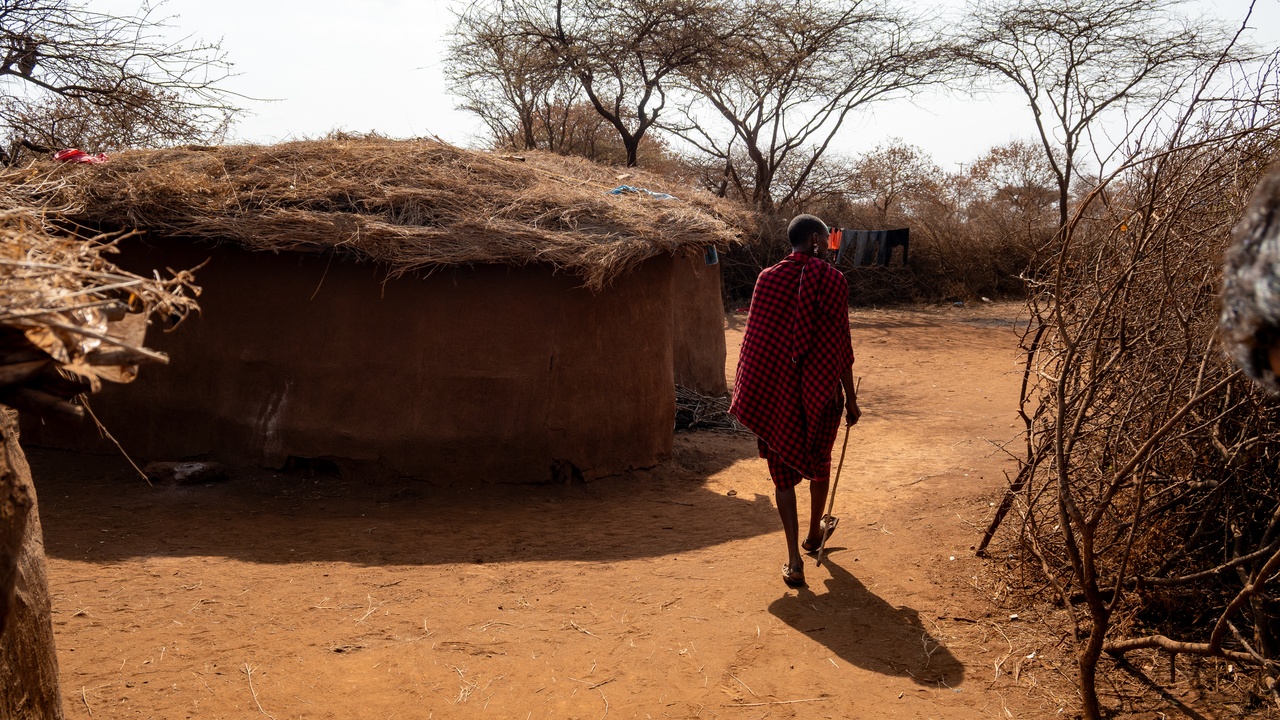
The savanna regions around Boma and Badingilo are your best bet for big mammals and wide horizons, but they are remote and often sparsely visited.
Travel usually requires sturdy 4×4 vehicles, experienced local guides and park permits; the dry season concentrates animals and makes roads more passable as protected areas recover after decades of disruption.
1. Witness the white-eared kob migration in Boma
See the white-eared kob migration around Boma National Park — part of the Boma-Gambella ecosystem that has hosted one of Africa’s largest terrestrial migrations, historically numbering in the hundreds of thousands and sometimes reported near a million animals.
Guided game drives and guided walks (where permitted) place you near huge herds, and local rangers and community scouts often coordinate movement updates; visit in the dry season, book through experienced operators, and bring a long telephoto, binoculars and spare batteries.
2. Game drives and remote safaris in Badingilo
Badingilo National Park is less visited but wildlife-rich, with historic records of elephants, giraffes, lions and sable antelope, so expect a true frontier experience when you go.
Plan multi-day 4×4 loops with camping or basic park accommodation, take satellite communication and extra fuel, and pack insect protection; sightings are unpredictable, but the solitude and raw landscape reward patient travelers.
3. Birdwatching the Sudd — hundreds of species in watery wilderness
The Sudd wetland supports very high bird diversity — South Sudan records more than 400 species overall — and seasonal floods bring large numbers of waterbirds that draw serious birders.
Access the Sudd by boat or canoe with local crews to seek pelicans, herons, African skimmers and migrating ducks; use lightweight optics for long water-based sessions and partner with guides who know the best channels and rookeries.
River, Wetland & Waterway Expeditions
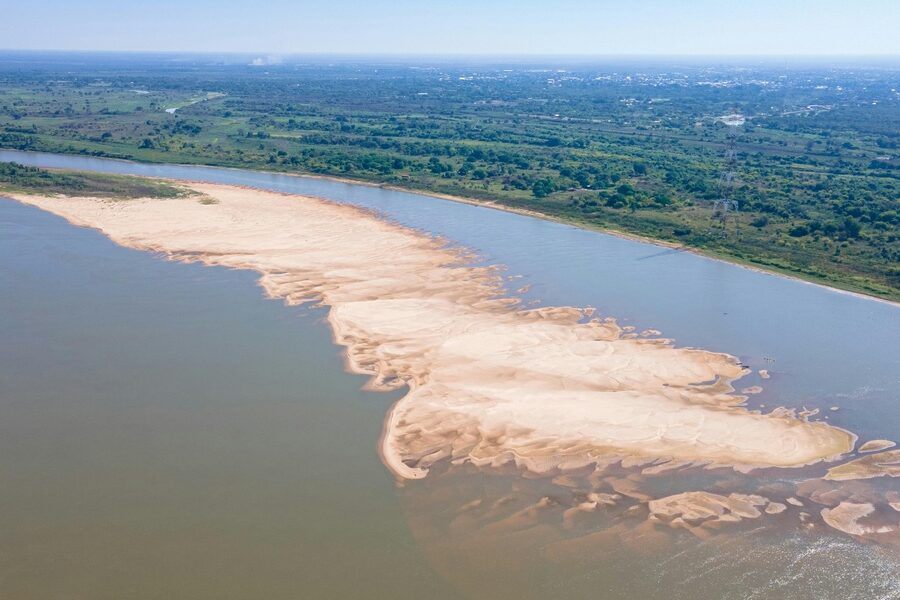
The White Nile and the Sudd shape daily life and adventure in South Sudan, offering trips from short village canoe outings to multi-day river journeys where hippos and crocodiles are common sights.
Seasonal water levels determine access, so travel with experienced boat crews, respect wildlife distances, and follow low-impact practices when visiting fishing camps and wetlands communities.
4. Multi-day boat journeys on the White Nile
Multi-day White Nile journeys immerse you in river life, bringing you within view of hippos, crocodiles and abundant waterbirds while traversing long stretches of riparian habitat when conditions allow.
Typical itineraries mix daytime wildlife viewing with evening camps on sandbars or river islands and visits to riverside villages; departures often run from Juba (or upriver from Malakal depending on season), so book reputable operators who supply experienced skippers and safety gear like life jackets and flotation aids.
5. Explore the Sudd by motorboat or canoe
Exploring the Sudd by shallow motorboat or dugout canoe reveals a shifting maze of channels, floating vegetation and hidden bird rookeries across roughly 57,000 km² at high water.
Partner with community boatmen who know seasonal routes, travel in early morning or late afternoon for the best light, pack waterproof storage and insect repellent, and avoid disturbing breeding sites by keeping distance from nesting islands.
6. Fishing and village canoe trips with local communities
Small-group fishing and canoe trips connect you with riverside livelihoods, showing traditional net and trap methods and the rhythms of daily river life.
Hire local guides, ask permission before photographing, pay fair wages and consider sharing a meal of freshly caught fish; towns like Juba and Malakal host lively fish markets where you can see seasonal catches and trading in action.
Cultural, Historical & Overland Treks
Human-scale adventures range from market visits and seasonal ceremonies to homestays with pastoralists and overland treks into mountain country such as the Imatong range.
These visits require respect, prior permission and trusted local partners; mountain treks favor cooler, dry months and need fitness, guides and good gear for elevation changes.
7. Stay with pastoralist communities and visit cattle camps
Homestays with Dinka or Nuer pastoralist communities offer intimate cultural insight: cattle sit at the center of social identity, marriage payments and seasonal ceremonies.
Arrange visits through community-based tourism programs or vetted NGOs, ask permission, follow local norms, offer modest gifts or fair payment, and expect simple camp cooking, daily tasks like milking and storytelling around evening fires.
8. Trek the Imatong Mountains and climb Mount Kinyeti
The Imatong Mountains are South Sudan’s prime trekking area, with Mount Kinyeti rising to about 3,187 meters and offering cooler air, unique montane flora and broad views over lowland plains.
Typical treks run two to four days; hire local guides and porters, be prepared for rapid weather changes, consider altitude effects, and secure any required permits or local approvals before setting out.
Summary
- South Sudan offers rare, large-scale wildlife spectacles (Boma migration), expansive wetland journeys across the Sudd, and mountain treks like Mount Kinyeti that reward prepared travelers.
- Plan around seasonality and logistics: dry-season game viewing, high-water river routes, 4×4 access, boat crews, permits and ranger or community escorts are often required.
- Travel responsibly: book vetted operators, hire and fairly pay local guides and boat crews, respect ceremonies and private camps, and minimize disturbance to wildlife and nesting sites.
- Prioritize safety and research: check local conditions and authorities, bring necessary communications and medical kits, and prepare gear for mosquitoes, heat and rapid weather shifts in highlands.