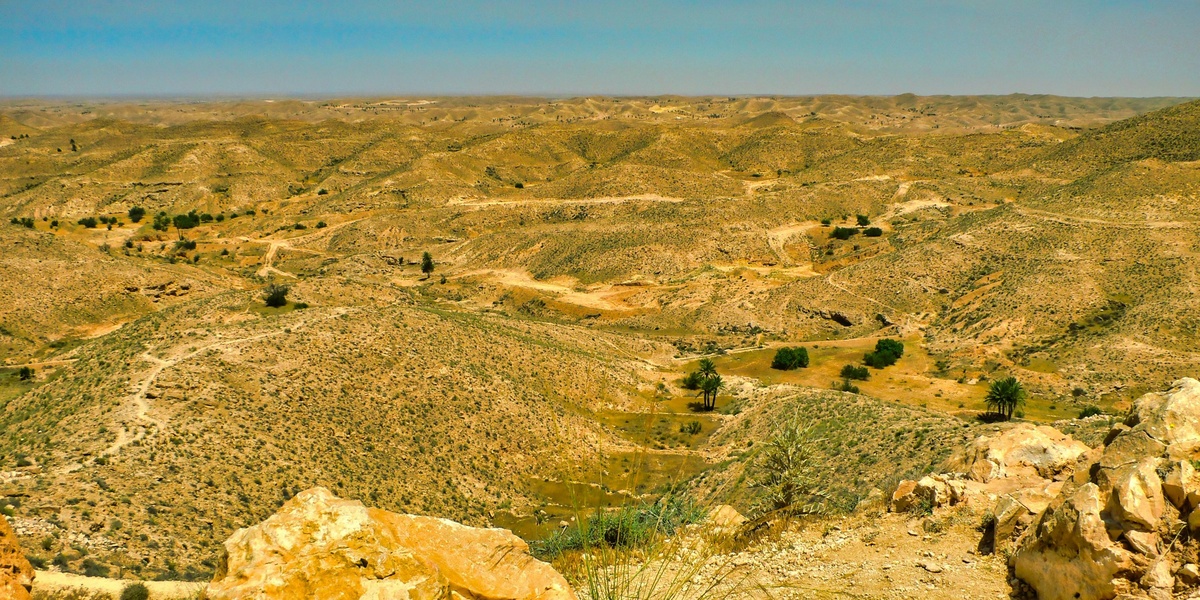
In 1976 and 1977, director George Lucas used Tunisia’s deserts and salt pans as backdrops for Star Wars, turning towns such as Matmata and Chott el Jerid into instantly recognizable otherworldly landscapes.
From wind-whipped Mediterranean coasts to Atlas foothills and the broad Sahara, Tunisia packs more varied terrain into one small country than many travelers expect. The Mediterranean coastline runs roughly 1,148 km, the population is about 12 million, and seasonal contrasts mean warm seas from late spring through early autumn alongside crisp desert nights. This piece points you toward eight hands-on adventures—grouped into coastal, desert, and active cultural/mountain categories—so you can plan realistic outings with local guides, sensible seasons, and concrete logistics.
Coastal & Water Adventures
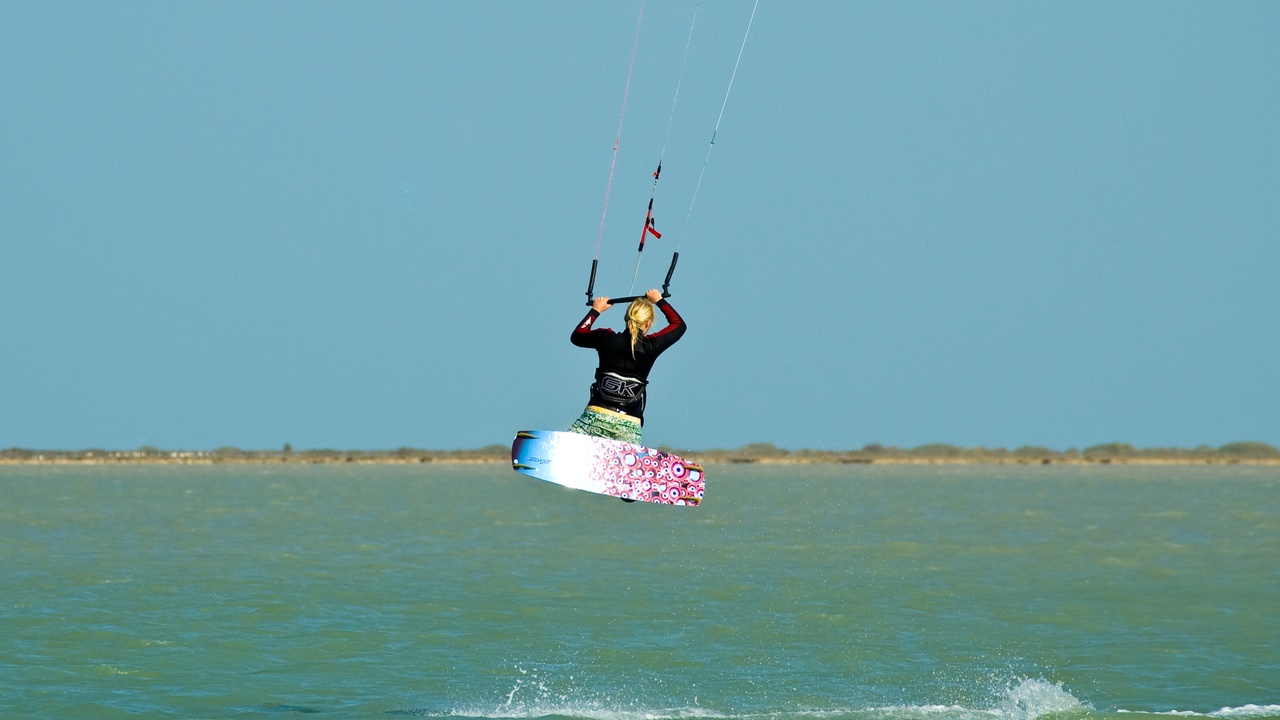
Tunisia’s Mediterranean shore—approximately 1,148 km—offers warm water from May through September, steady sea breezes in many spots, and a range of water-sport options for beginners through experts. Local operators provide certified instruction and rentals, and seasonal winds (strongest in summer) make wind sports reliable while calmer bays suit snorkelers and day sailors. Basic safety: check seasonal forecasts, hire local guides for unfamiliar waters, and plan most activities between May and September.
1. Kitesurf and Windsurf the Gulf of Hammamet and Djerba
Kitesurfing and windsurfing are summer staples on Tunisia’s sandy launch beaches where steady thermic breezes build each afternoon.
Top spots include Yasmine Hammamet and nearby beaches in Hammamet, plus Djerba’s southern shores where sandy launches and shallow water are beginner-friendly. The recommended season is May–September when winds are most consistent.
Schools typically run lessons of around 2–4 hours, and equipment rental is widely available; expect single-lesson prices roughly around €30–€70 or equivalent locally depending on location and group size. Ask for IKO-certified instructors and book through established watersports centres in Hammamet and Djerba.
Safety note: always check local wind forecasts, wear an approved harness and impact vest, and consider reef shoes and strong sun protection.
2. Scuba dive and snorkel around Tabarka and Cap Bon
Northwestern coasts around Tabarka and the Cap Bon peninsula host healthy reefs, Posidonia meadows, rocky walls and small wrecks that appeal to intermediate and advanced divers.
Visibility commonly ranges from 10–30 m in good conditions, and late spring through autumn is the best window for diving. Typical dives include wall dives, wreck visits near Tabarka and caveed sections off Cap Bon, plus rich seagrass habitats supporting local biodiversity.
Certified dive shops in Tabarka and Cap Bon offer guided day trips and equipment rental; deeper or wreck dives usually require an advanced certification. Bring a dive computer and logbook, and always dive with a local guide who knows seasonal currents and site entry points.
3. Sail or take a multi-day boat trip to Djerba and the Kerkennah Islands
Chartering a small sailboat or joining a multi-day cruise gives access to quieter islands, fishing villages and coastal birdlife that larger ferries miss.
Day sails range from half-day outings to multi-day charters; common small-yacht passenger capacities are 6–12 people. Expect to see traditional fishing methods, shorebird colonies and—seasonally—flamingos in the Gulf of Gabes.
Book through reputable charter companies based in Houmt Souk (Djerba) or Sfax for Kerkennah, pack sunscreen and light layers, and bring motion-sickness remedies if you’re prone to seasickness. Shore stops often end at family-run seafood restaurants for freshly caught meals.
Desert & Dune Adventures
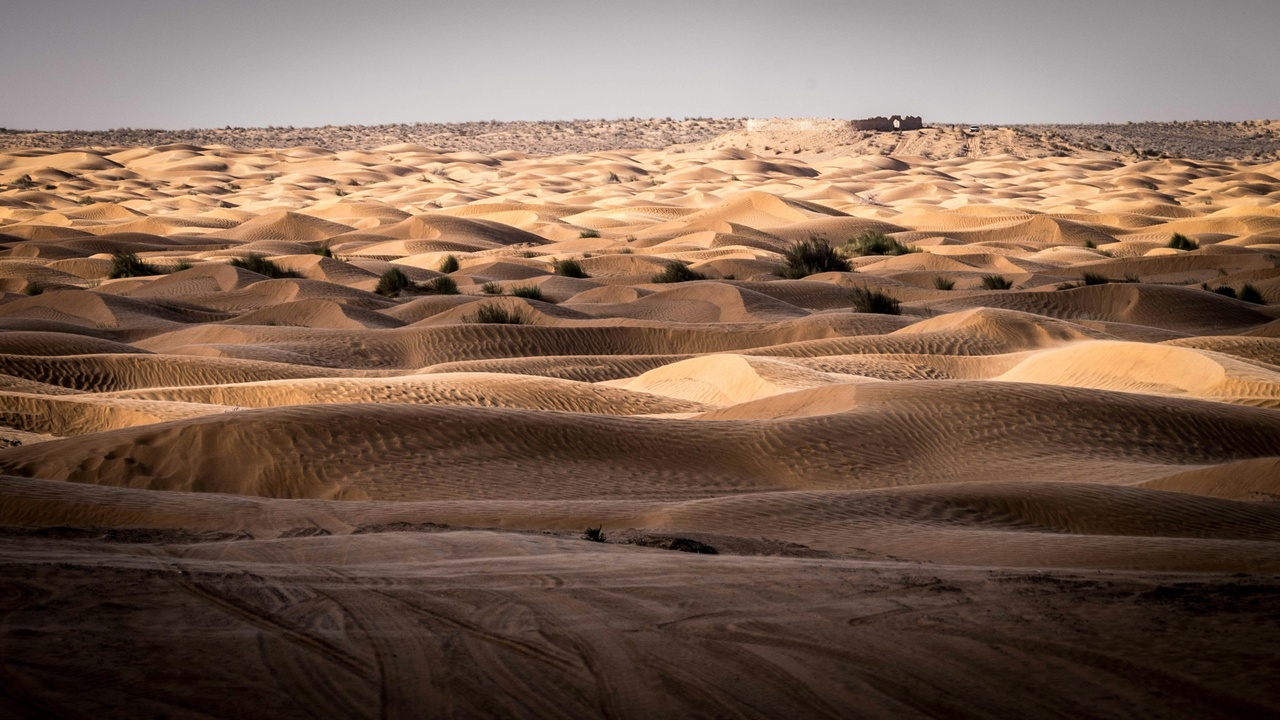
Tunisia’s south unfolds into rolling dunes, vast salt flats and scattered oases that offer dramatic contrasts to the coast. Douz—often called the Gateway to the Sahara—and Ksar Ghilane serve as practical bases for excursions into Erg Oriental and nearby dunes. Nights under dark skies, 4×4 runs and cultural encounters with camel caravans or local Bedouin-style camps are the main draws here.
Chott el Jerid, covering roughly 5,000 km², and the Star Wars filming in 1976–77 are tangible reminders of how cinematic these landscapes feel.
4. 4×4 dune driving and camel treks from Douz or Ksar Ghilane
Combine fast-paced 4×4 dune runs by day with slower camel treks for an authentic contrast of speed and tradition.
Excursions run from half-day and full-day trips to multi-day safaris. Overnight camps generally include basic sleeping mats, blankets, shared meals around a fire and, in some camps, simple toilet facilities.
Operators based in Douz and Ksar Ghilane advertise packages; rough price ranges for day excursions typically start around €40–€120 depending on vehicle size and distance. Choose providers with experienced guides, good reviews, fuel reserves, and clear safety protocols.
Tip: Ksar Ghilane’s oasis (with a hot spring) is a common hub for mixed 4×4 and camel itineraries and a pleasant place to cool off after dune runs.
5. Photograph and explore Chott el Jerid’s salt flats at sunrise and sunset
Chott el Jerid is a vast salt pan famed for mirages and glassy reflections that create surreal images at low sun angles.
The pan covers roughly 5,000 km² and is best visited at sunrise or sunset for dramatic light and cooler temperatures. Nearest access points include Tozeur, which makes an easy base for short excursions onto the salt crust.
Practical tips: avoid midday when heat and glare are extreme, hire a local guide to navigate deceptive crusts and soft patches, and pack a polarizer, tripod and low-angle lens for the best photos. Be cautious after rains—some areas can flood seasonally.
6. Stay in troglodyte accommodations and try local Bedouin-style camping
Matmata’s troglodyte homes—underground rooms carved into soft rock—offer a refreshingly cool, intimate stay and a direct link to local lifeways and film history.
These troglodyte guesthouses are often family-run, with low-ceiling rooms that stay cool in summer. Matmata was used as a Star Wars filming location in 1976–77, and many hosts combine stays with stories, home cooking and evenings around a fire.
Booking tip: reserve through established guesthouses, expect modest rates compared with hotels, and follow simple etiquette—ask before photographing people and respect private spaces. Combine a troglodyte night with a guided local meal for the fullest cultural exchange.
Active Cultural & Mountain Adventures
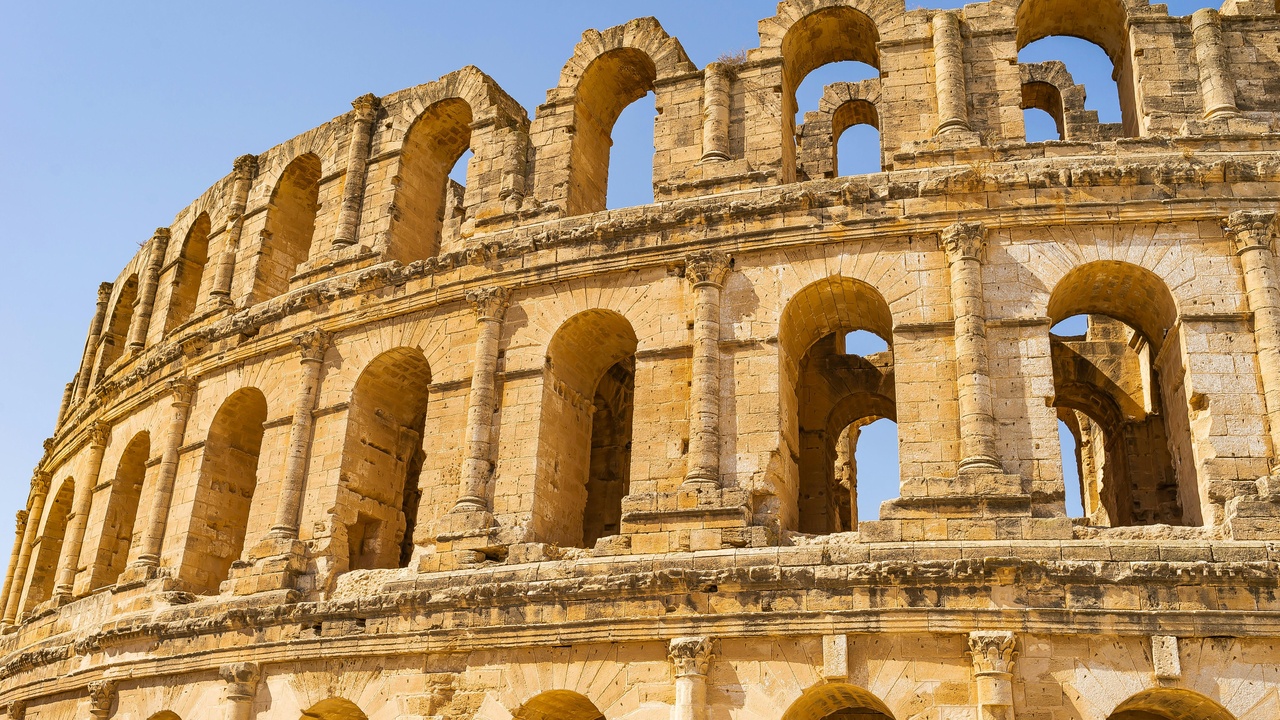
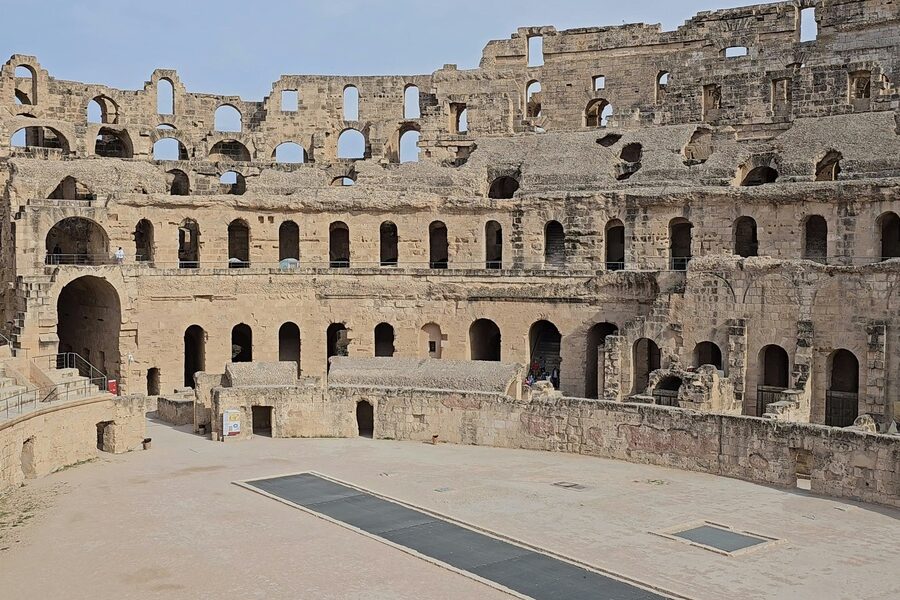
Tunisia’s adventure options extend beyond sea and sand into hill hiking, Roman and Islamic monuments, and wetlands for birding. UNESCO sites such as El Jem and Kairouan underline a rich cultural layer worth pairing with activity travel. El Jem’s amphitheatre dates to the 3rd century AD, and Ichkeul National Park is UNESCO-listed for its migratory bird importance.
7. Trek and canyon in Cap Bon, Kroumirie and local hills
Northern peninsulas and forested hills deliver surprising day-hikes, gullies and small canyons with coastal views and shaded routes.
Suggested routes include coastal cliff walks on Cap Bon and shaded forest trails in the Kroumirie near Tabarka. Spring and autumn are ideal seasons for hiking when temperatures are moderate and trails are green.
Fitness levels range from beginner day-hikes to intermediate canyon scrambles; bring sturdy shoes, water and sun protection. Hire local guides for lesser-marked routes, and consider a sample day plan: morning hike, midday swim, late-afternoon town visit with transport back to trailheads.
8. Cycle historic routes and explore Roman and Islamic sites (El Jem, Kairouan, Carthage)
Cycling links archaeological treasures, medinas and coastal roads so you can experience culture and exercise in a single trip.
El Jem’s amphitheatre (3rd century AD) and sites in Kairouan and Carthage highlight Tunisia’s layered past; Ichkeul offers birding stops for naturalists. Popular day loops range from about 40–80 km depending on route and fitness, with flat coastal rides around Hammamet or longer circuits between El Jem and Sousse.
Bike rental shops operate in Tunis and coastal towns, and guided cycling tours handle logistics, support and bike transfers. Note road conditions and summer heat; plan early starts, carry water and wear reflective gear for busy roads.
Summary
- Tunisia supports a wide mix of coastal, desert and hill adventures—from kitesurfing and diving to 4×4 dunes and troglodyte stays—so you can match activities to season and fitness.
- Plan seasonally: most water sports run best May–September, spring and autumn suit hiking, and desert dawns/dusks are ideal for photography and cooler travel.
- Bring practical gear and local expertise: hire guides for desert navigation, ask for certified instructors for watersports, and use local charters or cycling tours to simplify logistics.
- Small surprises matter: Chott el Jerid spans roughly 5,000 km², El Jem’s amphitheatre dates to the 3rd century AD, and Star Wars used Matmata and the salt flats in 1976–77—all great reasons to plan a visit and capture unique moments.
- Pick one adventure now—book a guided experience, check the season and operator, and enjoy adventurous things to do in tunisia while respecting local customs and environments.