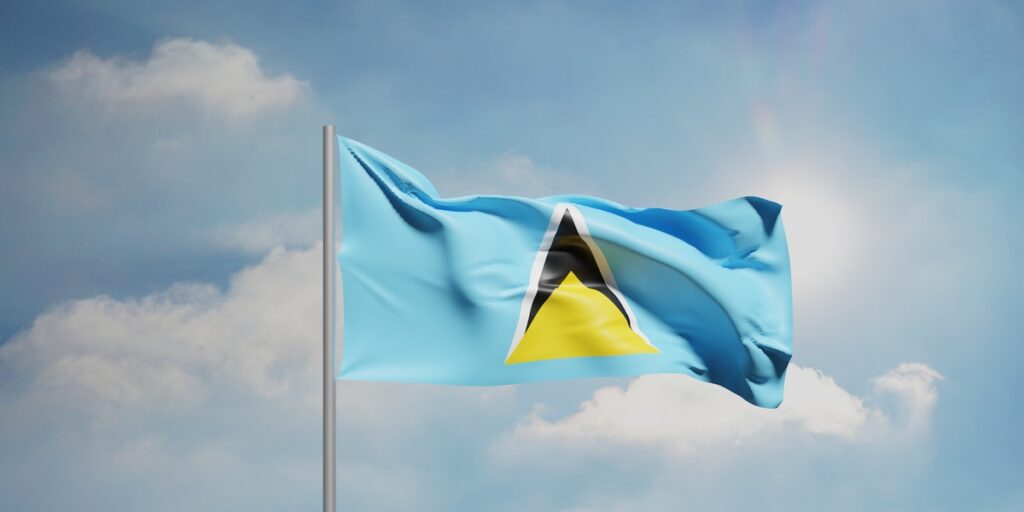
Saint Lucia’s speech patterns mirror its mix of colonial history and Caribbean life, heard in markets, festivals, and everyday conversation across the island. From formal ceremonies to neighborhood chats, language shapes local identity and social connection.
There are 6 Languages Spoken in Saint Lucia, ranging from English,Spanish to regional Creole and immigrant tongues, and for each you’ll find below Status,Estimated % speakers,Usage contexts — you’ll find below.
Which language is used for government and schools?
English is the official language and is used in government, courts, and formal education, while Saint Lucian Creole (Kwéyòl) is commonly spoken at home and in informal settings; many residents are bilingual and switch depending on context.
Can a visitor get by with only English, or should they learn Kwéyòl phrases?
Most visitors will manage easily with English, especially in tourism and urban areas, but learning a few Kwéyòl greetings and phrases is appreciated and helps with local interactions and cultural understanding.
Languages Spoken in Saint Lucia
| Language | Status | Estimated % speakers | Usage contexts |
|---|---|---|---|
| English | Official | 98% | Government, courts, schools, media, business, formal settings |
| Saint Lucian Creole (Kwéyòl) | National | 85% | Home, markets, festivals, radio, informal conversation |
| Haitian Creole | Immigrant language | 4% | Haitian communities, workplaces, markets, religious services |
| French | Minority | 3% | Tourism, education (foreign language), cross-island ties, professional use |
| Spanish | Minority | 1% | Migrants, commerce, tourism, Venezuelan and Latin American communities |
| Sign language (ASL-influenced) | Minority | 0.50% | Deaf community, schools for the deaf, NGOs, family communication |
Images and Descriptions

English
Saint Lucia’s official language; taught in schools and used for government, courts, and formal media. Most residents speak English to varying degrees; it coexists with Creole in daily life. Standard English is used for education and international communication.

Saint Lucian Creole (Kwéyòl)
Often called Kwéyòl, Saint Lucia’s French-based Creole is widely spoken in homes, markets, and cultural life. It expresses local identity, folk traditions, and music. Many people are bilingual with English; the language is celebrated annually and used in informal and community settings.
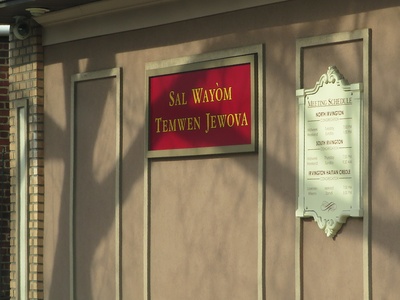
Haitian Creole
Haitian Creole is spoken by Haitian immigrants in Saint Lucia, used in community networks, markets, and workplaces. It shares roots with French and some mutual intelligibility with Kwéyòl, though it’s a distinct language serving a growing immigrant population and families.
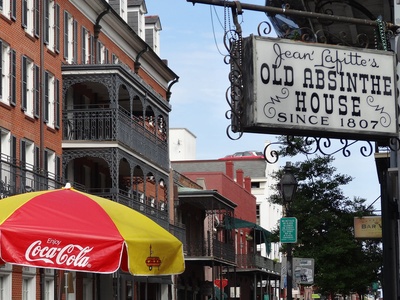
French
French has historical ties to Saint Lucia and is spoken by a small minority, visitors, and some professionals. It’s taught in schools and used in tourism and cross‑island connections with nearby Martinique and Guadeloupe, though not a primary home language for most residents.

Spanish
Spanish is spoken by a small and growing group of migrants, workers, and business people, particularly from Venezuela and other Latin American countries. It’s used in commerce, some workplaces, and by bilingual families, though overall speaker numbers remain low.

Sign language (ASL-influenced)
Deaf Saint Lucians and their families use sign language in education, community groups, and NGOs. The signing used often shows American Sign Language influence alongside local signs. The deaf community is small but active, advocating for services and inclusive education.