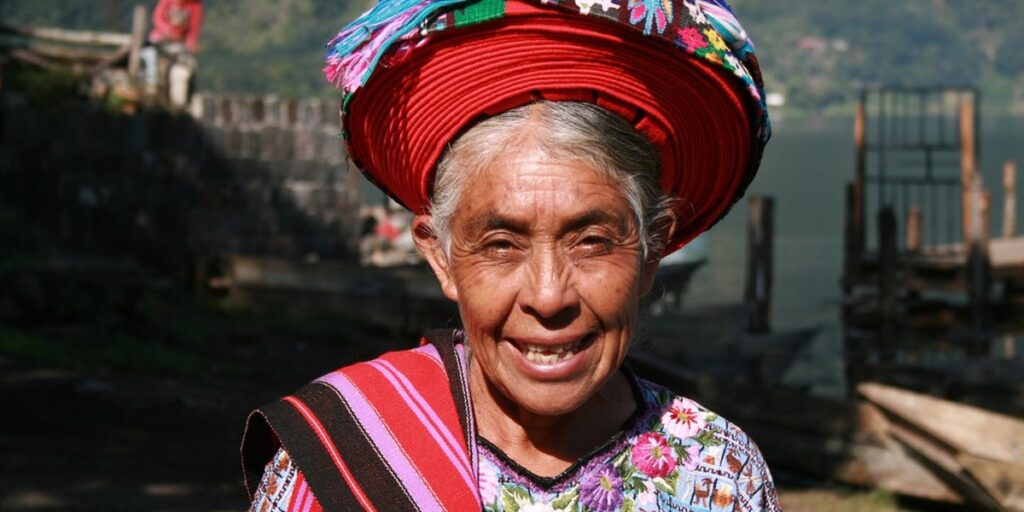
Guatemala’s towns and highlands are alive with languages that carry history, family stories, and everyday life. From market stalls to rituals and radio programs, speech marks identity across regions and generations.
There are 32 Languages Spoken in Guatemala, ranging from Achi to Yucatec Maya. For each language we list the Family,Estimated speakers,Main regions to help you compare status and geography — you’ll find below.
Which languages are most widely spoken in Guatemala?
Spanish is the lingua franca across cities and national institutions, but several Maya languages have large speaker populations too — notably K’iche’, Qʼeqchiʼ, Kaqchikel and Mam — each with hundreds of thousands of speakers in specific highland and lowland regions; the list below shows estimated speaker counts so you can see the relative scale.
How can I find materials or support for learning or preserving these languages?
Look to community schools, cultural centers, university programs, local radio and NGOs that work on indigenous language education, plus online courses and dictionaries; the table below (Family,Estimated speakers,Main regions) can help you prioritize which languages to research or support.
Languages Spoken in Guatemala
| Language | Family | Estimated speakers | Main regions |
|---|---|---|---|
| Spanish | Romance | 11,000,000 | Nationwide, urban centers, highlands |
| K’iche’ | Mayan | 1,000,000 | El Quiché, Huehuetenango, Totonicapán |
| Q’eqchi’ | Mayan | 1,100,000 | Alta Verapaz, Izabal, Petén |
| Mam | Mayan | 600,000 | San Marcos, Huehuetenango, Quetzaltenango |
| Kaqchikel | Mayan | 550,000 | Sololá, Sacatepéquez, Chimaltenango |
| Tz’utujil | Mayan | 90,000 | Lake Atitlán (Sololá) |
| Poqomchi’ | Mayan | 150,000 | Alta Verapaz, Baja Verapaz |
| Poqomam | Mayan | 40,000 | El Progreso, Baja Verapaz |
| Achi | Mayan | 140,000 | Baja Verapaz (Rabinal area) |
| Chuj | Mayan | 120,000 | Huehuetenango, San Marcos |
| Akatek | Mayan | 45,000 | Huehuetenango (Aguacatán area) |
| Awakatek | Mayan | 12,000 | Huehuetenango (San Miguel Acatán) |
| Ixil | Mayan | 80,000 | Nebaj area (Quiché) |
| Jakaltek | Mayan | 60,000 | Huehuetenango (Jacaque region) |
| Q’anjob’al | Mayan | 100,000 | Huehuetenango, San Marcos border |
| Uspanteko | Mayan | 4,000 | El Quiché (Uspantán) |
| Sakapultek | Mayan | 4,500 | El Quiché (Sakapulco region) |
| Sipakapense | Mayan | 15,000 | Sipakapense municipality (San Marcos) |
| Tektitek | Mayan | 4,000 | San Marcos, border with Chiapas |
| Mopan | Mayan | 5,000 | Petén, southern border areas |
| Yucatec Maya | Mayan | 3,000 | Petén (northern areas) |
| Itza’ | Mayan | 1,000 | Petén (Lake Petén Itzá area) |
| Chalchitek | Mayan | 400 | Ixcán (El Quiché) |
| Ch’orti’ | Mayan | 35,000 | Chiquimula, Jocotán area |
| Xinca | Xincan | 200 | Santa Rosa, Jutiapa, Jalapa fringes |
| Garífuna | Arawakan/Carib | 6,000 | Izabal (Livingston), Caribbean coast |
| English | Germanic | 300,000 | Tourist areas, urban, border regions |
| Plautdietsch (Mennonite Low German) | West Germanic | 70,000 | Alta Verapaz, Quiché, Petén colonies |
| German | Germanic | 5,000 | Urban expat communities, coffee regions |
| Mandarin Chinese | Sino-Tibetan | 10,000 | Guatemala City, trade centers |
| Arabic | Afroasiatic | 15,000 | Guatemala City, urban commerce districts |
| Korean | Koreanic | 2,000 | Guatemala City, business districts |
Images and Descriptions

Spanish
The national and dominant language of government, media, and education. Spoken as a first or second language by most Guatemalans; vital and expanding in urban areas while many indigenous people remain bilingual in Spanish and their ancestral tongue.
K’iche’
One of Guatemala’s largest Maya languages, spoken largely in El Quiché highlands. Strong community use, active literary and cultural transmission, supported by local education and cultural organizations; vitality moderate but regional.
Q’eqchi’
Widely spoken across northern lowlands and highlands; significant rural speaker base. Q’eqchi’ has strong intergenerational transmission in many communities though pressures from Spanish and migration affect some areas.
Mam
A major highland Maya language with robust community use and cultural institutions. Mam remains actively spoken in many towns and villages, though Spanish influence grows among younger generations in some locations.
Kaqchikel
Common around the Guatemala City highland corridor and Lake Atitlán. Kaqchikel has schools and media in the language and vibrant cultural revival movements; vitality generally healthy in rural areas.
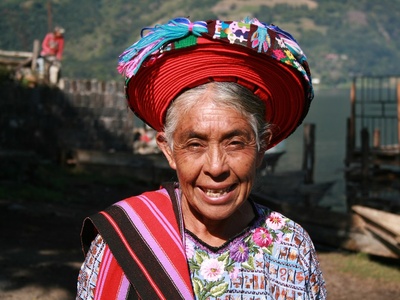
Tz’utujil
Spoken by communities around Lake Atitlán; known for strong cultural identity. Vitality is moderate: active community use in villages but urban migration and Spanish are influencing younger speakers.
Poqomchi’
Spoken in central-northern highlands with active community use. Regional schools and local media sometimes use Poqomchi’; vitality varies by municipality but many communities maintain daily use.
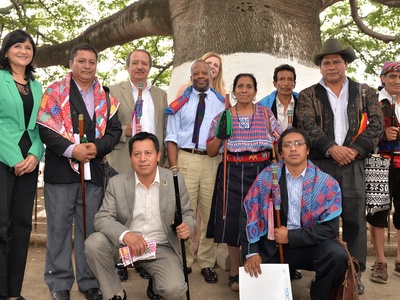
Poqomam
Related to Poqomchi’ but treated as a distinct language; spoken by communities in lowland-highland fringes. Smaller speaker base; vitality vulnerable with many speakers bilingual in Spanish.
Achi
A distinct Maya language concentrated in Rabinal and nearby towns. Strong local traditions and festivals support its use, though pressure from Spanish is present among younger generations.
Chuj
Spoken near the Guatemalan-Mexican border. Chuj communities maintain active transmission and cultural practices; cross-border ties help sustain the language.
Akatek
A highland Maya language with local vitality in several towns. Smaller speaker base but ongoing community use and some educational materials help maintain it.
Awakatek
A smaller Maya language with concentrated speaker communities. Transmission continues at village level but overall vitality is vulnerable due to urban migration and Spanish dominance.
Ixil
Spoken in the Ixil Triangle; strong cultural identity and community use persist. Intergenerational transmission remains in many villages, though external pressures challenge long-term vitality.
Jakaltek
Also known as Popti’, spoken in Guatemala’s northwest highlands. Solid community use in rural areas with moderate vitality; bilingualism with Spanish is common.
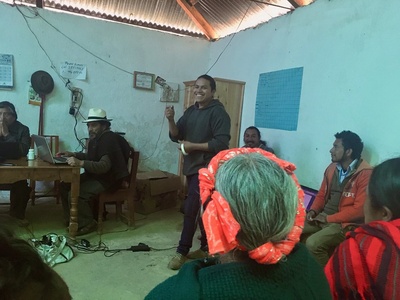
Q’anjob’al
Spoken in northern highlands; cross-border communities into Mexico. Active local use and cultural institutions help sustain it, though Spanish influence exists among youth.
Uspanteko
A smaller highland Maya language with localized use in Uspantán. Vitality is endangered due to small speaker numbers and language shift to Spanish in younger generations.
Sakapultek
A small, locally concentrated Maya language with limited speaker base. Community efforts exist but overall vitality is vulnerable and classified as threatened.
Sipakapense
Spoken in a compact highland community; active daily use locally but small numbers make it vulnerable to language shift over time.
Tektitek
Also called Teko; a small language with communities near Mexico. Limited speaker base and cross-border pressure make it vulnerable, though community identity endures.
Mopan
Shared with Belize, Mopan communities in Petén maintain the language in villages; small speaker base but active local use sustains it in some communities.
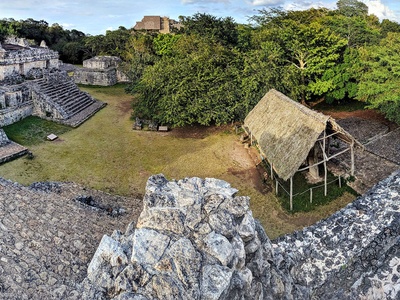
Yucatec Maya
A minority of Yucatec speakers live in northern Petén near the Mexican border and tourist areas. Small communities maintain cultural practices; vitality limited but present.
Itza’
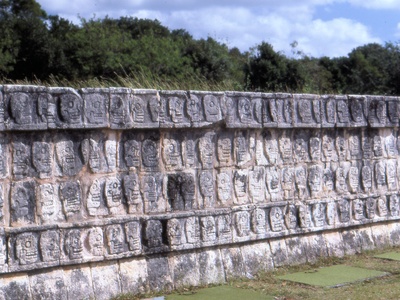
A critically endangered Maya language with very few fluent speakers. Cultural revival efforts and documentation projects are active but intergenerational transmission is minimal.
Chalchitek
A very small, recently codified Maya language variety with a tiny speaker base. Classification and revitalization are ongoing; vitality is highly endangered.
Ch’orti’
Eastern Maya language related to Classic Maya; communities maintain traditions and language use, though many speakers are bilingual and urban migration affects transmission.
Xinca
A non-Mayan indigenous language family with only a handful of speakers; often considered critically endangered with active documentation and revitalization efforts but limited fluent speakers.
Garífuna
An Afro-Indigenous language with a distinct culture on the Caribbean coast. Maintained in coastal towns with music and traditions supporting use; vitality moderate but geographically limited.

English
Used in tourism, business, education, and by Belizean and expatriate communities. Proficiency varies; English functions as a second or foreign language for many Guatemalans and is regionally important.
Plautdietsch (Mennonite Low German)
The heritage language of conservative Mennonite colonies. Strong community use within colonies, used in daily life, education, and commerce; vital within those closed communities.
German
Standard German exists among some expatriates, business people, and descendants of German immigrants. Limited but active use in cultural and commercial contexts; mostly bilingual with Spanish.
Mandarin Chinese
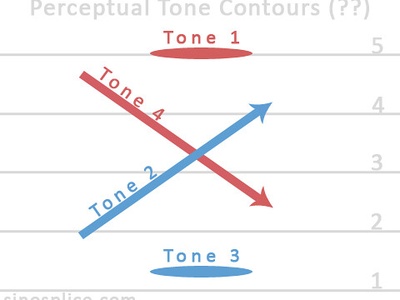
Spoken within business and immigrant communities; growing with trade ties to China. Used in commerce and community life, but overall speaker numbers are small nationally.
Arabic
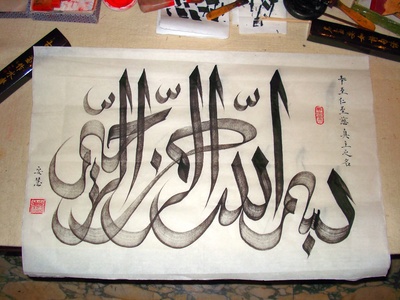
Spoken by communities of Palestinian and Arab descent involved in commerce and cultural associations. Maintained in family and religious contexts; many speakers are bilingual in Spanish.

Korean
Used by a small but visible expatriate and business community. Korean-language schools and churches support community use; most younger Koreans are bilingual in Spanish.