Israel’s communities reflect a long history of migration, faith and language that shapes daily life across cities, towns and rural areas. From markets to festivals, the cultural mix is visible in food, family networks and local institutions.
There are 23 Israel Ethnic Groups, ranging from Arab Christians to Yemenite Jews. For each group, you’ll find below data organized with the columns Population (estimate),Religion / language,Primary region(s) so you can quickly compare size, faith or language and geographic concentration — you’ll find below.
How were these ethnic groups defined and how reliable are the population estimates?
Groups are typically identified by self‑identification, religious affiliation, language and historical community ties; population figures come from a mix of the Israel Central Bureau of Statistics, academic studies and community records. Numbers are best treated as estimates because definitions, survey methods and recent migration can change counts.
Which groups tend to be concentrated in particular regions and why does that matter?
Many groups cluster where historical settlement, migration routes or economic opportunities led them—examples include Arab Christian and Druze communities in parts of the Galilee, Bedouin in the Negev, and distinct Jewish communities in certain cities or neighborhoods (including Yemenite Jews). Geography affects cultural life, local institutions and access to services, so regional patterns are useful for understanding social dynamics.
Israel Ethnic Groups
| Group | Population (estimate) | Religion / language | Primary region(s) |
|---|---|---|---|
| Jews (all) | 7,100,000 | Judaism;Hebrew | Nationwide |
| Ashkenazi Jews | 2,500,000 | Judaism;Hebrew,Yiddish | Cities across Israel, Haifa, Tel Aviv |
| Sephardi/Mizrahi Jews | 3,000,000 | Judaism;Hebrew,Arabic,Ladino influences | South, North, mixed cities |
| Russian-speaking Israelis (post‑Soviet) | 900,000 | Judaism/Orthodox and secular;Russian,Hebrew | Central Israel,Tel Aviv,Haifa |
| Ethiopian Jews (Beta Israel) | 150,000 | Judaism;Amharic,Tigre,Hebrew | Negev,North,mixed cities |
| Moroccan Jews | 300,000 | Judaism;Hebrew,Darija Arabic | Mixed cities, south, north |
| Bukharan Jews | 70,000 | Judaism;Bukharian (Judeo-Tajik),Hebrew | Jerusalem,Tel Aviv,Beersheba |
| Georgian Jews | 70,000 | Judaism;Georgian,Hebrew | Jerusalem,Beersheba |
| Persian/Iranian Jews | 70,000 | Judaism;Persian (Farsi),Hebrew | Tel Aviv,Jerusalem,North |
| Iraqi Jews | 60,000 | Judaism;Arabic,Hebrew | Jerusalem,Tel Aviv,North |
| Yemenite Jews | 40,000 | Judaism;Hebrew,Arabic | Jerusalem,South,Tel Aviv |
| Bukharan (already listed) | 70,000 | see above | see above |
| Arab Muslims (Palestinian Arab Sunni) | 1,600,000 | Islam (Sunni);Arabic | Galilee,Triangle,Negev towns |
| Arab Christians | 140,000 | Christianity;Arabic,Hebrew | Nazareth,Haifa,Jaffa |
| Bedouin (Arab Bedouin) | 300,000 | Islam (Sunni);Arabic | Negev,Galilee,South |
| Druze | 150,000 | Druze faith (ethnoreligious);Arabic,Hebrew | Galilee,Golan Heights,Mount Carmel |
| Circassians | 4,500 | Islam (Sunni);Circassian (Adyghe),Arabic,Hebrew | Kfar Kama,Rihaniya (Galilee) |
| Samaritans | 850 | Samaritanism (related to Judaism);Samaritan Hebrew,Arabic | Nablus area (West Bank) and Holon |
| Armenians | 5,000 | Christianity (Armenian Apostolic);Armenian,Arabic,Hebrew | Jerusalem (Old City),Jaffa |
| Assyrian/Chaldean Christians | 4,000 | Christianity;Neo-Aramaic,Arabic,Hebrew | Haifa,Jerusalem,North |
| Filipino migrant workers | 60,000 | Mostly Christianity;Filipino languages,English | Central cities,private households |
| Eritrean and Sudanese asylum seekers | 30,000 | Christian/Islamic;Tigrinya,Arabic | South Tel Aviv,urban areas |
| Bnei Menashe (Indian‑origin Jews) | 3,000 | Judaism;Mizo/Hmar languages,Hebrew | Mixed cities,North |
Images and Descriptions

Jews (all)
Israel’s majority group, descended from global Jewish diasporas. Includes many subgroups (Ashkenazi, Sephardi, Mizrahi, Ethiopian, Russian-origin). Hebrew is the lingua franca and religious practice ranges from secular to ultra-Orthodox communities.
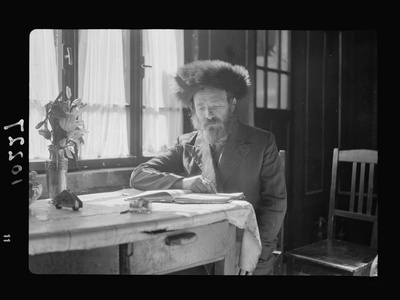
Ashkenazi Jews
Descendants of Central and Eastern European Jews who migrated before and after Israel’s founding. Prominent in academia, culture and politics; traditions include Ashkenazi liturgy, foods and some Yiddish heritage.
Sephardi/Mizrahi Jews
Broad group from Iberian, North African and Middle Eastern Jewish communities. Shared traditions include Sephardic liturgy, Mizrahi music and foods; culturally diverse with strong community ties to countries of origin.
Russian-speaking Israelis (post‑Soviet)
Large immigrant group from the former Soviet Union since the 1990s. Many are Jewish or of Jewish ancestry; retain Russian language and cultural media, significant in science, arts, and business.
Ethiopian Jews (Beta Israel)
Community originally from Ethiopia with ancient Jewish traditions. Mass immigrations (1980s–2000s) brought most members; distinct cultural and liturgical customs, ongoing integration and identity debates.
Moroccan Jews
One of the largest North African Jewish communities in Israel, arriving mainly mid-20th century. Known for strong cultural traditions, cuisine, music, and community institutions influenced by Moroccan Jewish heritage.
Bukharan Jews
Jews from Central Asia (Bukhara region) with Persian-Tajik cultural roots. Community preserves unique liturgy, language and cuisine after large migrations in the 1970s–90s.
Georgian Jews
Traditional community from Georgia (Caucasus) that immigrated mainly in the 1970s–90s. Known for cohesive family networks, distinct cuisine, and retention of Georgian language and customs.
Persian/Iranian Jews
Community descended from long-standing Iranian Jewish communities. Many arrived in the 1950s–70s; maintain Persian language, cuisine and cultural ties.
Iraqi Jews
Descendants of ancient Babylonian Jewish communities who immigrated mainly in the 1950s. Cultural legacy includes Iraqi Jewish liturgy, Judeo-Arabic dialects and distinctive cuisine.
Yemenite Jews
Ancient Jewish community from Yemen with unique liturgical melodies, Hebrew pronunciation and culinary traditions. Large migrations occurred in Operation Magic Carpet (1949–50), community retains strong cultural identity.
Bukharan (already listed)
Duplicate entry removed
Arab Muslims (Palestinian Arab Sunni)
Arab citizens of Israel, mostly Sunni Muslims, sharing Palestinian heritage. Live in mixed and predominantly Arab localities; engaged in politics, culture and maintaining Arabic language and traditions.
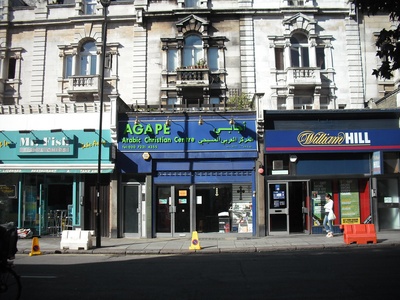
Arab Christians
Arab Christian communities with diverse denominations (Greek Orthodox, Catholic, Protestant). Historically rooted in the region, active in education and cultural life, primarily Arabic-speaking.
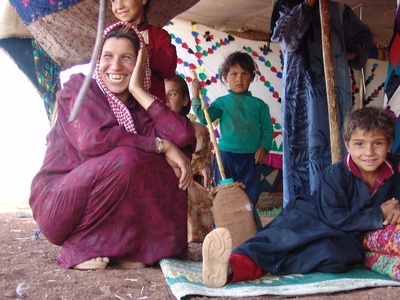
Bedouin (Arab Bedouin)
Semi-nomadic Arab communities with Bedouin cultural traditions, many settled in the Negev and Galilee. Face unique social, land and development issues; maintain strong tribal and familial networks.
Druze
Distinct ethnoreligious minority with a unique faith and strong communal identity. Druze serve in Israeli institutions and live in clustered villages, speaking Arabic and often Hebrew.
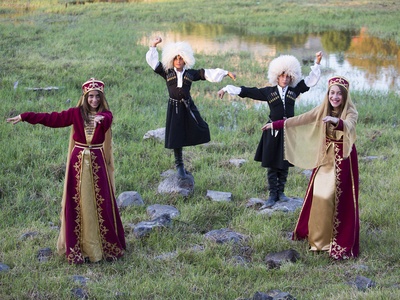
Circassians
North Caucasian community resettled in late Ottoman period. Maintain Circassian language, dance and customs; integrated into Israeli state structures while preserving ethnic identity.
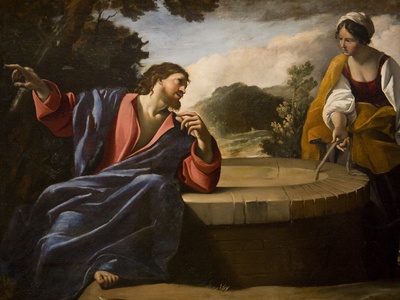
Samaritans
Very small, ancient ethno-religious community claiming descent from Israelite tribes. Live on Mount Gerizim and in Holon; preserve Samaritan liturgy and priestly traditions.
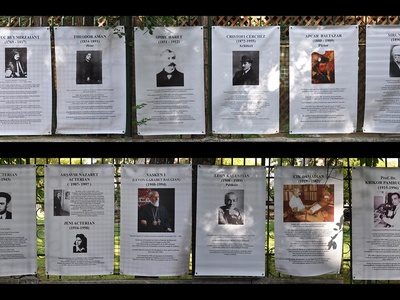
Armenians
Small historic community in Jerusalem and Jaffa with centuries-old presence. Maintain Armenian language, church institutions and cultural heritage tied to diaspora and local history.
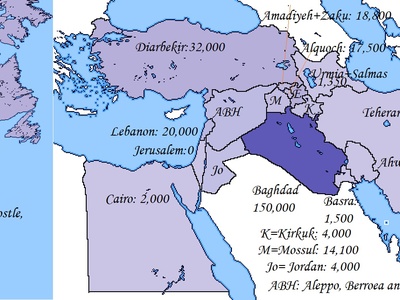
Assyrian/Chaldean Christians
Small Christian communities of Mesopotamian origin speaking Neo-Aramaic dialects. Arrived across different waves; maintain liturgical traditions and distinct ethnic identity from Arab Christians.
Filipino migrant workers
Large community of migrant caregivers and workers from the Philippines; not a historic minority but a visible resident ethnic group, sustaining churches, social networks and cultural services.
Eritrean and Sudanese asylum seekers
Recent migrants and asylum seekers from Eritrea and Sudan. Many live in urban neighborhoods; community faces legal, social and economic challenges while maintaining languages and networks.
Bnei Menashe (Indian‑origin Jews)
Group from India’s Northeast who claim Israelite descent and some converted/migrated to Israel in recent decades. Maintain hybrid cultural practices and strong community bonds during integration.