South Sudan’s communities form a rich patchwork across savannas, floodplains and river valleys, shaping local languages, customs and regional identities. Understanding those groups helps make sense of politics, migration and cultural life in the country.
There are 20 South Sudan Ethnic Groups, ranging from Anyuak (Anywaa) to Toposa. For each group you’ll find below Population (est),Language family,Primary region/state to show estimated size, linguistic ties and where they are mainly found — you’ll find below.
How were these 20 groups selected?
The list focuses on widely recognized ethnic communities cited in academic, UN and regional sources, chosen to represent population size, distinct linguistic families and geographic spread across South Sudan; it aims for practical coverage rather than an exhaustive catalog, since identity boundaries and names can vary locally.
How reliable are the population estimates and other data?
Population (est) figures are approximate, drawn from the latest available censuses, UN reports and field studies; accuracy is limited by displacement, outdated counts and differing methodologies, so treat numbers as informed estimates rather than precise totals.
South Sudan Ethnic Groups
| Name | Population (est) | Language family | Primary region/state |
|---|---|---|---|
| Dinka | 3,800,000 | Nilotic (Nilo‑Saharan) | Jonglei, Lakes, Warrap, Unity |
| Nuer | 2,300,000 | Nilotic (Nilo‑Saharan) | Jonglei, Upper Nile, Unity |
| Shilluk | 250,000 | Nilotic (Nilo‑Saharan) | Upper Nile (Renk, Kodok area) |
| Azande | 750,000 | Ubangian (Niger‑Congo) | Western Equatoria, Western Bahr el Ghazal |
| Bari | 220,000 | Central Sudanic (Nilo‑Saharan) | Central Equatoria (Juba, Yei), Western Bahr el Ghazal |
| Balanda | 200,000 | Ubangian (Niger‑Congo) | Western Equatoria, Western Bahr el Ghazal |
| Toposa | 200,000 | Nilotic (Eastern Nilotic, Nilo‑Saharan) | Eastern Equatoria, Kapoeta area |
| Murle | 150,000 | Surmic (Nilo‑Saharan) | Pibor, Jonglei, Greater Pibor Administrative Area |
| Lotuko (Otuho) | 120,000 | Nilotic (Eastern Nilotic, Nilo‑Saharan) | Eastern Equatoria (Imatong, Torit) |
| Moru | 110,000 | Central Sudanic (Nilo‑Saharan) | Western Equatoria (Yambio, Maridi) |
| Mundari | 100,000 | Nilotic (Nilo‑Saharan) | Central Equatoria, near Terekeka |
| Pojulu | 70,000 | Central Sudanic (Nilo‑Saharan) | Central Equatoria (Terekeka, Lainya) |
| Kuku | 80,000 | Nilotic (Nilo‑Saharan) | Kajo Keji, Central Equatoria |
| Anyuak (Anywaa) | 80,000 | Nilotic (Western Nilotic, Nilo‑Saharan) | Upper Nile (Akobo, Fangak) |
| Madi | 120,000 | Central Sudanic (Nilo‑Saharan) | Eastern Equatoria, Central Equatoria (Yei) |
| Kakwa | 50,000 | Central Sudanic (Nilo‑Saharan) | Western Equatoria (Tumbura area) |
| Lopit | 35,000 | Nilotic (Eastern Nilotic, Nilo‑Saharan) | Eastern Equatoria (Lofiang Hills) |
| Didinga | 25,000 | Nilotic (Eastern Nilotic, Nilo‑Saharan) | Eastern Equatoria (Didinga Hills) |
| Luo (Jurchol/Jur) | 40,000 | Nilotic (Western Nilotic, Nilo‑Saharan) | Western Upper Nile, parts of Unity |
| Buya | 30,000 | Central Sudanic (Nilo‑Saharan) | Bahr el Ghazal, near Imatong foothills |
Images and Descriptions
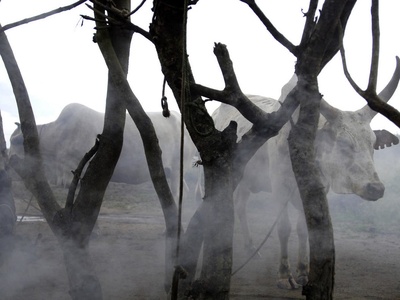
Dinka
Largest ethnic group in South Sudan; also called Dinék, traditionally cattle‑keeping Nilotes with strong clan identities, influential in politics and culture, speaking several Dinka dialects across central and northern regions.

Nuer
Second‑largest Nilotic group, famed for cattle pastoralism and seasonal migration; the Nuer live mainly along the Sobat and Nile tributaries, speak Nuer language, and have prominent transboundary ties with Ethiopia.
Shilluk
Also called Chollo, the Shilluk are riverine Nilotes concentrated along the Nile; known for a historic kingdom centered at Fashoda, cattle livelihood, and the Shilluk language and cultural rites.
Azande
Also spelled Zande, concentrated in Equatoria and into neighboring countries; historically organized under chiefs, agriculturists and traders speaking Zande (Ubangian) with rich oral literature and crafts.
Bari
The Bari are a central Equatoria people around Juba, agricultural and market‑oriented, speaking Bari (Central Sudanic); Bari serves as a local lingua franca in parts of the capital region.
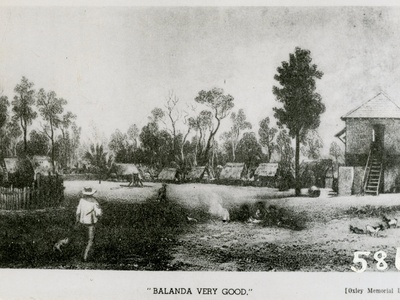
Balanda
Often called Belanda/Balanda, this Ubangian group practices mixed farming and lives mainly in western states; several Balanda subgroups and languages are common in Equatoria’s rural areas.
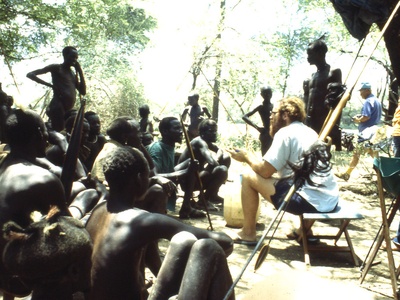
Toposa
Pastoralist Toposa inhabit the Kidepo–Kapoeta region; known for cattle raiding traditions, distinctive dress and rites, and linguistic ties to Eastern Nilotic peoples.
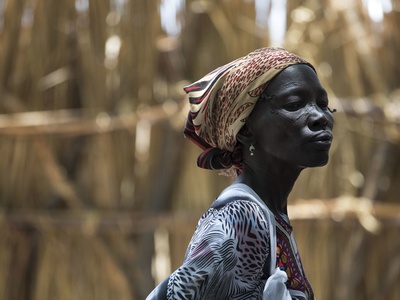
Murle
The Murle are a Surmic people with pastoralist and agro‑pastoralist livelihoods in southeastern Jonglei; noted for age‑set systems, cattle culture, and periodic intercommunal tensions with neighbors.
Lotuko (Otuho)
Also called Otuho or Lotuko, upland agriculturalists of the Imatong area speaking Lotuko; known for clan‑based identities, sorghum cultivation, and distinct woodcarving and ceremonial life.
Moru
Moru people inhabit southwestern Equatoria; predominantly agricultural, many are Christianized, speak Moru (Central Sudanic), and are known for communal farming and strong local institutions.
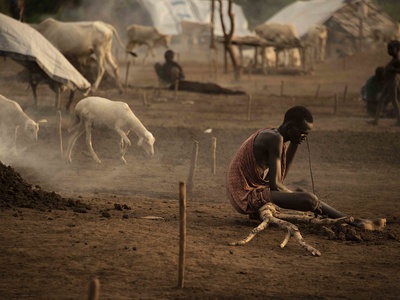
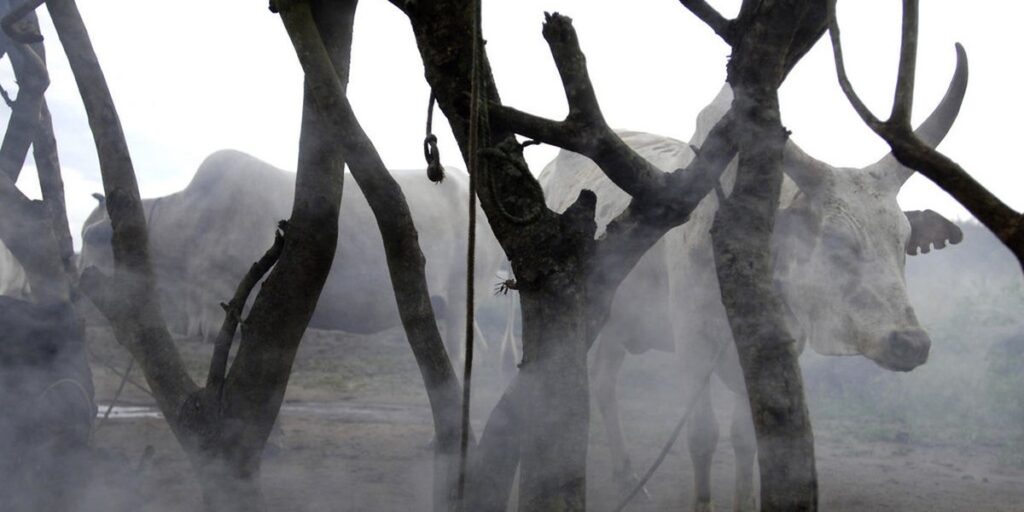
Mundari
Mundari are cattle‑centred Nilotes south of the White Nile; sometimes counted as a Dinka subgroup, they have distinct dialects, ceremonial cattle culture and seasonal grazing patterns.
Pojulu
Pojulu (also Pujara) live south and west of Juba; agriculturalists speaking a Central Sudanic language, with close ties to Bari peoples and active local markets and church communities.
Kuku
Kuku are a Luo‑speaking Nilotic group in Central Equatoria near the Uganda border; known for farming, cross‑border ties, and distinctive songs and dance traditions.
Anyuak (Anywaa)
Also Anywaa or Anyuak, a riverine Luo‑speaking group straddling Ethiopia and South Sudan; traditionally fishers, farmers and traders along the Sobat and Baro rivers with cross‑border cultural links.
Madi
Madi people live in south‑west and along the Uganda/South Sudan border; agriculturalists speaking Central Sudanic Ma’di languages, with historical trade and missionary contacts shaping local social life.
Kakwa
Kakwa have communities across South Sudan, Uganda and the DRC; historically traders and farmers, speaking Kakwa (Central Sudanic), with notable cross‑border mobility and multilingualism.
Lopit
Lopit are highland agriculturalists in Eastern Equatoria known for strong age‑set systems, vibrant masked dance traditions, and the Lopit language with several dialects.
Didinga
Didinga live in the Imatong/Didinga Hills; agro‑pastoralists with distinctive rain‑making ceremonies, craft traditions, and a language in the Eastern Nilotic cluster.
Luo (Jurchol/Jur)
Includes groups often called Jur or Luo‑speakers living along riverine areas; river fishing, seasonal farming and close cultural links with neighboring Nilotic societies.
Buya
Buya (Bela) are small farming and cattle‑keeping groups in southern parts of the country; speak Central Sudanic languages and maintain locally important ritual and clan customs.