Kazakhstan’s wide landscapes and crossroads location have produced a rich mix of peoples whose languages, customs and communities shape daily life from Almaty to the northern plains. Understanding who lives where helps make sense of regional cultures, services and local politics.
There are 41 Kazakhstan Ethnic Groups, ranging from Armenian to Uzbek. The list is organized with columns: Population,Share (%),Primary regions, so you can compare size and distribution at a glance — you’ll find the full table below.
How are ethnic groups identified in Kazakhstan’s data?
Ethnic categories are typically based on self-identification in national censuses and surveys, sometimes supplemented by language, ancestry or local registration; small populations may be grouped together and methodology can affect counts, so check the census year and notes for definitions.
Could the composition or counts on this list change over time?
Yes—migration, differing census methods, changing self-identification and natural demographic shifts all cause changes; for the most current picture, compare recent census releases or official statistics agencies that publish updates.
Kazakhstan Ethnic Groups
| Ethnicity | Population | Share (%) | Primary regions |
|---|---|---|---|
| Kazakh | 10,096,000 | 63.1 | nationwide, strong in Almaty, Turkistan, East Kazakhstan |
| Russian | 3,792,000 | 23.7 | North Kazakhstan, Akmola, Kostanay, Pavlodar, East Kazakhstan |
| Uzbek | 464,000 | 2.9 | South Kazakhstan, Turkistan, Almaty region |
| Ukrainian | 240,000 | 1.5 | North and central regions, Almaty |
| Uyghur | 224,000 | 1.4 | Almaty, East Kazakhstan, Kyzylorda |
| Tatar | 160,000 | 1.0 | Pavlodar, North Kazakhstan, Almaty |
| German | 144,000 | 0.9 | East Kazakhstan, North Kazakhstan, Akmola |
| Azerbaijani | 96,000 | 0.6 | Almaty, Turkistan, Atyrau |
| Korean | 96,000 | 0.6 | East Kazakhstan, Almaty |
| Belarusian | 80,000 | 0.5 | Astana, North Kazakhstan, Pavlodar |
| Tajik | 64,000 | 0.4 | Almaty, South Kazakhstan, Turkistan |
| Armenian | 48,000 | 0.3 | Almaty, Astana, South Kazakhstan |
| Kyrgyz | 48,000 | 0.3 | East Kazakhstan, Almaty, border areas |
| Jewish | 32,000 | 0.2 | Almaty, Astana, Aktobe |
| Moldovan | 32,000 | 0.2 | Almaty, North Kazakhstan |
| Polish | 32,000 | 0.2 | North Kazakhstan, Almaty |
| Chechen | 16,000 | 0.1 | Almaty, North Kazakhstan, Astana |
| Dungan | 16,000 | 0.1 | Almaty, East Kazakhstan, Talgar |
| Roma | 16,000 | 0.1 | Almaty, North Kazakhstan, Shymkent |
| Bashkir | 16,000 | 0.1 | Pavlodar, North Kazakhstan |
| Circassian | 12,000 | 0.1 | Almaty, Astana, Mangystau |
| Lezgin | 12,000 | 0.1 | Almaty, Mangystau |
| Greek | 10,000 | 0.1 | Almaty, Aktobe |
| Ossetian | 9,000 | 0.1 | Almaty, North Kazakhstan |
| Bulgarian | 8,000 | 0.1 | North Kazakhstan, Almaty |
| Turkish | 8,000 | 0.1 | Almaty, Astana, Atyrau |
| Udmurt | 6,000 | 0.0 | North Kazakhstan, Astana |
| Romanian | 5,000 | 0.0 | Almaty, South Kazakhstan |
| Georgian | 5,000 | 0.0 | Almaty, Astana |
| Avar | 5,000 | 0.0 | Almaty, North Kazakhstan |
| Levantine Arab | 4,500 | 0.0 | Almaty, Aktau |
| Latvian | 4,000 | 0.0 | Astana, North Kazakhstan |
| Lithuanian | 3,500 | 0.0 | North Kazakhstan, Almaty |
| Estonian | 3,000 | 0.0 | Astana, Almaty |
| Kara-Kalpak | 3,000 | 0.0 | South Kazakhstan, Turkistan |
| Azerbaijani Lezgian group (Lezgin-Azeri mixed) | 2,500 | 0.0 | Almaty |
| Meskhetian Turk | 2,000 | 0.0 | South Kazakhstan |
| Karelian | 1,500 | 0.0 | North Kazakhstan |
| Mari | 1,200 | 0.0 | Pavlodar, North Kazakhstan |
| Romani (specific subgroups) | 1,000 | 0.0 | Almaty, Shymkent |
| Other (combined small recorded groups) | 6,000 | 0.0 | various |
Images and Descriptions
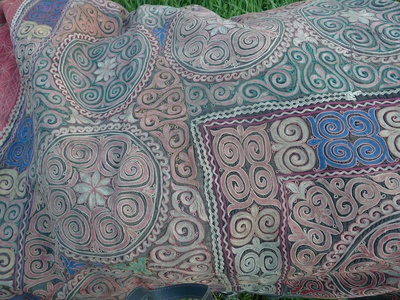
Kazakh
The titular Turkic people of Kazakhstan; Kazakh language speakers, majority Sunni Muslim, historically nomadic and dominant in politics and culture; large rural and urban populations with deep ties to steppe traditions.
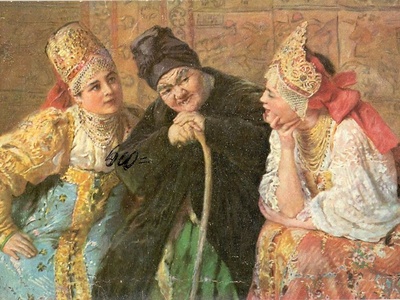
Russian
Ethnic Russians speak Russian as first language, mostly Orthodox Christian; large Soviet-era settler community concentrated in northern and industrial regions, influential in business, culture and bilingual public life.
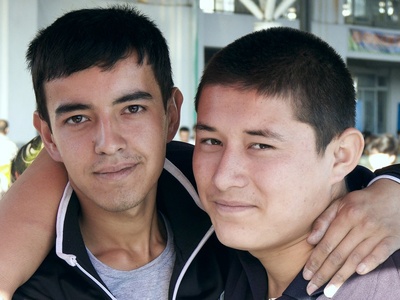
Uzbek
Ethnic Uzbeks are Turkic-language speakers, predominantly Sunni Muslim; concentrated in southern provinces near the Uzbekistan border, notable for cross-border family and cultural ties and local commerce.

Ukrainian
Ukrainians in Kazakhstan primarily speak Russian or Ukrainian, mostly Orthodox Christian; many are descendants of 19th–20th-century settlers and Soviet-era migrants, active in farming and urban professions.
Uyghur
Uyghurs are a Turkic people speaking Uyghur, predominantly Sunni Muslim; long-established community engaged in trade, crafts and agriculture with cultural ties to Xinjiang and distinct culinary and musical traditions.
Tatar
Tatars speak Tatar and Russian, historically Muslim (Sunni/Islamic traditions) with Volga-Ural origins; community known for commerce, culture and bilingualism within multiethnic cities.
German
Ethnic Germans (many Volga and Black Sea descendants) historically spoke German/Russian; diverse religious backgrounds (Lutheran/Christian); significant emigration reduced numbers since Soviet times but community remains visible.
Azerbaijani
Azerbaijanis speak Azerbaijani/Turkic languages and are mostly Shia Muslim; many moved during Soviet industrialization and trade, active in business and urban communities.
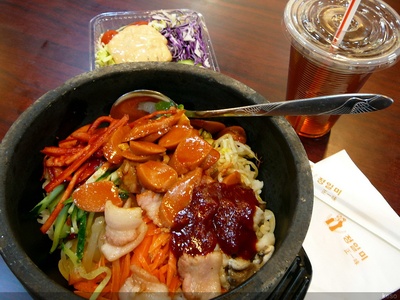
Korean
Koryo-saram (ethnic Koreans) speak Russian/Korean dialects, often Christian/Protestant or secular; descendants of earlier migrations and Soviet deportations, known for entrepreneurship and agriculture.
Belarusian
Belarusians speak Belarusian/Russian, mainly Orthodox Christian; many are Soviet-era migrants integrated into urban professions, agriculture and education.
Tajik
Tajiks are Iranian-language speakers (Persian dialects) and mostly Sunni/Ismaili Muslim; community includes labor migrants and longstanding settlers with cultural ties to Tajikistan.
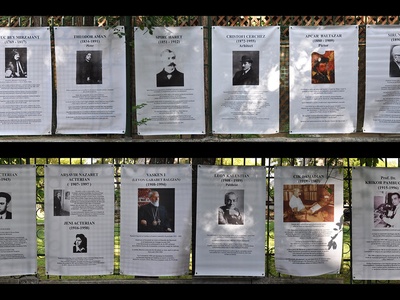
Armenian
Armenians speak Armenian and Russian, mostly Christian (Armenian Apostolic); historically merchants and craftsmen, engaged in trade, culture and community institutions.
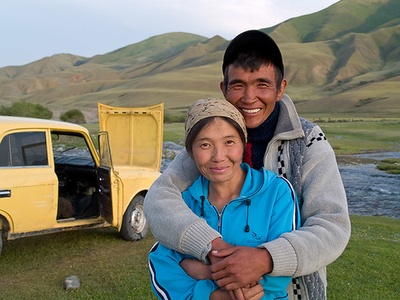
Kyrgyz
Kyrgyz are closely related Turkic neighbors, speak Kyrgyz and Russian, predominantly Sunni Muslim; many have cross-border family ties and participate in pastoral and urban economies.
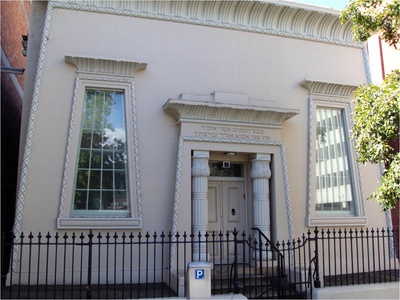
Jewish
The Jewish community includes Bukharan and Ashkenazi Jews; languages include Russian and Judeo-Tajik dialects, religions Jewish; historically active in commerce, culture and intellectual life.
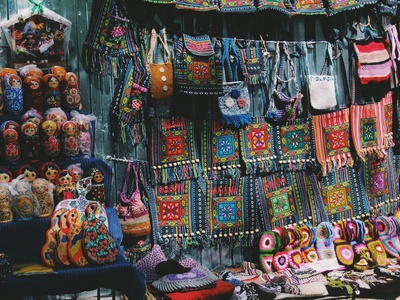
Moldovan
Moldovans (Romanian-speaking) often bilingual in Russian; many descendants of Soviet-era settlers, with Orthodox Christian traditions and involvement in agriculture and urban trades.
Polish
Poles in Kazakhstan speak Polish/Russian, mostly Catholic or secular; many are descendants of deportations and settlers from the 19th–20th centuries, with organized cultural associations.
Chechen
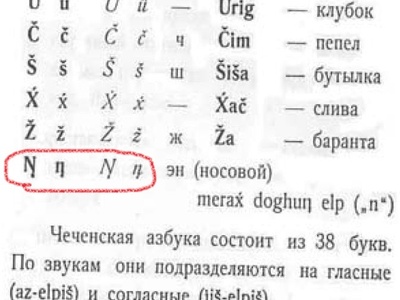
Chechens speak Nakh languages or Russian, predominantly Sunni Muslim; many arrived during Soviet-era migrations or later, maintaining strong community and clan ties.
Dungan
Dungans are Chinese-speaking (Hui origin) Muslims who speak a Central Asian Sinitic dialect; well-known for distinctive cuisine and trading communities dating from 19th-century migrations.
Roma
Roma (Gypsy) groups speak Romani or Russian, varied religious practices; small, dispersed communities with distinct cultural traditions in music, crafts and seasonal work.
Bashkir
Bashkirs are a Turkic people related to Tatars, speak Bashkir/Russian, predominantly Sunni Muslim; present as migrants from Russian regions, involved in agriculture and urban sectors.
Circassian
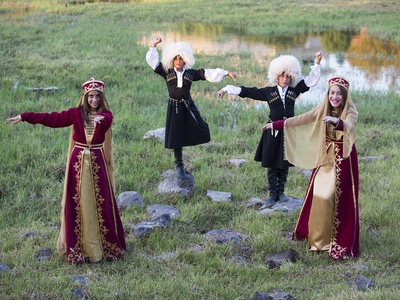
Circassians (Adyghe) speak Northwest Caucasian languages and Russian, many Muslim (Sunni); descended from 19th-century exiles, they maintain cultural associations and community networks.
Lezgin
Lezgins speak a Northeast Caucasian language and Russian, mostly Sunni Muslim; community arrived during Soviet relocations and works in trade, industry and services.
Greek
Ethnic Greeks speak Greek/Russian, largely Orthodox Christian; many descendants of Pontic Greeks or Soviet-era resettlements, active in cultural preservation and small business.
Ossetian
Ossetians speak an Iranian-language (Ossetic) and Russian, mostly Orthodox Christian; small community from Caucasus migrations, engaged in education, civil service and trade.
Bulgarian
Bulgarians speak Bulgarian/Russian and are mostly Orthodox; many settled during Russian Empire and Soviet periods, active in rural farming and urban professions.
Turkish
Ethnic Turks (including Meskhetian Turks) speak Turkish, majority Muslim; communities arrived in different waves, visible in trade, education and cultural organizations.
Udmurt
Udmurts speak a Finno-Ugric language and Russian, many Orthodox or secular; small minority from Russian regions involved in industry, agriculture and professional fields.
Romanian
Romanians (distinct from Moldovans in some census reports) speak Romanian and Russian, mostly Orthodox Christian; small community with cultural ties to Moldova/Romania.
Georgian
Georgians speak Georgian/Russian and are mostly Orthodox Christian; small, visible community involved in business, healthcare and cultural life.
Avar
Avars are a Northeast Caucasian people speaking Avar and Russian, predominantly Muslim; arrived during Soviet-era relocations, active in trade and community networks.
Levantine Arab
Small Arab-speaking communities (Syrian/Lebanese origins) involved in commerce and services; languages Arabic/Russian, religiously diverse (Muslim/Christian), often second-generation immigrants.
Latvian
Latvians speak Latvian/Russian, mostly secular or Lutheran/Orthodox; descendants of 19th–20th-century settlers, with small cultural organizations.
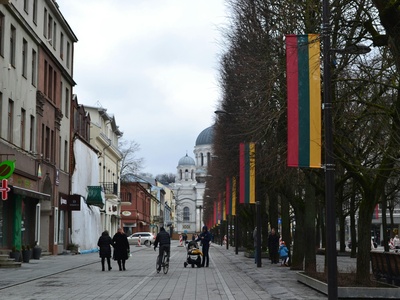
Lithuanian
Lithuanians speak Lithuanian/Russian, largely Catholic or secular; small minority from historical migrations, organized cultural associations.
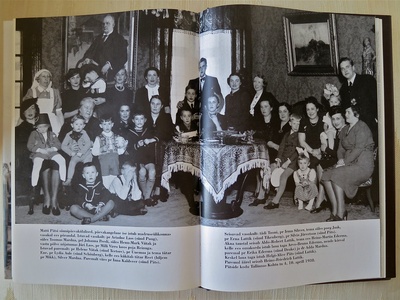
Estonian
Estonians speak Estonian/Russian, many secular or Lutheran; tiny community dating to Tsarist and Soviet resettlements, active in cultural preservation.
Kara-Kalpak
Karakalpaks are a Turkic people from neighboring Karakalpakstan; speak Karakalpak and often Kazakh/Russian, predominantly Muslim with cultural ties to the Aral region.
Azerbaijani Lezgian group (Lezgin-Azeri mixed)
Small mixed communities recorded under separate local categories in some counts; languages include Azerbaijani/Lezgin/Russian, mostly Muslim with blended cultural practices.
Meskhetian Turk
Meskhetian Turks (a distinct group often recorded separately) speak Turkic dialects, Sunni Muslim; deported in Soviet-era relocations, notable for transnational communities across Central Asia.
Karelian
Karelians speak a Finno-Ugric language and Russian, mostly Orthodox; very small group present since Russian Empire migrations with focused cultural groups.
Mari
Maris speak a Finno-Ugric language and Russian, often practicing indigenous Mari religion or Orthodox Christianity; tiny community from Russian regions.
Romani (specific subgroups)
Specific Romani subgroups sometimes listed separately in local censuses; speak Romani/Russian, varied religious practices, maintain distinct cultural and family traditions.
Other (combined small recorded groups)
Collection of very small ethnicities recorded individually in census results (e.g., small Caucasus and northern groups). Each has unique language/religious background but totals remain minor in national demography.