Portugal’s history as a crossroads of Atlantic and Mediterranean routes has shaped a socially diverse population. From long-established regional communities to more recent arrivals, the country’s towns and cities reflect layers of migration, language and cultural exchange.
There are 34 Portugal Ethnic Groups, ranging from Algerians to Venezuelans. The list is arranged so that for each group you’ll find below Population (est),Main regions,Primary language(s) to make comparisons quick and practical — you’ll find below.
Which groups make up the largest ethnic communities in Portugal?
The majority population is Portuguese, but among non-Portuguese communities the largest are typically Brazilians, Cape Verdeans, Romanians and Ukrainians, followed by other EU nationals and Lusophone African groups; sizes vary by city, with Lisbon and the Algarve hosting especially diverse mixes.
How reliable and up-to-date are the population estimates in the list?
Numbers are estimates compiled from national statistics, migration records and community surveys; they give a useful snapshot but can change with new migration trends or official updates, so treat them as approximate and check source dates if you need precise figures.
Portugal Ethnic Groups
| Name | Population (est) | Main regions | Primary language(s) |
|---|---|---|---|
| Portuguese | 10,300,000 | Nationwide, Lisbon, Porto | European Portuguese |
| Azoreans | 250,000 | Azores archipelago, Lisbon, mainland diaspora | European Portuguese, Azorean dialects |
| Madeirans | 250,000 | Madeira archipelago, Funchal, Lisbon diaspora | European Portuguese, Madeiran dialects |
| Roma (Ciganos) | 30,000–60,000 | Lisbon metropolitan area, Setúbal, Algarve | Portuguese, Romani dialects |
| Sephardic Jews | 2,000–8,000 | Lisbon, Porto, Belmonte | Portuguese, Hebrew, Ladino (historically) |
| Brazilians | 200,000–350,000 | Lisbon, Porto, Algarve | Brazilian Portuguese |
| Cape Verdeans | 60,000–80,000 | Lisbon, Setúbal, Algarve | Portuguese, Cape Verdean Creole (Kriolu) |
| Angolans | 70,000–120,000 | Lisbon, Porto, Algarve | Portuguese, Kimbundu, Umbundu |
| Mozambicans | 30,000–60,000 | Lisbon, Porto | Portuguese, Emakhuwa, Makonde |
| Guinea-Bissau people | 50,000–70,000 | Lisbon, Setúbal | Portuguese, Crioulo (Kriol), local languages |
| São Toméans | 20,000–40,000 | Lisbon, Porto | Portuguese, Forro, Principense |
| Timorese (East Timorese) | 30,000–50,000 | Lisbon, Coimbra | Portuguese, Tetum |
| Chinese | 30,000–60,000 | Lisbon (Martim Moniz), Porto, Braga | Mandarin, Cantonese, Portuguese |
| Indians | 20,000–35,000 | Lisbon, Porto, Algarve | Portuguese, Konkani, Hindi, English |
| Pakistanis | 35,000–50,000 | Lisbon, Porto, Alentejo | Urdu, Punjabi, Portuguese |
| Bangladeshis | 30,000–45,000 | Lisbon, Porto | Bengali, Portuguese |
| Nepalese | 20,000–35,000 | Lisbon, Porto, Faro | Nepali, Portuguese |
| Ukrainians | 70,000–120,000 | Lisbon, Porto, Braga, Algarve | Ukrainian, Russian, Portuguese |
| Romanians | 40,000–80,000 | Lisbon, Porto, Algarve | Romanian, Portuguese |
| Moldovans | 20,000–40,000 | Lisbon, Porto | Romanian (Moldovan), Portuguese |
| British | 40,000–80,000 | Algarve, Lisbon, Cascais | English, Portuguese |
| Spanish | 30,000–60,000 | Border regions, Lisbon, Algarve | Spanish, Galician, Portuguese |
| French | 20,000–40,000 | Lisbon, Algarve, Porto | French, Portuguese |
| Germans | 20,000–40,000 | Algarve, Lisbon | German, Portuguese |
| Poles | 10,000–30,000 | Lisbon, Porto, Braga | Polish, Portuguese |
| Moroccans | 50,000–70,000 | Lisbon, Porto, Setúbal | Arabic, Tamazight (Berber), Portuguese |
| Algerians | 5,000–15,000 | Lisbon, Porto | Arabic, French, Portuguese |
| Senegalese | 10,000–25,000 | Lisbon, Setúbal | Wolof, French, Portuguese |
| Nigerians | 8,000–20,000 | Lisbon, Porto | English, Portuguese, Igbo |
| Venezuelans | 10,000–25,000 | Lisbon, Porto | Spanish, Portuguese |
| Colombians | 10,000–20,000 | Lisbon, Porto | Spanish, Portuguese |
| Turks | 5,000–15,000 | Lisbon, Porto | Turkish, Portuguese |
| Macanese | 1,000–3,000 | Lisbon, Porto | Portuguese, Cantonese, Macanese Patuá |
| Galicians | 15,000–30,000 | Northern Portugal, Braga, Viana do Castelo | Galician, Spanish, Portuguese |
Images and Descriptions

Portuguese
The dominant ethnic group of Portugal with deep Iberian roots, mixing Celt, Roman, Germanic and Moorish heritage; modern Portuguese culture centers on language, fado music, maritime history and regional culinary traditions.
Azoreans
Islanders of the Azores with distinct cultural traditions, dialects and strong maritime identity; many live on the mainland as a notable diaspora, shaping fisheries, cuisine and festival customs in Portugal.
Madeirans
Residents of Madeira archipelago with unique musical, culinary and folk traditions; strong regional identity, important in tourism and wine production, with a visible diaspora in mainland Portugal.
Roma (Ciganos)
Longstanding itinerant and settled Romani community in Portugal, often fluent in Portuguese while preserving Romani language and culture; face social exclusion but have visible musical and craft traditions.
Sephardic Jews
Historic Jewish community with roots before 1497 expulsions; modern Sephardic descendants and returnees maintain synagogues, genealogical ties and cultural revival after centuries of persecution and clandestine presence.
Brazilians
Largest immigrant-origin community with strong linguistic and cultural affinities; includes recent migrants, students and long-term residents contributing to cuisine, music and labor markets across cities and coastal regions.
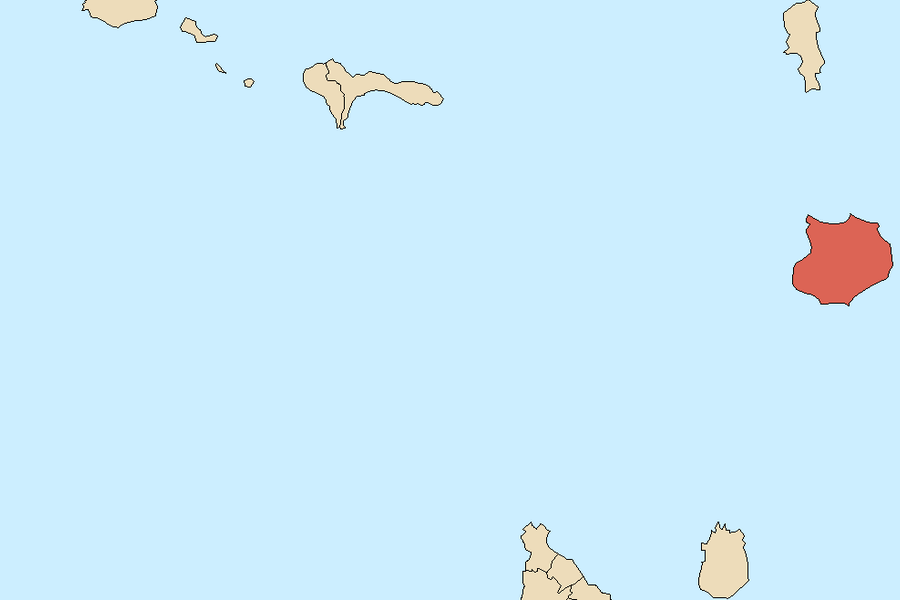
Cape Verdeans
Historic Lusophone African community with deep migration ties to Portugal since the 20th century; prominent in urban neighborhoods, music (morna, coladeira) and Creole cultural life.
Angolans
Large post-colonial community from Angola with strong linguistic ties; notable presence in business, professions and cultural networks, including music and community associations in urban centers.
Mozambicans
Post-colonial migrant community from Mozambique with cultural and family links to Portugal; present in healthcare, services and cultural life, often active in Lusophone African networks.
Guinea-Bissau people
Lusophone West African community, many bilingual in Portuguese and Kriol; significant migration flows since independence, contributing to urban labor markets and cultural diversity.
São Toméans
Community from São Tomé and Príncipe with Creole language traditions and strong historical ties to Portugal; visible in service sectors and cultural festivals in Lisbon and coastal cities.
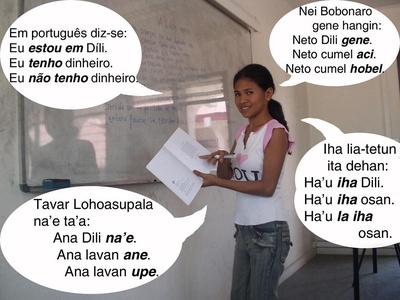
Timorese (East Timorese)
East Timorese community with historical colonial ties and shared language; includes students, migrants and returnees involved in education, civil service and cultural preservation.
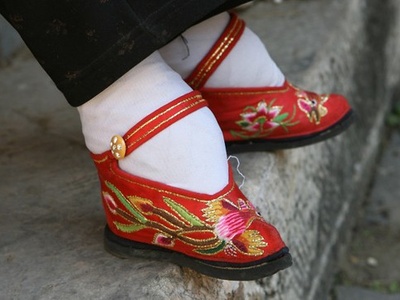
Chinese
Diverse Chinese community including mainland, Hong Kong and Macau origins; active in commerce, restaurants and small business, with growing professional and student populations.
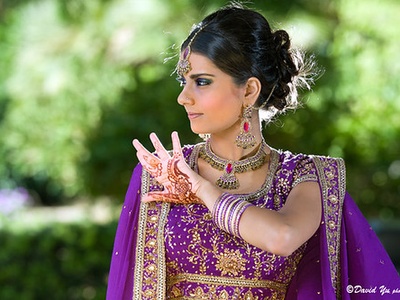
Indians
Indian-origin communities include Gujaratis, Goans and Kerala migrants; many involved in trade, IT, restaurants and professional sectors, with some long-established Goan-Portuguese cultural links.
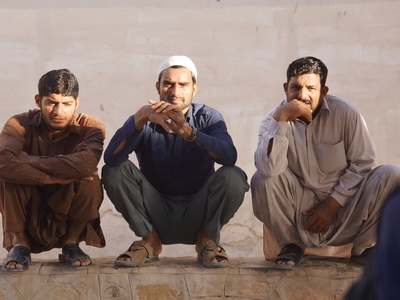
Pakistanis
Significant South Asian community concentrated in urban and agricultural work, maintaining linguistic and cultural ties while increasingly integrated into commerce and small business ownership.
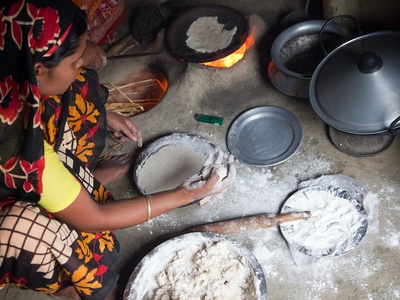
Bangladeshis
Growing Bangladeshi community primarily in urban neighborhoods, active in textile, catering and retail sectors; maintain cultural associations and religious centers while adopting Portuguese language.
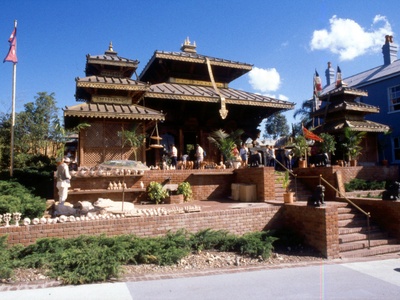
Nepalese
Rapidly growing community in recent decades, working in hospitality, agriculture and construction; active migrant networks and cultural associations, with rising naturalizations.
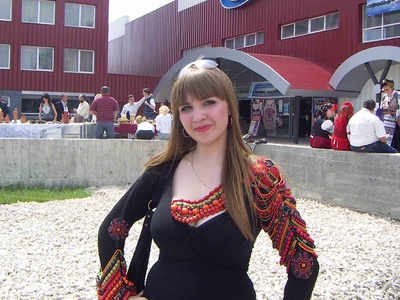
Ukrainians
Large Eastern European community bolstered by recent refugee flows and labor migration; present in care, construction and services, forming active cultural support networks across Portugal.
Romanians
EU migrant community with strong labor migration history since 2000s; active in construction, services and agriculture, increasingly settled with families and businesses.
Moldovans
Community of Moldovan origin often linked by language to Romania; involved in seasonal and permanent work, with growing diasporic networks in cities.
British
Significant British expatriate and retiree community, especially in Algarve and Lisbon coastal towns; influential in real estate, tourism and international schools.
Spanish
Close cross-border presence from neighboring Spain, including commuters and migrants; shared Iberian culture, bilingualism and family ties, particularly in northern and central Portugal.
French
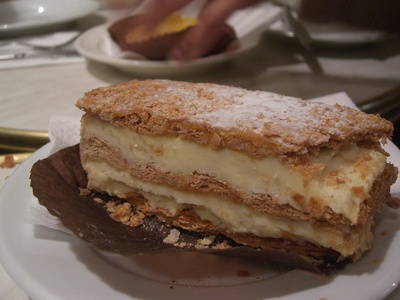
Notable expatriate community often in tourism, arts and professional sectors; active cultural associations and French schools, especially in Lisbon and Algarve.
Germans
Expatriate retirees and professionals concentrated in coastal regions; engaged in tourism, property and cultural exchange, with strong community organizations.
Poles
Eastern European migrant group present in construction, services and seasonal work; growing families and cultural associations, integration into Portuguese society notable.
Moroccans
North African migrant community with Arab and Amazigh roots; strong presence in urban neighborhoods, entrepreneurship and cultural-religious life while many adopt Portuguese language.
Algerians
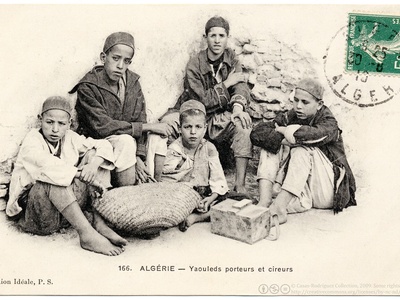
Smaller Maghreb community connected by Mediterranean migrations and economic links; present in urban areas with gradual integration into labor markets.
Senegalese
West African community with long migration ties to Portugal; contributes to urban culture, markets and music, maintaining strong transnational family connections.
Nigerians
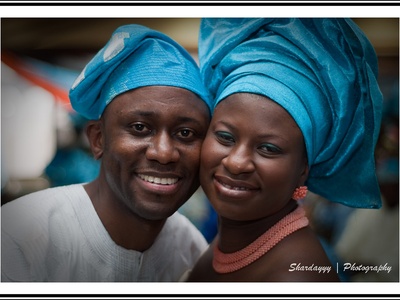
Growing West African community from Nigeria active in diverse sectors, including entrepreneurship and services; vibrant cultural and religious associations in cities.
Venezuelans
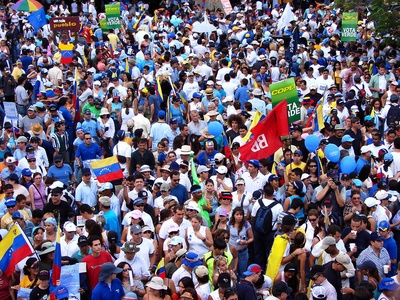
Latin American refugee and migrant community arriving in recent years due to crisis; concentrated in cities, often bilingual, contributing to cultural and professional sectors.
Colombians
Latin American community present in urban labor markets, language exchange and cultural scenes; many arrive for work, study or family reunification.
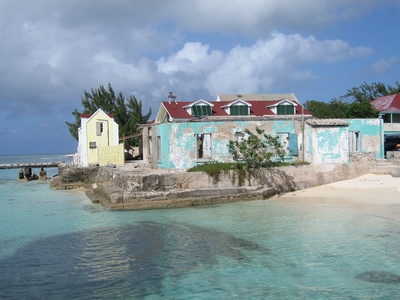
Turks
Small Turkish community engaged in commerce and services, with growing cultural and business ties between Portugal and Turkey.
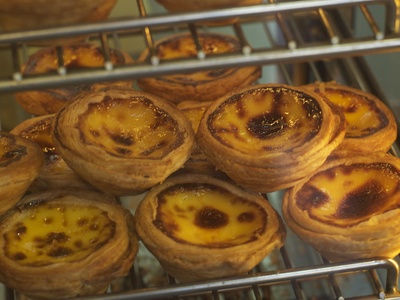
Macanese
Community with historical ties to Macau, often of mixed Portuguese-Asian descent; small but culturally distinct, maintaining culinary and historical links to Macau and Lusophone Asia.
Galicians
Cross-border ethnic group from neighboring Galicia, Spain; share linguistic and cultural affinities with northern Portugal, with fluid identity and family ties across the border.