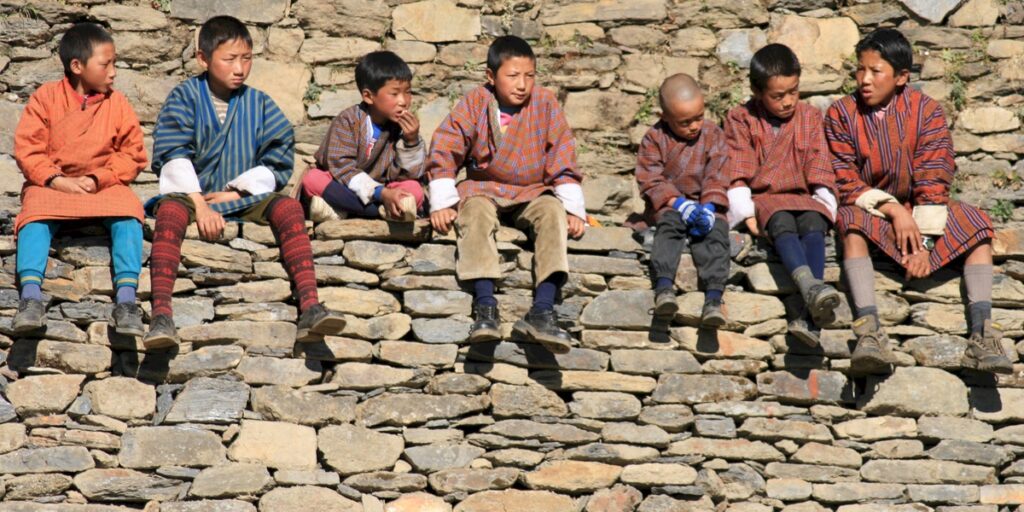
Bhutan’s valleys and high passes hold a patchwork of languages, customs and local identities shaped by geography and history. Traveling the country — even on paper — reveals how distinct communities have adapted to different regions while sharing national ties.
There are 12 Bhutan Ethnic Groups, ranging from Brokkat to Sharchop. For each group, data are organized as Alternate names,Primary region,Population estimate (%) so you can compare names, where communities are concentrated, and rough size estimates — you’ll find these details below.
How are these ethnic groups identified within Bhutan?
Ethnic grouping in Bhutan is based largely on language, cultural practices and community self-identification rather than strict legal categories; many people belong to overlapping identities, and administrative regions often reflect historical settlement patterns rather than fixed ethnic boundaries.
How accurate are the population estimates listed here?
Population estimates combine census figures, academic studies and local surveys, so they give useful approximations but can vary for small or mobile groups (for example Brokkat); for precise research check the cited sources and recent government or field studies.
Bhutan Ethnic Groups
| Name | Alternate names | Primary region | Population estimate (%) |
|---|---|---|---|
| Ngalop | Bhote; Western Bhutaners | Western Bhutan (Thimphu, Paro, Punakha, Wangdue) | 17.00% |
| Sharchop | Sharchoppa; Tshangla speakers | Eastern and central Bhutan (Trashigang, Mongar, Pemagatshel) | 30.00% |
| Lhotshampa | Lhotsham; Bhutanese Nepali | Southern plains/foothills (Sarpang, Samtse, Chukha) | 20.00% |
| Bumthangpa | Bumthangkha speakers | Central highlands (Bumthang, Trongsa) | 3.00% |
| Kheng | Khengpa | Central-southern valleys (Zhemgang, parts of Trongsa) | 3.00% |
| Kurtöp | Kurtop; Kurtöppa | Northeastern/central districts (Lhuentse, Mongar) | 2.00% |
| Layap | Laya people | Highlands (Laya, Gasa) | 0.50% |
| Brokpa | Drokpa; Merak-Sakteng peoples | Eastern highlands (Merak, Sakteng, nearby valleys) | 0.30% |
| Brokkat | Brokkat speakers; Dhur village people | Dhur area (Bumthang region) | 0.05% |
| Olekha | Black Mountain Monpa; Mönpa | Central Black Mountains (Wangdue-Phodrang, Trongsa border areas) | 0.20% |
| Gongduk | Gongdukpa | Remote eastern valleys (small pockets) | 0.05% |
| Lepcha | Róng; Lepcha people | Southern borderlands (small communities near Sikkim/Samtse) | 0.10% |
Images and Descriptions
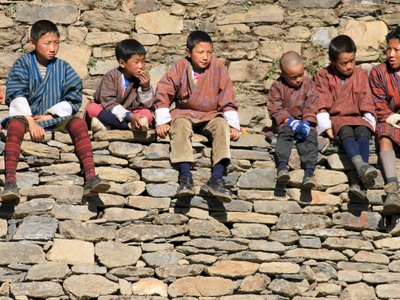
Ngalop
Ngalop are western Bhutanese who speak Dzongkha (Tibeto-Burman) and practice Tibetan Buddhism (Drukpa Kagyu). They historically shaped Bhutan’s state institutions, dzong architecture, and court culture, tracing much heritage to Tibetan migrations and monastic networks.

Sharchop
Sharchops speak Tshangla (Tibeto-Burman) and practice Tibetan Buddhism with animist traditions. Predominantly agrarian, they are often considered the largest indigenous group, known for rice cultivation, vibrant regional festivals, and varied local customs across eastern Bhutan.
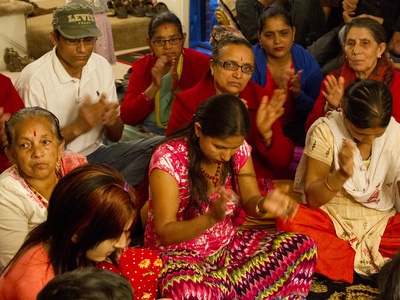
Lhotshampa
Lhotshampa are Bhutanese of Nepali origin who speak Nepali (Indo-Aryan) and largely follow Hinduism and Buddhism. Concentrated in the Terai, they are noted for distinctive Nepali cultural practices, languages, cuisine and a complex modern political history within Bhutan.
Bumthangpa
Bumthangpa inhabit central valleys and speak Bumthangkha (Tibeto-Burman). They practice Tibetan Buddhism and are associated with some of Bhutan’s oldest temples, classical arts, and festivals, playing a central role in national cultural and religious history.
Kheng
Khengpa speak Khengkha (Tibeto-Burman, related to Bumthangkha) and follow Tibetan Buddhist traditions. Known for distinct dialects and oral history, they sustain upland agriculture, local crafts, and community ceremonies that mark regional identity.
Kurtöp
Kurtöp people speak Kurtöpkha (Tibeto-Burman) and practice Tibetan Buddhism. Concentrated in northern-central valleys, they maintain unique oral traditions, weaving and hill-farming lifeways, and are recognized as culturally distinct within eastern Bhutan’s mosaic.
Layap
Layap are a highland community speaking Layakha (Tibeto-Burman) who practice Tibetan Buddhism blended with local customs. Renowned for yak pastoralism, tall ornate hats, traditional dress and remote trans-Himalayan lifestyles, they retain strong mountain cultural forms.
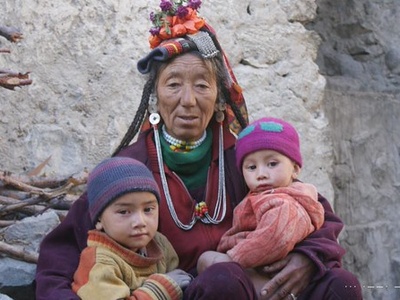
Brokpa
Brokpa (Drokpa) inhabit isolated eastern highlands and speak East Bodish varieties. Their beliefs mix animist elements with Tibetan Buddhism; they are semi-nomadic yak-herders distinguished by striking clothing, unique rituals, and strong cultural visibility to anthropologists and visitors.
Brokkat
Brokkat speakers form a very small community in Dhur village. Their East Bodish language is highly endangered; they follow Tibetan Buddhist practices with local customs, preserving rare linguistic and cultural traits under pressure from larger languages.
Olekha
Olekha (Black Mountain Monpa) speak a distinctive, possibly divergent Tibeto-Burman language. Practicing Tibetan Buddhism mixed with animist traditions, they live in forested highlands and maintain unique subsistence strategies, ritual life and oral histories.
Gongduk
Gongduk are a tiny, isolated community speaking a linguistically unique and endangered language. They practice Tibetan Buddhism blended with local traditions, preserving rare cultural and linguistic heritage in remote eastern Bhutanese valleys.
Lepcha
Lepcha in southern Bhutan are a small Himalayan community with roots in Sikkim and Darjeeling. They speak Lepcha (Sino-Tibetan), traditionally follow animist and Buddhist practices, and maintain distinctive weaving, ritual life and cross-border cultural ties.