Brazil’s geography and history have created a mosaic of peoples across coastal cities, inland plains and the Amazon basin. Waves of Indigenous communities, European colonists, enslaved Africans and later immigrants produced distinct regional cultures, languages and identities that continue to shape daily life and local customs.
There are 33 Brazil Ethnic Groups, ranging from Asian (Amarelo) to Yanomami. Each entry is organized with Population share (%),Primary region(s),Language/Origin so you can quickly compare demographic weight, main locations and linguistic or ancestral origins, and you’ll find the full list and details below.
How reliable are the population share figures for these groups?
Most figures come from national censuses and surveys that rely on self-identification, so they’re useful for broad comparisons but can undercount marginalized or remote populations. Look for the source and year for each percentage and pair these numbers with local studies or ethnographic research when you need finer accuracy.
How can I use this list to study Brazil’s cultural and linguistic landscape?
Use the Population share (%) column to gauge relative size, Primary region(s) to map geographic distribution, and Language/Origin to trace cultural links; combine the table with maps and regional histories to understand local diversity and remember that mixed identities and regional variation often require deeper, qualitative sources.
Brazil Ethnic Groups
| Group | Population share (%) | Primary region(s) | Language/Origin |
|---|---|---|---|
| White (Branco) | 45.0% | South,Southeast | Portuguese/European origins |
| Pardo (mixed Brazilian) | 42.0% | Nationwide,Northeast,North | Mixed Indigenous/European/African |
| Black (Preto) | 8.5% | Bahia,Rio,Southeast | African origins,Portuguese language |
| Asian (Amarelo) | 1.1% | São Paulo,Paraná | East and Southeast Asian origins |
| Indigenous (Indígena) | 0.5% | Amazon,Central-West,South | Hundreds of Indigenous languages |
| Quilombola | 1,200,000 | Northeast,Bahia,Amazon | African-derived,Portuguese |
| Caboclo | ~5,000,000 | Amazon,North,Central-West | Mixed Indigenous-European,Portuguese |
| Portuguese Brazilians | 30,000,000 (est.) | Nationwide,Southeast | Portugal,Portuguese |
| Italian Brazilians | 25,000,000 (est.) | São Paulo,South | Italy,Italian |
| German Brazilians | 8,000,000 (est.) | Rio Grande do Sul,Santa Catarina,Paraná | Germany,German |
| Spanish Brazilians | 7,000,000 (est.) | São Paulo,South | Spain,Spanish |
| Japanese Brazilians | 1,500,000 (est.) | São Paulo,Paraná | Japan,Japanese |
| Lebanese/Syrian (Arab Brazilians) | 7,000,000 (est.) | São Paulo,Nationwide | Lebanon,Syria,Arabic heritage |
| Polish Brazilians | 2,000,000 (est.) | Paraná,Santa Catarina | Poland,Polish |
| Ukrainian Brazilians | 500,000 (est.) | Paraná,São Paulo | Ukraine,Ukrainian |
| Chinese Brazilians | 300,000 (est.) | São Paulo,South | China,Chinese dialects |
| Korean Brazilians | 50,000 (est.) | São Paulo | Korea,Korean |
| Jewish Brazilians | 120,000 (est.) | São Paulo,Rio de Janeiro | Hebrew,Portuguese origins |
| Romani (Cigano) | 800,000 (est.) | Southeast,Nationwide | Romani,European origins |
| Guarani | 51,000 | Mato Grosso do Sul,Paraná,RS | Tupi-Guarani languages |
| Yanomami | 35,000 | Roraima,Amazonas | Yanomami languages |
| Tikuna | 45,000 | Amazonas,Upper Solimões | Tikuna (language isolate) |
| Kayapó | 8,000 | Pará,Mato Grosso | Jê languages |
| Xavante | 12,000 | Mato Grosso | Jê language |
| Kaingang | 28,000 | Paraná,RS,SC | Jê language |
| Karajá | 3,500 | Tocantins,Goiás | Karajá language |
| Munduruku | 12,000 | Pará,Amazonas | Tupian languages |
| Bororo | 3,500 | Mato Grosso | Bororo (Gê family) |
| Sateré-Mawé | 9,000 | Amazonas,Pará | Tupi-Guarani languages |
| Huni Kuin (Kaxinawá) | 15,000 | Acre,Amazonas,Rondônia | Panoan languages |
| Tukano | 18,000 | Upper Rio Negro,Amazonas | Tukanoan languages |
| Wapichana | 8,000 | Roraima,border areas | Arawakan languages |
| Cafuzo | 1,000,000 (est.) | Amazon,North,Northeast | Mixed Indigenous-African,Portuguese |
Images and Descriptions

White (Branco)
Census category for Brazilians of primarily European ancestry, historically dominant in urban and southern regions. Concentrated in south and southeast states, associated with Portuguese, Italian and German roots and many urban cultural traditions like European-influenced cuisine and architecture.
Pardo (mixed Brazilian)
IBGE census category for mixed-race Brazilians (often Indigenous, European and African ancestry). Large populations across the Northeast, North and urban centers; culturally diverse, including caboclo and mulato identities, influential in regional music, food and folk traditions.
Black (Preto)
Census category for Afro-Brazilian or Black-identifying citizens, concentrated particularly in Bahia, Rio and large cities. Descendants of enslaved Africans, central to samba, capoeira and Afro-Brazilian religions, with strong cultural influence on national cuisine, music and identity.
Asian (Amarelo)
IBGE census label covering East and Southeast Asian descent, including Japanese, Chinese and Korean Brazilians. Small national share but concentrated in São Paulo and Paraná; notable for business networks, cultural festivals and community institutions preserving language and traditions.
Indigenous (Indígena)
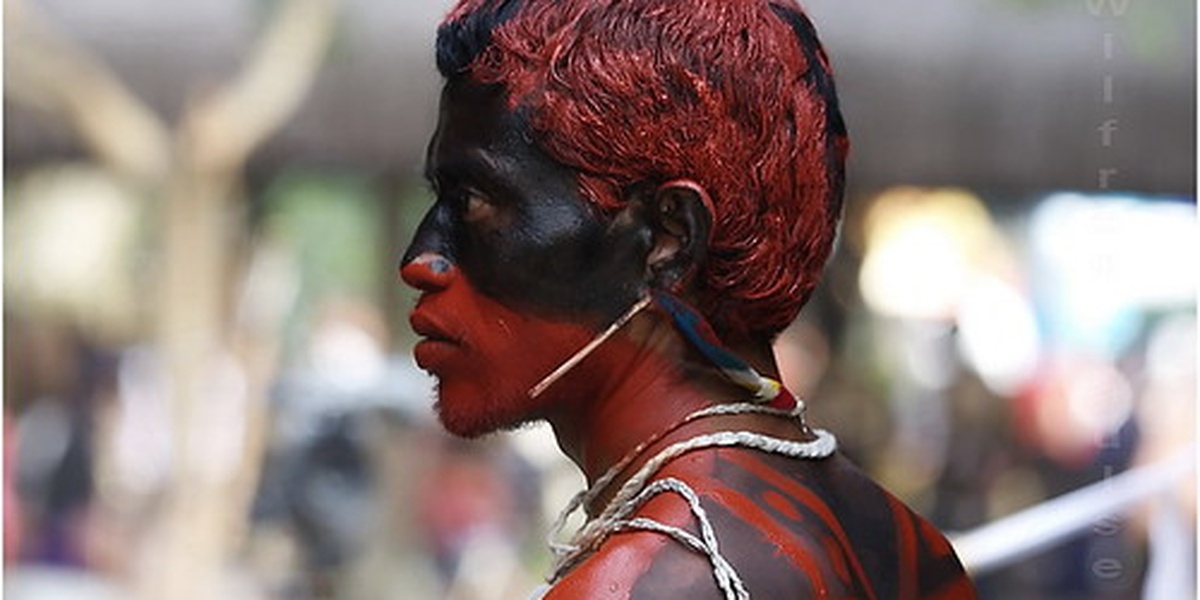
Census category for Brazil’s Indigenous peoples, a diverse set of nations across the Amazon, Central-West and South. Speak hundreds of languages, recognized by FUNAI; maintain distinct lifeways, territorial claims, vibrant ceremonies and growing political visibility on land and rights issues.
Quilombola
Communities descended from escaped enslaved people (quilombos), legally recognized and present across Brazil, especially in the Northeast and Amazon. Quilombolas preserve Afro-Brazilian rituals, communal land claims, traditional agriculture and distinctive music, cuisine and social structures tied to African heritage.
Caboclo
Rural and riverine people of mixed Indigenous and European ancestry, common in the Amazon and interior regions. Caboclos speak Portuguese with local Indigenous influences, practice agroforestry and fishing, and sustain hybrid cultural expressions in music, cuisine and festivals.
Portuguese Brazilians
Largest immigrant-origin ancestry in Brazil due to colonization and continuous migration; Portuguese descendants are widespread nationwide but concentrated in the Southeast and Northeast. They shaped language, law, religion and many cultural traditions that form modern Brazilian society.
Italian Brazilians
Large immigrant-descended community concentrated in São Paulo, Rio Grande do Sul and Southern Brazil. Italian Brazilians influence cuisine (pizza, pasta), viticulture, festivals and architecture; many retain family ties to Italy and regional dialects, contributing to immigrant-driven industry and culture.
German Brazilians
Descendants of 19th- and 20th-century German immigrants, concentrated in Rio Grande do Sul, Santa Catarina and Paraná. Known for preserved Germanic festivals, architecture, breweries and bilingual communities; influential in agriculture, industry and regional cultural identity in southern Brazil.
Spanish Brazilians
Community of Spanish-descended Brazilians from various immigration waves, concentrated in São Paulo, Paraná and Rio Grande do Sul. They contributed to agriculture, commerce and urban labor; Spanish cultural influence is visible in cuisine, family names and regional customs.
Japanese Brazilians
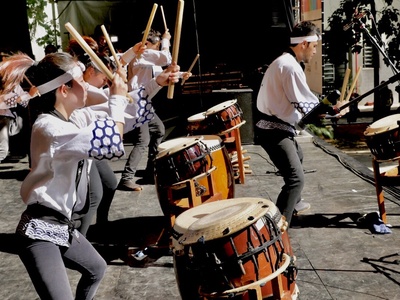
Largest Japanese diaspora community outside Japan, centered in São Paulo and Paraná. Japanese Brazilians maintain cultural institutions, festivals (matsuri), agricultural expertise and bilingual traditions; they have had significant influence on commerce, cuisine and cultural exchange between Japan and Brazil.
Lebanese/Syrian (Arab Brazilians)
Descendants of Lebanese and Syrian immigrants (often called ‘Arab Brazilians’), concentrated in São Paulo and other urban centers. Prominent in commerce and politics, they blend Levantine culinary traditions with Brazilian culture and are influential in business and community networks.
Polish Brazilians
Polish-descended communities concentrated in Paraná and Santa Catarina from early 20th-century immigration. They preserve folk traditions, Catholic rituals and cuisine, with local festivals and agricultural settlements remaining visible in southern Brazilian rural life and regional identity.
Ukrainian Brazilians
Ukrainian-Brazilian populations settled mainly in Paraná and parts of São Paulo. Known for Orthodox and Eastern Catholic churches, preserving language, dance and culinary customs like pierogi and holubtsi; they contribute to regional agriculture and cultural festivals.
Chinese Brazilians
Growing Chinese immigrant-descended community largely in São Paulo and southern cities. Chinese Brazilians operate businesses, restaurants and trade links, maintain language schools and associations, and increasingly shape urban commerce and cultural exchange between China and Brazil.
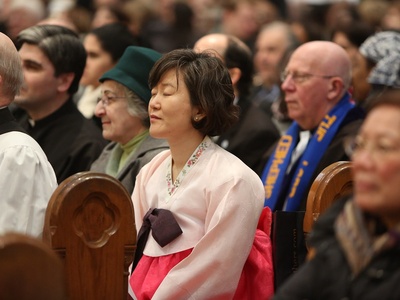
Korean Brazilians
Korean immigrant communities centered in São Paulo engage in commerce, textiles and small business. Korean Brazilians maintain churches, language schools and cultural festivals; they form a visible East Asian minority with distinct culinary and entrepreneurial traditions in urban neighborhoods.
Jewish Brazilians
Small but influential Jewish community concentrated in São Paulo and Rio de Janeiro with historical Sephardic and Ashkenazi roots. Jewish Brazilians contribute to business, arts and academia, maintain synagogues, schools and cultural institutions that preserve religious and cultural heritage.
Romani (Cigano)
Romani (cigano) communities live across Brazil, with notable populations in the Southeast. They preserve Romani language and customs while integrating into urban and rural economies, often associated with trade, crafts and itinerant cultural practices, sometimes facing social marginalization.
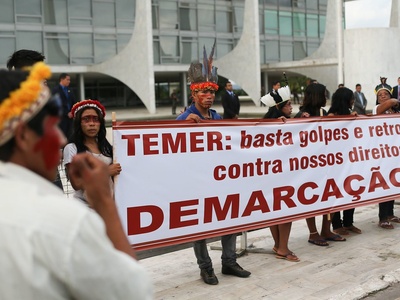
Guarani
One of Brazil’s largest Indigenous nations, the Guarani live in the Southern Cone and central regions, especially Mato Grosso do Sul and Paraná. They speak Guarani languages, maintain strong spiritual traditions, and actively campaign for land rights and cultural revitalization.
Yanomami
Indigenous people of the Amazon, particularly Roraima and northern Amazonas, the Yanomami speak related languages and live in communal shabonos. They are known for complex social organization, deep rainforest knowledge and high-profile struggles over land, health and illegal mining impacts.
Tikuna
One of the largest Indigenous groups in the upper Amazon, the Tikuna live along the Solimões River in Amazonas. They speak the Tikuna language, maintain rich ceremonial life, crafts and riverine economy, and are active in local politics and cultural preservation.
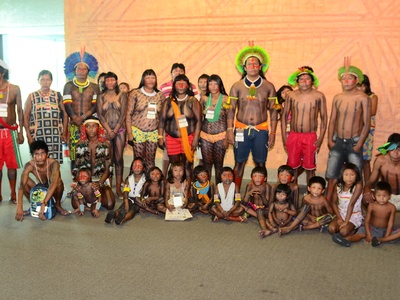
Kayapó
The Kayapó are a high-profile central Amazonian nation based in Pará and Mato Grosso, speaking Jê languages. Known internationally for environmental activism, ornate body painting and beadwork, they practice shifting agriculture and defend territories against deforestation and mining.
Xavante
The Xavante live mainly in eastern Mato Grosso, speaking a Jê language and maintaining strong warrior and hunting traditions. They are recognized for ritual cycles, elaborate body ornamentation, communal land tenure and active cultural resurgence and social organization.
Kaingang
Kaingang people inhabit southern Brazil—Paraná, Rio Grande do Sul and Santa Catarina—speaking a Jê language. They preserve traditional crafts, communal governance and rituals while engaging with regional agriculture, education initiatives and land demarcation struggles.
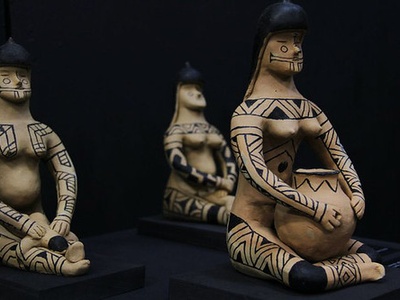
Karajá
Karajá people live along the Araguaia River in Tocantins and Goiás, speaking the Karajá language. They are recognized for riverine pottery, intricate basketry, ritual music and canoe-based lifeways, maintaining strong cultural identity amid regional development pressures.
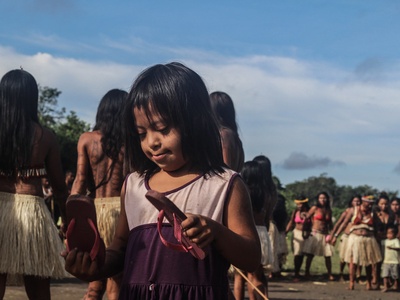
Munduruku
The Munduruku inhabit the Tapajós basin in Pará and Amazonas; they speak a Tupian language and are known for strong riverine agricultural practices, canoe navigation and recent activism defending Amazon territories against mining and hydroelectric projects.
Bororo
Bororo communities live in Mato Grosso and adjacent areas, speaking Bororo (a Gê family language). They are noted for distinctive circular village layouts, complex kinship systems, body painting, featherwork and continuing ceremonial life tied to cattle-ranching frontiers.
Sateré-Mawé
Sateré-Mawé live in Amazonas and Pará, speaking a Tupi-Guarani language. Famous for cultivating guaraná, elaborate male initiation rites with bullet ant gloves, and strong local organizational structures defending territory and traditional economic practices.
Huni Kuin (Kaxinawá)
Huni Kuin (Kaxinawá) live along rivers in Acre, Amazonas and Rondônia speaking a Panoan language. They are known for rich shamanic traditions, ayahuasca ritual practices, intricate body painting and production of handicrafts sold nationally and internationally.
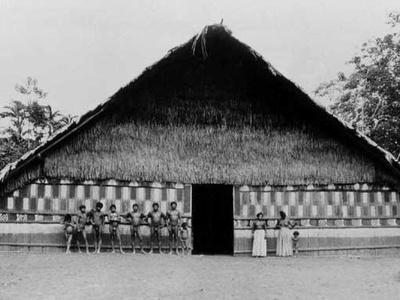
Tukano
Tukano-speaking peoples inhabit the Upper Rio Negro region in Amazonas, with multilingual riverine societies and complex exogamy rules. They maintain vibrant ceremonial life, basketry and mythic storytelling, and play central roles in Amazonian trade networks and intercultural exchange.
Wapichana
Wapichana live in Roraima and northern borderlands, speaking an Arawakan language. Their livelihoods combine agriculture and cattle, they hold communal land rights and participate in cross-border cultural exchanges with Guyana and regional development discussions.
Cafuzo
Cafuzos are people of mixed Indigenous and African ancestry found in Amazonian, Northeastern and other regions. They carry blended cultural practices, often speaking Portuguese with local influences and preserving distinct sets of music, cuisine and community bonds tied to both ancestries.