Turkmenistan sits at a crossroads of Central Asia, where desert plains meet oasis towns and Silk Road history still shapes local life. That geographic layering has produced a mosaic of communities and cultural influences across the country.
There are 12 Turkmenistan Ethnic Groups, ranging from Armenian to Uzbek. The list below presents each group with Population %, Language(s) & religion, and Main regions so you can compare size, language and location — you’ll find that information below.
Which ethnic groups form the largest communities in Turkmenistan?
The Turkmen are the clear majority; the next largest communities typically include Uzbeks and Russians, with smaller but notable groups such as Kazakhs and Armenians. Regional concentrations matter — some minorities are clustered near borders or in specific cities, which affects their local presence.
How current and reliable are the population and cultural details for these groups?
Official census data offer a baseline but can be outdated or inconsistent; migration, reporting practices and limited public releases mean independent estimates and academic studies are useful for cross-checking. For precise figures, consult recent censuses, UN data and peer-reviewed research.
Turkmenistan Ethnic Groups
| Ethnic group | Population % | Language(s) & religion | Main regions |
|---|---|---|---|
| Turkmen | 72.1% | Turkmen;Sunni Islam | Ahal, Mary, Lebap, Daşoguz |
| Uzbek | 9.0% | Uzbek;Sunni Islam | Daşoguz, Lebap, Mary |
| Russian | 6.0% | Russian;Russian Orthodox | Ashgabat, Balkan, Ahal |
| Kazakh | 2.4% | Kazakh;Sunni Islam | Daşoguz, northern border areas |
| Tatar | 0.9% | Tatar/Russian;Sunni Islam (some Orthodox) | Ashgabat, regional towns |
| Ukrainian | 0.4% | Ukrainian/Russian;Orthodox Christianity | Ashgabat, regional centers |
| Azerbaijani | 0.3% | Azerbaijani;Shia/Sunni Islam | Ashgabat, trade centers |
| Armenian | 0.2% | Armenian;Armenian Apostolic | Ashgabat |
| Tajik | 0.2% | Tajik (Persian);Sunni Islam | Mary, Ashgabat |
| Jewish | 0.1% | Russian;Judaism | Ashgabat, Turkmenbashi (historical) |
| Belarusian | 0.1% | Belarusian/Russian;Orthodox Christianity | Ashgabat, regional towns |
| Korean | 0.1% | Korean/Russian;Christianity/Non-religious | Ashgabat |
Images and Descriptions

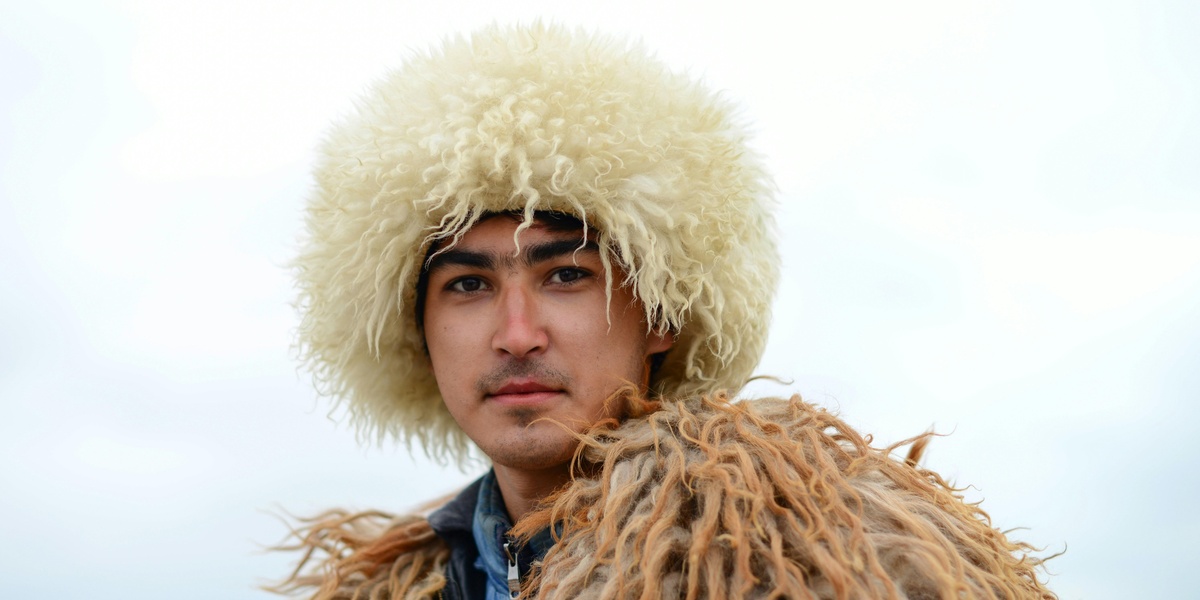
Turkmen
The titular nation of Turkmenistan, Turkmen are a Turkic-speaking, predominantly Sunni Muslim people with a strong tribal and nomadic heritage. They dominate politics, culture and rural life; estimates vary by source (CIA World Factbook; 2012 census differences noted).
Uzbek
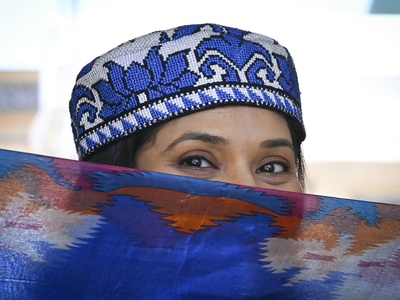
Uzbeks are the largest minority, a Turkic-speaking Sunni Muslim community concentrated in northern and eastern provinces near the Uzbekistan border; historically linked by trade and family ties across the frontier and present in agriculture and local markets.
Russian
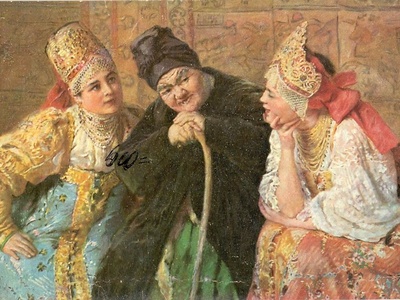
Russians arrived during the imperial and Soviet periods, forming an urban educated minority centered in cities. Numbers have declined since independence; many work in administration, industry, and culture, and they maintain Russian-language schools and Orthodox churches.
Kazakh
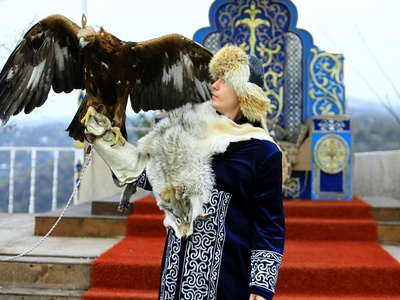
Kazakh communities live mostly along the northern border and share cultural and linguistic ties with Kazakhstan. Traditionally pastoralist or agricultural, many are bilingual in Kazakh and Russian and keep cross-border family networks.
Tatar
Tatars are a small Turkic-speaking minority with roots in Volga and Crimea migrations; often urbanized, bilingual in Russian, involved historically in commerce and crafts, and culturally distinct though small in number.
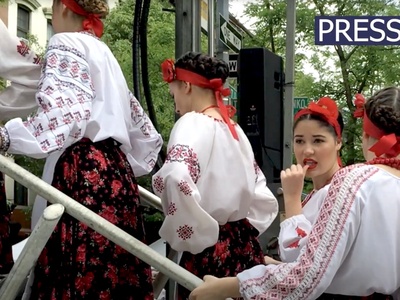
Ukrainian
Ukrainians arrived during Soviet industrialization and still form a small urban community. They speak Ukrainian or Russian and are largely Orthodox Christians, often employed in professional and technical roles.
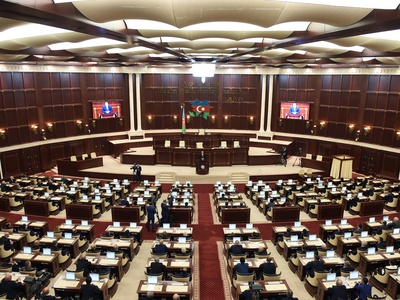
Azerbaijani
Azerbaijanis are a tiny Turkic-speaking community in cities, many involved in trade and small business. Religious practice varies; cultural ties link them to Azerbaijan though numbers are limited.
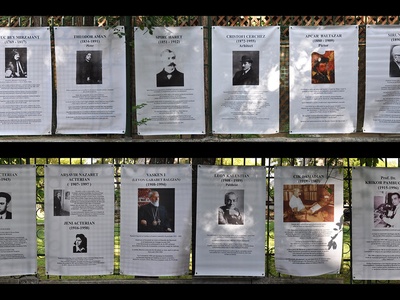
Armenian
Armenians in Turkmenistan form a very small urban minority with historic merchant and artisan roles. They maintain the Armenian language and church traditions, though the community has shrunk since the Soviet era.
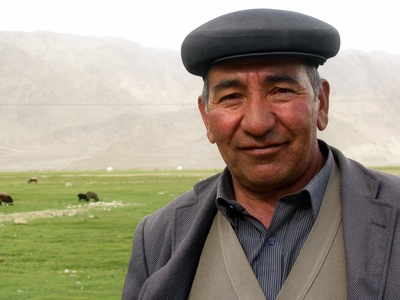
Tajik
Tajiks are Persian-speaking and culturally linked to neighboring Iran and Tajikistan. Present mainly in southern provinces and cities, they contribute to urban commerce, agriculture, and maintain Persian cultural practices.
Jewish
Jews in Turkmenistan (including Bukharan and Ashkenazi heritage) were once a larger community centered in Ashgabat. Today very small, they preserve religious and cultural traditions despite post-Soviet emigration.
Belarusian
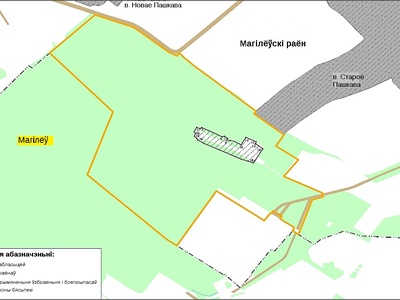
Belarusians arrived during Soviet times for industrial and administrative work; now a tiny urban minority, typically Russian-speaking and Orthodox, with limited public visibility.
Korean
Koryo-saram (ethnic Koreans) are a small community descended from early 20th-century migrations and Soviet relocations; many are urban, bilingual, and retain some Korean cultural practices while being largely Russified.