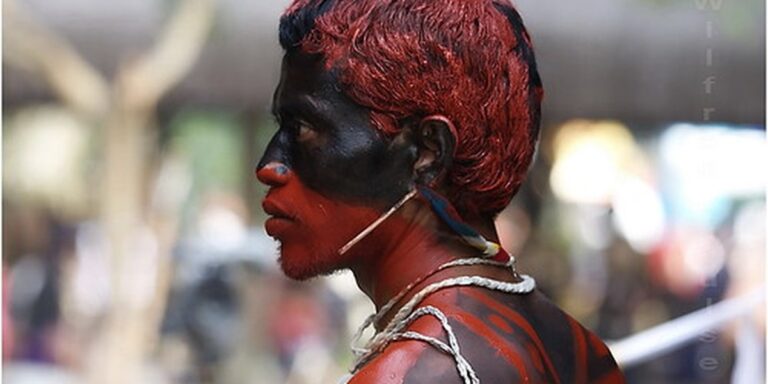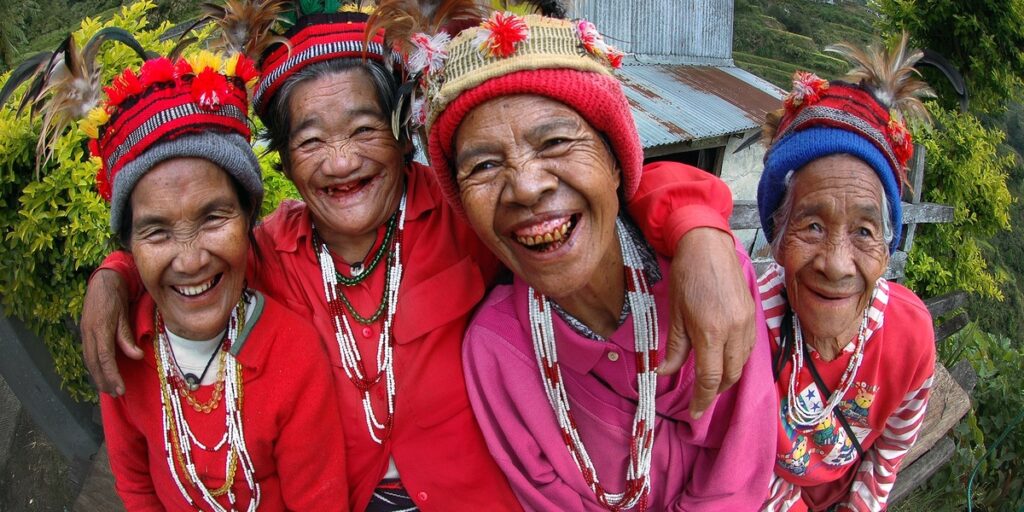
The Philippines’ islands are home to a wide mosaic of peoples whose languages, customs and histories have shaped local identities for centuries. From mountain settlements to coastal towns, communities vary dramatically by region and by the languages they speak, giving the archipelago its layered cultural map.
There are 53 Philippines Ethnic Groups, ranging from Aeta to Yakan; the list is organized with the columns Region,Language family,Population (est.), which you’ll find below.
How were the groups in this list identified?
The groups are identified primarily as commonly recognized ethnolinguistic communities found in Philippine scholarship and official records, using linguistic family, self-identification and historical sources as guides; some names cover broad clusters while others refer to smaller, distinct peoples, so entries reflect the most widely used classifications.
How reliable are the population (est.) figures?
Population estimates combine recent census data, academic studies and government reports where available, but small or remote communities are often undercounted and figures should be treated as approximations rather than exact counts.
Philippines Ethnic Groups
| Name | Region | Language family | Population (est.) |
|---|---|---|---|
| Tagalog | Luzon (Central Luzon, CALABARZON, Metro Manila) | Austronesian – Malayo-Polynesian | 28,000,000 |
| Cebuano | Visayas (Cebu, Bohol, Negros Oriental) and Mindanao coasts | Austronesian – Malayo-Polynesian | 9,000,000 |
| Ilocano | Northern Luzon (Ilocos Region, parts of Cagayan Valley) | Austronesian – Malayo-Polynesian | 7,000,000 |
| Hiligaynon (Ilonggo) | Western Visayas (Iloilo, Negros Occidental, Guimaras) | Austronesian – Malayo-Polynesian | 7,000,000 |
| Bikolano | Bicol Region (Southeastern Luzon) | Austronesian – Malayo-Polynesian | 6,000,000 |
| Waray | Eastern Visayas (Samar, Leyte) | Austronesian – Malayo-Polynesian | 3,000,000 |
| Kapampangan | Central Luzon (Pampanga, parts of Tarlac, Bataan) | Austronesian – Malayo-Polynesian | 2,800,000 |
| Pangasinan | Lingayen Gulf region (Pangasinan province) | Austronesian – Malayo-Polynesian | 1,500,000 |
| Tausug | Sulu Archipelago and parts of Zamboanga and Sabah | Austronesian – Malayo-Polynesian (Moro) | 1,200,000 |
| Maranao | Lanao del Sur (Lake Lanao area) | Austronesian – Malayo-Polynesian (Moro) | 1,100,000 |
| Maguindanao | Maguindanao province and adjoining areas | Austronesian – Malayo-Polynesian (Moro) | 900,000 |
| Sama-Bajau | Sulu, Zamboanga, southern Mindanao, eastern Sabah | Austronesian – Malayo-Polynesian | 900,000 |
| Yakan | Basilan (Lamitan) and nearby islands | Austronesian – Malayo-Polynesian (Moro) | 200,000 |
| Subanen | Zamboanga Peninsula (stream valleys and highlands) | Austronesian – Malayo-Polynesian | 150,000 |
| Manobo | Central Mindanao and surrounding highlands (many subgroups) | Austronesian – Malayo-Polynesian | 600,000 |
| Bagobo | Davao region and Mount Apo foothills | Austronesian – Malayo-Polynesian | 100,000 |
| Higaonon | Northern and central Mindanao highlands | Austronesian – Malayo-Polynesian | 150,000 |
| T’boli | Lake Sebu and highlands of South Cotabato | Austronesian – Malayo-Polynesian | 85,000 |
| B’laan | South Cotabato, Sarangani, Davao del Sur | Austronesian – Malayo-Polynesian | 120,000 |
| Tiruray | Cotabato and Sultan Kudarat highlands | Austronesian – Malayo-Polynesian | 50,000 |
| Tagbanwa | Central and northern Palawan islands | Austronesian – Malayo-Polynesian | 50,000 |
| Palawano (Palaw’an) | Palawan (interior and southern areas) | Austronesian – Malayo-Polynesian | 120,000 |
| Batak (Palawan) | Northeastern Palawan | Austronesian – Malayo-Polynesian | 800 |
| Cuyonon | Cuyo Islands, Palawan and Romblon coasts | Austronesian – Malayo-Polynesian | 100,000 |
| Aklanon | Aklan province and nearby islands | Austronesian – Malayo-Polynesian | 170,000 |
| Kinaray-a | Western Panay (Antique, parts of Iloilo) | Austronesian – Malayo-Polynesian | 500,000 |
| Ati | Panay islands (Antique, Panay) and surrounding islets | Austronesian – Negrito | 25,000 |
| Aeta | Central Luzon and other mountainous areas | Austronesian – Negrito | 150,000 |
| Agta | Sierra Madre and northeastern Luzon coasts | Austronesian – Negrito | 30,000 |
| Mamanwa | Dinagat Islands and Surigao highlands | Austronesian – Negrito | 20,000 |
| Ifugao | Cordillera Central (Ifugao province) | Austronesian – Malayo-Polynesian (Igorot) | 130,000 |
| Kankanaey | Cordillera (Benguet, Mountain Province) | Austronesian – Malayo-Polynesian (Igorot) | 200,000 |
| Bontoc | Mountain Province (Bontoc area) | Austronesian – Malayo-Polynesian (Igorot) | 60,000 |
| Kalinga | Kalinga province and Cagayan valley highlands | Austronesian – Malayo-Polynesian (Igorot) | 150,000 |
| Ibaloi | Southern Benguet and surrounding Cordillera valleys | Austronesian – Malayo-Polynesian (Igorot) | 180,000 |
| Bugkalot (Ilongot) | Eastern Luzon (Nueva Vizcaya, Quirino) | Austronesian – Malayo-Polynesian | 40,000 |
| Ibanag | Cagayan Valley (Isabela, Cagayan) | Austronesian – Malayo-Polynesian | 200,000 |
| Gaddang | Isabela and Nueva Vizcaya foothills | Austronesian – Malayo-Polynesian | 60,000 |
| Ivatan | Batanes Islands | Austronesian – Malayo-Polynesian | 40,000 |
| Eskaya | Bohol (Biquan area) | Austronesian – Malayo-Polynesian | 2,000 |
| Mangyan (umbrella) | Mindoro interior and coastal areas | Austronesian – Malayo-Polynesian | 175,000 |
| Hanunuo Mangyan | Southern Mindoro highlands | Austronesian – Malayo-Polynesian | 15,000 |
| Buhid Mangyan | Southern Mindoro forests | Austronesian – Malayo-Polynesian | 12,000 |
| Iraya Mangyan | Northern Mindoro and mountainous areas | Austronesian – Malayo-Polynesian | 10,000 |
| Alangan Mangyan | Mindoro interior | Austronesian – Malayo-Polynesian | 8,000 |
| Tadyawan (Mindoro) | Mindoro uplands and valleys | Austronesian – Malayo-Polynesian | 10,000 |
| Ratagnon | Southwestern Mindoro (Bugsukan area) | Austronesian – Malayo-Polynesian | 5,000 |
| Chavacano (Zamboangueño) | Zamboanga Peninsula (Zamboanga City) | Creole (Spanish-based) with Austronesian substrate | 600,000 |
| Badjao (Sea Gypsies) | Sulu Archipelago, Zamboanga coasts, Sabah | Austronesian – Malayo-Polynesian | 120,000 |
| Isneg (Isnag) | Upper Cagayan Valley, Apayao | Austronesian – Malayo-Polynesian | 40,000 |
| Itawes | Cagayan Valley (Isabela, Cagayan) | Austronesian – Malayo-Polynesian | 80,000 |
| Sambal | Zambales and western Luzon coast | Austronesian – Malayo-Polynesian | 120,000 |
| Romblomanon | Romblon province and nearby islands | Austronesian – Malayo-Polynesian | 35,000 |
Images and Descriptions
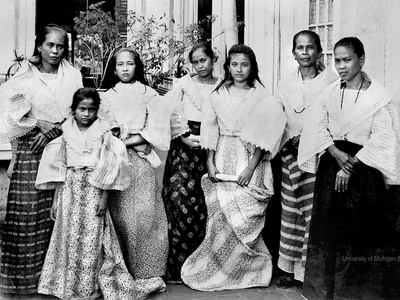
Tagalog
The Tagalog are the largest lowland ethnolinguistic group centered in and around Manila and southern Luzon; they speak Tagalog, where Filipino national language is based, and are notable for historic polities, rich oral traditions, and widespread migration across the country.

Cebuano
Cebuanos (Bisaya/Sugbuanon) are a major Visayan people from Cebu and nearby islands; they speak Cebuano, have strong seafaring and trading traditions, and have influenced Mindanao settlement and cultural life across the central Philippines.
Ilocano
Ilocanos are a large northern Luzon group known for resilient upland farming, distinctive Ilocano language and literature, and migration throughout the Philippines and abroad; their culture emphasizes hard work, strong family ties, and folk weaving and cuisine.
Hiligaynon (Ilonggo)
Ilonggos speak Hiligaynon and are centered in Iloilo and Negros Occidental; known for festive traditions, rich oral literature, sugarcane and rice agriculture, friendly social customs, and influential regional music and cuisine.
Bikolano
Bikolanos inhabit Bicol peninsula and nearby islands, speaking Bikol languages; noted for pilgrimage to Mayon volcano, spicy cuisine, Catholic and indigenous ritual blends, maritime livelihoods, and strong regional literary and performing arts.
Waray
Waray people of Samar and Leyte speak Waray-Waray; they are known for resilient coastal communities, rich epic and folklore traditions, boat-building and fishing skills, and vibrant regional festivals tied to sea and harvest cycles.
Kapampangan
Kapampangans center on the Pampanga plain, speak Kapampangan, and are renowned for culinary traditions, tile and furniture crafts, strong colonial-era towns, preserved rituals, and lively town fiestas reflecting a distinct regional identity.
Pangasinan
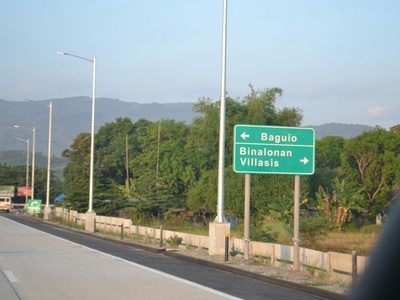
Pangasinense inhabit the central Luzon coast; they speak Pangasinan language, rely on fishing and salt-making historically, feature distinct folk music and dances, and maintain unique precolonial and Spanish-era cultural markers.
Tausug
Tausug are a Muslim Moro people centered in Sulu, noted for maritime trade, warrior culture, traditional courtly arts, the sinulog and pangalay dance, and a strong Islamic sultanate history linking Sulu to wider Malay-Islamic networks.
Maranao
Maranao are the Lake Lanao people of Mindanao, famous for elaborate torogan houses, okir carving motifs, Maranao epic and music, Islamic learned traditions, and clan-based leadership woven into arts and courtly culture.
Maguindanao
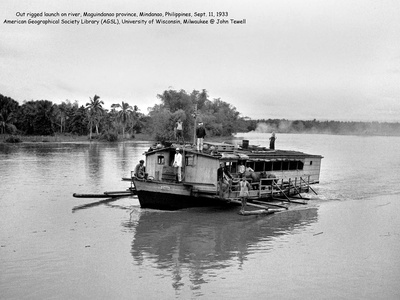
Maguindanaon people live along Cotabato River and surrounding plains, speak Maguindanaoan, have a strong sultanate and agrarian tradition, distinctive oral literature and music, and an influential role in Mindanao Muslim politics and culture.
Sama-Bajau
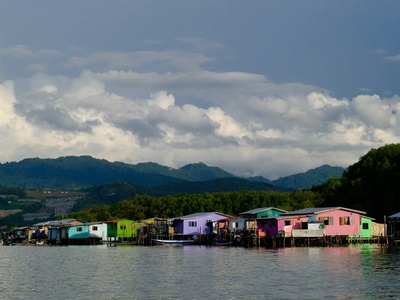
Sama-Bajau (sea nomads) inhabit southern archipelagos and coasts, many historically boat-dwelling; they speak Sama languages, are famed for freediving and marine knowledge, and have diverse settlement patterns from sea-based to coastal communities.
Yakan
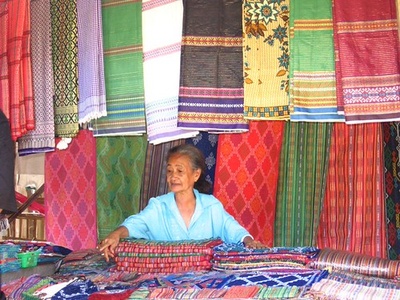
The Yakan are a distinct Muslim group from Basilan known for vibrant handwoven textiles, mat and cloth designs, and strong island community identity; their language and arts reflect precolonial weaving traditions and Islamic influences.
Subanen
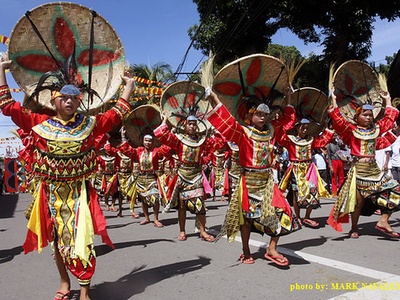
Subanen peoples live along Zamboanga river systems and uplands, speak Subanen languages, practice swidden and riverine livelihoods, maintain rich oral epics and crafts, and are often classified among indigenous Lumad groups of Mindanao.
Manobo
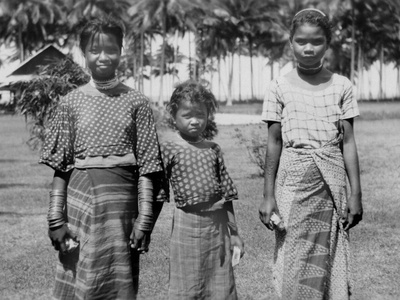
Manobo is an umbrella for many upland Mindanao groups speaking related languages; they have diverse agroforestry traditions, distinctive ritual practices, weaving and beadwork, and strong ties to ancestral domains across Mindanao.
Bagobo
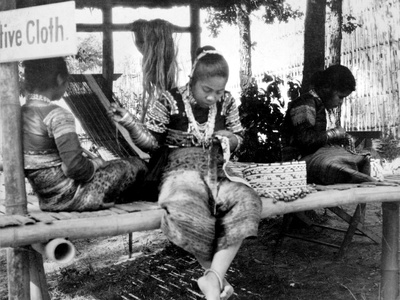
Bagobo peoples inhabit Davao highlands, speak Bagobo languages, and are acclaimed for elaborate beadwork, brassware, okir motifs, ritual dances, and ancestral house forms; artistic traditions reflect complex precolonial and Islamic-era interactions.
Higaonon
Higaonon are upland agriculturalists in northern Mindanao, known for rice and swidden cultivation, strong adat (customary law) governance, conservation-oriented forest practices, and distinct oral histories tied to mountain landscapes.
T’boli
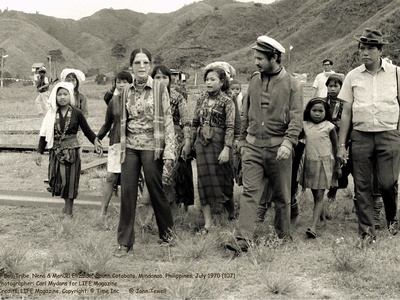
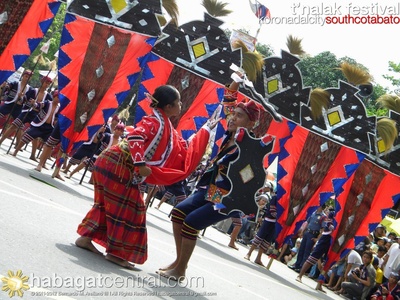
T’boli people are famed for exquisite t’nalak fiber weaving, elaborate beadwork, and rich spiritual cosmology; centered in Lake Sebu highlands, they speak T’boli and retain unique rituals and art forms important for cultural tourism and heritage.
B’laan
B’laan peoples of southern Mindanao practice upland farming, carving, and textile arts, with strong indigenous belief systems and ancestral domain claims; their cultural motifs and ceremonial traditions are central to identity and land stewardship.
Tiruray
Tiruray are an upland group in southwestern Mindanao, speaking Tiruray languages, maintaining swidden and wet-rice agriculture, and practicing animist traditions alongside contacts with Muslim and Christian neighbors; kinship and ritual ties shape community life.
Tagbanwa
Tagbanwa peoples inhabit Palawan’s interior and coasts, speak Tagbanwa languages, have ancient rock art and ritual systems, practice swidden agriculture and fishing, and maintain claims to ancestral lands and cultural heritage in Palawan.
Palawano (Palaw’an)
Palaw’an groups of Palawan comprise several related communities practicing hunting, gathering, and swidden cultivation; they have distinct languages and kinship systems, richly varied material culture, and strong attachments to limestone karst and forest environments.
Batak (Palawan)
The Batak of Palawan are a small indigenous group with hunter-gatherer roots; they have unique social organization, oral traditions, and intimate forest knowledge, facing pressures from development and conservation policies affecting their habitats.
Cuyonon
Cuyonon people are maritime traders and island communities from Cuyo and northern Palawan; they speak Cuyonon, have Sinulog-like festivals, and historically influenced Palawan’s coastal culture and language spread.
Aklanon
Aklanons inhabit Aklan and nearby islands, speak Aklanon, and are known for the Ati-Atihan festival, prawn and rice farming, and unique phonology and folk traditions integral to Panay island cultural life.
Kinaray-a
Kinaray-a people of Antique and western Panay speak Kinaray-a, maintain distinct oral literature, textile traditions, and agricultural systems; their identity is closely linked with Panay interior towns and local ritual calendars.
Ati
The Ati are a Visayan Negrito group historically associated with Panay and nearby islands; they have distinct physical ancestry, foraging and small-scale agriculture traditions, and important roles in Ati-Atihan festival origins and regional cultural memory.
Aeta
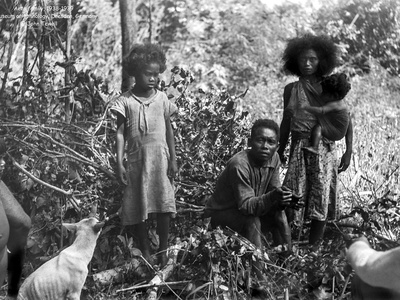
Aeta (Aeta/Agta groups broadly) are diverse Negrito peoples across Luzon highlands, known for hunter-gatherer heritage, rich botanical knowledge, distinct languages and cultural practices, and ongoing struggles for ancestral land and cultural recognition.
Agta
Agta refers to several Negrito communities in Luzon’s eastern ranges and coasts, with strong forest-foraging traditions, riverine and sea-resource knowledge, unique languages, and faces social pressures from logging, mining, and settlement.
Mamanwa
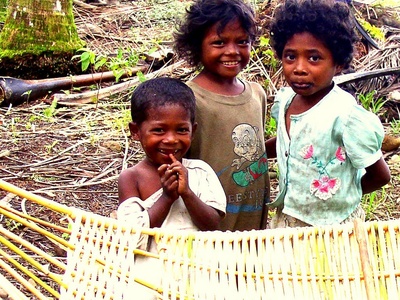
Mamanwa are a Mindanao Negrito group in Surigao and Dinagat highlands, with foraging and swidden histories, distinctive oral epics and songs, and cultural adaptations to upland forest and riverine environments.
Ifugao
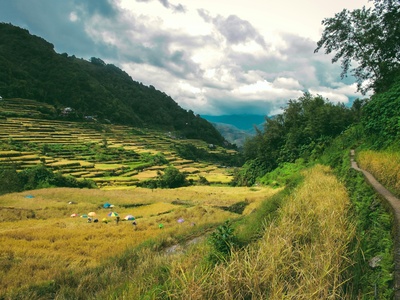
Ifugao are famed for the UNESCO rice terraces, complex ritual calendar, woodcarving, and tight kinship systems; their Igorot identity centers on highland wet-rice agriculture, ancestral land stewardship, and rich oral and material culture.
Kankanaey
Kankanaey peoples live in highland Cordillera areas, practice terraced agriculture and weaving, have elaborate rice-planting customs and house-building traditions, and are central to Igorot cultural revival and mountaintop identity.
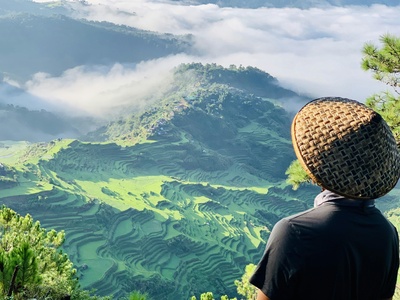
Bontoc
Bontoc people of the central Cordillera are known for rice terraces, intricate tattoos historically, woodcarving, and robust oral histories; social structures and ceremonial life reflect mountain ecology and historic tribal alliances.
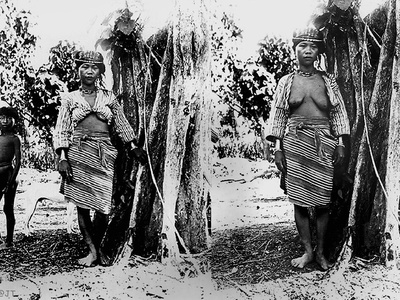
Kalinga
Kalinga peoples are upland farmers famed for warrior culture, tattooing traditions, rice terraces, and intricate weaving; peace pacts and customary law play key roles, alongside contemporary cultural resurgence and indigenous rights activism.
Ibaloi
Ibaloi of Benguet speak Ibaloi, practice highland agriculture, have rich mummification and burial traditions, and are known for vegetable farming, stone-walled terraces, and a blend of Christian and indigenous ritual life.
Bugkalot (Ilongot)
Bugkalot (Ilongot) are upland communities known historically for headhunting practices, shifting cultivation, distinctive oral traditions, and strong clan systems; contemporary culture focuses on ritual renewal and ancestral land claims.
Ibanag
Ibanag people of the Cagayan Valley speak Ibanag, have rich agricultural lowland traditions, distinct cuisine and folk songs, and historical roles as riverine traders and settlers along Cagayan River systems.
Gaddang
Gaddang people inhabit northern Luzon foothills, practicing wet-rice agriculture, weaving, and ritual canoe and hunting traditions; their language and customs form an important part of Cagayan Valley’s cultural mosaic.
Ivatan
Ivatans of Batanes are famed for stone houses, thick thatch roofs, and windproof architecture adapted to harsh seas; they speak Ivatan, have strong maritime skills, and preserve unique oral traditions and indigenous community practices.
Eskaya
The Eskaya of Bohol are a small community with a unique auxiliary language and syllabic script, distinct ritual and oral traditions, and a recovery movement emphasizing heritage, literacy, and local identity within Cebuano-speaking regions.
Mangyan (umbrella)
Mangyan groups comprise several indigenous peoples of Mindoro (Hanunuo, Buhid, Iraya, Alangan, Tadyawan, Tao’t Bato, Ratagnon), each with distinct languages, scripts (e.g., Buhid, Hanunuo), weaving, and animist or syncretic beliefs tied to forest landscapes.
Hanunuo Mangyan
Hanunuo Mangyan are a Mindoro subgroup known for preserving pre-Hispanic syllabic script and tadtad poetry, intricate weaving, agroforestry livelihoods, and spiritual practices that maintain close ties to ancestral homelands.
Buhid Mangyan
Buhid people preserve a native syllabic script, weaving traditions, and swidden agriculture; their culture centers on forest stewardship, oral epics, and ritualized relations with the land and neighboring lowland communities.
Iraya Mangyan
Iraya Mangyan inhabit northern Mindoro highlands, speaking Iraya languages, practicing mixed agriculture and foraging, and maintaining distinctive weaving, music, and customary rules that differentiate them from coastal populations.
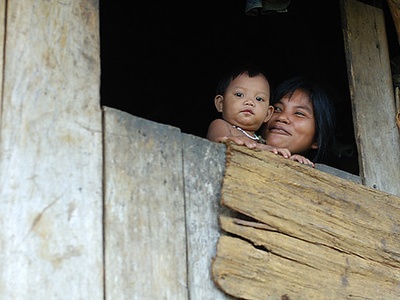
Alangan Mangyan
Alangan communities in Mindoro practice shifting cultivation and hunting, have rich oral traditions and weaving skills, and maintain clan-based social organization with rituals tied to planting, harvest, and forest stewardship.
Tadyawan (Mindoro)
Tadyawan people live in Mindoro interior, known for rice and rootcrop cultivation, basketry and weaving, and strong community rituals preserving indigenous knowledge and responding to environmental pressures.
Ratagnon
Ratagnon are a small Mangyan-related group in southwestern Mindoro with distinct language and coastal livelihood influences; they retain unique cultural markers while facing assimilation and conservation-related challenges in their island homeland.
Chavacano (Zamboangueño)
Zamboangueño Chavacano speakers form a creole-speaking urban community with roots in colonial-era Spanish-Mestizo and native mixing; Chavacano is a unique linguistic identity tied to Zamboanga civic life, cuisine, and coastal trade history.
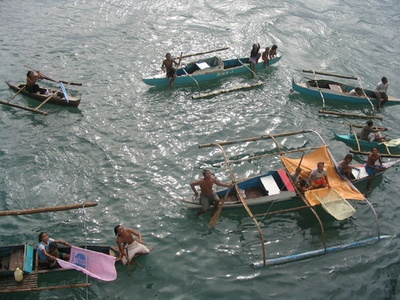
Badjao (Sea Gypsies)
Badjao is a common name for maritime communities often grouped with Sama-Bajau; many historically boat-dwelling, they are renowned for freediving, kelong and stilt house living, and deep marine ecological knowledge amid marginalization and statelessness concerns.
Isneg (Isnag)
Isneg (Isnag) people inhabit Apayao and Cagayan highlands, practicing rice terracing and upland agriculture, with elaborate oral literature, weaving, and clan systems; they maintain distinct traditions despite lowland contacts and modern changes.
Itawes
Itawes peoples of Cagayan Valley have riverine agricultural communities, speak Itawes, and maintain folk music, weaving, and local rituals tied to rice cultivation and riverine trade, reflecting a long-standing valley culture.
Sambal
Sambals occupy Zambales coastal and upland zones, speak Sambal languages, and are known for beach and mangrove resource use, unique ritual calendars, and folk festivals that blend indigenous and colonial-era influences.
Romblomanon
Romblomanon inhabitants of Romblon islands speak Romblomanon, practice boat building and fishing, marble carving crafts, and maintain island-specific festivals and dialectal culture shaped by isolation and maritime trade networks.