Bolivia’s highlands, valleys and Amazon basin host a complex mosaic of peoples whose languages, customs and histories shape everyday life and national identity. Regional geography and centuries of migration have produced distinct communities that remain central to Bolivia’s social and cultural map.
There are 32 Bolivia Ethnic Groups, ranging from Afro-Bolivian,Yuracaré. For each group we list Population %,Main region(s),Primary language(s) so you can quickly compare size, location and primary tongue — you’ll find below.
How were these ethnic groups identified and counted?
Groups are identified by a mix of self-identification in census data, ethnolinguistic research and historical records; population percentages come from national surveys and estimates, while region and language reflect where communities are concentrated and the primary language(s) they report.
Which languages should I expect to see most often in the list?
You’ll frequently see Spanish alongside major indigenous languages such as Quechua and Aymara, plus a variety of Amazonian languages and Creole or Afro-descendant varieties in specific regions, which is why the language column is useful for spotting regional linguistic patterns.
Bolivia Ethnic Groups
| Name | Population % | Main region(s) | Primary language(s) |
|---|---|---|---|
| Mestizo | 68.0% | Nationwide, especially Santa Cruz, La Paz, Cochabamba | Spanish, regional indigenous languages |
| Aymara | 20.0% | La Paz, Oruro, Potosí, Cochabamba | Aymara, Spanish |
| Quechua | 16.5% | Cochabamba, Potosí, Chuquisaca, La Paz | Quechua, Spanish |
| Guaraní | 1.5% | Santa Cruz, Tarija, Chuquisaca, Gran Chaco | Guaraní, Spanish |
| Chiquitano | 2.3% | Santa Cruz (Chiquitania) | Chiquitano, Spanish |
| Moxeño (Moxos) | 0.8% | Beni (Moxos plains) | Moxeño, Spanish |
| Mojeño-Trinitario / Mojeño-Ignaciano | 0.5% | Beni, Pando | Moxeño varieties, Spanish |
| Chimane (Tsimane) | 0.2% | Beni, lowland Amazonia | Tsimane, Spanish |
| Tacana | 0.3% | La Paz, Beni (northwest), Pando | Tacana, Spanish |
| Movima | 0.5% | Beni, Santa Cruz | Movima, Spanish |
| Mosetén | 0.1% | La Paz, Beni | Mosetén, Spanish |
| Itonama | 0.1% | Beni (Iténez, Mamoré areas) | Itonama, Spanish |
| Baure | 0.1% | Beni (Beni River region) | Baure, Spanish |
| Cayubaba | 0.02% | Beni (Pando border areas) | Cayubaba, Spanish |
| Canichana | 0.02% | Beni (northern lowlands) | Canichana, Spanish |
| Chipaya | 0.02% | Oruro (highland plateau) | Chipaya, Spanish |
| Uru (Uru-Chipaya, Uru of Tiwanaku) | 0.1% | La Paz, Oruro | Uru, Aymara, Spanish |
| Sirionó | 0.03% | Beni, Santa Cruz (Amazon foothills) | Sirionó, Spanish |
| Araona | 0.02% | La Paz (northern Amazon foothills) | Araona, Spanish |
| Ese Ejja | 0.03% | Pando, Beni (northwest Amazon) | Ese Ejja, Spanish |
| Yuracaré | 0.2% | Cochabamba (Chapare), Beni | Yuracaré, Spanish |
| Guarayo (Guarayos) | 0.5% | Santa Cruz (northern), Beni | Guarayu, Spanish |
| Ayoreo | 0.1% | Gran Chaco (Tarija, Santa Cruz) | Ayoreo, Spanish |
| Yaminahua | 0.02% | Pando, Beni (Amazon) | Yaminahua, Spanish |
| Leco | 0.05% | La Paz (Yungas foothills) | Leco, Spanish |
| Chorote / Iyo’wujwa Chorote | 0.02% | Tarija, Chuquisaca (Gran Chaco) | Chorote, Spanish |
| Tapiete (weenhayek) | 0.03% | Tarija, Gran Chaco | Tapiete, Spanish |
| Ignaciano (Moxeño-Ignaciano) | 0.2% | Beni (Jesuit mission zones) | Moxeno varieties, Spanish |
| Afro-Bolivian | 1.1% | Los Yungas (La Paz), Santa Cruz | Spanish, Afro-Bolivian Spanish |
| White / European Bolivian | 5.0% | La Paz, Santa Cruz, Cochabamba | Spanish, European languages |
| Asian Bolivian (e.g., Japanese, Chinese) | 0.1% | Santa Cruz, Beni, La Paz | Spanish, Asian languages |
| Other Indigenous peoples (combined small groups) | 0.8% | Various Amazon and Chaco regions | Various Indigenous languages, Spanish |
Images and Descriptions

Mestizo
People of mixed Indigenous and European descent who form Bolivia’s largest group. Culturally diverse, Spanish-speaking with many regional traditions; officially recognized in census data and central to national identity and politics (figures approximate, census-based estimates).
Aymara
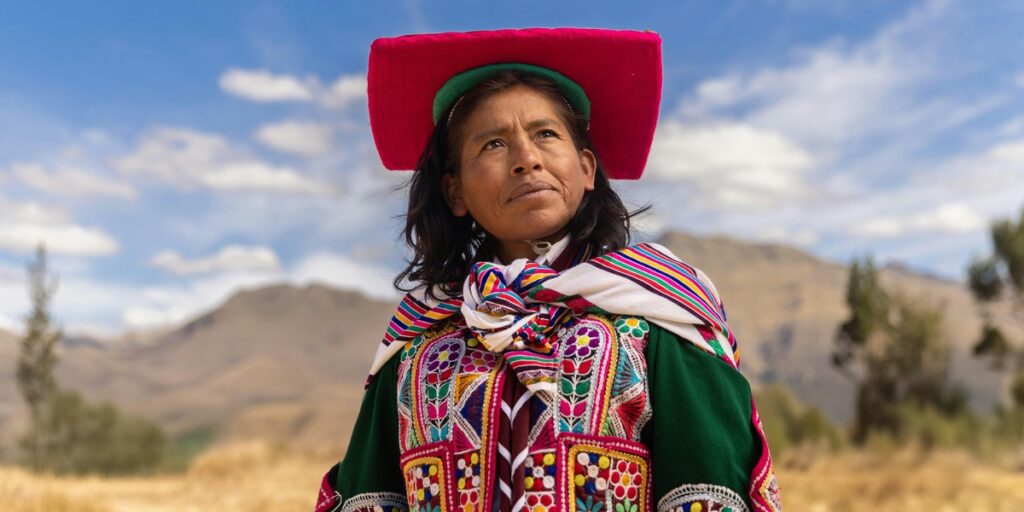
Highland Indigenous nation with deep pre-Columbian roots around Lake Titicaca. Noted for strong community organization, traditional dress, and role in national politics; constitutionally recognized and among the country’s largest Indigenous groups (approximate census share).
Quechua
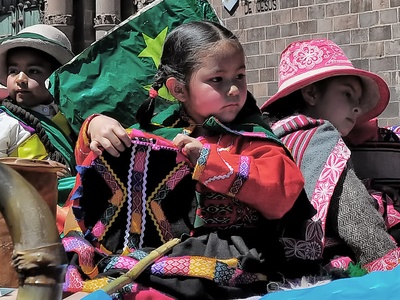
Andean Indigenous people originating from the Inca cultural sphere. Quechua communities maintain agriculture, traditional festivals, and Quechua language use; legally recognized Indigenous nationality with large demographic presence in highlands and valleys.
Guaraní
Lowland Indigenous group in the Gran Chaco and foothills, known for communal ties, agro-forestry, and distinctive cultural expressions. Recognized in the constitution; Guaraní language and traditions remain important regionally.
Chiquitano
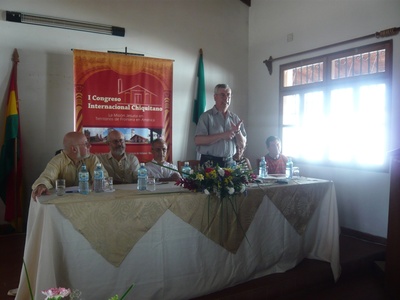
Eastern lowland nation from the Chiquitania with Jesuit mission history, distinctive woodcrafts, and cattle ranching. Chiquitano identity is regionally prominent, constitutionally recognized and influential in Santa Cruz cultural life.
Moxeño (Moxos)
Indigenous peoples of the Beni floodplain with rich pre-Columbian water-management heritage and Jesuit mission influences. Known for traditional music, raised-field agriculture, and bilingual identity; constitutionally recognized as Indigenous nationality.
Mojeño-Trinitario / Mojeño-Ignaciano
Riverine Indigenous groups from northeastern lowlands with strong mission-era cultural forms, dance and music traditions. Often counted under Moxeño or specific subgroups in censuses; constitutionally recognized Indigenous peoples.
Chimane (Tsimane)
Amazonian Indigenous group in Beni known for traditional subsistence horticulture, foraging, and distinctive languages. Studied for health and lifestyle; constitutionally recognized and concentrated along rivers and forest clearings.
Tacana
Amazonian people in the northwestern lowlands with rich ceremonial life and agroforestry. Tacana communities retain traditional governance structures and languages, and are recognized Indigenous peoples by the state.
Movima
Lowland Indigenous group of northern Bolivia with a unique Movima language isolate. Small population concentrated in Beni and Santa Cruz regions, recognized in census and constitution as an Indigenous nation.
Mosetén
Small highland-lowland Indigenous people with distinct language and cultural continuity around forest–mountain zones. Recognized Indigenous nation, notable for bilingual households and cultural resilience in limited territories.
Itonama
Indigenous nation in northeastern lowlands with traditional riverine economy and a unique language. Small population, constitutionally recognized and concentrated near river systems in Beni department.
Baure
Lowland Indigenous people with a language related to other Arawakan families. Baure communities have Jesuit mission legacies, vibrant ritual life, and legal recognition as an Indigenous nation.
Cayubaba
Very small Indigenous group located in Beni lowlands, with distinct language and traditions. Recognized in national registers and constitution as an Indigenous people, maintaining local cultural continuity.
Canichana
Endangered Indigenous nation from lowland Beni with unique linguistic heritage. Small population and cultural revitalization efforts; constitutionally recognized but with fragile demographic presence.
Chipaya
Ancient highland group on arid Altiplano; Chipaya language and architectural traditions are distinctive. Small and culturally distinct, recognized as an Indigenous nation with strong place-based identity near Lake Poopó basin.
Uru (Uru-Chipaya, Uru of Tiwanaku)
Ancient lake-dwelling people around Lake Titicaca and high plains, with unique reed-crafting and archaeological heritage. The Uru are recognized Indigenous peoples with bilingualism often including Aymara or Spanish.
Sirionó
Amazonian group of the Bolivian lowlands with distinctive language and forest-based subsistence. Small population, constitutionally recognized and present in protected and remote forested areas.
Araona
Small Amazonian Indigenous nation with a unique language and shamanic traditions. Concentrated in northern La Paz forests, constitutionally recognized and active in territorial claims and cultural preservation.
Ese Ejja
Amazonian people with riverine livelihoods and rich oral traditions. Small population across Pando and Beni, recognized as Indigenous and engaged in protecting riverine territories and culture.
Yuracaré
Forest and riverine Indigenous group in central lowlands and Chapare. Known for agroforestry, shamanism, and bilingualism. Constitutionally recognized and active in land-rights and cultural survival efforts.
Guarayo (Guarayos)
Lowland Indigenous group in eastern lowland forests with shifting agriculture and rich ritual life. Recognized in the constitution; culturally significant in northern Santa Cruz and engaged in territorial organization.
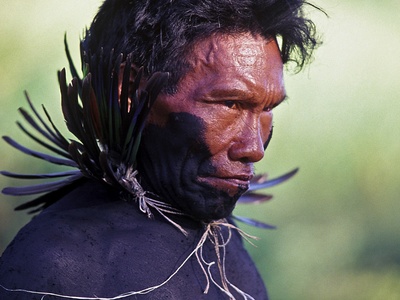
Ayoreo
Gran Chaco Indigenous nation historically semi-nomadic; many remain in forests while others integrated. Known for Chaco adaptations and language, constitutionally recognized and subject of land-rights advocacy.
Yaminahua
Small Amazonian people related linguistically to Panoan families. Concentrated along river corridors, constitutionally recognized and maintaining traditional subsistence and cultural practices.
Leco
Highland–Yungas Indigenous group with ancestral ties to Tiwanaku-era cultures. Leco language and customs persist in small communities, recognized in law and involved in local cultural recovery.
Chorote / Iyo’wujwa Chorote
Gran Chaco Indigenous peoples with distinct languages and social organization. Small communities practicing traditional crafts and agro-pastoralism; constitutionally recognized Indigenous nations.
Tapiete (weenhayek)
Gran Chaco group with ties to Guaraní families, living in Tarija and Chuquisaca. Known for cattle-herding and syncretic traditions; recognized in national Indigenous registers.
Ignaciano (Moxeño-Ignaciano)
One of the Moxeño groups from Beni with a mission-era cultural blend, distinct dialects, and vibrant musical tradition. Recognized Indigenous nation with strong regional identity in the Llanos de Moxos.
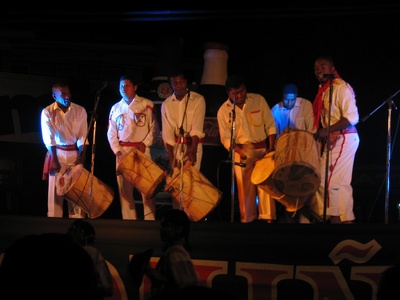
Afro-Bolivian
Descendants of enslaved Africans concentrated in the Yungas region, known for unique cultural forms like the saya, and recognized legally as a distinct ethnic group with collective land and cultural rights.
White / European Bolivian
Bolivians of primarily European descent (Spanish, German, Italian, etc.). Often Spanish-speaking, urban and rural communities with European cultural influence; recognized in demographic data though not an indigenous category.
Asian Bolivian (e.g., Japanese, Chinese)
Small communities of Asian origin (Japanese, Chinese, Korean) who migrated in 20th century, active in commerce and agriculture. Recognized in population data as distinct origin groups within Bolivia.
Other Indigenous peoples (combined small groups)
Aggregation of many smaller Indigenous nations (e.g., Machineri, Maropa, Caripuna) recognized by state registries. Each has unique languages and cultures; combined share is small but legally acknowledged.