Iraq sits at the crossroads of Mesopotamia, where millennia of migration, trade and shifting borders have created a complex patchwork of peoples and identities. Local history, recent conflict and urban migration all shape who lives where today.
There are 15 Iraq Ethnic Groups, ranging from Afro‑Iraqis (Zanj) to Yazidis. For each group you’ll find below Population (est.),Primary language(s),Main regions to help you compare size, language and geographic distribution — you’ll find below the full list and details.
How current and reliable are population estimates for these groups?
Population figures are often best viewed as estimates: census methods, political sensitivities and displacement from conflict or migration mean numbers can vary. Look for recent sources from Iraq’s statistics office, UN agencies and academic studies, and expect ranges rather than exact counts.
Do these groups live in distinct regions or are they mixed across Iraq?
Some groups are regionally concentrated (for example Kurds in the north, Marsh Arabs in the south), while many communities are dispersed in cities and across provinces due to trade, work and displacement. The table below shows primary regions to give a quick sense of traditional and current distributions.
Iraq Ethnic Groups
| Name | Population (est.) | Primary language(s) | Main regions |
|---|---|---|---|
| Arabs | 30,000,000 | Arabic (Mesopotamian dialects) | Throughout Iraq; central and southern provinces |
| Kurds | 5,000,000 | Kurdish (Sorani, Kurmanji) and dialects | Autonomous Kurdistan Region; Kirkuk and northern provinces |
| Iraqi Turkmen | 600,000 | Turkmen/Turkic dialects; Arabic and Kurdish commonly spoken | Kirkuk, Mosul, Erbil, Tal Afar and northern plains |
| Assyrians | 300,000 | Neo‑Aramaic (Assyrian), Arabic | Nineveh Plains, Baghdad, Duhok, Erbil |
| Yazidis | 250,000 | Kurmanji Kurdish (Yazidi dialect) | Sinjar, Nineveh Plains, parts of Duhok |
| Shabaks | 150,000 | Shabaki (mixed language), Arabic, Kurdish | Nineveh Plains east of Mosul |
| Kaka’i (Yarsani) | 60,000 | Gorani/Kurdish dialects, Persian influences | Kurdistan Region, Diyala, Kirkuk periphery |
| Afro‑Iraqis (Zanj) | 500,000 | Arabic | Basra, southern marshes, Baghdad neighborhoods |
| Roma (Dom/Nawar) | 50,000 | Domari/Romani dialects and Arabic | Urban centers across Iraq: Baghdad, Basra, Mosul |
| Armenians | 10,000 | Armenian, Arabic | Baghdad, northern cities, Erbil |
| Baloch | 30,000 | Balochi, Arabic | Basra and southeastern provinces near Iran |
| Persians (Iranian origin) | 20,000 | Persian (Farsi), Arabic | Baghdad, Basra, border provinces and trade centers |
| Circassians | 3,000 | Circassian (Adyghe), Arabic | Baghdad, select northern towns |
| Chechens | 2,000 | Chechen, Arabic | Baghdad, parts of northern Iraq |
| Mandaeans | 4,000 | Mandaic (Aramaic), Arabic | Baghdad region, Maysan, southern marshes (shrinking) |
Images and Descriptions
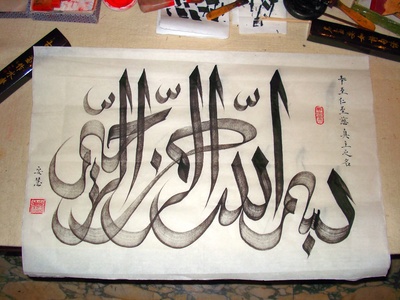
Arabs
Arabs are the majority in Iraq, descended from diverse Semitic and Mesopotamian communities. They speak Iraqi Arabic dialects, follow Islam (Sunni and Shia majorities), and shape much of the country’s culture and politics.
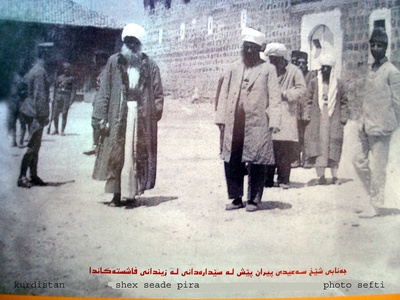
Kurds
Kurds are an Indo‑Iranian people with a distinct language and culture. Concentrated in the Kurdistan Region and disputed areas like Kirkuk, most are Sunni Muslim though Yazidi and Christian Kurdish minorities exist.

Iraqi Turkmen
Iraqi Turkmen (Turkomans) are a Turkic-speaking minority in northern Iraq, with cultural ties to Turkey. They live in mixed cities like Kirkuk and include both Sunni and Shia adherents.
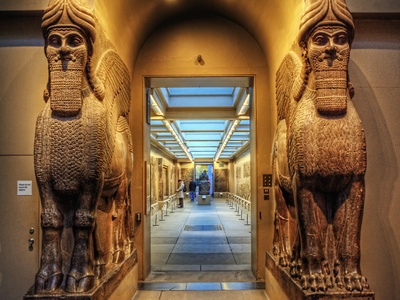
Assyrians
Assyrians are an indigenous Semitic people of ancient Mesopotamia, speaking Neo‑Aramaic. Predominantly Christian (Assyrian Church, Chaldean Catholic, Syriac Orthodox), they maintain churches and communities in the Nineveh Plains and cities.
Yazidis
Yazidis are an ethnoreligious community with ancient Indo‑Iranian roots and a distinct syncretic faith. Predominantly Kurdish-speaking, they have faced severe persecution and keep unique religious traditions centered in Sinjar.
Shabaks
Shabaks are a distinct ethnic group with a unique language blending Kurdish and Arabic elements. They practice a syncretic form of Islam with Shi’a influences and live mainly in villages east of Mosul.
Kaka’i (Yarsani)
Kaka’i (Yarsani) are an ethnoreligious community speaking Gorani/Kurdish dialects with a distinct syncretic faith. Concentrated in parts of Kurdistan, Diyala, and Kirkuk, they maintain unique rituals and cultural identity.
Afro‑Iraqis (Zanj)
Afro‑Iraqis descend from East African arrivals (Zanj) with centuries-long presence. Primarily Arabic-speaking and Muslim, they form culturally distinct communities in Basra, the marshes, and urban neighborhoods with unique music and traditions.
Roma (Dom/Nawar)
Roma (Dom/Nawar) are peripatetic communities of South Asian origin, speaking Domari and Arabic. They maintain distinct trades, cultural traditions, and often face social marginalization in Iraqi cities.
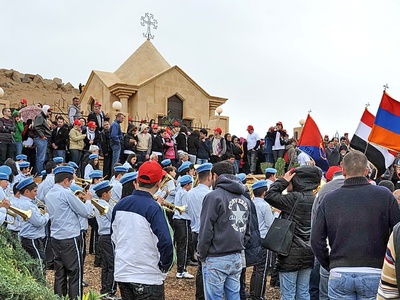
Armenians
Armenians in Iraq are a small Christian community descended from migrants and refugees of the Ottoman era. They speak Armenian (often Arabic as well) and maintain churches, cultural associations, and historic neighborhoods.
Baloch
Baloch in Iraq trace origins to the wider Baloch people of Iran and Pakistan. They speak Balochi and Arabic, live mainly near Basra, and are typically Sunni Muslim with tribal social structures.
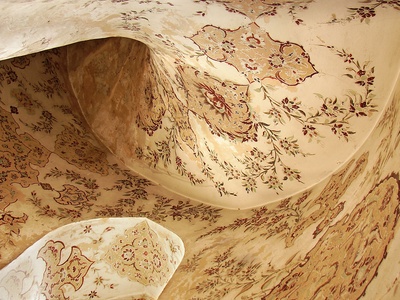
Persians (Iranian origin)
Persian‑origin communities include long‑standing families and more recent migrants. They often speak Persian and Arabic, have Shi’a religious ties, and are concentrated in southern and central cities and border regions.
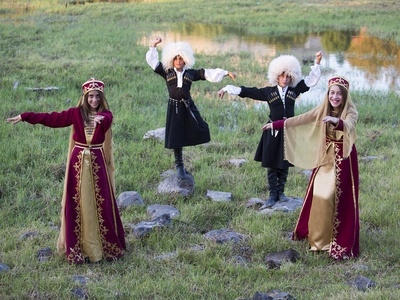
Circassians
Circassians descend from North Caucasus migrants of the 19th century. Small communities preserve elements of language and customs while largely integrating into Arabic-speaking Iraqi society.
Chechens
Chechen minorities arrived during Ottoman-era and Caucasus migrations. Today small groups live in Baghdad and northern areas, retaining some Chechen language and cultural practices amid broader integration.
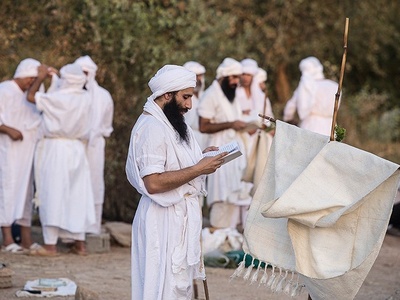
Mandaeans
Mandaeans are an ancient Gnostic, ethnoreligious people from southern Mesopotamia who speak Mandaic and Arabic. They practice baptism-focused rituals, live historically by rivers and marshes, and are mostly followers of Mandaean religion.