Georgia’s location at the crossroads of Europe and Asia has produced a layered cultural landscape where languages, customs and communities overlap. Towns, highland villages and coastal areas each reflect different histories, economic ties and patterns of settlement that shape everyday life.
There are 18 Georgia Ethnic Groups, ranging from Abkhazians to Yazidis. For each group the list shows Population (%), Primary region, Language(s) — you’ll find below.
Which groups make up the largest minorities and where do they live?
Georgia’s majority are ethnic Georgians, but significant minorities include Azerbaijanis (largely in Kvemo Kartli), Armenians (notably in Samtskhe-Javakheti), Russians, Ossetians and Abkhazians, among others; each community is often concentrated in specific regions, which the list’s “Primary region” column highlights.
How reliable are the population percentages and how were they gathered?
Percentages are typically drawn from national census data and official statistical estimates; they reflect self-identified ethnicity and can shift between censuses or with migration, so consider them a snapshot rather than an exact, unchanging figure.
Georgia Ethnic Groups
| Group | Population (%) | Primary region | Language(s) |
|---|---|---|---|
| Georgians | 86.80% | Nationwide (Tbilisi, Imereti, Kakheti, Samegrelo) | Georgian |
| Azerbaijanis | 6.30% | Kvemo Kartli (Marneuli, Gardabani), Kakheti, Tbilisi outskirts | Azerbaijani, Georgian |
| Armenians | 4.50% | Samtskhe-Javakheti (Akhalkalaki, Ninotsminda), Tbilisi | Armenian, Georgian |
| Russians | 0.70% | Tbilisi, Adjara, historically Abkhazia | Russian, Georgian |
| Ossetians | 0.20% | South Ossetia (de facto), Shida Kartli | Ossetian, Russian, Georgian |
| Abkhazians | 0.10% | Abkhazia (de facto region), some in western Georgia | Abkhaz, Russian, Georgian |
| Kists (Chechens) | 0.10% | Pankisi Gorge (Mtskheta-Mtianeti) | Chechen, Georgian |
| Lezgins | 0.09% | Kvemo Kartli, Kakheti, border areas with Dagestan | Lezgi (Lezgian), Russian, Georgian |
| Ukrainians | 0.14% | Tbilisi, Samegrelo, Kvemo Kartli | Ukrainian, Russian, Georgian |
| Yazidis | 0.06% | Tbilisi, Rustavi, Kvemo Kartli | Kurmanji (Yazidi dialect), Georgian |
| Greeks | 0.04% | Samegrelo, Tbilisi, Black Sea coast | Greek, Georgian, Russian |
| Roma | 0.06% | Nationwide pockets (Tbilisi, Imereti, Kvemo Kartli) | Romani, Georgian |
| Jews | 0.01% | Tbilisi, Kutaisi | Georgian, Hebrew, Russian |
| Assyrians | 0.02% | Tbilisi, Gardabani | Assyrian Neo-Aramaic, Georgian |
| Kurds | 0.03% | Tbilisi, Kvemo Kartli, mountainous areas | Kurdish (Kurmanji), Georgian |
| Bulgarians | 0.01% | Shida Kartli, Kvemo Kartli pockets | Bulgarian, Georgian |
| Meskhetian Turks | 0.01% | Kvemo Kartli (small communities) | Turkish, Azerbaijani, Georgian |
| Lezgian Avars (Avars) | 0.02% | Border areas near Kakheti and Kvemo Kartli | Avar, Russian, Georgian |
Images and Descriptions

Georgians
Georgians are the dominant ethnic group, native speakers of Georgian with a rich history of Orthodox Christianity, wine culture, and regional subcultures (Imeretian, Kartlian, Mingrelian influences). They form the backbone of Georgia’s national identity and institutions.
Azerbaijanis
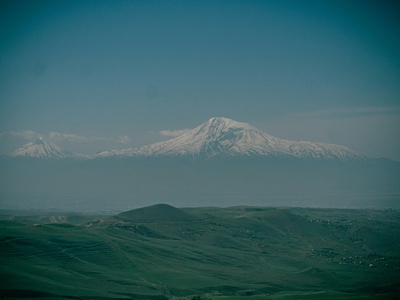
Azerbaijanis are Georgia’s largest minority, concentrated in Kvemo Kartli. Most are Azerbaijani-speaking Shi’a Muslims with strong cross-border ties to Azerbaijan and active in agriculture and local commerce; many speak Georgian as a second language.
Armenians
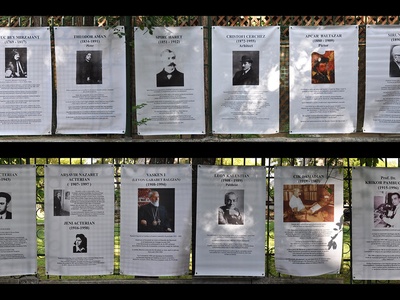
Armenians in Georgia form a longstanding community, especially in Javakheti. Predominantly Armenian-speaking and Christian (Armenian Apostolic), they maintain distinct cultural institutions, churches, and strong ties with Armenia while participating in Georgian public life.
Russians
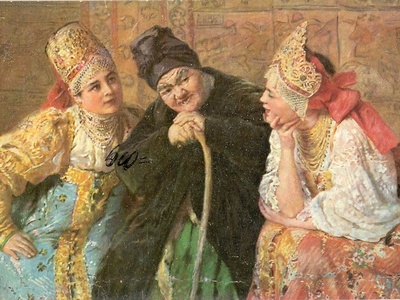
Russia’s legacy community includes older urban Russians concentrated in Tbilisi and Batumi. Many speak Russian as first language, retain Russian cultural institutions, and experienced population decline since Soviet collapse through emigration.
Ossetians
Ossetians are an Iranic-speaking people living mainly in South Ossetia and nearby Shida Kartli. Political tensions have shaped their status; they speak Ossetian and often Russian, with traditional pastoral culture and Eastern Orthodox and local practices.
Abkhazians
Abkhazians are an indigenous Northwest Caucasian people centered in Abkhazia. Abkhaz language and distinct traditions mark their identity; recent decades’ conflict and displacement complicate their relationship with the central Georgian state.
Kists (Chechens)
Kists are Chechen-origin people settled in northeastern Georgia’s Pankisi Gorge for centuries. They speak Chechen, practice Sunni Islam, and are known for tight-knit mountain communities with distinct cultural traditions and increasing engagement with broader Georgian society.
Lezgins
Lezgins are a Northeast Caucasian-speaking minority living near Georgia’s northeastern border. Traditionally rural and Muslim, they preserve Lezgian language and customs, with cross-border family and trade connections to Dagestan.
Ukrainians
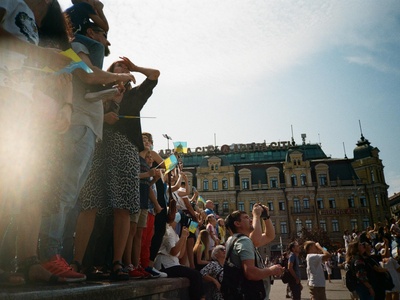
Ukrainians in Georgia are mostly urban residents and descendants of Soviet-era settlers. They speak Ukrainian or Russian, are active in business and crafts, and form a small but visible minority in Tbilisi and western regions.
Yazidis
Yazidis are an ethno-religious Kurdish group practicing Yazidism, concentrated in urban centers. They speak Kurmanji Kurdish, maintain distinct religious traditions and festivals, and contribute to Georgia’s cultural and religious diversity.
Greeks
Georgia’s Greek community (Pontic and other groups) has ancient roots on the Black Sea coast and Samegrelo. Numbers shrank after Soviet collapse; remaining Greeks keep language and Orthodox traditions, with cultural associations in Tbilisi and Batumi.
Roma
Roma communities in Georgia are diverse, often marginalized and itinerant historically but increasingly settled. They speak Romani and Georgian, maintain distinctive music and crafts traditions, and face socioeconomic challenges and integration efforts.
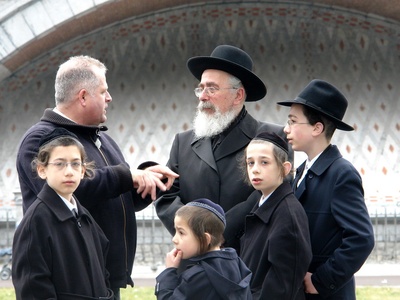
Jews
Georgia’s Jewish community is ancient, with historic Georgian Jews and later Ashkenazi arrivals. Small in number today, they retain synagogues, cultural life and traditions, and have historic ties to Georgian society stretching back centuries.
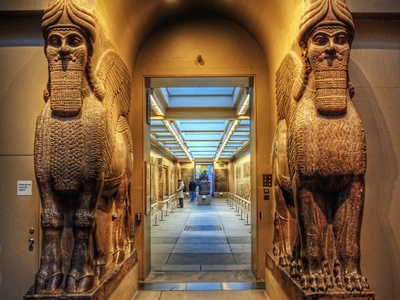
Assyrians
Assyrians are a Christian minority concentrated in parts of Tbilisi and Kvemo Kartli, speaking Neo-Aramaic dialects. They maintain churches, community networks, and a distinct Mesopotamian cultural heritage despite small population size.
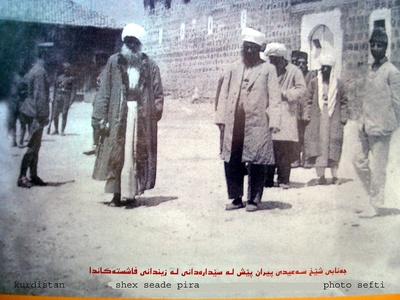
Kurds
Georgia’s Kurds are a small community, some Muslim and some Yazidi (when listed separately). Kurdish speakers maintain cultural traditions and transregional ties; many are bilingual in Georgian or Russian.
Bulgarians
Bulgarians in Georgia are a tiny minority descended from 19th–20th century settlers. They tend to be rural, preserve language and Orthodox Christian identity, and participate in local agricultural life and small communities.
Meskhetian Turks
Meskhetian Turks are a deported community with historical ties to southern Georgia. A small number reside in Kvemo Kartli; they speak Turkic dialects, practice Islam, and their status reflects complex repatriation and integration issues.
Lezgian Avars (Avars)
Avar communities are small Northeast Caucasian groups near Georgia’s northeastern border, speaking Avar and maintaining Muslim traditions. They share cultural and family ties with Dagestani neighbors and local minority networks.